

1226 Wilderness Run Rd, Eagan, MN 55123
To contact a resident: (612) 670-1380
For more information about senior living options: (866) 208-4318
Cardenas Friendship Homes 4 Costs & Pricing
Cardenas Friendship Homes 4 offers competitive pricing for its accommodations, with private rooms priced at $4,500 per month. This rate is notably lower than both the county average in Dakota County at $5,040 and the state average in Minnesota at $5,090. For studio units, Cardenas Friendship Homes 4 maintains an attractive price point of $4,500 as well; however, this figure exceeds the county's average of $3,683 and the state's average of $3,617. Overall, while private room costs are favorably positioned within the broader market context, potential residents should weigh their options carefully when considering studio accommodations in relation to county and state trends.
| Floor plans | Cardenas Friendship Homes 4 | Dakota County | Minnesota |
|---|---|---|---|
| Private | $4,500 | $5,040 | $5,090 |
| Studio | $4,500 | $3,683 | $3,617 |
Memory care communities with a similar price nearby
-
from +$500 / mo
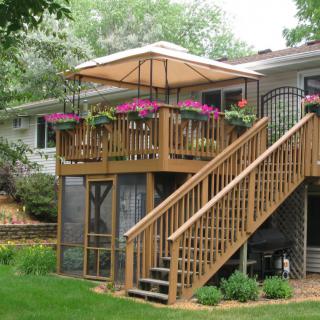
LuAnn's Place
$5,000 to $6,800 / month17.9 miles away -
from -$720 / mo
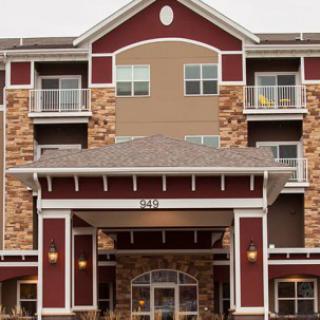
Lilydale Senior Living
$3,780 / month7.4 miles away -
from -$845 / mo
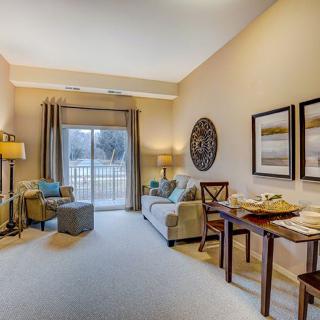
Gable Pines
$3,655 to $4,535 / month18.3 miles away -
from -$625 / mo
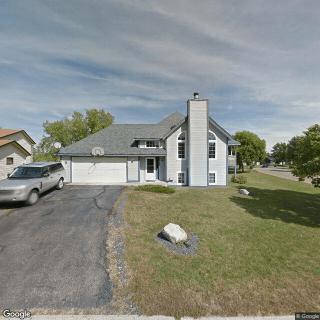
Ann's Home - Savage
$3,875 to $5,185 / month9.0 miles away -
from +$805 / mo

Cherrywood Pointe Of Roseville
$5,305 / month16.3 miles away
Overall Review of Cardenas Friendship Homes 4
Pros
 They feel this is more in line with what they are seeking.
- They appreciate that an elderly waiver is available.
Cons
 There are no openings at present.
- They have not yet visited.
Review
Cardenas Friendship Homes 4 in Eagan, Minnesota is best suited for families seeking a mid-range assisted-living option that is clear about eligibility and resident policies, and who can tolerate a waiting period because openings are not currently available. The community’s pricing sits in the $4,700 to $5,500 per month range, signaling a premium but not the top tier, and it explicitly accepts Elderly Waiver funding. For families with urgent placement needs, this is a constraint that narrows the field quickly. The combination of EW acceptance and a defined smoking policy can be a turning point for some, but the lack of current availability looms large.
Those who must move immediately should look elsewhere, as the waitlist will delay care. Families seeking a lower price point or more transparent, widely available information about programming and daily routines may find the limited data here inadequate. The reviews offer only a glimpse of what the community provides beyond policy details, leaving questions about staffing levels, levels of care, meals, activities, and safety measures unanswered. In short, this option fits a narrow slice of situations, and other communities in the area may better meet broader needs or shorter timelines.
The limited feedback suggests a fit for residents who want a facility that aligns with specific funding and policy preferences. The ability to accommodate smoking outside or in a garage in winter reduces practical friction for residents who smoke and for families wary of policy disputes. The apparent willingness to accommodate Elderly Waiver funding signals financial compatibility for eligible seniors, and that transparency around pricing exists at least in broad terms. Taken together, these factors create a practical, predictable environment for a subset of potential residents who prioritize funding alignment and clear, codified rules.
Nevertheless, the major drawbacks counterbalance these positives. The clearest obstacle is the absence of current openings, which makes any planning contingent and uncertain. The scant information about day-to-day care, staffing, activities, and what the monthly rate actually covers makes evaluating true value difficult. The price tag remains significant, and without a fuller package of services and transitions outlined, the premium can feel hard to justify. For families seeking a comprehensive, well-documented program of care and robust transition planning, the visible gaps become decisive.
Balancing strengths and weaknesses, the strongest leverage points are the Elderly Waiver acceptance and the explicit smoking policy, which address practical realities for many seniors and their families. Yet these advantages are largely theoretical until a placement path exists and a fuller program description can be reviewed. The rate, while understandable in context, must be weighed against the lack of immediate availability. Prospective residents should demand a concrete wait-time estimate, a detailed breakdown of services included in the monthly cost, and a tour that covers meals, activities, safety protocols, and staff-to-resident ratios. Without those details, the gap between potential and realized care remains too wide.
The practical recommendation is clear: keep Cardenas Friendship Homes 4 on the short list for families who can wait, value EW acceptance, and need a smoker-friendly environment, but actively pursue alternatives for those requiring immediate placement or who demand fuller care transparency. If a move-in window opens or wait times prove reasonable, a visit to observe the environment, meet the caregiving team, and review daily routines becomes essential. In the meantime, compare other local options offering definite start dates, documented care programs, and straightforward pricing to ensure a timely, well-informed choice.
 Board and Care Home
 Memory Care
 Activities off-site
 Beautician on-site
 Indoor common areas
 Outdoor common areas
 Private
 Respite or short term stays offered
 Wheelchair accessible showers
 Minneapolis-St Paul International (7 miles away)
 Ambulatory care
 Diabetic care
 High acuity care
 Incontinence care
 Meals provided

 Delving into the Inner World of Dementia: Insights into Thoughts and Awareness
 Five Subtle Dementia Indicators to Observe: An In-Depth Guide to Understanding “Does My Mom Have Dementia?”
 Dementia, Paranoia, and Caregiver Guidance: Understanding the Connection