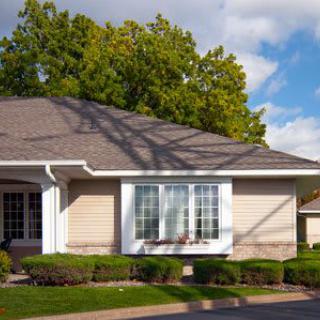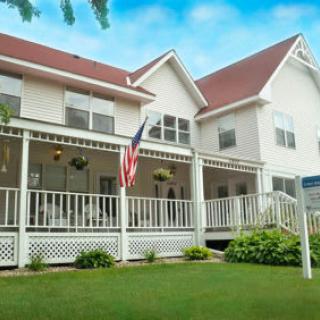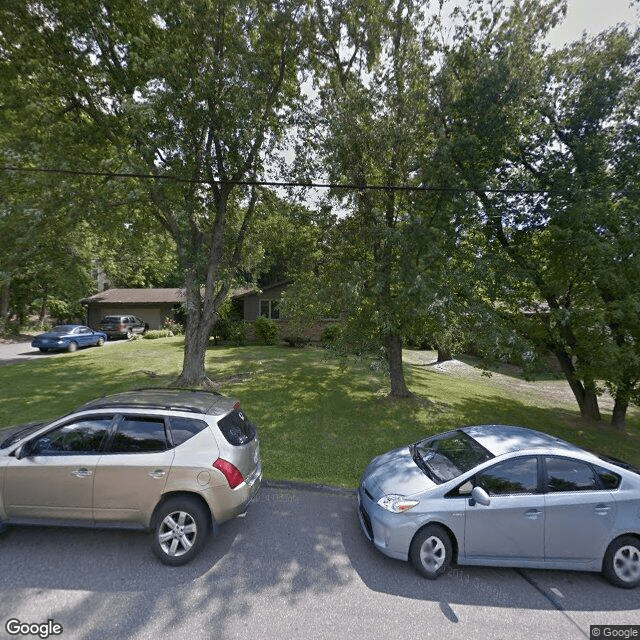
Minnetonka Assisted Living and Hospice in Minnetonka, MN

Save
Minnetonka Assisted Living and Hospice

Minnetonka Assisted Living and Hospice in Minnetonka, MN

14667 Lake Street Extension, Minnetonka, MN 55345

For more information about senior living options: (844) 490-3973

2.7 from 3 reviews
5 stars
0
4 stars
1
3 stars
1
2 stars
0
1 stars
1

Board and Care Home Memory Care

Minnetonka Assisted Living and Hospice Costs & Pricing

Minnetonka Assisted Living and Hospice offers a range of accommodations with costs that reflect both the quality of care provided and the local market. For a private room, residents can expect to pay $6,500 per month, which is notably higher than the average rate of $5,580 in Hennepin County and significantly exceeds the state average of $5,090 for Minnesota. Similarly, a one-bedroom unit at Minnetonka also comes with a price tag of $6,500, contrasting sharply with the more affordable options available locally - $3,550 in Hennepin County and $2,893 statewide. These figures highlight Minnetonka's positioning as a premium provider within the assisted living sector, emphasizing an elevated standard of service and amenities tailored for those seeking enhanced care in their golden years.

Floor plansMinnetonka Assisted Living and HospiceHennepin CountyMinnesota
1 Bedroom$6,500$3,550$2,893
Private$6,500$5,580$5,090

Overall Review of Minnetonka Assisted Living and Hospice

Pros

  • pro The staff were attentive.
  • pro The food was appealing.
  • pro They offered activities and she enjoyed them.
  • pro The community was always clean and well maintained.
  • pro It was a nice community for my mom.

Cons

  • pro The place is described as the worst they've ever been to.
  • pro They claim staff mistreat residents and evict them illegally if they are disliked, while trying to cover their actions.
  • pro They allege staff physically hit clients.
  • pro They say essential items, like milk, are withheld if residents don't comply.
  • pro They note the facility was shut down, but the owner's daughter remains open for business, so others should beware.

Review

We assess Minnetonka Assisted Living and Hospice as best for families seeking a small, home-like environment where attentive staff and predictable daily routines can offer comfort to residents who value social programs and dependable meals. The facility carries a modest overall rating (2.7 from three reviews), signaling a divided impression rather than a clear endorsement. Positive day-to-day factors may exist, but serious red flags also appear in some accounts. This is not a choice for families demanding ironclad safety and flawless operations; it requires cautious due diligence and clear expectations about oversight, communication, and resident rights.

On the favorable side, one reviewer paints a picture of a nice community where the staff felt attentive, meals were appealing, and daily activities kept the resident engaged. The environment was described as clean and well maintained, contributing to everyday comfort. This snapshot is valuable: it suggests reliable front-line care, steady food service, and a schedule that supports social interaction. Yet the review also called out a communication gap with family members, signaling that transparency and timely updates may be uneven. For families prioritizing a warm, neighborly setting, these elements matter and can fulfill practical needs.

A sharply opposite account arrives in a much darker frame: the reviewer labels the place the worst they've encountered, alleging abuse and unlawful removal of residents, and claiming that staff hit clients and withhold basic items unless forced to comply. The story suggests a culture of fear and neglect, with the implication that the operation may have closed or shifted ownership under troubling circumstances. While this is a single perspective, the severity of the claims cannot be dismissed outright and warrants immediate, independent verification during tours, license checks, and conversations with multiple staff and residents. The potential risk exposure here is not negligible and must be confronted head-on.

How these signals land in decision-making is critical. The pros - attentive staff, palatable meals, structured activities, and general cleanliness - provide tangible, day-to-day value and can make a measurable difference in comfort and quality of life. The cons, however, are not cosmetic: allegations of mistreatment and possible illegal actions point to fundamental risks around resident safety, rights, and accountability. If those concerns prove unfounded after due diligence, the facility can be a solid fit for routine care; if they hold weight, they simply cannot be ignored. The balance hinges on verification rather than impression, and that diligence will determine whether the positives outweigh the credible red flags.

Who should consider alternatives? Families with any lingering worries about resident safety, rights, or reliable oversight should explore other communities with transparent operations, consistent grievance processes, and verifiable licensing history. Those needing stronger communication with families or a track record of steady staffing practices will find more confidence elsewhere. Also, residents requiring higher levels of medical supervision or specialized memory care should look for campuses with dedicated programs and robust supervision. In short: this option is workable only when due diligence confirms trustworthy management, transparent reporting, and uninterrupted care standards.

Practical decision steps are straightforward. Schedule two hours for a hands-on tour at different times, observe staff-resident interactions, and request candid answers about staffing levels, incident history, and how emergencies are handled. Pull Minnesota state inspection reports and licensing records, and speak with current residents or family members about communication patterns and response times. Review the contract for rightsizing, notice requirements, and fee clarity. If the findings align with the positive aspects while dispelling the red flags, the community can be appropriate; if not, move on to alternatives with stronger safety reputations and clearer accountability.

Features

Types of Care

  • Board and Care Home Board and Care HomeBoard and care homes provide a smaller, more intimate setting for seniors who require assistance with daily tasks but do not need the level of care offered by a nursing home. They offer personalized care, meals, and social activities in a homelike environment, ensuring that seniors receive individualized attention and support in their golden years.
  • Memory Care Memory CareMemory care is crucial for seniors as it provides specialized support and services for individuals with dementia or Alzheimer's disease. These programs offer a safe and secure environment where residents receive personalized care, cognitive stimulation, and help with daily activities. Memory care helps seniors maintain their independence, quality of life, and dignity while also providing peace of mind for their families.

Amenities

  • Activities off-site Activities off-siteEngaging in off-site activities is crucial for seniors to maintain social connections, stay active, and stimulate their minds. It promotes overall well-being and helps combat feelings of isolation and loneliness.
  • Activities on-site Activities on-siteActivities on-site are important for seniors because they provide opportunities for socialization, mental stimulation, physical activity, and overall well-being. Engaging in activities can help seniors stay active, maintain their independence, and improve their quality of life.
  • Devotional services off-site Devotional services off-siteDevotional services off-site are important for seniors as they provide spiritual nourishment, social engagement, and a sense of community outside of the senior living facility. This can enhance overall well-being and help combat feelings of isolation and loneliness often experienced by older adults.
  • Devotional services on-site Devotional services on-siteDevotional services on-site provide seniors with spiritual support and a sense of community, as well as an opportunity for reflection and guidance during their senior living experience. This can promote emotional well-being and connection to others, leading to a more fulfilling and enriching lifestyle in their later years.
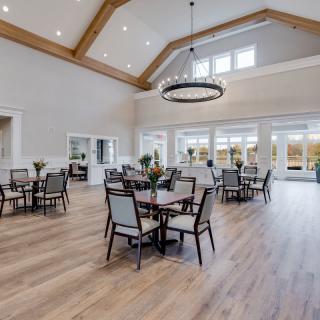
  • Indoor common areas Indoor common areasIndoor common areas are crucial for seniors as they provide a space for socialization, recreation, and community engagement, promoting overall well-being and reducing feelings of isolation and loneliness.
  • Outdoor common areas Outdoor common areasOutdoor common areas are important for seniors as they provide a space for socialization, physical activity, and relaxation. Being outside in nature can improve mood and overall well-being, while also encouraging movement and engagement with others. These spaces can help combat feelings of isolation and promote a sense of community among residents.
  • Private PrivatePrivacy is important for seniors as it allows them to maintain their independence, dignity, and sense of control over their own lives. It also gives them the space and freedom to relax, reflect, and engage in activities that bring them joy and fulfillment. Creating private spaces within senior living facilities is crucial for promoting overall well-being and quality of life.
  • Respite or short term stays offered Respite or short term stays offeredRespite or short term stays provide seniors with a temporary solution when their regular caregiver is unavailable, offering them the opportunity to receive additional care and support during times of need, while also giving caregivers a chance to rest and recharge.
  • Wheelchair accessible showers Wheelchair accessible showersWheelchair accessible showers are crucial for seniors as they provide a safe and independent bathing option for those with mobility challenges. These showers help prevent falls and allow seniors to maintain their dignity and autonomy while ensuring they can bathe comfortably.

Transportation

  • Minneapolis-St Paul International (13 miles away) Minneapolis-St Paul International (13 miles away)

Care Services

  • Diabetic care Diabetic careDiabetic care is crucial for seniors as they are more susceptible to developing diabetes due to aging and other health conditions. Proper management of diabetes can help prevent complications such as heart disease, vision loss, and nerve damage, improving the overall quality of life for seniors in senior living communities.
  • High acuity care High acuity careHigh acuity care is important for seniors because it provides specialized medical attention and support for individuals with complex medical needs. This level of care ensures that seniors receive the appropriate treatment and assistance to maintain their health and quality of life as they age.
  • Incontinence care Incontinence careIncontinence care is essential for seniors to maintain their dignity, hygiene, and overall quality of life. By addressing incontinence issues promptly and effectively, seniors can enjoy a sense of independence and comfort in their daily activities.
  • Medication management Medication managementMedication management is crucial for seniors to ensure they are taking the right medications at the correct dosages and times. This helps prevent adverse drug interactions, reduces the risk of medication errors, and promotes overall health and well-being. Proactive management also allows for adjustments as needed based on changing health conditions or new prescriptions.

Dining

  • Meals provided Meals provided"Meals provided" are crucial for seniors in assisted living communities as it ensures they have access to nutritious, balanced meals without the stress of meal planning and preparation. This can help promote overall health and well-being for seniors who may have limited mobility or cognitive abilities.

Activities

  • Activities off-site Activities off-siteEngaging in off-site activities is crucial for seniors to maintain social connections, stay active, and stimulate their minds. It promotes overall well-being and helps combat feelings of isolation and loneliness.
  • Activities on-site Activities on-siteActivities on-site are important for seniors because they provide opportunities for socialization, mental stimulation, physical activity, and overall well-being. Engaging in activities can help seniors stay active, maintain their independence, and improve their quality of life.
  • Devotional activities offsite Devotional activities offsiteDevotional activities offsite are important for seniors because they provide social engagement, spiritual growth, and a sense of community outside of their living environment. This can improve overall well-being, mental health, and combat feelings of isolation or loneliness.
  • Devotional activities on-site Devotional activities on-siteDevotional activities on-site provide seniors with a sense of community, spiritual fulfillment, and emotional support, promoting overall well-being and a positive sense of purpose in their lives.

Description

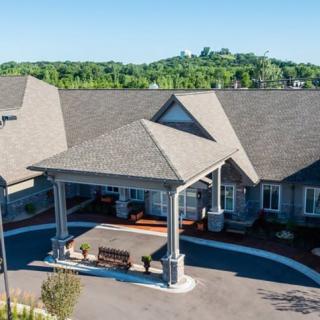
Minnetonka Assisted Living and Hospice is a senior living community located in the charming city of Minnetonka, MN. We specialize in providing Memory Care services for individuals who require specialized care and assistance due to memory-related conditions.

At our community, residents will enjoy a comfortable and supportive environment that promotes their overall well-being. Our dedicated staff is trained to provide high acuity care, ensuring that each resident receives personalized attention tailored to their specific needs. In addition, we offer incontinence care and medication management services to ensure the safety and health of our residents.

To enhance the quality of life for our residents, we provide a variety of engaging activities both on-site and off-site. These include devotional services that can be enjoyed within our community or at nearby places of worship. Our indoor common areas offer opportunities for socializing with fellow residents, while the outdoor common areas allow for fresh air and relaxation amidst beautiful surroundings.

We understand the importance of convenience for our residents, which is why we are pleased to have several amenities located nearby. Cafes, parks, pharmacies, physicians' offices, restaurants, and places of worship are all within close proximity to our community, making it easy for residents to access services and enjoy outings.

When it comes to accommodations, we offer private rooms where residents can create a personal space that feels like home. For those who need short-term stays or respite care options, we have flexible options available to meet their needs. Our facilities also feature wheelchair-accessible showers to ensure comfort and safety for all.

At Minnetonka Assisted Living and Hospice, we strive to provide exceptional care in an inviting environment where seniors can thrive and live their best lives. We invite you to visit us and discover how our community can be the perfect fit for your loved one's memory care needs.

Nearby Places of Interest

This part of Minnetonka, Minnesota offers a variety of amenities for seniors looking to live in a vibrant and convenient area. With a selection of restaurants ranging from casual dining at Duke's On 7 to upscale options like The Cheesecake Factory and Kona Grill, there are plenty of dining choices to suit different tastes. Additionally, there are several pharmacies nearby for easy access to medication and health supplies. For spiritual well-being, there are multiple places of worship such as St Therese of Deephaven and Shepherd of the Hills Lutheran Church. In terms of healthcare, there are reputable physicians and hospitals in the vicinity offering quality medical care. Outdoor enthusiasts can enjoy the nearby parks like Aquila Park and Parkers Lake Park for leisurely walks or picnics. Lastly, cafes like Angel Food Bakery & Coffee Bar provide cozy spots for socializing or enjoying a cup of coffee. Overall, this area offers a balanced mix of amenities that cater to various needs for senior living in Minnetonjsonnesota.

Restaurants

  • Duke's On 7 (0.7 miles)
  • Taco Teresa's (3 miles)
  • The Cheesecake Factory (3.2 miles)
  • Kona Grill (3.2 miles)
  • COV Wayzata (3.6 miles)
  • McCormick's Pub & Restaurant (3.7 miles)
  • BLVD Kitchen & Bar (3.7 miles)

Pharmacies

  • Walgreens (2 miles)
  • Love Shack (2.3 miles)
  • Walgreens (2.3 miles)
  • Walgreens (3.5 miles)
  • Walgreens (4.5 miles)
  • Walgreens (5.2 miles)
  • CVS Pharmacy (5.2 miles)

Places of Worship

  • St Therese of Deephaven (2.4 miles)
  • Shepherd of the Hills Lutheran Church (4 miles)
  • Grace Church (6.4 miles)

Physicians

  • Children's Hospitals and Clinics of Minnesota's Ear, Nose and Throat (2.5 miles)
  • Ellgaard Annemarie Park Nicollet Clinic Carlson Parkway Minnetonka (3.2 miles)
  • Metropolitan Dermatology & Cutaneous Surgery PA (3.5 miles)
  • Northwest Family Physicians Plymouth (5 miles)
  • MN Otolaryngology (5.4 miles)
  • Park Nicollet Clinic (5.5 miles)
  • Pinnacle Dermatology- Excelsior (5.7 miles)

Parks

  • Aquila Park (4.2 miles)
  • Parkers Lake Park (4.8 miles)
  • Bandimere Heights Park (5.6 miles)
  • Dakota Dog Park (5.7 miles)
  • McGuire Park (5.8 miles)
  • Lake Ann Park (6.1 miles)
  • Lake Susan Park (6.4 miles)

Cafes

  • Angel Food Bakery & Coffee Bar (4.4 miles)
  • Panera Bread (5.7 miles)
  • Caribou Coffee (6 miles)
  • Jinx Tea (6.8 miles)
  • Starbucks (7.9 miles)

Hospitals

  • Park Nicollet Methodist Hospital (5.1 miles)
  • Abbott Northwestern Center For Outpatient Care (5.8 miles)
  • Plymouth Surgery Center (6.8 miles)
  • Fairview Southdale Hospital (7.4 miles)
  • Regency Hospital (7.9 miles)
  • Wedge Industries (7.9 miles)

Theaters

  • 0705 Amc Southdale 16 (7.6 miles)

Frequently Asked Questions

How much does it cost to live at Minnetonka Assisted Living and Hospice in Minnetonka, MN?
Where is Minnetonka Assisted Living and Hospice?
Does Minnetonka Assisted Living and Hospice provide care for residents with dementia or Alzheimer's disease?

Nearby Communities

  • Minnetonka Assisted Living

    Minnetonka Assisted Living

    Minnetonka, MN

     
    $7,000 / month

    pro 24/7 supervision with memory care options and personalized support.

  • Merry Lake

    Merry Lake

    Minnetonka, MN


    pro Comprehensive care and robust amenities in a well-appointed setting.

  • Morning Glory Homes

    Morning Glory Homes

    Minnetonka, MN

    5 from 1 review
     

    pro Small, intimate setting enabling personalized care.

  • Generation Care

    Generation Care

    Minnetonka, MN


    pro Small, intimate community with 24/7 supervision and comprehensive care services.

  • Nurturing Care Residence

    Nurturing Care Residence

    Minnetonka, MN

    5 from 2 reviews
     

    pro Intimate six-resident setting with high staff-to-resident ratio and dementia-focused leadership.

  • Nurturing Care

    Nurturing Care

    Minnetonka, MN

    4.5 from 4 reviews
    $6,000 / month

    pro Friendly staff and regular family updates

  • Landings Of Minnetonka

    Landings Of Minnetonka

    Minnetonka, MN

    4.2 from 52 reviews
     

    pro Helpful, cooperative staff with engaging daily activities and good dining.

  • Emerald Crest of Minnetonka

    Emerald Crest of Minnetonka

    Minnetonka, MN

    3.7 from 19 reviews
    $3,570 to $3,980 / month

    pro Caring staff with a home-like environment and engaging activities.

  • Elder Homestead

    Elder Homestead

    Minnetonka, MN

    4.3 from 59 reviews
    $3,235 to $3,545 / month

    pro Friendly, attentive staff with good family communication and solid value for care.

Related Resources

  • does my mom have dementia quizFive Subtle Dementia Indicators to Observe: An In-Depth Guide to Understanding “Does My Mom Have Dementia?”
    The article presents five subtle indicators of dementia, such as memory lapses and mood swings, to help families assess cognitive decline in loved ones. It emphasizes early detection, open communication, and seeking professional help while providing practical support steps.

  • dementia paranoiaDementia, Paranoia, and Caregiver Guidance: Understanding the Connection

    Dementia encompasses progressive neurological disorders that impair cognitive functions and can lead to paranoia due to cognitive decline and emotional changes. The article discusses the triggers of paranoia in dementia, caregiver strategies for managing it, and the importance of distinguishing between dementia-related paranoia and other psychiatric conditions.

  • memory care activitiesEngaging Memory Care Activities That Enhance Quality of Life

    Memory care activities are essential for improving the quality of life of seniors with cognitive impairments, as they stimulate cognitive function, promote well-being, and encourage social interaction through tailored strategies. These activities combine structured exercises with spontaneous tasks, sensory engagement, physical workouts, creative pursuits, and intergenerational interactions to enhance emotional connection and a sense of purpose.