
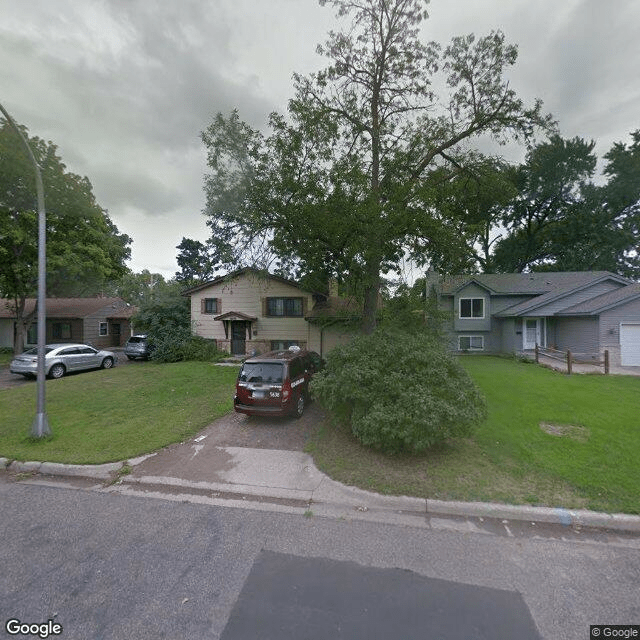
6711 14th Avenue, Richfield, MN 55423
To contact a resident: (952) 955-7778
For more information about senior living options: (866) 208-4318
Helping Hands Group Home Costs & Pricing
Helping Hands Group Home offers competitive pricing for its residents, particularly when compared to regional and state averages. For a semi-private room, the monthly cost at Helping Hands is $3,000, which is significantly lower than Hennepin County's average of $4,356 and Minnesota's statewide average of $4,051. However, for those seeking a one-bedroom accommodation, the costs shift; Helping Hands charges $6,000 per month - substantially higher than both Hennepin County's average of $3,550 and Minnesota's state average of $2,893. This pricing structure reflects the unique offerings and services provided by Helping Hands Group Home while highlighting the value it delivers in a competitive landscape.
| Floor plans | Helping Hands Group Home | Hennepin County | Minnesota |
|---|---|---|---|
| Semi-Private | $3,000 | $4,356 | $4,051 |
| 1 Bedroom | $6,000 | $3,550 | $2,893 |
Memory care communities with a similar price nearby
-
About the same
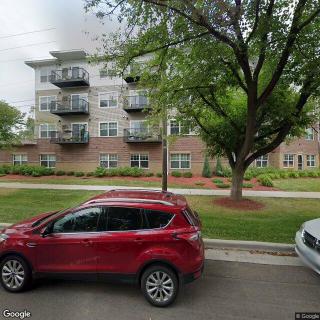
Highland on Graham
$3,000 to $4,000 / month3.8 miles away -
from -$300 / mo

Trouvaille Memory Care Suites
$2,700 to $3,700 / month16.0 miles away -
from -$173 / mo
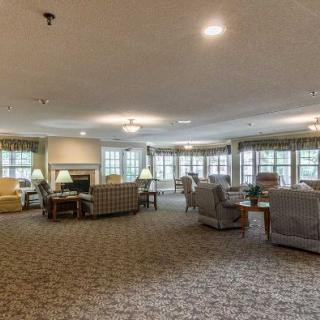
New Perspective Mahtomedi
$2,827 to $4,076 / month19.3 miles away -
from +$200 / mo

Carver Ridge Senior Living
$3,200 to $4,800 / month20.6 miles away -
from -$200 / mo
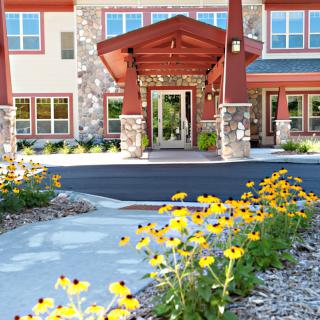
Trails of Orono
$2,800 to $3,790 / month15.8 miles away
Overall Review of Helping Hands Group Home
Pros
 The accommodations are very good.
- The staff members are positive, always there and eager to serve guests' needs.
- There is laughter and good food.
- Fatima, Jama, and their staff are welcoming and efficient.
- People love this place and miss everyone here.
Cons
 One reviewer claims this is not a good place.
- The reviewer alleges that staff members have stolen medications.
- They state they were left alone by the staff.
- They claim staff attempted to feed them raw meat.
- They allege $400 disappeared from their room while they were in the hospital.
- They claim staff sprayed their TV and refused to fix it.
- They contend that most staff cannot understand English.
Review
Helping Hands Group Home in Richfield is best suited for seniors who want a small, intimate setting where personal attention is palpable every day. Families drawn to a warm, homey environment, where staff are consistently present and motivated to accommodate daily needs, will find this community appealing. The strongest real-world signal is the emphasis on cheerful, welcoming service; residents report continuous laughter, solid meals, and staff, especially Fatima and Jama, who are described as efficient and approachable. This is not a cold, corporate atmosphere; it is a place where everyday interactions feel personal, and where neighbors form a sense of belonging. For someone who values visibility of staff and regular social engagement over large-scale programming, this community lines up well.
Nonetheless, potential residents should explicitly consider alternatives if medical complexity or strict safety protocols are non-negotiable. One detailed review paints a stark contrast: alleged medication theft, unexplained cash loss, unsafe dining practices, and a sense of neglect when hospitalizing; coupled with concerns about language barriers and unresponsiveness to fix reported issues. While this may reflect a single bad experience, it signals real risk areas: medication administration, trust in staff, and communication with diverse residents. For seniors requiring dependable nursing oversight, memory-care safeguards, or multilingual staff with formal training, a larger, more regulated setting could be a better fit.
On the positive side, the main advantages here are palpable and meaningful. Accommodations are described as very good, and staff consistently come across as eager to service resident needs. The daily atmosphere fosters laughter and social connection, with meals rated as a bright spot. For many families, those factors translate into tangible quality of life, especially for residents who thrive on routine, familiar faces, and a sense of community. These strengths help offset the need for constant professional medical intervention when the person primarily requires companionship, basic daily assistance, and a stable, predictable environment.
To decide with confidence, a structured due diligence approach is essential. Prospective residents should tour the home, observe how staff interact with residents, and note how quickly questions are answered. Probe the facility’s medication protocol, incident reporting, and how grievances are addressed. Confirm language capabilities and whether translators or bilingual staff are available if needed. Review meal plans, activity calendars, and transportation options to ensure alignment with personal routines. Finally, request written policies on safety, privacy, and how the home responds to unexpected healthcare needs, so concerns can be weighed against the lived-positive experiences.
When comparing with alternatives, the decision often narrows to the level of medical support and security required. If a resident needs around-the-clock licensed nursing, memory-care supervision, or robust safety protocols, a larger assisted-living option or a dedicated memory-care unit may deliver more peace of mind. For families seeking a close-knit, less institutional feel and who can tolerate potential trade-offs in formal oversight, Helping Hands Group Home offers compelling value. Price, transparency, and the ability to verify staff qualifications should anchor the evaluation, with a clear plan for how care needs will scale if health status changes.
The bottom-line recommendation centers on fit. For seniors pursuing a warm, neighborly atmosphere with accessible staff and enjoyable social routines, and where the risk profile is understood and actively managed, Helping Hands Group Home warrants earnest consideration. If the resident’s care needs exceed what the home is equipped to safely and consistently provide, or if language barriers and documented safety concerns cannot be resolved through assurances and policy, families should pursue alternatives. A structured visit, direct conversations with current residents or families, and a crisp plan for monitoring care will convert uncertainty into a confident, practical choice.
 Board and Care Home
 Memory Care
 Devotional services off-site
 Respite or short term stays offered
 Minneapolis-St Paul International (2 miles away)
 Ambulatory care
 Diabetic care
 High acuity care
 Incontinence care
 Medication management


 Dementia, Paranoia, and Caregiver Guidance: Understanding the Connection
 Engaging Memory Care Activities That Enhance Quality of Life
 When to Transition from Assisted Living to Memory Care: Key Indicators, Steps, and Finding the Right Community