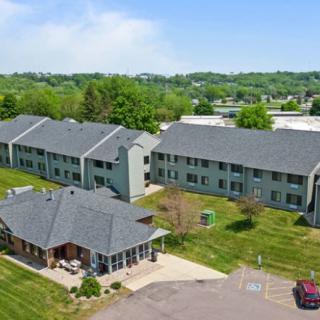

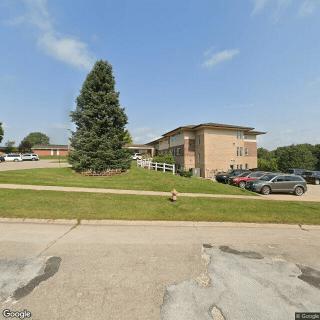
601 West Jackson, Jackson, MN 56143
For more information about senior living options: (866) 208-4318
Overall Review of Good Samaritan Society - Jackson
Pros
 The Pines in Jackson is a lovely and vibrant community for seniors.
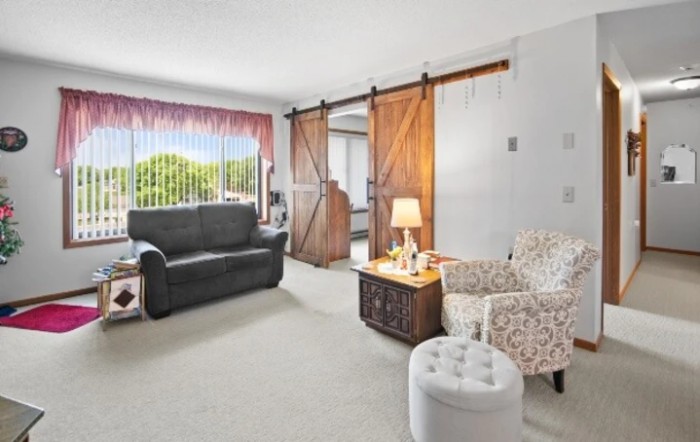
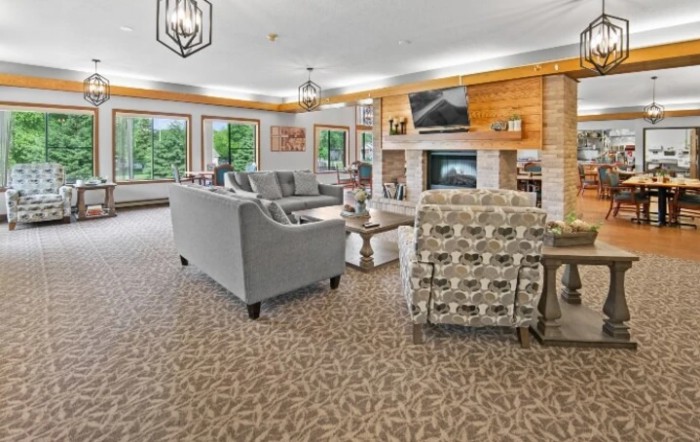
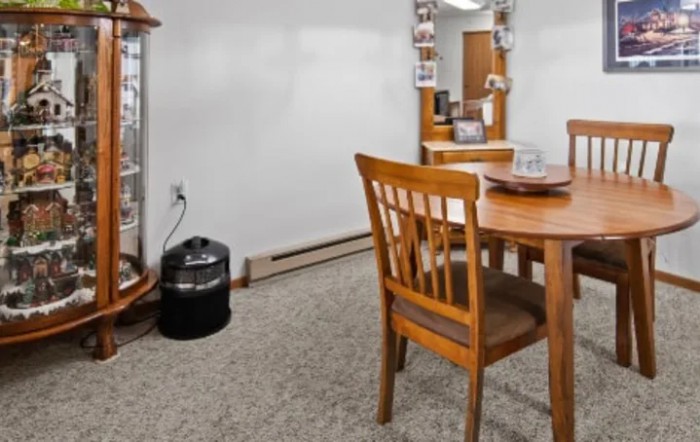
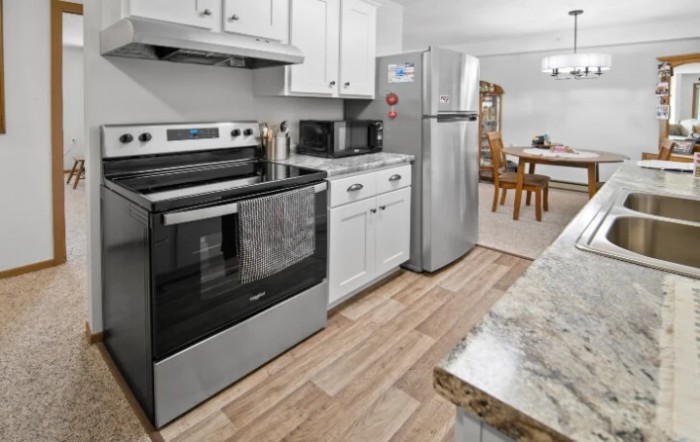
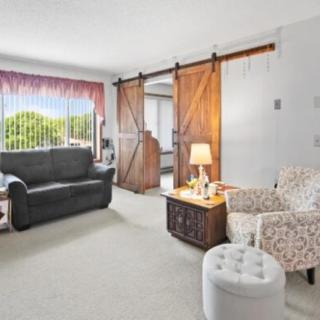
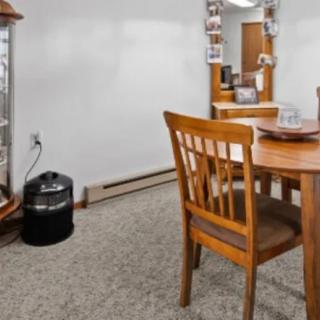
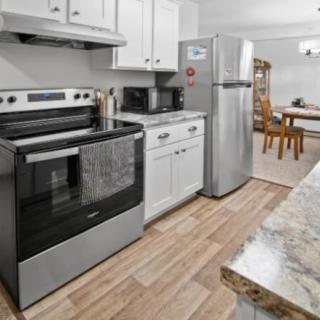
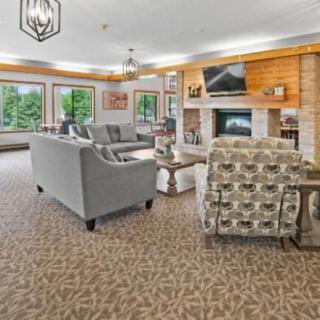
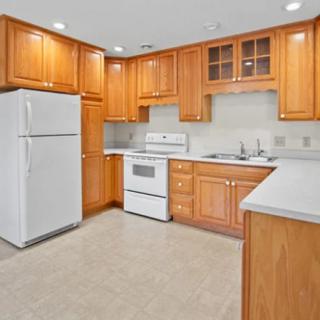
- The Pines offers meal plan options, a variety of activities, friendly people, and beautiful apartments.
- The staff is extremely friendly and knows everyone by name.
- She is part of an extended family there.
- The home is kept extremely clean.
- They keep the residents extremely active and entertained.
- She seems to enjoy the events involving local elementary students.
- Her room has a comfortable feel, and she has enjoyed her time there.
- She always seems to be in good spirits.
Cons
 It was tough to see her have to go to one.
Review
Good Samaritan Society in Jackson is best suited for seniors and families who want a warm, neighborly small-town atmosphere where staff treat residents like extended family, and where daily life centers on social engagement, comfort, and straightforward, reliable care. The reviews highlight a vibrant community that keeps residents physically and socially active, with a strong emphasis on personal connections, staff who know residents by name, rooms and common areas kept in clean, welcoming condition, and a consistent flow of activities and events that invite participation. For families seeking a real sense of belonging, where a grandmother or parent can settle into an environment that feels like “home,” this community stands out as a clear fit.
Those considering alternatives should note a practical caveat: the town setting implies a more limited, though adequate, range of specialized medical resources and urban conveniences compared to larger metros. While the sentiment in the reviews is overwhelmingly positive about daily life, there is no explicit focus on high-acuity medical services, memory-care specialty programs, or broad on-site clinical options. Families with residents who require intensive clinical oversight or frequent access to specialized healthcare may want to compare with larger facilities that advertise broader clinical staff and more expansive service menus. In short, this is less about care gaps and more about aligning expectations with a small-town, community-centric model.
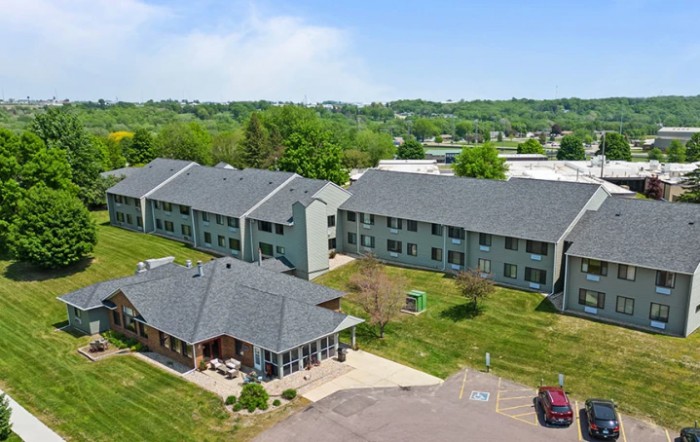
The strongest pros roll up into the social fabric and daily livability of the community. The staff is described as exceptionally friendly, with a culture of familiarity that makes residents feel seen and valued. The sense of belonging is reinforced by the communal routines: activities are plentiful, varied, and designed to keep residents engaged; meals are plentiful and tested as “typical” for independent-living seniors, with options that accommodate different tastes and routines. Beautiful apartments and a clean, well-maintained environment reinforce a sense of pride in the place and contribute to a calm, comfortable living experience. The involvement of local youth and elementary students in events adds an uplifting intergenerational thread, giving residents meaningful opportunities to participate in the broader life of Jackson.
In weighing benefits against potential downsides, the key pros effectively offset the most common concerns families voice when choosing a community. Social isolation and loneliness often weigh heavily in decision-making; here, the robust calendar of activities and the persistent social warmth from staff mitigate that risk by fostering genuine daily interactions. Cleanliness and a well-kept physical space translate into peace of mind around health and comfort, while the resident-centered approach, where staff know individuals’ names and preferences, reduces the friction associated with transitions into care. The combination of comfortable living quarters and an active, engaged resident community helps maintain a positive mood and overall satisfaction, which can be as important as formal care services for many seniors.
Visiting with a practical eye will yield the best insight. Prospective families should examine the activity calendar firsthand, observe how staff interact with residents, and solicit recent examples of engagement that align with a loved one’s interests, arts, music, exercise, or faith-based programs. It is wise to explore meal options in person, gauge the consistency of dining experiences, and ask about flexibility in scheduling and dietary accommodations. For families with residents who may progress to memory care or require specialized cognitive support, it is prudent to inquire about the availability and structure of such offerings, even if the current reviews do not emphasize them. Clarify transportation, housekeeping, and personal-care routines, as these practical details often determine day-to-day satisfaction.
Bottom-line recommendations crystallize around suitability for those who prize warmth, belonging, and an active social life in a compact, friendly setting. Good Samaritan Society in Jackson delivers on those fronts with a staff that feels like an extended family, a clean and comfortable physical environment, and programming that keeps residents lively, connected, and well-nourished. It is an especially strong fit for families prioritizing a home-like atmosphere where neighbors look out for one another and life remains richly social. For seniors whose needs center primarily on highly specialized medical oversight, rapid access to extensive clinical resources, or sophisticated memory-care programs, this community may be less ideal compared to larger facilities with a broader clinical footprint. In such cases, a careful comparison with alternatives that offer more intensive on-site medical services would be advisable.
 53 resident community capacity
 Memory Care
 Skilled Nursing Facility
 Air-conditioning
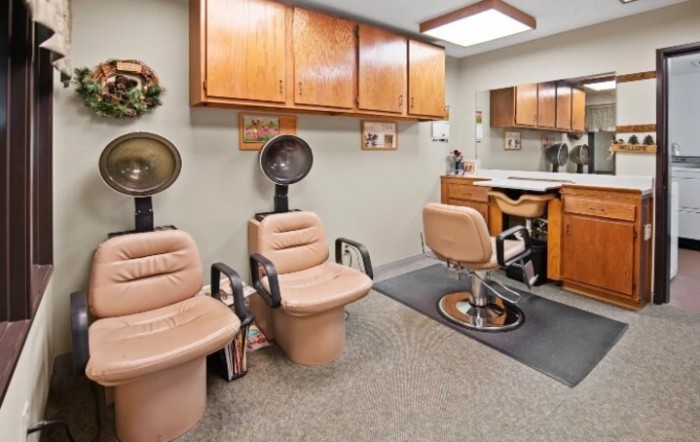
 Beauty salon
 Cable or satellite TV
 Computer center
 Dining room
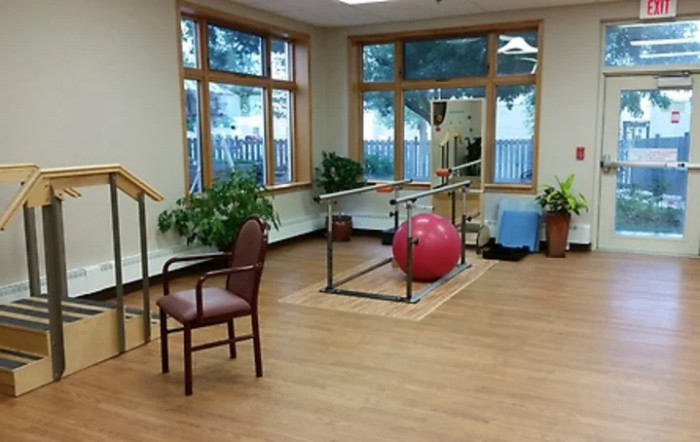
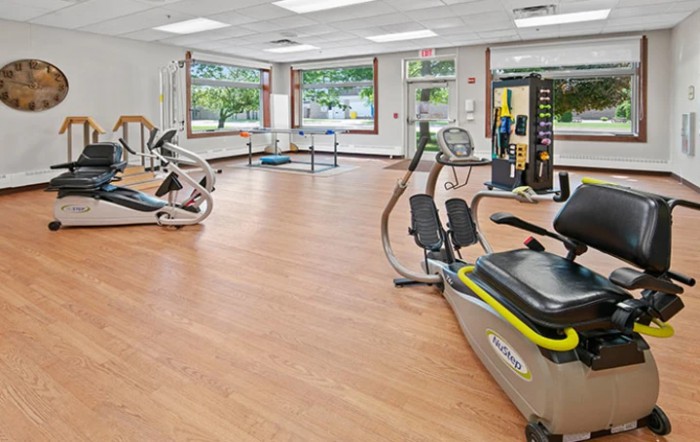
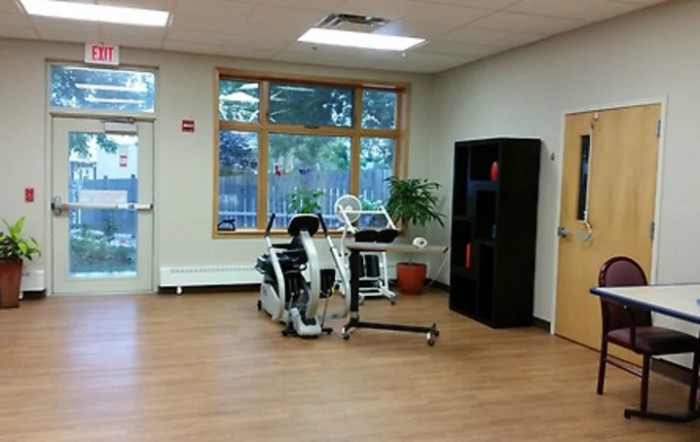
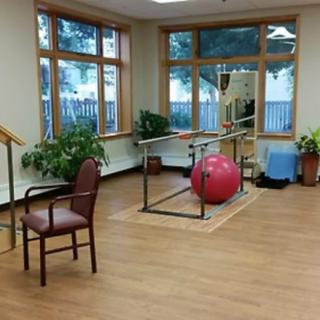
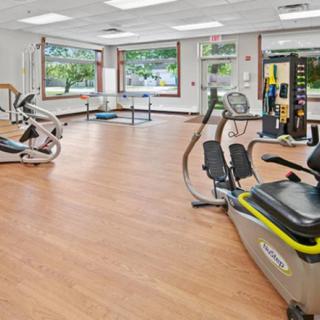
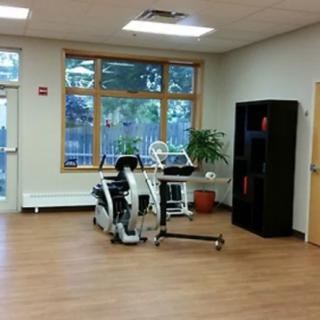
 Fitness room
 Fully furnished
 Gaming room
 Garden
 Housekeeping services
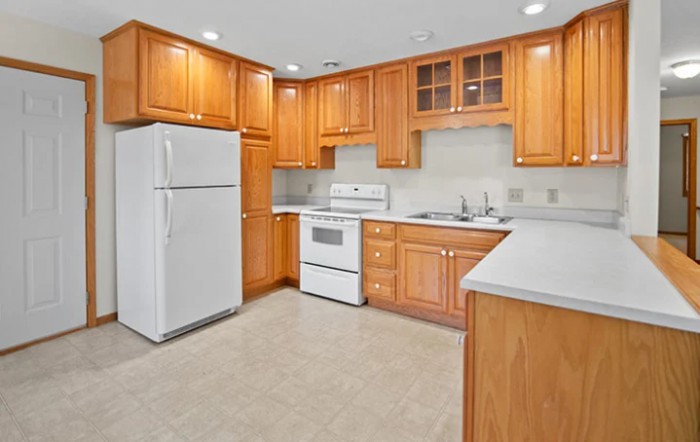
 Kitchenette
 Move-in coordination
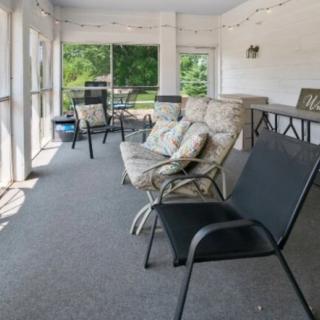
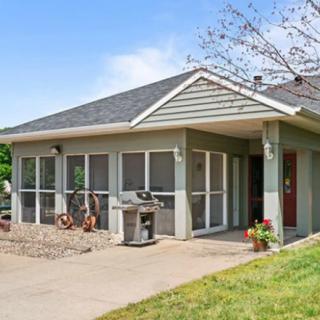
 Outdoor space
 Private bathrooms
 Restaurant-style dining
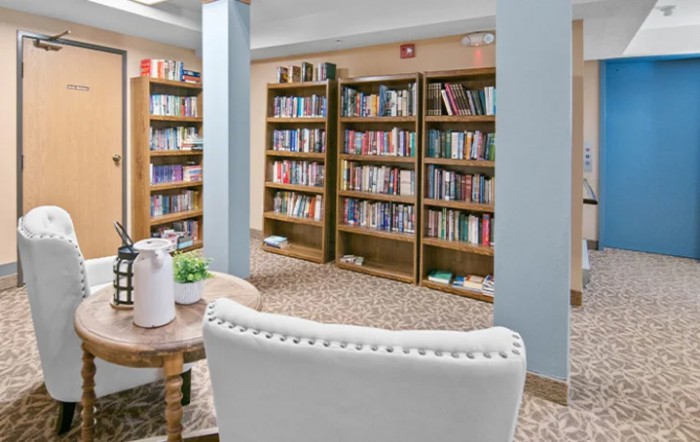
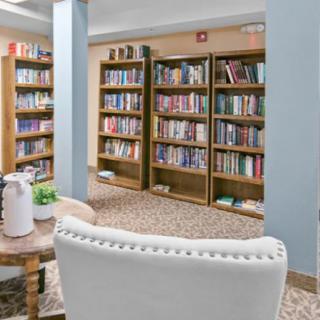
 Small library
 Telephone
 Wellness center
 Wi-Fi/high-speed internet available
 Community operated transportation
 12-16 hour nursing
 24-hour call system
 Activities of daily living assistance
 Assistance with bathing
 Assistance with dressing
 Assistance with transfers
 Diabetes diet
 Medication management
 Mental wellness program
 Special dietary restrictions
 Concierge services
 Planned day trips

 Dementia-Related Hallucinations: Causes, Experiences, and Practical Approaches
 Illuminating Insights About Alzheimer's Disease: Ten Crucial Realities
 A Thorough Discussion of Medications Potentially Linked to Dementia Risk