

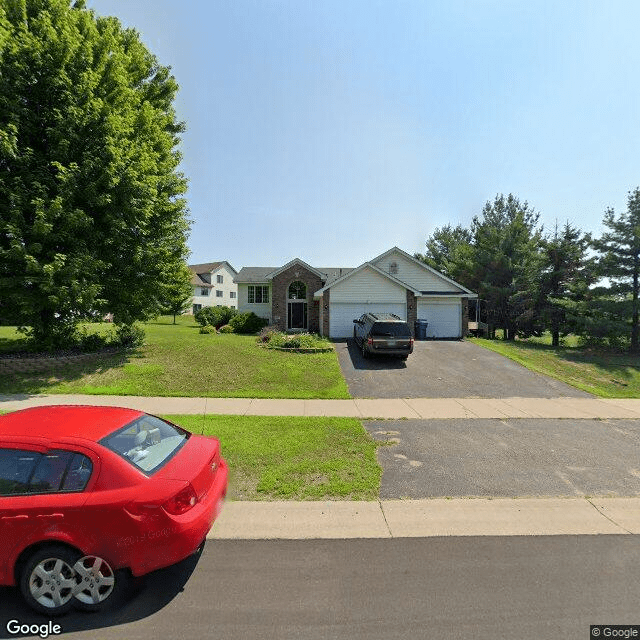
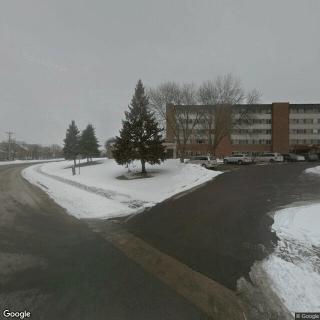
19309 Upland St NW, Elk River, MN 55330
To contact a resident: (763) 706-7300
For more information about senior living options: (866) 208-4318
Happy Heart Home Health Agency LLC Costs & Pricing
Happy Heart Home Health Agency LLC offers competitive pricing for its services compared to the state and county averages in Minnesota. For semi-private rooms, the agency charges $2,000 per month, significantly lower than both Wright County at $3,977 and the state average of $4,051. In terms of one-bedroom accommodations, Happy Heart's rate is $3,000, which exceeds Wright County's average of $2,322 but remains below the state's average of $2,893. The costs for private rooms are also set at $3,000 per month - this is more affordable than the country average of $4,904 and the state average of $5,090. Overall, Happy Heart positions itself as a cost-effective option while maintaining quality care in a competitive market.
| Floor plans | Happy Heart Home Health Agency LLC | Wright County | Minnesota |
|---|---|---|---|
| Semi-Private | $2,000 | $3,977 | $4,051 |
| 1 Bedroom | $3,000 | $2,322 | $2,893 |
| Private | $3,000 | $4,904 | $5,090 |
Memory care communities with a similar price nearby
-
from +$80 / mo
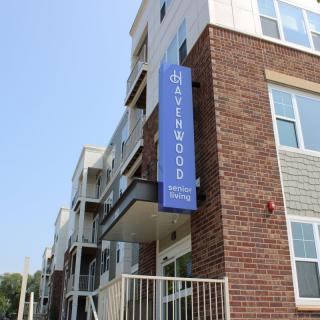
Havenwood of Buffalo
$2,080 to $3,665 / month17.4 miles away -
from -$296 / mo
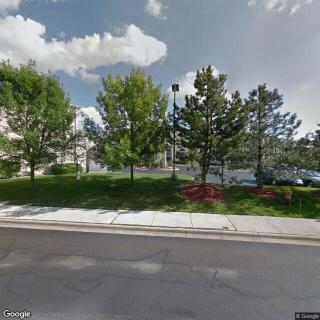
SummerWood of Plymouth
$1,704 to $3,945 / month21.3 miles away -
from +$105 / mo
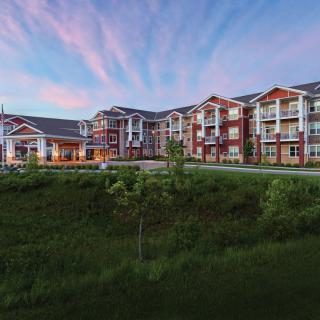
Autumn Glen Senior Living
$2,105 to $3,295 / month14.6 miles away -
About the same

The Waters Of Plymouth
$2,055 to $4,480 / month24.4 miles away -
from -$305 / mo
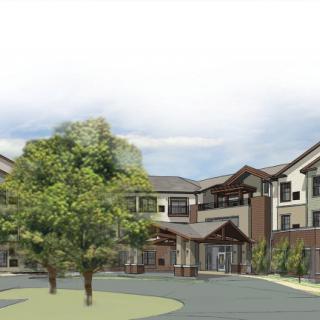
Okalee of Medina
$1,695 to $2,615 / month18.2 miles away
Overall Review of Happy Heart Home Health Agency LLC
Cons
 They claim Ebenezer Apts pressured them to surrender their social security income to Cynthia with promises that their needs would be met, which did not happen.
- They report ongoing grief since moving in.
- They allege they were told they were senile and delusional.
- They accuse staff of misplacing belongings and gifting items to friends, which were only returned after repeated requests.
- They describe the meals as leftovers heated up, not proper meals.
- They state their medical regimen requires about 30 pills a day, and that staff would not manage their medications, unlike at Ebenezer where a nurse arranged them.
- They say Happy Hearts requires them to learn to set up their own pills.
- They intend to move out, stating that even a homeless shelter would be better than Happy Hearts.
- They learned they must wait on a list to return to Ebenezer or other senior living places for up to a year.
- They would not have moved in if given the chance, having had to call the police on staff twice.
- They warn others not to bring loved ones to Happy Hearts, claiming their hearts will be far from happy.
Review
This community is best suited for seniors who can live largely independently and do not rely on daily nursing oversight, structured medication administration, or proactive crisis management. For anything beyond basic self-care, especially when medications, safety, and reliable meal service are factors, this setting is unlikely to meet expectations. Families should look elsewhere if the goal is consistent medication support, timely caregiving responses, and transparent governance.
People who may want to consider alternatives include those whose loved ones require regular nurse visits, help with arranging and administering pills, or trustworthy oversight of belongings and schedule adherence. Established assisted living communities with licensed nursing on site, or reputable home health agencies with documented protocols and stronger safeguards, are more appropriate for individuals needing dependable medical and daily living support. The absence of those core services here makes alternatives the prudent path.
The core concerns in this case are not minor inconveniences but fundamental care failures that undermine safety and dignity. The resident reports a pattern of mismanaged belongings, alleged theft, and slow or evasive communication when issues arose. Meals were described as improvised rather than nutritious, and crucial medication management shifted away from professional administration to the resident themselves. The combination of mishandled personal property, insufficient meal quality, and pared-back medication oversight creates a governance gap that jeopardizes health, security, and trust.
Equally troubling are safety and accountability signals: the situation reportedly escalated to conflict with the caregiver, required intervention by authorities, and a forced re-evaluation of housing options due to unresolved care concerns. When a caregiver asserts that a resident must learn to self-manage a complex medication regimen, and when a prior provider offered on-site nurse support that disappears in transition, the risk profile shifts decisively toward neglect rather than support. In a setting marketing itself as a home health-oriented option, these red flags compound quickly and erode confidence in the ability to respond effectively to medical or daily-living needs.
Families evaluating options should ground decisions in verifiable facts: licensure and state inspections, a clear, written care plan with medication administration protocols, and a transparent incident- and theft-report process. Prospective residents must insist on on-site nursing availability or a guaranteed caregiver-to-resident ratio, predictable meal programs, and a robust accountability framework, including background checks and supervisor oversight. If a transition into this type of service is considered, demand a formal trial period with explicit milestones, documented medication setup procedures, and a contingency plan should any caregiver be unavailable.
In sum, this community does not emerge well for anyone who requires reliable caregiving, medication management, or consistent daily oversight. The allegations and experiences described point to a pattern of care withdrawal, safety risks, and credibility gaps that outweigh whatever nominal conveniences might exist. For families prioritizing safety, transparency, and professional nursing support, exploration of established assisted living options or accredited home health services is strongly advised. The prudent path is to pursue providers with verifiable credentials, strong resident protections, and a track record of dependable, compassionate care.
 Board and Care Home
 Day Program
 Memory Care
 Dogs allowed
 Bath tubs
 Beautician on-site
 Devotional services off-site
 Indoor common areas
 Outdoor common areas
 Private
 Respite or short term stays offered
 Diabetic care
 High acuity care
 Incontinence care
 Medication management
 Kosher
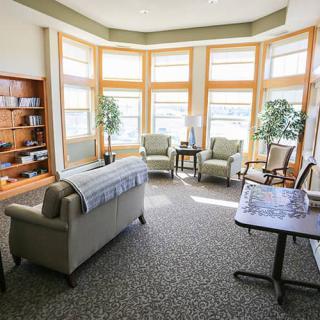
 Intimate 8-resident community with personalized care, meals, and medical coordination.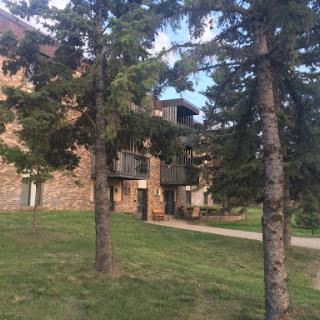

 Dementia-Related Hallucinations: Causes, Experiences, and Practical Approaches
 Illuminating Insights About Alzheimer's Disease: Ten Crucial Realities
 A Thorough Discussion of Medications Potentially Linked to Dementia Risk