

814 McKay Ave, Alexandria, MN 56308
To contact a resident: (320) 763-8244
For more information about senior living options: (866) 208-4318
Prairie Senior Cottages of Alexandria Costs & Pricing
Prairie Senior Cottages of Alexandria offers competitive pricing for its residents compared to the broader financial landscape of Pope County and the state of Minnesota. For a one-bedroom unit, the monthly cost is $750, significantly lower than the county average of $3,406 and the state average of $2,893, making it an attractive option for those seeking affordability. In terms of semi-private accommodations, Prairie's rate stands at $4,620, which aligns closely with Pope County's rate of $4,285 and is slightly higher than Minnesota's average of $4,051. Private rooms are priced at $5,130, which is above both the county's rate of $4,963 and the state's average price of $5,090. Overall, while Prairie Senior Cottages provides various accommodation types with differing costs that reflect both quality and community support, it clearly positions itself as an appealing choice within its local market.
| Floor plans | Prairie Senior Cottages of Alexandria | Pope County | Minnesota |
|---|---|---|---|
| 1 Bedroom | $750 | $3,406 | $2,893 |
| Semi-Private | $4,620 | $4,285 | $4,051 |
| Private | $5,130 | $4,963 | $5,090 |
Overall Review of Prairie Senior Cottages of Alexandria
Pros
 The community is described as very loving and caring, with engaging activities for residents.
- The tour was appreciated, and the remodeling at Autumn Cottages is well-received.
- The place is very nice, and the staff are amazing.
- The facility provides great attention to residents and respects their memory care needs; its small setting allows more time to spend with them.
- The staff are supportive and have a good sense of humor, ensuring residents have a good time.
- The staff were friendly and helpful, answered all questions, and the facility was nice and clean.
Cons
 This place is ridiculous, and the people are rude.
Review
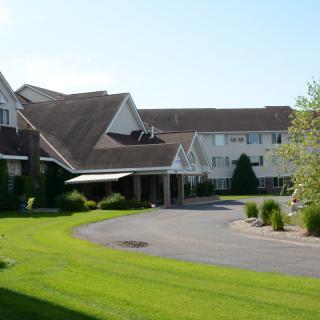
Prairie Senior Cottages of Alexandria is best suited for memory-care residents who thrive in a small, homelike environment where staff can deliver highly personalized care and families can participate in meaningful daily engagement. The community earns praise as a loving, caring setting where residents participate in a steady stream of activities tailored to memory-impaired needs. The memory-care focus is reinforced by a compact, small-setting floor plan that allows staff to spend ample time with each resident, a hallmark families notice and appreciate. Tour feedback notes ongoing remodeling, signaling a commitment to a housing environment that stays fresh and comfortable. For families seeking a warm, intimate atmosphere where caregivers know residents well, this is a compelling fit.
Who may want to consider alternatives? Those who prioritize private apartment living with rooms entirely in-suite and no shared bathroom layout may feel less satisfied here, since some rooms require sharing or have bathroom arrangements outside the resident's door. Availability can also be tight, one reviewer observed only a small room option during a tour, with the resident preferring an apartment. Families needing a broader range of independent-living options or a larger campus with more room configurations may find the footprint and floor plans limiting. In short, the setting excels for memory-care fidelity and personal attention, but those seeking apartment-style freedom or expansive spaces should compare other communities.
Key pros quoted by reviewers clearly offset the main drawbacks. The staff are described as attentive, respectful, and supportive, with a good sense of humor that helps keep residents cheerful. The small setting enables more time for interaction, closer relationships, and careful monitoring of memory-care routines, which translates into safer, more personalized care. Residents benefit from engaging activities and continuity in care, with families noting clean, well-maintained spaces and visible remodeling progress. The downside appears as a single negative comment about staff demeanor; while not universal, this caution invites prospective families to observe firsthand during tours and ask direct questions about daily interactions and tone.
Remodeling momentum matters. The visible upgrades suggest a facility investing in its living spaces, which matters for comfort and daily quality of life. Cleanliness and a neat appearance reinforce trust and ease during transitions, vital factors when memory care residents require predictable routines. Tours consistently reveal friendly, responsive team members who answer questions and offer clear explanations of care approaches, reinforcing confidence for families weighing the transition. However, the combination of small rooms and a preference for private apartments can keep some families looking for alternatives until they see a layout that matches their expectations. This is a place that prioritizes people over spectacle, with room configurations that fit its intimate model.
Decision-making guidance for families starts with a clear picture of needs. If memory-care needs are primary and a warm, tightly knit community is valued, Prairie Senior Cottages offers strong alignment. Confirm the specific room types available, especially regarding private en-suite options versus shared baths, and verify whether there are upcoming vacancies that meet private-room expectations. Ask about routine structures, activity calendars, family involvement, and care-consistency, elements that matter greatly in memory care. Compare against other local memory-care-focused communities to gauge whether the small-setting approach, staff personality, and remodeling progress align with the senior's comfort and safety thresholds. The right choice will balance intimacy with practical living preferences.
Bottom line: for families evaluating memory-care with a homey, attentive vibe and an emphasis on meaningful daily engagement, Prairie Senior Cottages of Alexandria is a credible, well-regarded option. It delivers dependable staff, a respectful atmosphere, and a calm, small setting that can reduce confusion and anxiety for residents. Those who prize apartment-style privacy, larger campuses, or expansive activity offerings should systematically review alternatives to ensure full alignment with expectations. The recommended next step is to schedule in-depth tours, meet direct care staff, tour multiple room configurations, and verify how roommate and bathroom layouts are handled. When the fit is right, the intimate model becomes a real asset for memory-care stability and family peace of mind.
 Board and Care Home
 Memory Care
 Activities off-site
 Private
 Ambulatory care
 Diabetic care
 Incontinence care
 Medication management

 When Dementia Sparks Anger and Aggression: Understanding the Connection and Ways to Cope
 Dementia Behaviors: In-Depth Understanding and Effective Coping Strategies
 5 Early Indicators of Dementia and What You Can Do