
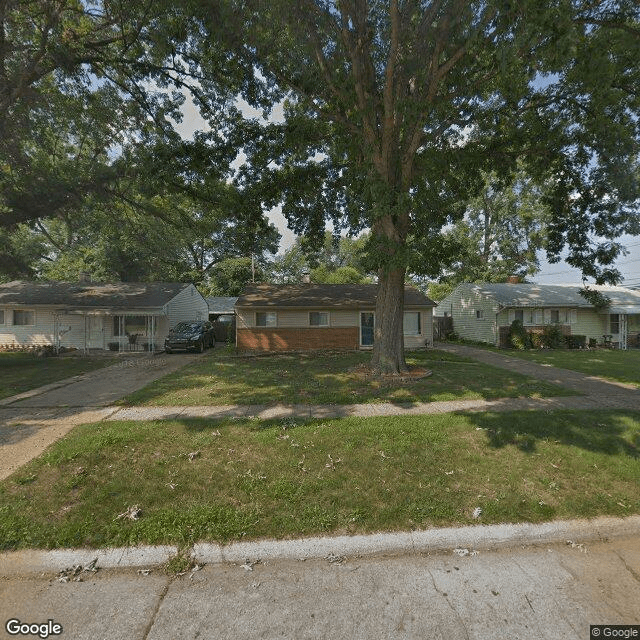
35026 Fairchild, Westland, MI 48186
To contact a resident: (734) 721-3424
For more information about senior living options: (866) 208-4318
Tender Loving Home Kare Costs & Pricing
Tender Loving Home Kare offers a semi-private room at a competitive rate of $2,500 per month, positioning itself as an affordable option compared to the average costs in Wayne County and across Michigan. In Wayne County, the average monthly cost for a semi-private room is approximately $2,860, while the state-wide average stands at around $3,191. This pricing strategy not only highlights Tender Loving Home Kare's commitment to providing quality care but also reflects its dedication to accessibility for families seeking supportive living arrangements for their loved ones. By maintaining lower costs than both county and state averages, Tender Loving Home Kare ensures that residents receive compassionate care without the financial burden often associated with similar facilities.
| Floor plans | Tender Loving Home Kare | Wayne County | Michigan |
|---|---|---|---|
| Semi-Private | $2,500 | $2,860 | $3,189 |
Memory care communities with a similar price nearby
-
from -$225 / mo
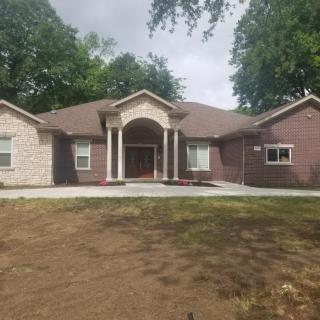
Pleasant Valley Family Care
$2,275 to $7,000 / month13.8 miles away -
from +$300 / mo
Sasse Par View Home
$2,800 to $3,600 / month14.4 miles away -
from -$250 / mo

Sunrise Assisted Living of Bloomfield
$2,250 to $4,714 / month21.6 miles away -
from -$485 / mo

Fairmont Senior Living of Farmington Hills
$2,015 to $3,935 / month15.0 miles away -
from -$200 / mo
Orchard Hills Manor
$2,300 to $3,300 / month16.1 miles away
Overall Review of Tender Loving Home Kare
Cons
 They say this place should never be suggested to anyone.
- They claim the facility does not take care of patients properly.
- They report their grandma could leave three times after a heart attack and once after a fall that split her chin.
- They assert the promised 3 meals, snacks, and fruits vanish because staff take them or give them to other residents.
- They say workers do as little as possible and do not care about residents.
- They allege their grandma was left in bed and force-fed food she could not chew.
- They note toenails were not trimmed, dry skin left untreated, and eye care neglected.
- They claim Tender Loving Care is a sham and the facility exists only to collect a paycheck; they urge others not to consider it.
Review
Tender Loving Home Kare in Westland, MI is not a fit for the typical senior who requires dependable, attentive care. The clear takeaway is that this community should be considered only as a last resort, and only if a family can commit to daily, hands-on oversight and rapid escalation of any issues. In practice, reliable care hinges on consistent staff responsiveness, vigilant supervision, and a culture of resident safety, elements that the available account suggests are missing. For most families facing a move, other options with proven track records of trained staff, structured routines, and transparent care protocols are the realistic path forward.
Those weighing alternatives should target facilities with strong memory-care credentials, adequate staff-to-resident ratios, and explicit safety and hygiene standards. Look for communities where care plans are updated promptly, where medication management is tightly controlled, and where caregivers are trained to assist with mobility without compromising safety. Avoid environments where family oversight is expected to compensate for systemic gaps in daily care, where personal hygiene tasks are routinely deferred, or where there is evidence of neglect or mismanagement. In short, prioritize facilities that demonstrate consistent, documented attentiveness to both medical and daily living needs.
On the balance of the reported experience, there are essentially no redeeming pros to offset the significant concerns. The narrative centers on failures in basic care: residents being left unattended, the potential for dangerous exits by a person with serious cardiac history, and a pattern of inadequate attention to nutrition and hydration. The account casts doubt on even the most fundamental assurances, three meals, snacks, and fruits, citing actual use of supplies for others and a lack of reliable meal provision. If any positive attribute existed, it remains unsubstantiated in the reported evaluation, leaving the overall impression of care that fails to meet standard expectations for assisted living or memory-care environments.
The most conspicuous risks lie in safety, hygiene, and medical oversight. Allegations include repeated opportunities for a resident to leave the building after a heart event, a serious fall, and neglect in basic wound and skin care. Personal hygiene tasks, nail trimming, skin conditioning, and eye care, are described as neglected, with basic eye drops and cleansing not consistently provided. The report also notes improper use of supplies and a lack of cleaning after accidents, as well as concerns about forced feeding and inadequate attention to prescribed treatments. Taken together, these points depict an environment where preventing harm hinges on external intervention rather than internal safeguards.
To make a sound decision, families should conduct rigorous due diligence, with an emphasis on concrete, verifiable measures. Request a current, written care plan for any potential resident, including frequency of nursing checks, meal assistance protocol, and incident reporting procedures. Schedule unannounced visits to observe staff interactions, meal service, and medication administration. Speak directly with the executive director about staffing patterns, turnover, training, and quality-control processes, and obtain copies of recent state inspections and any corrective-action plans. If possible, talk to other families about their experiences, and verify whether there is a consistent, credible response to concerns and a documented performance improvement trajectory.
In the end, the prudent conclusion is to pursue alternatives aggressively. The severity of the cited concerns, safety lapses, hygiene neglect, and questionable medical support, outweigh any potential convenience or cost considerations. For families navigating a transition where a loved one requires integrated memory-care and reliable daily care, facilities with proven staff accountability, strong clinical oversight, and transparent, resident-centered routines represent the safer, smarter choice. If Tender Loving Home Kare remains under consideration, prepare for an intensive oversight plan, a clear escalation path, and a readiness to move promptly if care standards do not improve.
 Board and Care Home
 Memory Care
 Activities off-site
 Bath tubs
 Beautician on-site
 Devotional services off-site
 Indoor common areas
 Outdoor common areas
 Respite or short term stays offered
 Detroit Metropolitan-Wayne County (6 miles away)
 Ambulatory care
 Diabetic care
 High acuity care
 Incontinence care
 Meals provided
 Small, personalized board-and-care with comprehensive ADL support and healthcare coordination.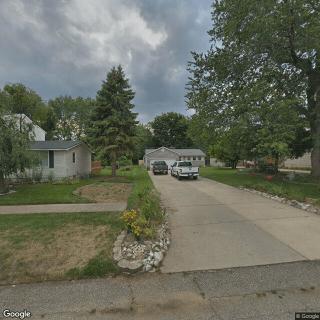

 A Detailed Exploration of Assisted Living Medicaid Waivers Across the United States
 Exploring the Contrasts Between Assisted Living and Skilled Nursing
 Vibrant Senior Living: A Comprehensive Guide for Active Older Adults