
25345 Haskell St, Taylor, MI 48180
To contact a resident: (734) 846-2551
For more information about senior living options: (866) 208-4318
A Heart that Cares Family Home Costs & Pricing
A Heart that Cares Family Home presents a range of monthly costs for its residents, reflecting the quality of care and personalized services offered. For those opting for a private room, the monthly fee is $4,800, which is notably higher than the average rates in Wayne County at $3,335 and across Michigan at $3,675. Similarly, the semi-private room also carries a cost of $4,800, significantly exceeding Wayne County's average of $2,860 and Michigan's average of $3,191. For residents seeking a one-bedroom option, the fee is set at $5,500 - again surpassing both county ($3,210) and state averages ($3,384). These figures underscore A Heart that Cares Family Home's commitment to providing superior accommodations and personalized care tailored to meet the needs of its residents.
| Floor plans | A Heart that Cares Family Home | Wayne County | Michigan |
|---|---|---|---|
| Private | $4,800 | $3,335 | $3,674 |
| Semi-Private | $4,800 | $2,860 | $3,189 |
| 1 Bedroom | $5,500 | $3,210 | $3,384 |
Memory care communities with a similar price nearby
-
from +$200 / mo
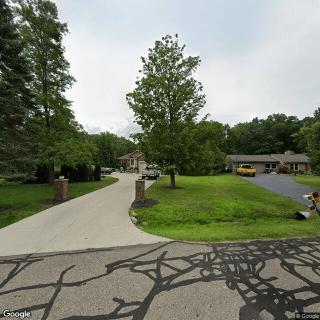
Greencastle Family Care
$5,000 / month18.1 miles away -
from -$800 / mo
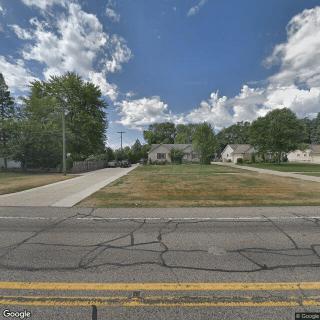
Grace Homecare
$4,000 to $4,500 / month11.0 miles away -
from -$550 / mo
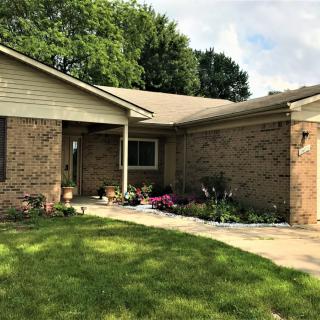
Aiello Adult Foster Care
$4,250 to $4,500 / month10.5 miles away -
from -$800 / mo

Serenity Elderly Care
$4,000 / month19.0 miles away -
from -$300 / mo
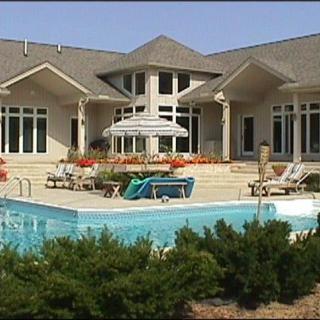
Elderly Solutions
$4,500 to $5,250 / month20.5 miles away
Overall Review of A Heart that Cares Family Home
Pros
 Sue and her team provided excellent care.
- Sue responded quickly and arranged a caregiver within hours.
- Christina and Lateefah were wonderful caregivers.
- The owner is very caring.
- The staff were wonderful and caring.
- The small number of residents made it feel more like her home, with more one-on-one care.
Cons
 They were completely useless to the reviewer.
- They kept promising things they wouldn’t deliver.
- They left the reviewer with more of a mess than help.
- They quit taking the reviewer’s calls.
- They don’t really care about helping people.
- They shouldn’t be in business for helping people.
- The driver was terrible.
- The gray Nissan’s brake lights and turn signals did not work.
Review
A Heart that Cares Family Home in Taylor is best suited for families seeking an intimate, home-like environment where the emphasis is on one-to-one attention and a hands-on owner who will personally tailor transitions and daily routines. The model works especially well for seniors who value close, responsive caregiving and rapid mobilization of staff in a pinch. When a loved one benefits from frequent, direct interaction with caregivers and a setting that feels like a small household rather than a dormitory, this community can be a good match. It is less compelling for those who prioritize a larger, more social campus with extensive programming or for families needing a more standardized, scalable staffing structure.
Those who may want to consider alternatives should note two red flags that recur in family feedback. First, the facility’s very small footprint and single-family-home feel can feel cramped for residents who require more private space or who expect a conventional, larger assisted living floorplan. Second, there are credible concerns about reliability and consistency in care delivery, including instances where promised services did not materialize and families felt stress arranging alternate arrangements. For families needing a regimented, predictable care schedule with broad, ongoing programming and a large pool of staff to cover shifts, a larger, more established provider may deliver greater peace of mind.
The strongest positives here directly address the core needs of many families: the owner’s evident care and engagement, a responsive team, and high-touch, personalized attention. Reviews highlight Sue and the caregiving team delivering rapid, around-the-clock support when a loved one required immediate companion care, and describe caregivers Christina and Lateefah as “wonderful.” The small number of residents translates to meaningful 1-to-1 time, which can ease transitions after major life changes and help a resident feel truly at home. In short, when the goal is earnest, hands-on presence and speed in deployment, these factors can decisively offset the drawbacks of a constrained physical footprint.
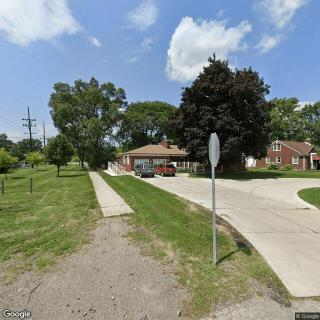
Yet the cons cannot be ignored. A prominent concern is the inconsistency in service delivery described by some families, including one account where promised help never arrived and the client was left with added stress and uncertainty. That kind of experience undermines confidence in long-term reliability and makes planning around care needs more fraught. Space constraints are another clear drawback: the ranch-style home is seen as too small by some, with rooms that feel cramped and less suitable for residents who require more personal space or a smoother daily routine. Transportation and related logistics also surface in feedback, signaling that ancillary services tied to care (like transport) may not be as dependable as needed in every situation.
Families weighing a decision should approach candidly: confirm the level of 24/7 coverage and identify who will be on shift, not just the primary caregiver. Request a tour that includes a close look at the resident rooms, common areas, and any accessibility features. Ask to meet the actual caregivers who would be assigned to a loved one, review a draft care plan, and explore how hospital-to-home care is coordinated if hospital visits are common. Clarify transportation arrangements, scheduling consistency, and what happens if a caregiver calls out or a shift is short-staffed. Finally, obtain references you can contact directly about their ongoing experiences with the home.
The practical takeaway is clear. This community offers a compelling value proposition for families who prize intimate, individualized care delivered quickly by a caring owner and a small, dedicated staff. It excels when the priority is a genuine home atmosphere and strong 1-to-1 attention, especially during transitions or crises. However, prospective residents should enter with eyes wide open about space limitations and potential variability in service delivery, and should actively assess staffing reliability and transport arrangements before committing. If those factors align with the family’s risk tolerance and care expectations, A Heart that Cares Family Home can be a meaningful, comforting place for a loved one to age in place. If not, it is prudent to explore alternatives that offer larger scale, more consistent programming, and fewer concerns about long-term staffing stability.
 Board and Care Home
 Day Program
 Memory Care
 Air-conditioning
 Bath tubs
 Cable or satellite TV
 Devotional services off-site
 Full kitchen
 Garden view
 Ground floor units
 Handicap accessible
 Indoor common areas
 Outdoor common areas
 Private
 Private patio, deck, or balcony
 Respite or short term stays offered
 Wi-Fi/high-speed internet available
 Detroit Metropolitan-Wayne County (4 miles away)
 Ambulatory care
 Diabetic care
 High acuity care
 Incontinence care
 Medication management
 Anytime dining
 Art classes
 Catholic services
 Cooking classes
 Day trips and outings
 Educational speakers / life long learning
 Jewish services
 Karaoke
 Live well programs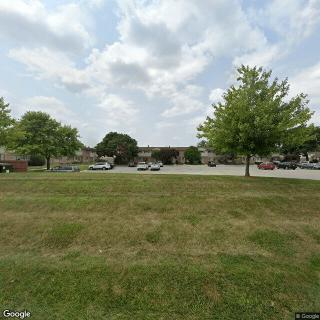


 Exploring the Power of Reminiscence Therapy for Individuals With Dementia
 An In-Depth Look at Reminiscence Therapy in Dementia Care
 Dementia-Related Hallucinations: Causes, Experiences, and Practical Approaches