
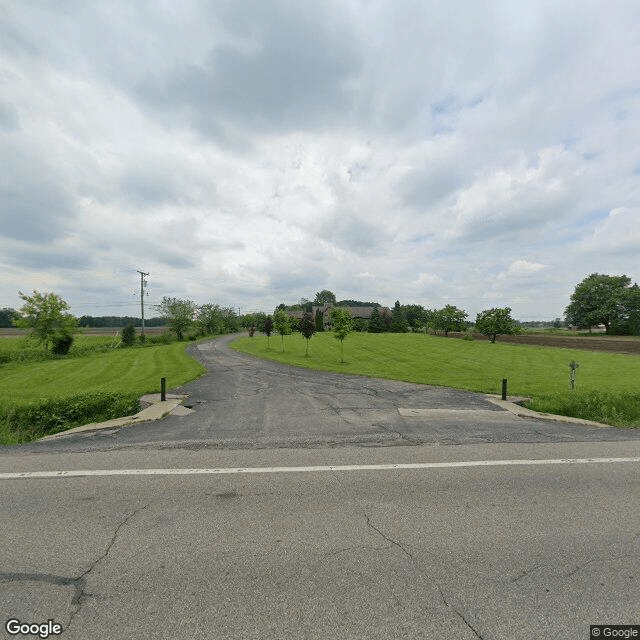
20000 Vining Rd, New Boston, MI 48164
To contact a resident: (734) 753-2200
For more information about senior living options: (866) 208-4318
Sunshine Home for Special Needs Costs & Pricing
At Sunshine Home for Special Needs, the monthly cost for a semi-private room is $3,000. This figure positions the facility competitively within Wayne County, where the average cost for similar accommodations is approximately $2,860. In comparison to the broader state of Michigan, which sees an average of around $3,191 for semi-private rooms, Sunshine Home offers a reasonable and accessible option for families seeking specialized care. The pricing reflects the quality of services and support provided at Sunshine Home, aiming to meet both the needs of residents and their families without straying too far from regional market standards.
| Floor plans | Sunshine Home for Special Needs | Wayne County | Michigan |
|---|---|---|---|
| Semi-Private | $3,000 | $2,860 | $3,189 |
Memory care communities with a similar price nearby
-
About the same
Hutcheson Manor
$3,000 to $4,500 / month20.2 miles away -
from +$200 / mo
Vicky's Place
$3,200 to $6,000 / month24.8 miles away -
from +$500 / mo
Briar Hill Assisted Living
$3,500 to $4,500 / month21.7 miles away -
About the same

Fostered Hearts
$3,000 / month13.0 miles away -
from +$484 / mo
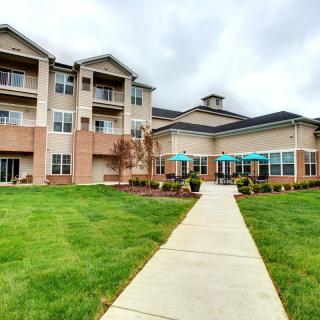
StoryPoint Saline
$3,484 to $5,575 / month19.1 miles away
Overall Review of Sunshine Home for Special Needs
Pros
 The home is described as very nice.
Cons
 The facility is not equipped or experienced to handle dementia patients, despite claims to the contrary.
- They asked to remove their mother after one day because they expected her to be docile and timid.
- Anyone who has provided care knows that is not the case.
- The reviewer was extremely disappointed.
- Nellie is a poor speaker.
Review
Sunshine Home for Special Needs in New Boston, Michigan, is best suited for families seeking a small, home-like setting for an elderly loved one who does not require memory-specific care and who can thrive with close, hands-on oversight. The space appeals to residents who value a private, domestic atmosphere over a clinical facility and to families prepared to stay actively involved in day-to-day planning and decisions. In essence, it serves as a neighborhood-style eldercare option for those with relatively straightforward care needs and a willingness to navigate a family-run operation.
Those with dementia or significant cognitive impairment, aggressive or unpredictable behavior, or medical complexity should consider alternatives. The facility’s claimed capabilities appear inconsistent with dementia-ready care; the reviews indicate a mismatch between expectations and actual capacity, including an abrupt request to remove a resident after a short stay. Families needing structured memory care, trained dementia staff, robust safety protocols, and formal licensing oversight will likely find better fit elsewhere.
On the upside, the home environment is described as very nice and potentially more intimate than larger facilities. The intimate setting can translate into more individualized attention, shorter response times, and a sense of being cared for by people who know the resident personally. For families who want to avoid the impersonality of a larger campus and who can supply external support as needed, Sunshine offers a hopeful option where caregiver presence feels direct and approachable.
Yet the most consequential drawbacks dominate the picture. The staff and leadership, run by Nellie and two relatives, appear limited in their ability to manage dementia-related behavior or complex needs, and communication gaps are evident. The incident where a resident was asked to leave a day after placement underscores a serious misalignment between what the home can provide and what a family expects. The combination of a small, family-run operation with inconsistent communication raises red flags for families seeking reliability and predictable care.
Pros do not fully offset these risks unless the care needs stay simple and oversight remains constant. For someone with moderate independence, minimal cognitive impairment, and a willingness to engage directly with caregivers and advocate for a clear plan, Sunshine can offer a workable solution. The key is to insist on a precise, writable care plan, concrete boundaries about what the home can handle, and a written exit strategy if capabilities change. A trial stay with defined milestones and ongoing feedback channels helps separate genuine fit from wishful thinking.
The practical course is selective and disciplined: verify licensing and staff training related to elderly care and any memory-care policies, request detailed care plans and daily routines, and obtain references from families with similar needs. Visit with the resident’s physician or care manager to calibrate expectations around behavior management and safety. If dementia, aggressive behaviors, or medical complexity are present, shift attention to facilities with proven dementia programs and regulated oversight. In the end, Sunshine should be pursued only by families fully prepared to supervise and intervene, while alternatives should be pursued when the care needs diverge from what the home reliably offers.
 6 resident community capacity
 Assisted Living
 Board and Care Home
 Memory Care
 Cable or satellite TV
 Dining room
 Fully furnished
 Garden
 Housekeeping services
 Move-in coordination
 Outdoor space
 Respite or short term stays offered
 Telephone
 Wheelchair accessible showers
 Wi-Fi/high-speed internet available
 Detroit Metropolitan-Wayne County (4 miles away)
 24-hour supervision
 Activities of daily living assistance
 Ambulatory care
 Assistance with bathing
 Assistance with dressing
 Assistance with transfers
 Diabetes diet
 Diabetic care
 High acuity care
 Incontinence care
 Meal preparation and service
 Medication management
 Special dietary restrictions
 Transportation arrangement (medical)
 Transportation to doctors appointments

 22 Remarkable Caregiver Support Groups Available Online and In-Person
 Understanding Medicaid Coverage for Assisted Living: A Comprehensive Guide
 How and When Medicaid May Cover Assisted Living Costs