
9144 Kingsley Road, Kingsley, MI 49649
To contact a resident: (231) 263-5274
For more information about senior living options: (866) 208-4318
Morgan Assisted Living Costs & Pricing
Morgan Assisted Living offers competitive pricing for its residents, with private rooms and one-bedroom accommodations both priced at $2,500 per month. This cost is notably lower than the average expenses found in Wexford County, where similar private room accommodations can reach approximately $3,244. Furthermore, when compared to the broader state averages in Michigan, which hover around $3,675 for private rooms and $3,384 for one-bedroom units, Morgan Assisted Living presents a more financially accessible option. This makes it an appealing choice for families seeking quality assisted living care without the burden of higher costs typically associated with other facilities in the region.
| Floor plans | Morgan Assisted Living | Wexford County | Michigan |
|---|---|---|---|
| Private | $2,500 | $3,244 | $3,674 |
| 1 Bedroom | $2,500 | $3,242 | $3,384 |
Memory care communities with a similar price nearby
-
from -$493 / mo

Serenity Adult Foster Care
$2,007 to $3,130 / month22.9 miles away -
from +$400 / mo
Elk Rapids Assisted Living
$2,900 to $3,400 / month24.6 miles away -
from +$400 / mo
Cherry Hill Nest
$2,900 to $3,700 / month14.4 miles away -
from +$400 / mo
Cherry Hill Haven Of Kalkaska
$2,900 to $3,400 / month16.5 miles away
Overall Review of Morgan Assisted Living
Pros
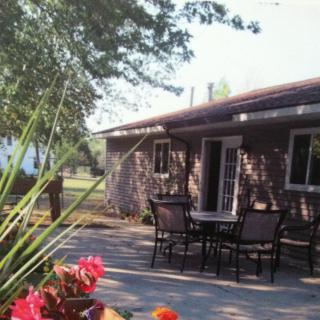
 The owner-operator is nice.
- The home is well kept.
- The home would be fine for someone who likes to be out in the country.
Cons
 The dining and living area is small.
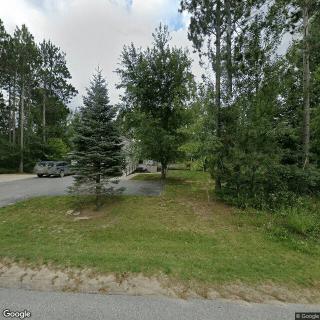
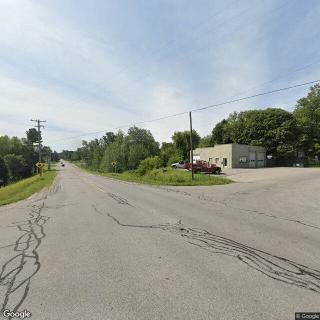
- The home is far out in the country on an unpaved road, which is not convenient.
- The location is too isolated for guests.
- There are no vacancies at this time.
Review
Morgan Assisted Living in Kingsley, Michigan, is best suited for seniors who crave a quiet, country setting where care feels personal and the environment operates more like a well-kept home than a traditional facility. The standout here is hands-on, approachable leadership, the owner/operator is described as nice, suggesting predictable, responsive access to decisions and day-to-day care. Residents who value a domestic, intimate atmosphere over a hospital-like vibe will likely feel at ease in a smaller footprint. The home is maintained well, which supports safety and comfort, and the small dining and living areas reinforce a cozy, familiar feel that can ease adjustments for those who dislike large, impersonal spaces. However, this close-knit, country setting comes with a practical constraint: there are currently no vacancies, which makes immediate placement unlikely and requires planning and patience.
Those who should actively consider alternatives are families needing rapid move-in or those who require convenient access to urban amenities, doctors, or frequent social programming. The unpaved country road and the remote location can complicate transportation, errands, and emergency visits, especially for residents who rely on regular external services or prefer quick access to shopping and community resources. If proximity to kin or familiar services is a priority, Morgan Assisted Living may feel too distant. In short, this community works well for someone who is content with a slower pace, less travel, and the kinds of needs that can be managed with close oversight from an owner-operator, rather than a larger campus with built-in transportation and broad programming.
On the balance of pros and cons, the strongest upside is the guaranteed level of personal attention that comes with an owner-operated setting. A nice operator often translates into quicker responsiveness, a willingness to tailor meals or routines, and a sense of being part of a small, caring circle rather than navigating a big staff structure. The home’s tidy condition further strengthens trust that the environment will be clean, orderly, and predictable, qualities many families fear losing in larger facilities. The intimate dining and living areas can foster meaningful interactions with a few neighbors and staff, making daily routines feel manageable and safe rather than overwhelming. Yet these advantages are tightly coupled with constraints: the limited communal space can hamper socialization, and the overall scope of activities may be modest compared with larger assisted living communities.
The most tangible con is geographical: isolation. A country setting on an unpaved road means longer trips to town, potentially stressful commutes for families and caregivers, and fewer spontaneous outings or access to the broader social fabric of the region. This is not a flaw in care, but a lifestyle match issue. Another clear drawback is the current vacancy status; while it signals a tight, well-managed operation, it also means immediate relocation isn’t feasible for families in urgent need. A small dining area, while charming, also signals limited opportunities for group meals, themed events, or robust social programming that many residents rely on for engagement and mental stimulation. For seniors who prize activity and variety, this setup may feel too constrained.
The way the positives offset the negatives hinges on fit. For a resident who prioritizes consistent, attentive oversight and a home-like rhythm, the advantages can overcome the spatial and logistical trade-offs. The owner’s hands-on approach and a well-kept environment can deliver reliable daily structure, safety, and personalized care plans that larger facilities struggle to match on an individual basis. The rural, tranquil ambience may also be a net positive for someone who values privacy, nature, and a small-community feel over sidewalk cafés and busier social calendars. However, for families seeking rapid placement, frequent off-site activities, or easier access to medical facilities and shopping, the scales tip away from Morgan.
Bottom line: Morgan Assisted Living is a strong choice for seniors who want a warm, intimate, country setting with attentive, owner-led management and a well-maintained home. It is less suitable for those needing immediate occupancy, frequent social programming, or easy access to urban services. Pros like personalized care, a tidy, homey environment, and a calm pace can comfortably outweigh the downsides for the right resident, but the unpaved rural road, sense of isolation, and the current lack of vacancies require a clear, patient planning horizon. Prospective families should visit to gauge whether the pace, space, and level of engagement align with their loved one’s preferences and care needs, and should confirm current vacancy, meal options, and any potential for future flexibility as circumstances evolve.
 Board and Care Home
 Day Program
 Memory Care
 Indoor common areas
 Outdoor common areas
 Private
 Cherry Capital (13 miles away)
 Ambulatory care
 Diabetic care
 High acuity care
 Incontinence care
 Medication management
 Meals provided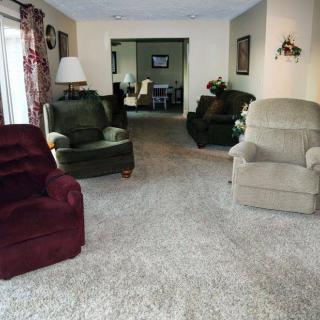

 Exploring the Power of Reminiscence Therapy for Individuals With Dementia
 An In-Depth Look at Reminiscence Therapy in Dementia Care
 Dementia-Related Hallucinations: Causes, Experiences, and Practical Approaches