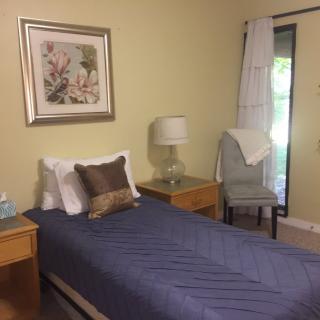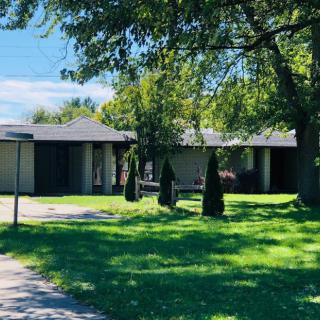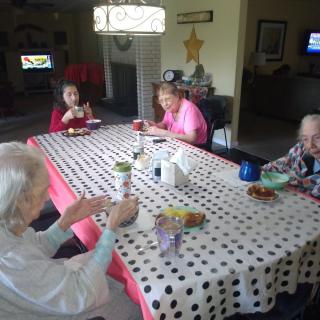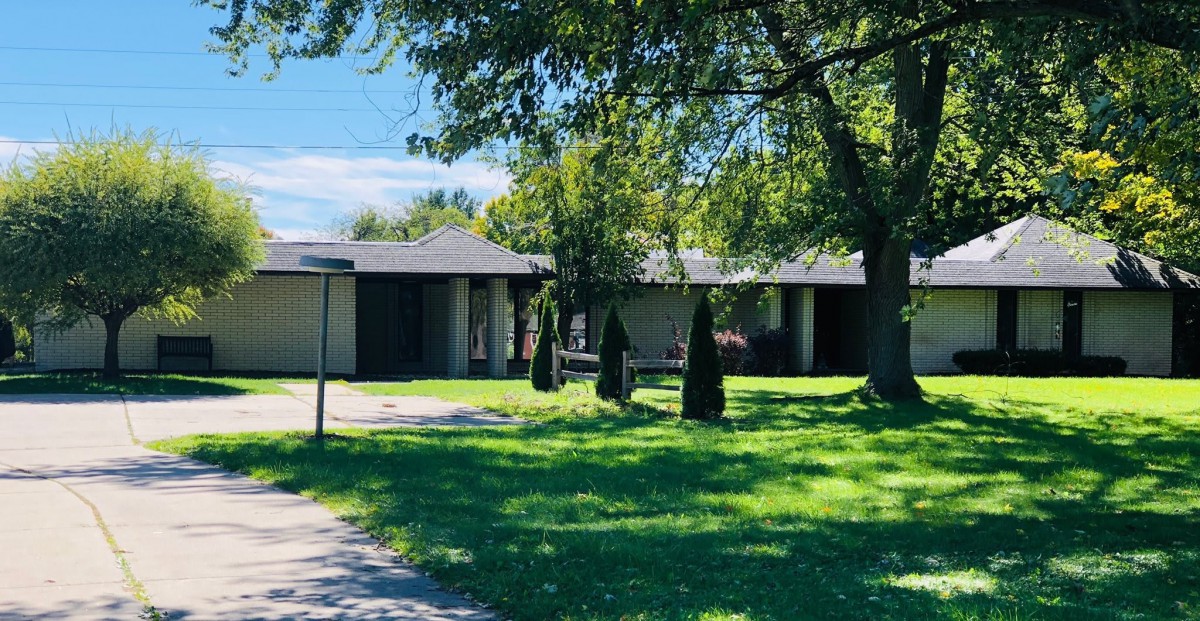

5427 Calkins Rd, Flint, MI 48532
To contact a resident: (810) 496-0002
For more information about senior living options: (866) 208-4318
Calkins House Costs & Pricing
Calkins House offers competitive pricing for its accommodations, particularly when compared to both Genesee County and the broader state of Michigan. For a private room, Calkins House charges $3,000 per month, which is significantly lower than the county average of $4,118 and also below the state average of $3,675. Similarly, their one-bedroom option is priced at $3,500, which exceeds the county's average of $3,121 but remains in line with Michigan's overall average of $3,384. This strategic pricing positions Calkins House as an appealing choice for those seeking quality living arrangements while maintaining cost-effectiveness within the region.
| Floor plans | Calkins House | Genesee County | Michigan |
|---|---|---|---|
| Private | $3,000 | $4,118 | $3,674 |
| 1 Bedroom | $3,500 | $3,121 | $3,384 |
Memory care communities with a similar price nearby
-
from -$100 / mo

Metacare Inc
$2,900 to $3,300 / month23.6 miles away -
from -$495 / mo
Devonshire Retirement Village
$2,505 to $4,500 / month20.5 miles away -
About the same

Vicinia Gardens Transition
$3,000 to $4,500 / month15.9 miles away -
About the same
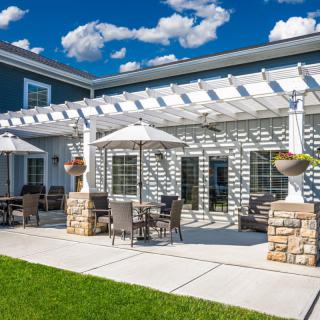
Provision Living at Fenton
$3,000 to $5,750 / month15.8 miles away -
from -$200 / mo
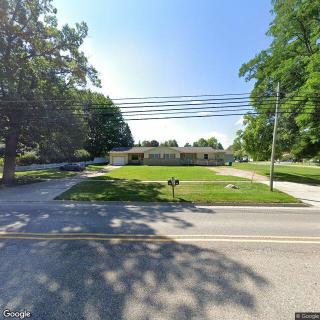
La Casa Place
$2,800 to $3,200 / month14.9 miles away
Overall Review of Calkins House
Pros
 The staff were very awesome and took very good care of the dad.
- The staff cared deeply for the patients and kept the family updated at all times.
- The Calkins House feels like home, and Linda puts the CARE in caregiving.
- Sugarbush was very nice and beautiful, beautifully appointed and spotlessly clean.
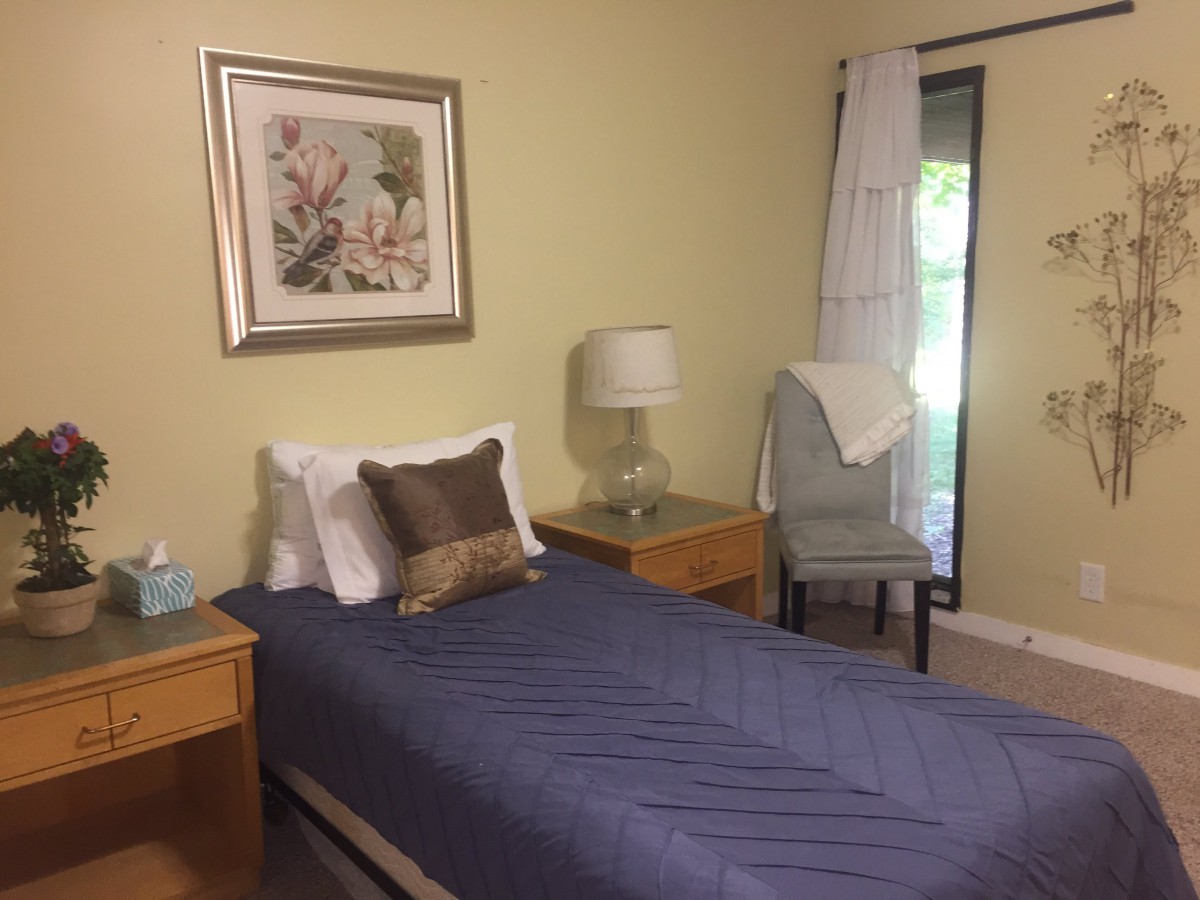
- The home was beautiful, airy, and bright, with a positive atmosphere and residents who seemed very happy.
- The caregivers were very nice and welcoming.
Cons
 One reviewer found the situation disturbing, noting that the mother seen during a visit died three days later and that bloody brown chicken and fries were left on the counter for hours, with the mother not having dinner.
- Another reviewer stated that Sugarbush did not have many services and was not a good fit for their relative.
Review
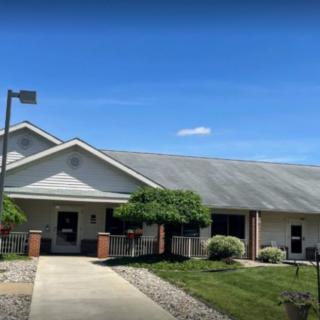
Calkins House in Flint is best suited for families seeking a warm, home-like environment where caregivers form genuine relationships with residents and keep families closely informed. It is a solid fit for seniors who prize daily life as it is, routine, dignified, and supported by attentive staff, over the allure of a brand-new building. The space may feel aged compared to newer facilities, but it remains clean and lived-in, with a caregiving focus that translates into real, ongoing guidance for families. Those who demand cutting-edge amenities, expansive medical facilities on site, or a highly clinical setting should explore other options.
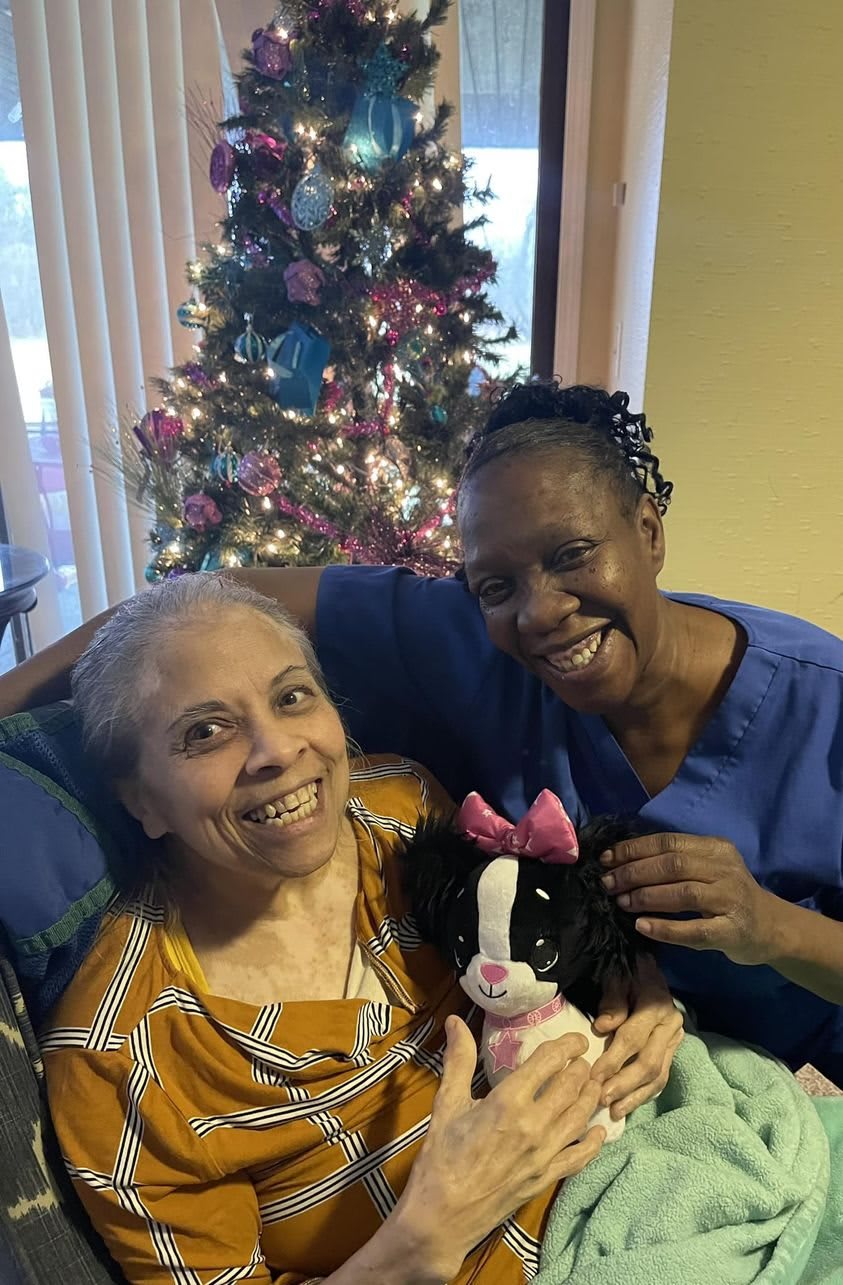
The core strength here is the caregiving team. Reviewers repeatedly praise staff for their dedication and reliability, highlighting how caregivers know residents by name, respond promptly, and keep families updated. Families report being able to call anytime and receive timely information, with a sense that care is collaborative and transparent. In practice, the personal touch matters: caregivers are described as caring and attentive, often forming bonds that make the daily life of a loved one feel calmer and more secure. That level of relational care can be the deciding factor for families who want peace of mind through consistent, compassionate attention.
Another clear advantage is the home-like atmosphere and the emphasis on life as it is lived. The environment is described as bright and clean, with a positive mood among residents and a sense that life proceeds with normalcy and dignity. The facility may not be flashy, but it communicates stability, ease of visitation, and a culture where staff are approachable and residents are treated with respect. Families who value openness and the ability to visit whenever they wish will find the daily rhythm here reassuring; the setting supports meaningful interaction and ongoing connection between residents and their loved ones.
Yet there are legitimate reasons some families will pause or seek alternatives. One account recounts a troubling lapse in meal service, where dinner was not delivered promptly and a previous meal appeared neglected, signaling potential lapses in basic care tasks. While this is not presented as the daily standard, it is a red flag that cannot be ignored. In addition, the facility’s age means infrastructure and systems aren’t the newest in town, and some reviewers note that services outside routine caregiving, such as on-site advanced medical support or expansive activity programming, are more limited here. Taken together, the red flags around meals and the inherent aging of the building temper otherwise strong impressions.
These strengths and weaknesses are most actionable when weighed against priorities. For families prioritizing a caregiving-first approach, with staff who communicate, respond, and build trust, the pros can substantially offset the cons, provided there is ongoing active participation from families. To mitigate risk, demand a clear care plan with measurable meal and nutrition oversight, insist on scheduled updates about daily care, and request routine visits during key times (meals, evening routines) to observe how needs are met. Probe staffing ratios, nursing presence, and access to medical oversight to determine how the home intends to address potential gaps before any transition.
In sum, Calkins House is a practical, experience-driven choice for families who value heartfelt caregiving, a genuine home atmosphere, and transparent communication above all else. It is not the best fit for those who require the newest facility, the most extensive on-site medical services, or ironclad assurances around every meal and procedural detail. For the right family, the combination of devoted staff, family-friendly access, and a humane, homey setting can yield real comfort and continuity of care. For others, it is wise to examine alternatives that emphasize modern amenities, broader service offerings, and more rigorous systems to guard against any lapse in basic daily needs.
 Studio apartments
 Board and Care Home
 Memory Care
 Activities on-site
 Air-conditioning
 Cable or satellite TV
 Devotional services off-site
 Full kitchen
 Handicap accessible
 Indoor common areas
 Outdoor common areas
 Private
 Private bathrooms
 Respite or short term stays offered
 Wheelchair accessible showers
 Wi-Fi/high-speed internet available
 Bishop (4 miles away)
 Diabetic care
 High acuity care
 Incontinence care
 Medication management
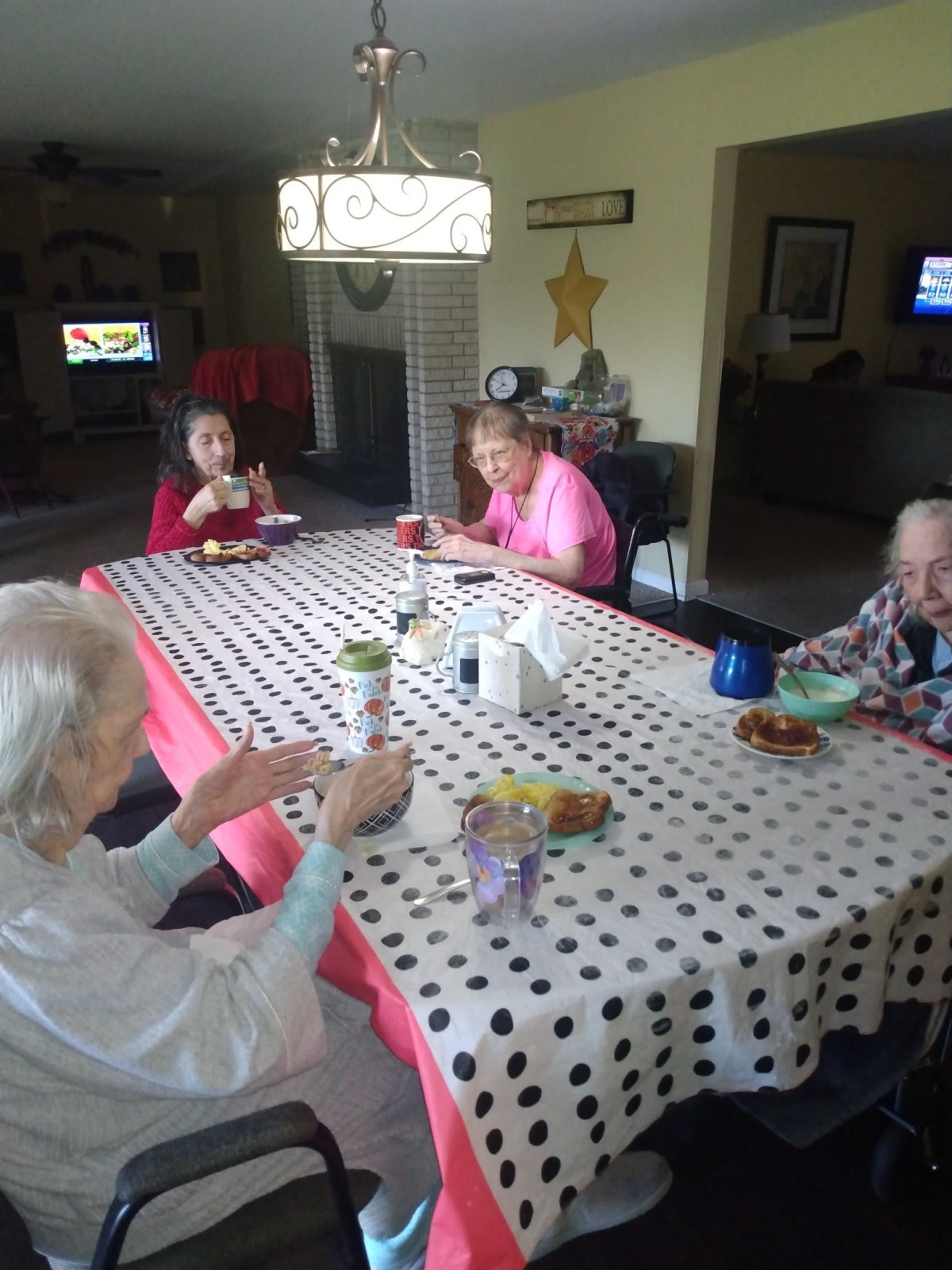
 Anytime dining
 Art classes
 Bible study group
 Cooking classes
 Forever fit
 Happy hour
 Live musical performances
 Stretching classes
 Wine tasting


 Estimating the Expenses of At-Home Dementia Care: A Detailed Exploration
 Comprehensive Insights on the Late Stages of Dementia: What to Expect and How to Provide Care
 Medications Associated with Dementia Risk: A Comprehensive Overview