
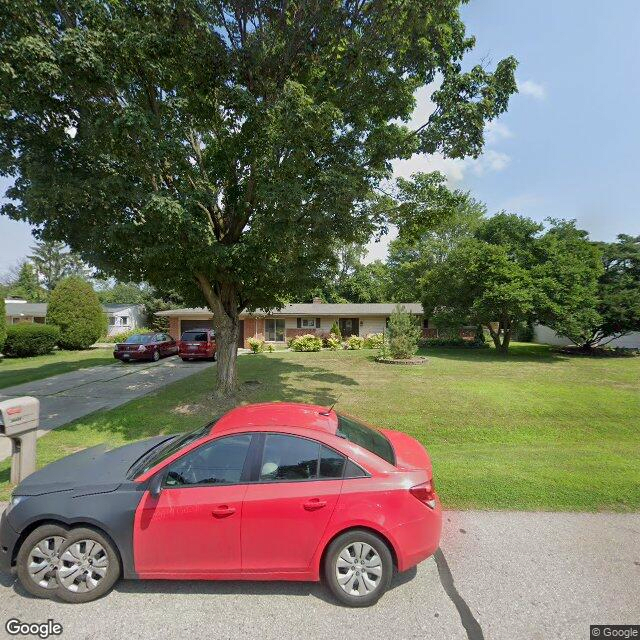
29490 Lochmoor Street, Farmington Hills, MI 48334
To contact a resident: (248) 703-7694
For more information about senior living options: (866) 208-4318
Oakland Hills Assisted Living Costs & Pricing
Oakland Hills Assisted Living offers competitive pricing compared to both Oakland County and the broader state of Michigan. For residents seeking a semi-private room, the monthly cost is $3,000, which is notably lower than the county average of $3,204 and the state average of $3,191. Those opting for a private room will find a fee of $3,500, again more affordable than both local ($3,708) and state averages ($3,675). Finally, for individuals interested in a one-bedroom unit, Oakland Hills presents its own price at $4,000; while this exceeds the county's average of $3,507 and the state's average of $3,384, it reflects premium amenities and services that may justify the higher rate. Overall, Oakland Hills Assisted Living positions itself as a cost-effective choice without compromising on quality care.
| Floor plans | Oakland Hills Assisted Living | Oakland County | Michigan |
|---|---|---|---|
| Semi-Private | $3,000 | $3,204 | $3,189 |
| Private | $3,500 | $3,708 | $3,674 |
| 1 Bedroom | $4,000 | $3,507 | $3,384 |
Memory care communities with a similar price nearby
-
About the same
Hutcheson Manor
$3,000 to $4,500 / month5.2 miles away -
from +$200 / mo
Vicky's Place
$3,200 to $6,000 / month0.7 miles away -
from +$500 / mo
Briar Hill Assisted Living
$3,500 to $4,500 / month3.8 miles away -
About the same
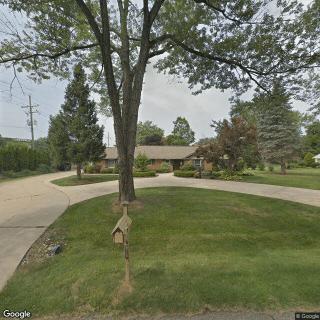
Butternut Hill Senior Living
$3,000 to $4,000 / month7.9 miles away -
from +$500 / mo
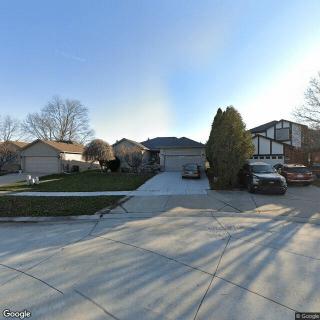
Crabtree Lane AFC Home
$3,500 to $5,500 / month12.3 miles away
Overall Review of Oakland Hills Assisted Living
Pros
 Oakland Hills Assisted Living provides relief to families when they find it.
- The owners and caregivers are friendly and genuine.
- They consistently seek ways to make everyone more comfortable or entertained.
- The home is always clean and residents are well groomed.
- People who find Oakland Hills tell their friends about them when their parents are looking for care.
Cons
Review
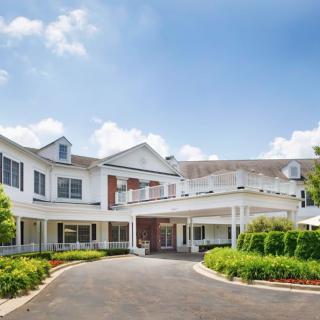
Oakland Hills Assisted Living in Farmington Hills is best suited for seniors who want a warm, homelike setting with hands-on, attentive care and for families seeking reassurance from staff who know residents by name and actively seek ways to comfort and engage them. The community projects a small, intimate atmosphere where daily routines center on meaningful social interaction and consistent, visible care from the owners and caregivers. The environment is clean, residents appear well groomed, and the overall tone conveys calm reliability. For families prioritizing personal connection, steady companionship, and a trusted, neighborly feel, this is a compelling fit.
Those weighing alternatives should consider whether a resident requires advanced skilled nursing, dementia-specific programming, or a larger campus with broader clinical services. The glowing warmth and attentiveness described do not document high-acuity medical support or formal memory-care structures. If proximity to extensive medical facilities, a wider array of clinical services, or a more expansive activity calendar matters, larger assisted living communities or continuing-care settings may be safer bets. For seniors who prize a tight-knit, home-like vibe over institutional scale, Oakland Hills is clearly advantageous; for those with heavier medical or specialized care needs, other options deserve comparison.
A core strength lies in the people: owners and caregivers who come across as friendly, genuine, and consistently focused on comfort and entertainment. That proactive hospitality translates into lower stress for families and more engaged, purposeful days for residents. Cleanliness and grooming reinforce dignity and routine, two fundamentals that support self-esteem and daily satisfaction. The combination of personal attention, a tidy, homey environment, and steady social or recreational touches helps offset any gaps in formal medical oversight by delivering reliable rhythm, predictability, and a lived-in sense of care.
The transition experience emerges as a decisive advantage. Reviewers describe finding a place that offered real relief after a search, underscoring the value of trust, consistency, and a warm, human touch. Practically, this means families navigating a difficult move can expect clear communication, dependable staffing, and a setting that feels more like a well-kept home than a clinical withdrawal. That emotional and logistical ballast is a meaningful differentiator when comparing options, reducing anxiety for both residents and their families.
Residents benefit from a calm, well-kept environment and staff who appear readily available and engaged. The absence of negative signals in the available impressions is notable, yet the prudent evaluator should verify current staffing levels, meal quality, and programming variety during visits. Inquiries about daily schedules, activity personalization, and care-plan coordination with family members will illuminate how well the operation translates warmth into measurable daily routines. A strong emphasis on housekeeping and maintenance further signals a well-run environment with reduced risk and consistent comfort.
Bottom line: Oakland Hills Assisted Living is a strong choice for families seeking a small, warm, people-centered home where staff take genuine pride in comfort, entertainment, and daily dignity. It is especially well suited to seniors who thrive in intimate settings and to families desiring visible continuity and trust. Alternatives should be considered for those requiring heavier medical oversight, more expansive dementia care, or a larger campus with broader on-site services. The clear pros, attentive, friendly staff; a clean, well-kept environment; and meaningful social engagement, offer substantial value that can outweigh the lack of noted breadth in clinical offerings, provided current needs align. Decisive site visits and targeted questions about medical support, activity variety, and care coordination will finalize whether this community aligns with the residentā€™s specific priorities.
 Board and Care Home
 Memory Care
 Activities on-site
 Beautician on-site
 Devotional services on-site
 Indoor common areas
 Outdoor common areas
 Private
 Respite or short term stays offered
 Wheelchair accessible showers
 Detroit Metropolitan-Wayne County (22 miles away)
 Ambulatory care
 Diabetic care
 Incontinence care
 Medication management
 Anytime dining
 BBQs or picnics
 Birthday parties
 Live musical performances
 Guiding Your Journey: Understanding Power of Attorney for Elderly Parents
 22 Remarkable Caregiver Support Groups Available Online and In-Person
 Understanding Medicaid Coverage for Assisted Living: A Comprehensive Guide