Residents and families repeatedly describe a dementia-focused setting focused on safety and respectful care.
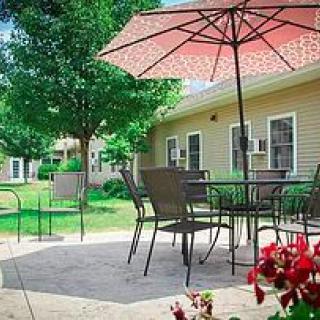
Several reviews highlight memory-care support, including families bringing residents in specifically due to memory and safety concerns. One reviewer notes the environment is set up for dementia, with safe outdoor space including fenced patios and locked access outside the front entrance. Multiple families also mention feeling their loved one is safe and treated with respect, and another describes medication and diabetes-related diet support as part of care. A different review raises concerns about falls and trips to the ER, while still describing some staff as caring and dedicated.
common19 reviews mention this
Caring, responsive staff
Staff kindness and helpful responses come up again and again across the reviews.
Across many reviews, families describe the staff as professional, cheerful, and genuinely caring. A few reviewers specifically call out responsiveness, like staff getting to help quickly when a resident needs assistance, and taking time to help connect residents with phone calls. Others mention being supported during visits, with staff taking messages or helping residents stay engaged. Even in critical reviews, at least one reviewer acknowledges meeting some wonderful and caring staff members.
common9 reviews mention this
Activities keep residents engaged
Residents and families frequently point to busy daily activities as a major strength.
Many reviews describe a steady schedule of activities, including music, art, and trips, with residents staying engaged throughout the day. Families also mention hands-on recreation and that there are opportunities to distract residents and keep them active. Some reviewers connect the experience to a fuller day, noting activities nearly all the time and appreciating the way staff supports participation. Even where a reviewer had concerns, they still describe regular activity options as part of what stood out.
common7 reviews mention this
Clean, well-kept community
Residents and visitors commonly describe the community as clean and well maintained.
Multiple reviews mention the facility is clean and well kept, with one reviewer describing it as quiet as well as clean. Families also describe the building as beautiful and inviting, and a few note it felt comfortable during check-in and visits. In addition, one review points out that cleanliness was a consistent positive alongside staff friendliness. A single negative review focuses on a property incident and does not reflect ongoing cleanliness.
caveat3 reviews mention this
Mixed experiences with staffing
Some reviews raise concerns about staffing levels and turnover.
While many reviewers praise the staff, a few report staffing problems that affected their experience. One reviewer describes high staff turnover, rude communication from a newer nurse, and feeling the community was severely understaffed. Another family reports not getting sufficient staffing support and says concerns were brushed off, even while acknowledging some caring staff. A separate review expresses a negative opinion about employee workload and pay, which aligns with the staffing concern thread even though it does not give detailed care examples.
How we summarize
Counts show how many written reviews mention each theme; a review can touch several themes, and only frequently mentioned themes are displayed.
Features
Housing
45 resident community capacity
Types of Care
Memory Care
Amenities
Beauty salon
Cable or satellite TV
Dining room
Fully furnished
Garden
Housekeeping services
Kitchenette
Move-in coordination
Outdoor space
Restaurant-style dining
Small library
Telephone
Wi-Fi/high-speed internet available
Transportation
Kalamazoo County (16 miles away)
Care Services
24-hour call system
24-hour supervision
Activities of daily living assistance
Assistance with bathing
Assistance with dressing
Assistance with transfers
Diabetes diet
Meal preparation and service
Medication management
Mental wellness program
Mild cognitive impairment
Special dietary restrictions
Specialized memory care programming
Dining
Diabetes diet
Special dietary restrictions
Activities
Community-sponsored activities
Resident-run activities
Scheduled daily activities
Nearby Places of Interest
Places of Worship
Faith Baptist Church (0.5 miles)
St Joseph Catholic Church (2 miles)
Koinonia_FCCBC (4.2 miles)
Restaurants
Mancino's Pizza & Grinders (1.2 miles)
Big Boy (1.2 miles)
Taco Bell (1.2 miles)
Wendy's (1.6 miles)
La Cocina Mexicana (1.6 miles)
Cracker Barrel (2.2 miles)
Old China Restaurant (2.2 miles)
Cafes
Starbucks (1.2 miles)
Panera Bread (2.4 miles)
Starbucks (3.2 miles)
Theaters
W. Columbia 7 (1.4 miles)
NCG Cinema (2.9 miles)
Transportation
W K Kellogg Airport (BTL) (1.9 miles)
Physicians
Physicians Center of Physical Medicine (2 miles)
Cereal City Pediatrics (2 miles)
20th Street Clinic (2.2 miles)
Battle Creek Family Care (2.3 miles)
Todd G Stagner OD (2.3 miles)
Associated Internal Medicine Specialists PC (2.4 miles)
RX Optical (2.5 miles)
Pharmacies
Luxcare Pharmacy (2.2 miles)
Walgreens (2.3 miles)
CVS Pharmacy (2.3 miles)
Rite Aid (2.4 miles)
Capital Ave Pharmacy (2.6 miles)
Walgreens (3.2 miles)
Walmart Pharmacy (3.4 miles)
Hospitals
Brookside Surgery Center (2.9 miles)
Fieldstone Center (4.1 miles)
Bronson Battle Creek Hospital (4.2 miles)
Fieldstone Center-Call Bchs Department of Psychiatry and Behavioral He (4.2 miles)
The features offered by The Reflections play a crucial role in enhancing the quality of life for residents with dementia or Alzheimer's disease. Assistance with dressing and bathing helps maintain personal hygiene and dignity, which can become challenging as cognitive function declines. Medication management ensures that residents receive their medications on time and in the correct dosages, minimizing health risks associated with forgetfulness. Meal preparation and service cater to dietary needs while promoting nutrition, fostering social interaction during meal times. Activities of daily living assistance supports residents in maintaining autonomy while providing necessary guidance, thereby reducing frustration. The provision of 24-hour supervision ensures safety and immediate response in case of emergencies, creating a secure environment. A mental wellness program addresses emotional and psychological needs through tailored activities, which can improve mood and engagement. For those with mild cognitive impairment, specialized memory care programming focuses on cognitive stimulation and memory enhancement techniques that resonate with each individual's capabilities, facilitating meaningful connections to their pasts while allowing for present engagement. Together, these services create a supportive framework that significantly enhances the well-being of residents facing the challenges of dementia or Alzheimer's disease.
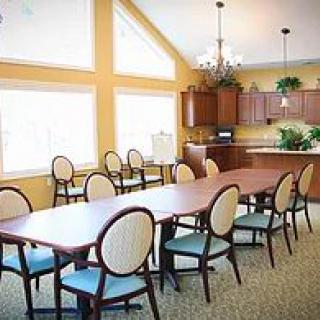
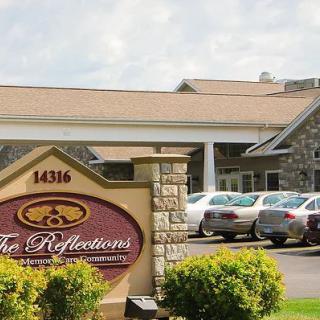
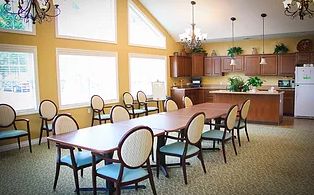
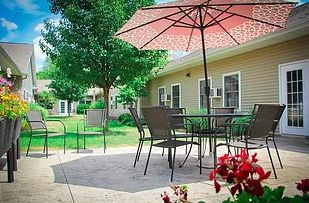
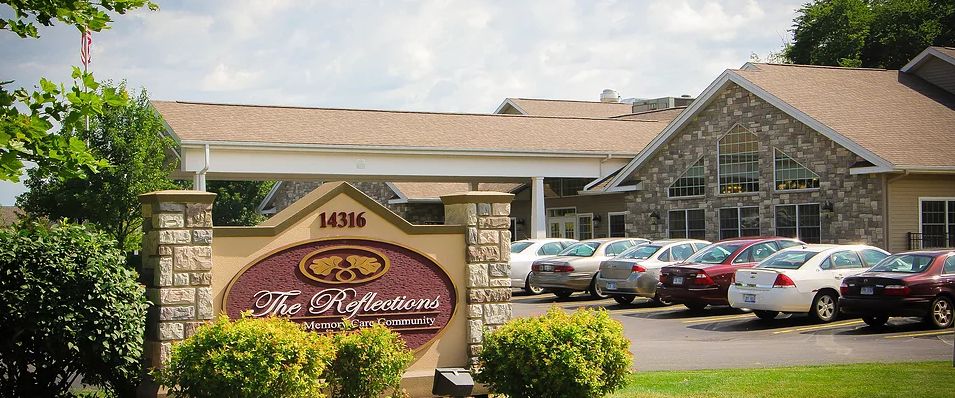
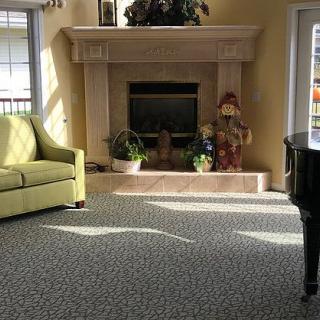
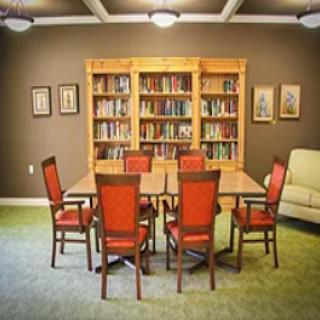
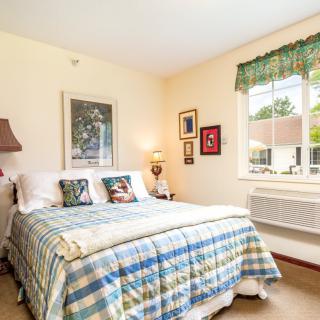
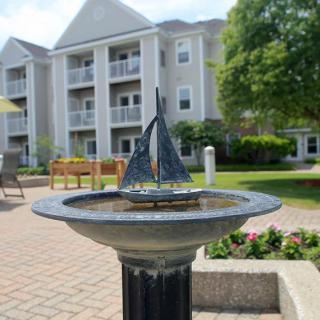
The Reflections on seniors.fyi includes 3 photos including images showing outdoor, windows, lighting, building, parking, entrance, patio, garden, and more.
Nearby Communities
Reflections Memory Care
Battle Creek, MI
4.5 from 26 reviews
Specialized memory care in a vibrant community with extensive nearby amenities and healthcare access.
The Heritage Assisted Living Community
Battle Creek, MI
4.8 from 44 reviews
Clean, well-maintained facility with attentive staff and engaging activities.
The Heritage Assisted Living
Battle Creek, MI
4.7 from 30 reviews
Comprehensive care with 24/7 supervision, medication management, wellness program, daily activities, transportation options, plus restaurant-style dining and extensive on-site amenities.
Lakeview Assisted Living
Battle Creek, MI
5 from 50 reviews
Caring staff, engaging activities, and a beautiful, comfortable living environment.
Radiant Star
Battle Creek, MI
Fully furnished accommodations with on-site dining and comprehensive daily living support.
Kerak
Battle Creek, MI
3.3 from 12 reviews
Fully furnished apartments with on-site dining, housekeeping, medication management, move-in coordination, transportation to appointments, and scheduled activities.
Bickford of Battle Creek
Battle Creek, MI
4.1 from 109 reviews
$3,346 to $3,954 / month
Friendly, caring staff; clean, well-decorated facilities with engaging activities.
Springview Tower
Battle Creek, MI
3.4 from 38 reviews
$536 / month
Active management working to improve the community; convenient location with on-site services.
NorthPointe Woods
Battle Creek, MI
4.7 from 87 reviews
$2,319 to $4,413 / month
Friendly, responsive staff with well-maintained facilities and engaging activities.
Reminiscence therapy helps individuals with dementia recall past memories through structured discussions and meaningful objects, enhancing mood, relationships, and sense of identity while celebrating their lives. It can be practiced in formal settings or at home, requiring sensitivity to personal histories and cultural backgrounds.
Reminiscence therapy is a structured method for older adults, especially those with dementia, to share life stories using prompts and sensory cues, fostering emotional well-being, social engagement, and self-identity. It aims to improve quality of life by enhancing interpersonal connections and cognitive stimulation while requiring careful facilitation to avoid distressing memories.
Dementia, particularly Lewy body dementia, often involves hallucinations that can significantly distress both patients and caregivers due to disruptions in sensory processing and neurotransmitter imbalances. Effective management includes compassionate communication, environmental adjustments, and a multidisciplinary approach to care while addressing the emotional needs of caregivers.
Get PricingAsk A QuestionSchedule A TourContact Senior Advisor
By clicking submit, you agree to our Partner's Terms of Use. You
also consent to receive calls and texts, which may be autodialed, from our Partner. Your consent is not a condition to
using our Partner's service. Please visit our Partner's Privacy Policy for information about their privacy practices.

 45 resident community capacity
 Memory Care
 Beauty salon
 Cable or satellite TV
 Dining room
 Fully furnished
 Garden
 Housekeeping services
 Kitchenette
 Move-in coordination
 Outdoor space
 Restaurant-style dining
 Small library
 Telephone
 Wi-Fi/high-speed internet available
 Kalamazoo County (16 miles away)
 24-hour call system
 Activities of daily living assistance
 Assistance with bathing
 Assistance with dressing
 Assistance with transfers
 Diabetes diet
 Medication management
 Mental wellness program
 Special dietary restrictions
 Specialized memory care in a vibrant community with extensive nearby amenities and healthcare access.

 Exploring the Power of Reminiscence Therapy for Individuals With Dementia
 An In-Depth Look at Reminiscence Therapy in Dementia Care
 Dementia-Related Hallucinations: Causes, Experiences, and Practical Approaches