For more information about senior living options: (866) 208-4318
4.1 from 152 reviews
5 stars
101
4 stars
15
3 stars
9
2 stars
3
1 stars
24
Overall Review of Chestnut Woods Rehabilitation And Healthcare Center
common18 reviews mention this
Cleanliness comes up often
Residents and visitors frequently describe the facility as clean.
A recurring point in reviews is cleanliness, with multiple mentions of rooms and common areas looking very clean or spotless. Several reviewers also describe the overall environment as bright and not dreary, and a number of comments tie cleanliness to feeling comfortable while staying or visiting. A few reviews are sharply negative about hygiene and odors, but the majority of remarks are positive on cleanliness.
common29 reviews mention this
Staff help is praised, but inconsistent
Many reviewers describe staff as caring and professional.
Most reviews that talk about day-to-day care mention staff who are friendly, professional, and attentive, including nurses, aides, therapists, and front-desk staff. Residents and families also describe feeling safe and well cared for, with several shout-outs to specific employees. At the same time, a sizable set of reviews raise serious concerns about rude or dismissive behavior, including delayed help and poor responsiveness when help is requested.
caveat12 reviews mention this
Response times and bedside help
Some residents report delays getting help when needed.
Several negative reviews describe situations where help was not provided promptly after calling for assistance, including long waits for water, bathroom support, or medication. A few reviewers also mention barriers that slowed care, such as locked items or difficulty getting staff to respond. Even among positive reviews, a few comments point to limited communication or that staff can be busy, which may contribute to uneven experiences.
caveat10 reviews mention this
Food quality splits reviewers
Food reviews range from well-balanced to disappointing.
Some reviewers describe meals positively, including well-balanced food and, in at least one case, restaurant-style dining expectations. Other reviews are much less favorable, citing food that is horrible, cold, or not arriving as ordered, along with complaints about shower or hygiene routines tied to daily schedules. Residents with dietary needs are mentioned in the dining details the community provides, but reviewers still differ widely on the actual experience.
common14 reviews mention this
Rehab and therapy support varies
Therapy and rehab support is a frequent focus in reviews.
Many reviews credit therapists and nursing staff with making progress, including physical and occupational therapy that helped residents regain strength or learn how to eat and drink after health events. Other reviews question the overall rehab effectiveness, describing bed-bound residents not getting adequate care and reporting worsening condition after a stay. A few reviews also mention that communication about care and updates can be limited, which can affect how well therapy goals feel supported day to day.
caveat9 reviews mention this
Communication with families is mixed
Communication and updates are reported as inconsistent.
Some reviewers say they received good communication, including being kept updated on care and staff answering questions. Others describe a lack of communication with floor staff or upper management, including missing updates and delays in addressing concerns. Several comments also highlight that families sometimes had to step in or advocate to get things handled, especially around day-to-day care needs.
How we summarize
Counts show how many written reviews mention each theme; a review can touch several themes, and only frequently mentioned themes are displayed.
Features
Housing
88 resident community capacity
Types of Care
Memory Care
Skilled Nursing Facility
Amenities
Air-conditioning
Beautician on-site
Beauty salon
Cable or satellite TV
Computer center
Dining room
Fitness room
Fully furnished
Gaming room
Garden
Housekeeping services
Indoor common areas
Kitchenette
Move-in coordination
Outdoor common areas
Outdoor space
Private bathrooms
Restaurant-style dining
Small library
Telephone
Wellness center
Wi-Fi/high-speed internet available
Transportation
Gen Edw L Logan International (6 miles away)
Community operated transportation
Transportation arrangement
Transportation arrangement (non-medical)
Transportation to doctors appointments
Care Services
12-16 hour nursing
24-hour call system
24-hour supervision
Activities of daily living assistance
Assistance with bathing
Assistance with dressing
Assistance with transfers
Diabetes diet
High acuity care
Meal preparation and service
Medication management
Mental wellness program
Special dietary restrictions
Dining
Diabetes diet
Meals provided
Restaurant style dining
Room service
Special dietary restrictions
Activities
Community-sponsored activities
Concierge services
Fitness programs
Planned day trips
Resident-run activities
Scheduled daily activities
Nearby Places of Interest
This part of Saugus, Massachusetts offers a range of amenities and services that cater to seniors looking for convenience and comfort. With multiple pharmacies such as Walgreens and CVS nearby, accessing medications and healthcare supplies is easy. There are also various dining options including familiar chains like McDonald's and Hooters, as well as local favorites like Kelly's Roast Beef. Places of worship like The Church of Jesus Christ of Latter-day Saints provide spiritual support, while parks like Melrose Common offer opportunities for outdoor recreation. Nearby medical facilities such as North Suburban Orthopedic Associates and Eye Center of the North Shore ensure quality healthcare access. Additionally, transportation options like Wellington Station and Assembly Station make it convenient to get around the area. Overall, this part of Saugus provides a comfortable and accessible environment for seniors seeking a vibrant community to call home.
Pharmacies
Walgreens (1.6 miles)
CVS Pharmacy (1.9 miles)
CVS Pharmacy (2.2 miles)
Walgreens (2.6 miles)
CVS Pharmacy (3.3 miles)
Walgreens (3.4 miles)
Walgreens (3.6 miles)
Restaurants
McDonald's (1.6 miles)
McDonald's (1.7 miles)
Hooters (1.9 miles)
Kelly's Roast Beef (2.2 miles)
McDonald's (2.3 miles)
Kelly's Roast Beef (2.4 miles)
Soc's Icecream (2.7 miles)
Places of Worship
The Church of Jesus Christ of Latter-day Saints (2.1 miles)
The features offered at Chestnut Woods Rehabilitation and Healthcare Center are integral to enhancing the quality of life for residents with dementia or Alzheimer's disease. With 24-hour supervision, residents benefit from constant monitoring, ensuring their safety and immediate support during any distressing moments. Assistance with activities of daily living, including bathing and dressing, fosters a sense of dignity while providing the necessary help to navigate routine tasks that may become challenging. Transfers are managed with care to avoid injury, promoting mobility in a safe environment. Meal preparation and service cater not only to nutritional needs but also incorporate familiar flavors that can evoke memories and encourage appetite. Medication management ensures that residents receive proper dosages on time, preventing complications associated with missed medications. Lastly, a mental wellness program supports cognitive function through engaging activities tailored to individual interests and abilities, which can stimulate memory recall and emotional well-being, enhancing overall quality of care.
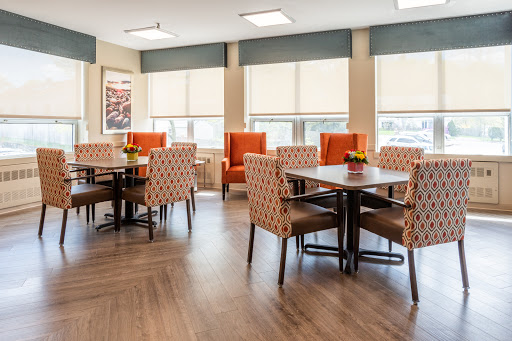
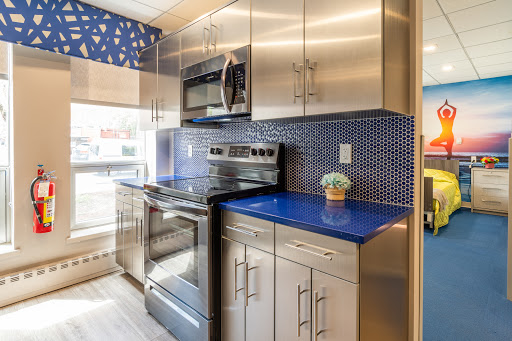
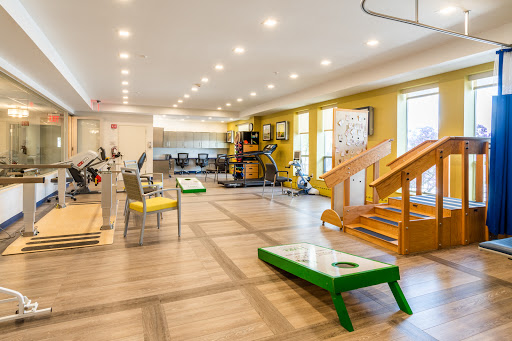
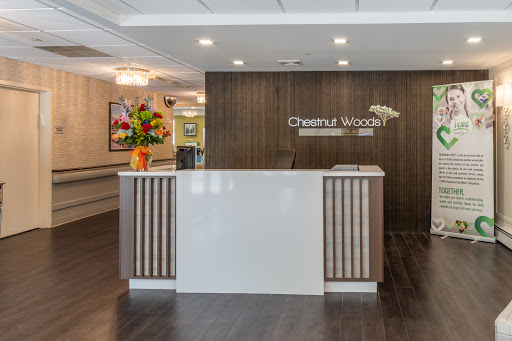
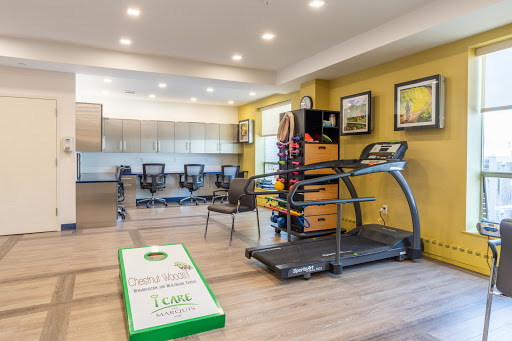
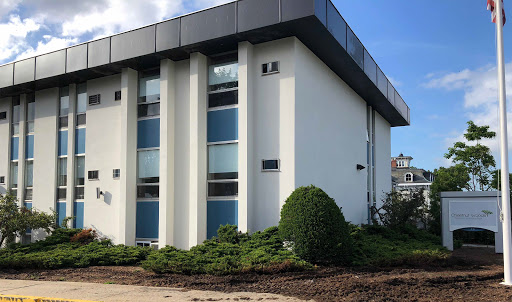
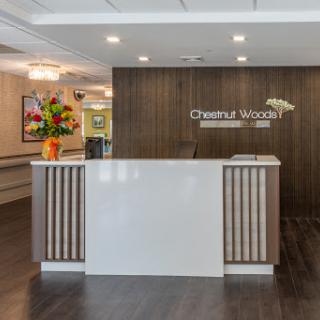
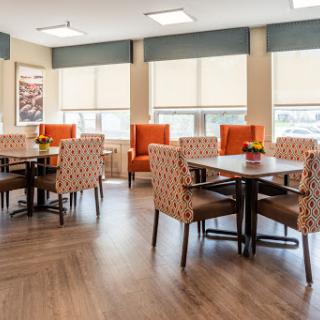
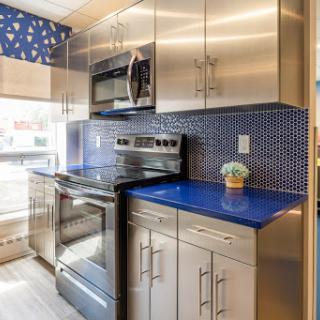
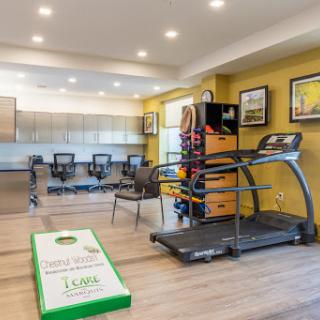
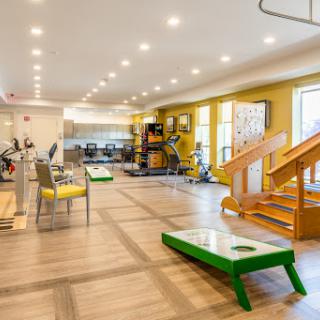
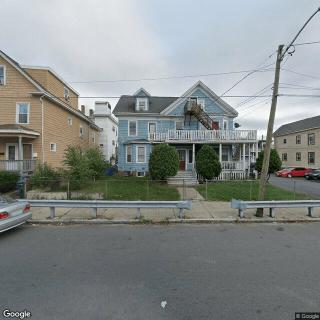
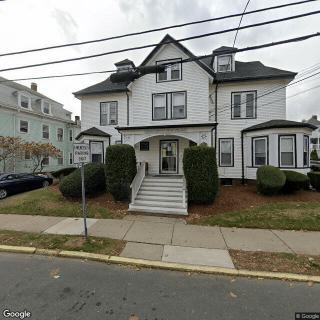
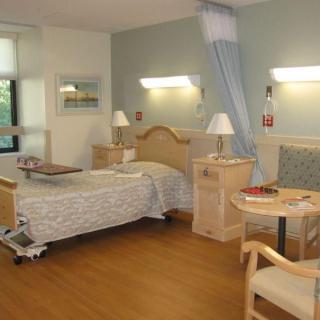
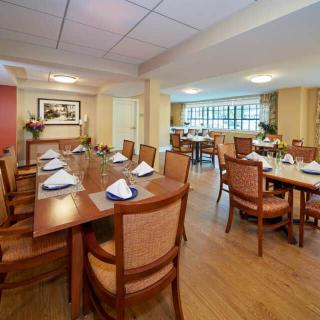
Chestnut Woods Rehabilitation And Healthcare Center on seniors.fyi includes 9 photos including images showing exercise equipment, interior, dining, building, flag, architecture, landscaping, treadmill, and more.
Nearby Communities
The Rubin Home Assisted Living
Saugus, MA
4.5 from 14 reviews
Compassionate, family-like staff with a clean, well-maintained environment and good meals.
Saugus Rehab And Nursing
Saugus, MA
2.9 from 41 reviews
Clean, well-maintained facility with friendly staff and engaging activities.
Phillips Manor Nursing Home
Lynn, MA
4.3 from 7 reviews
Small, secure, well-maintained facility with around-the-clock licensed nursing care and comfortable rooms.
Epilogue Healthcare Services, INC
Lynn, MA
4.3 from 98 reviews
Convenient access to nearby amenities including cafes, restaurants, parks, pharmacies, physicians, places of worship, a hospital, and transportation.
Baker Manor Rest Home
Lynn, MA
4.5 from 6 reviews
Close to pharmacies, physicians, restaurants, parks, and a hospital, with a secure, personalized care environment.
Community Rest Home
Lynn, MA
2 from 2 reviews
Prime location with extensive nearby amenities.
Lynn Shore Rest Home
Lynn, MA
3.5 from 2 reviews
Clean, spacious rooms with 24/7 nursing and strong security.
Lighthouse Nursing Care Center
Revere, MA
4.2 from 129 reviews
Warm, friendly staff and a clean, engaging environment with organized activities.
Forestdale Park
Malden, MA
4.8 from 52 reviews
Well-kept, recently renovated with attentive staff and engaging activities.
Medicaid coverage for assisted living varies by state and is primarily available to low-income individuals, with eligibility dependent on strict income and asset limits. Some states offer HCBS waivers for specific services in assisted living, but families must generally cover room and board costs, and should verify facility acceptance of Medicaid while considering potential waiting lists.
Medicaid waivers for assisted living services provide vital support for seniors and individuals with disabilities in need of long-term care, with varying state-specific eligibility criteria and benefits. These waivers cover personal care and case management but often do not fully cover room and board, leading to waiting lists for many applicants.
The article compares assisted living and skilled nursing facilities, detailing their differing levels of assistance, medical support, cost structures, and day-to-day experiences. It emphasizes that assisted living is for those needing help with daily activities while maintaining independence, whereas skilled nursing facilities provide intensive medical care with 24-hour staff supervision.
Chestnut Woods Rehabilitation And Healthcare Center photos
×
Interior
Outdoors
Building
Dining
Kitchen
Exercise Equipment
Gym
Healthcare
Interior
Dining
Landscaping, Building, and Architecture
Windows, Exterior, and Urban
Kitchen and Appliances
Outdoors and Flag
Lobby, Office, Reception, and Design
Exercise Equipment
Healthcare
Gym, Bright Lighting, Fitness Center, and Stairs
Fitness, Treadmill, Modern Interior, and Recreation Room
Get PricingAsk A QuestionSchedule A TourContact Senior Advisor
By clicking submit, you agree to our Partner's Terms of Use. You
also consent to receive calls and texts, which may be autodialed, from our Partner. Your consent is not a condition to
using our Partner's service. Please visit our Partner's Privacy Policy for information about their privacy practices.





 88 resident community capacity
 Memory Care
 Skilled Nursing Facility
 Air-conditioning
 Beautician on-site
 Cable or satellite TV
 Computer center
 Dining room
 Fitness room
 Fully furnished
 Gaming room
 Garden
 Housekeeping services
 Indoor common areas
 Kitchenette
 Move-in coordination
 Outdoor common areas
 Private bathrooms
 Restaurant-style dining
 Small library
 Telephone
 Wellness center
 Wi-Fi/high-speed internet available
 Gen Edw L Logan International (6 miles away)
 Community operated transportation
 12-16 hour nursing
 24-hour call system
 Activities of daily living assistance
 Assistance with bathing
 Assistance with dressing
 Assistance with transfers
 Diabetes diet
 High acuity care
 Medication management
 Mental wellness program
 Special dietary restrictions
 Concierge services
 Planned day trips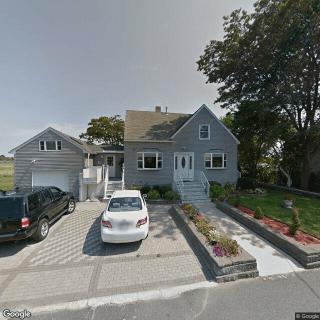
 Compassionate, family-like staff with a clean, well-maintained environment and good meals.
 How and When Medicaid May Cover Assisted Living Costs
 A Detailed Exploration of Assisted Living Medicaid Waivers Across the United States
 Exploring the Contrasts Between Assisted Living and Skilled Nursing