
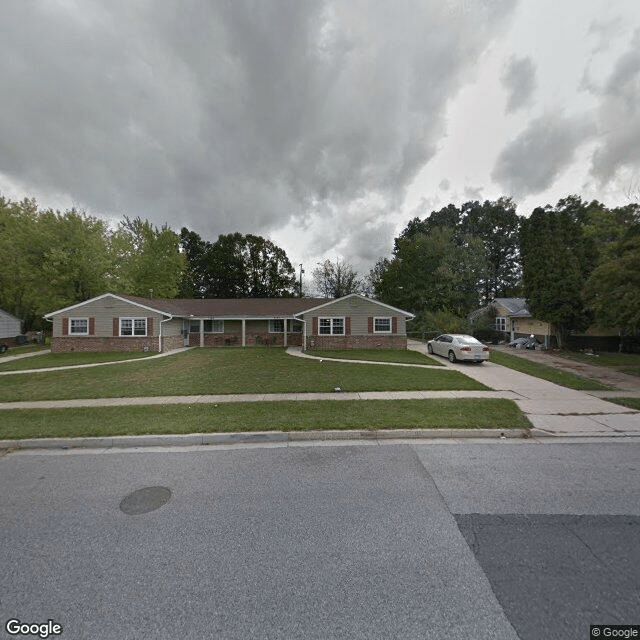
7167 Fairbrook Rd, Windsor Mill, MD 21244
To contact a resident: (410) 842-3154
For more information about senior living options: (866) 208-4318
The Family Touch Assisted Living Costs & Pricing
The Family Touch Assisted Living offers a compelling value for those seeking quality care, with monthly costs significantly lower than the averages observed in both Baltimore County and the broader state of Maryland. For semi-private accommodations, residents at The Family Touch pay $1,500 per month, which is substantially more affordable compared to the county average of $3,584 and the state average of $3,545. Similarly, private room options are priced at $1,800 per month - again well below the Baltimore County average of $4,031 and the Maryland average of $4,112. This pricing structure reflects The Family Touch's commitment to providing accessible assisted living solutions while ensuring a high standard of care and comfort for its residents.
| Floor plans | The Family Touch Assisted Living | Baltimore County | Maryland |
|---|---|---|---|
| Semi-Private | $1,500 | $3,584 | $3,545 |
| Private | $1,800 | $4,031 | $4,112 |
Memory care communities with a similar price nearby
-
from +$200 / mo
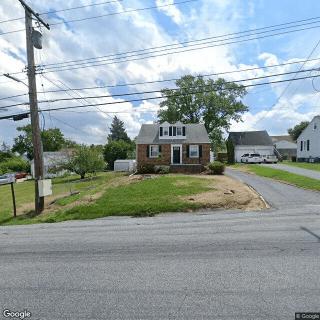
Moms & Pops Place
$1,700 to $2,000 / month13.3 miles away -
from -$156 / mo
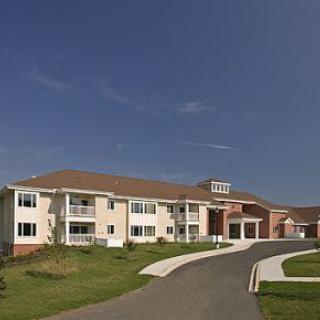
Augsburg Village
$1,344 to $3,600 / month3.4 miles away -
from -$200 / mo
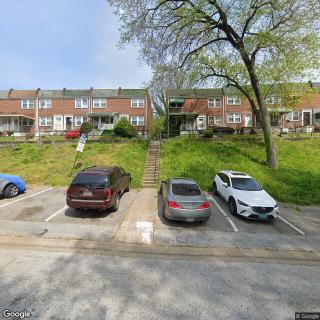
A Ray of Light Assisted Living
$1,300 / month4.9 miles away -
from +$200 / mo
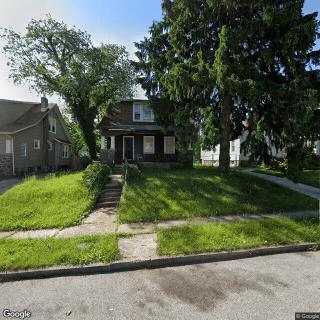
All In The Family
$1,700 to $2,500 / month5.1 miles away -
About the same
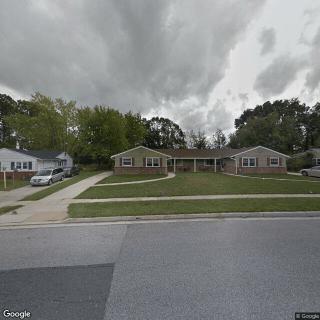
Family Touch 2
$1,500 to $1,800 / month0.0 miles away
Overall Review of The Family Touch Assisted Living
Pros
 They are very clean and very friendly.
- They are very caring and the staff are very concerned.
- The activities are charted out for the month.
- They would recommend this facility to anyone looking for options for their loved one.
- They would let you know if anything was out of the ordinary with your loved one.
- It is a beautiful place.
- The food is good, and you always know what you are having.
Review
The Family Touch Assisted Living in Windsor Mill is best suited for seniors who want a clean, welcoming environment with consistently attentive staff, reliable monitoring, and a home-like setting. Families seeking reassurance that their loved one will be treated with warmth, respect, and regular updates will find this community particularly compelling. The setting is described as beautiful, and the dining experience is predictable and satisfying, with menus that clearly communicate daily choices. In short, this community serves residents who prize reliability, visible care, and a tidy, aesthetically pleasing home base.
Alternatives should be considered for loved ones who require more advanced medical oversight, memory-care support, or a wider range of programming. The sole review highlights strong day-to-day care but provides little detail on skilled nursing coverage, night-time responsiveness, or specialized dementia services. If budgeting is a concern or if a multi-level care path is desired, families will want to compare pricing, floor plans, and accessibility of additional care services at other communities before making a final commitment.
The core advantages work in concert to deliver a solid daily experience. A clean, calm, and attractive environment reduces stress and supports overall well-being, while a caring staff described as attentive and proactive builds trust and consistency in care. The ability to be informed when something is out of the ordinary and the commitment to stay on top of concerns translates into tangible peace of mind for families managing ongoing health issues. Monthly activity calendars signal a structured approach to engagement, helping residents stay connected and cognitively stimulated. The consistently good dining experience further reinforces quality of life, reinforcing dignity and predictability around meals.
Still, the lack of explicit information about higher-acuity care and memory support presents a clear blind spot. The review does not address nurse-to-resident ratios, availability of licensed nursing around the clock, or the presence of a dedicated memory-care program, factors that can be pivotal for residents with chronic conditions or advancing dementia. The limited data point also warrants verification of consistency across shifts and days, and underscores the importance of a firsthand visit to observe how staff respond to routine challenges and emergencies.
Those strengths partially offset the potential gaps by building a framework of safety, comfort, and engagement. A pristine, well-maintained setting paired with compassionate staff reduces daily risks and elevates the quality of life, which matters as health needs evolve. Transparent communication, where families receive timely updates about any concerns, diminishes the anxiety of remote caregiving. Engaging programming and predictable meals contribute to stability and mood, supporting overall well-being even when medical complexity increases. In practice, these elements can make the difference between a resident feeling secure and a family feeling informed, which is often the deciding factor in choosing an assisted-living home.
The bottom-line recommendation is straightforward: The Family Touch is a strong prospective match for families prioritizing cleanliness, caring personnel, open communication, and dependable daily routines. It deserves serious consideration for residents who thrive in a well-run, aesthetically pleasing setting with predictable programming and solid meal service. However, for seniors who require robust medical oversight, rapid access to licensed nursing, or specialized dementia care, it is essential to verify these capabilities explicitly and to request current details on staff coverage, care plans, and availability of higher levels of care. With its proven strengths and a clearly positive profile, this community offers practical value and reassurance, just confirm that the care framework aligns with the loved one’s evolving needs before making a final decision.
 Board and Care Home
 Memory Care
 Activities off-site
 Bath tubs
 Beautician on-site
 Devotional services off-site
 Indoor common areas
 Outdoor common areas
 Private
 Private bathrooms
 Respite or short term stays offered
 Wheelchair accessible showers
 Baltimore-Washington International (10 miles away)
 Ambulatory care
 Diabetic care
 High acuity care
 Incontinence care
 Medication management
 Kosher

 Understanding the Distinctions: Assisted Living and Memory Care Explained
 How to Communicate with a Loved One Living with Dementia: 10 Supportive Strategies
 Comprehensive Guide to VA Nursing Homes: A Crucial Long-Term Care Resource for Veterans