
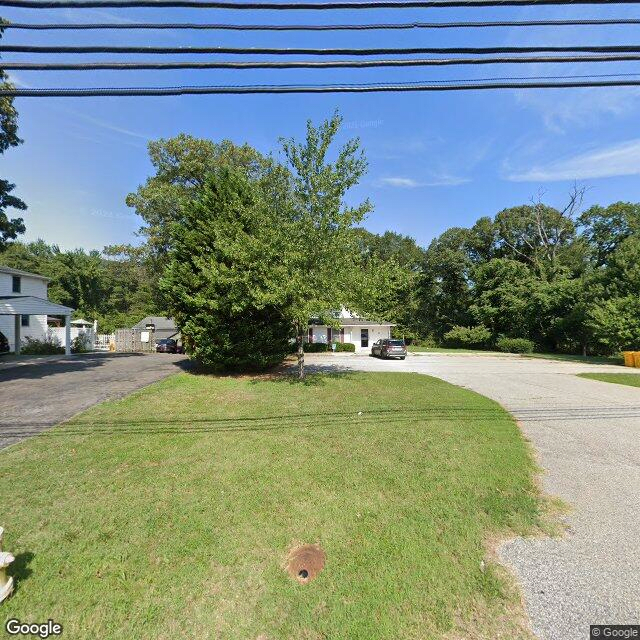
54 Magothy Beach Rd, Pasadena, MD 21122
To contact a resident: (410) 360-1844
For more information about senior living options: (866) 208-4318
Magothy Gardens Assisted Living LLC Costs & Pricing
Magothy Gardens Assisted Living LLC offers competitive pricing for its residents compared to the broader market within Anne Arundel County and the state of Maryland. For a semi-private room, their rate is $3,000 per month, significantly lower than both the county average of $4,109 and the state average of $3,545. Private rooms are priced at $4,000, which aligns closely with the county's cost of $4,162 and is slightly more affordable than the state's average of $4,112. Additionally, for those seeking one-bedroom accommodations, Magothy Gardens charges $4,500 - this surpasses the county's rate of $4,469 yet remains higher than Maryland's average of $3,904. Overall, these figures suggest that while some options may be pricier than nearby alternatives, Magothy Gardens provides significant value especially in their semi-private offerings.
| Floor plans | Magothy Gardens Assisted Living LLC | Anne Arundel County | Maryland |
|---|---|---|---|
| Semi-Private | $3,000 | $4,109 | $3,545 |
| Private | $4,000 | $4,162 | $4,112 |
| 1 Bedroom | $4,500 | $4,469 | $3,904 |
Memory care communities with a similar price nearby
-
from -$500 / mo
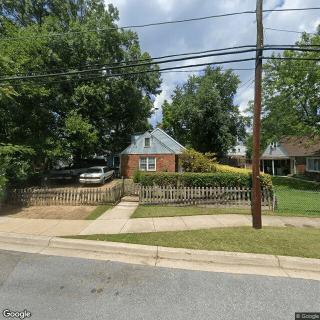
Amazing Grace Senior Care
$2,500 to $3,000 / month24.0 miles away -
from -$530 / mo
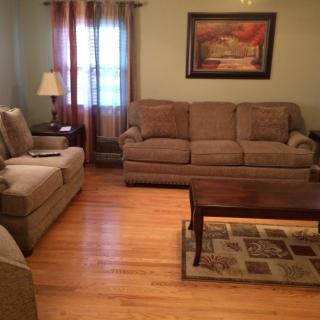
Ovalstone Comfort Home
$2,470 to $3,300 / month14.3 miles away -
About the same

Residences at Vantage Point CCRC
$3,000 to $4,709 / month19.5 miles away -
About the same
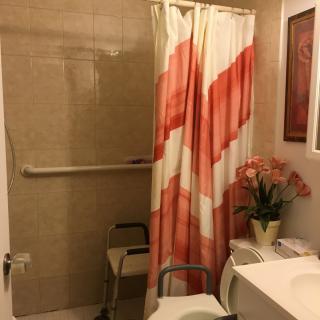
Elder Estates, LLC
$3,000 to $3,250 / month21.5 miles away -
from +$535 / mo

Brightview Perry Hall
$3,535 to $6,340 / month20.7 miles away
Overall Review of Magothy Gardens Assisted Living LLC
Pros
 The staff at Morning Rainbow are kind, friendly, and patient.
- They work hard to keep residents comfortable and safe.
- The team is consistently smiling and helpful.
- Wendy and David, along with the Morning Rainbow staff, are highly recommended.
- Morning Rainbow provides excellent care in a nice environment.
- Residents have private rooms with bathrooms.
- The care is tailored to each resident in a small, quaint setting.
- The food and atmosphere are loved by residents and families.
Cons
 The owner refused to refund the nonrefundable down payment after the father's death, which the reviewer viewed as unfair.
- The owner raised his voice at the reviewer during what should have been a civil conversation.
- The reviewer claimed the owner would rent the room to someone else for another $5,000, implying greed.
Review
This Pasadena, Maryland community described in the reviews is best suited for families seeking an intimate, home-like assisted living experience where care feels individualized, not institutional. It shines for residents who value staff who are consistently kind, patient, and engaged, and for families who want to see caregivers who know daily routines, preferences, and needs. A small, quaint setting emerges as a core strength, with residents often enjoying private rooms with private bathrooms, attentive daily care, and relationships that feel more personal than in larger buildings. The atmosphere is kept warm by staff who routinely anticipate needs, offer cheerful service, and create a sense of everyday normalcy in meals, activities, and conversations.
Those who may want to consider alternatives include families prioritizing large-scale amenities, extensive on-site medical staffing, or formal, documented protocols in every shift. The reviews reveal a potential friction point for those who place premium emphasis on crystal-clear contract terms and financial protections. One family highlighted a nonrefundable down payment and a firm stance on refunds after a loved one’s passing, accompanied by a tense exchange with the owner. That kind of experience matters: it signals a need to scrutinize deposit terms, cancellation policies, and how ownership handles sensitive circumstances. For families that require more robust dispute resolution or flexible financial arrangements, a larger, more policy-driven community may feel safer.
The strong points repeatedly documented, genuine warmth from owners and staff, tailored care, and high resident engagement, often offset the drawbacks tied to its smaller scale. Staffing attention translated into practical benefits: private rooms with bathrooms, timely laundry service, responsive meal service, and a consistently supervised, never-disconnected atmosphere. Residents appear to thrive on personal connections, with caregivers who monitor walking, eating, and daily needs closely. The intimate setting also enables customized meal options and adaptable routines, reducing the risk of residents feeling neglected or invisible. In other words, the best advantages vine together to create a compelling case for families who prioritize relationship-based care over sheer facility size.
When evaluating this style of community, prospective families should verify a few concrete factors. Look for a clearly explained deposit policy and refund terms, and request a sample contract to assess fairness and contingencies around life changes. Observe staff interactions during visits: are caregivers consistently nearby, and do they know residents’ names, preferences, and daily rhythms? Confirm food quality and variety, meal flexibility, and whether options are tailored to individual needs. Ask about laundry turnaround times, daily activity calendars, and safety measures that reflect a resident-focused approach rather than a generic, one-size-fits-all routine. The ability to customize care plans, pace of activities, and responsiveness to changing needs are essential indicators of how well a small setting can adapt over time.
Who benefits most from this approach are seniors who prefer a close-knit, attentive environment where staff-to-resident ratios allow for meaningful, ongoing conversations and observational care. It suits individuals who value continuity of presence, the same caregivers and owners who recognize personal histories and preferences, and who enjoy a social but not overwhelmed daily life. Families seeking transparency in care decisions and a culture of respectful, compassionate interactions will find this model compelling. Conversely, those who require highly institutionalized surroundings, expansive medical programming, or ironclad financial protections without room for negotiation may want to compare larger communities with more formalized policies.
Bottom line: for families prioritizing warmth, personal attention, and a home-like daily rhythm, a small, owner-driven setting, where staff are described as kind, patient, and eager to tailor care, delivers strong, practical value. The trade-offs primarily revolve around scale and contractual rigidity rather than quality of daily care. Prospective buyers should visit with a checklist in hand: observe staff engagement, confirm private-room amenities, review deposit terms and refund provisions, assess meal and activity customization, and request candid references. If Magothy Gardens operates with the same spirit and can offer clear, fair financial terms, it represents a compelling option for families who want high-touch, relationship-centered assisted living rather than a larger, more impersonal operation.
 Board and Care Home
 Memory Care
 Activities on-site
 Cable or satellite TV
 Devotional services on-site
 Outdoor common areas
 Private
 Wi-Fi/high-speed internet available
 Baltimore-Washington International (9 miles away)
 Anytime dining
 Visiting chaplain or priest



 8 Key Indicators That Suggest It May Be Time to Transition from Assisted Living to Skilled Nursing Care
 Nourishing the Mind: Essential Dietary Approaches for Dementia
 Understanding Dementia Behaviors: Practical Insights and Strategies for Caregivers