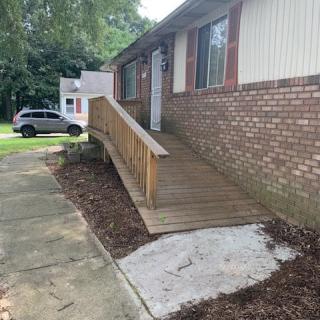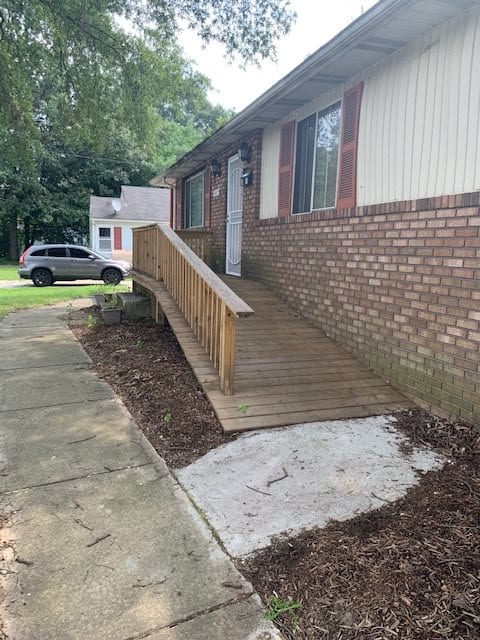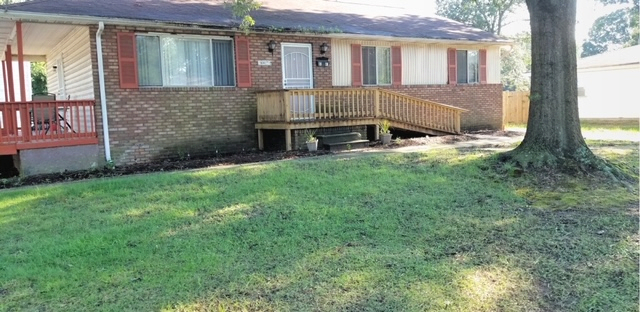
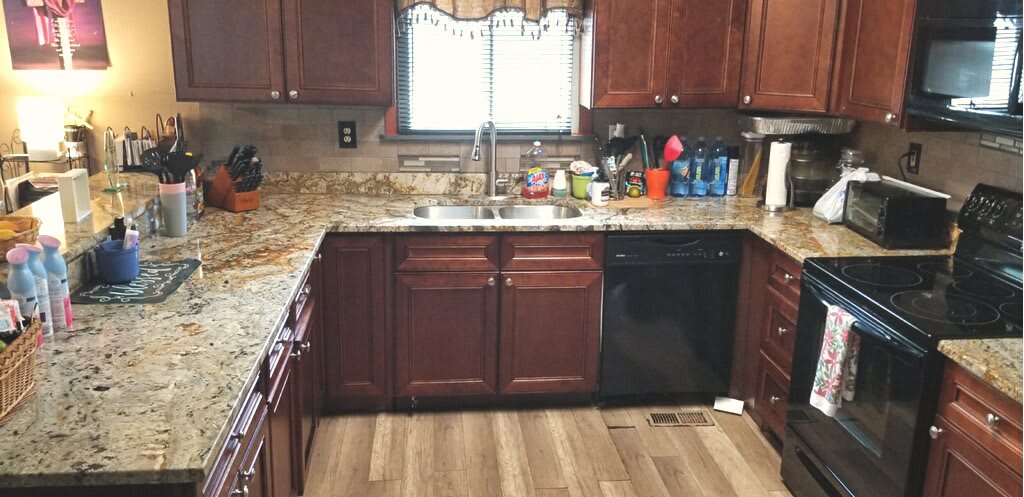
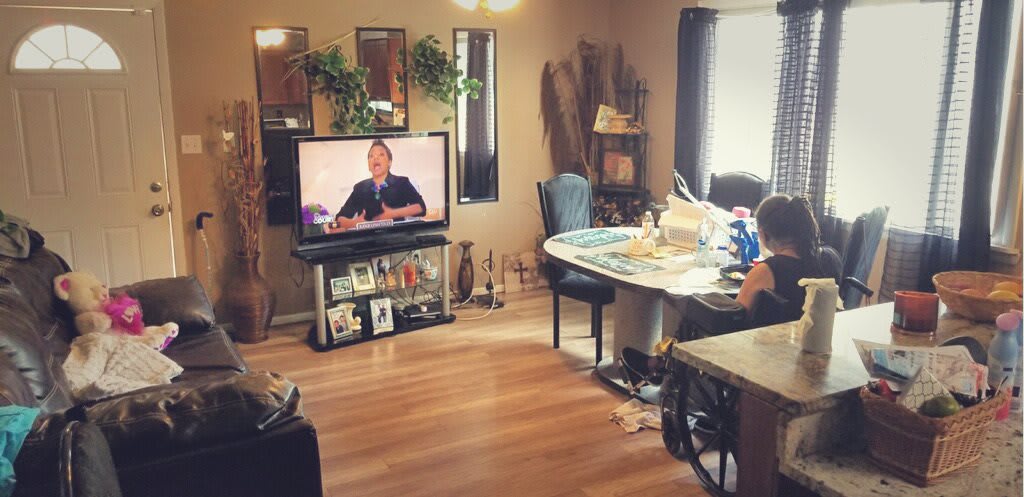
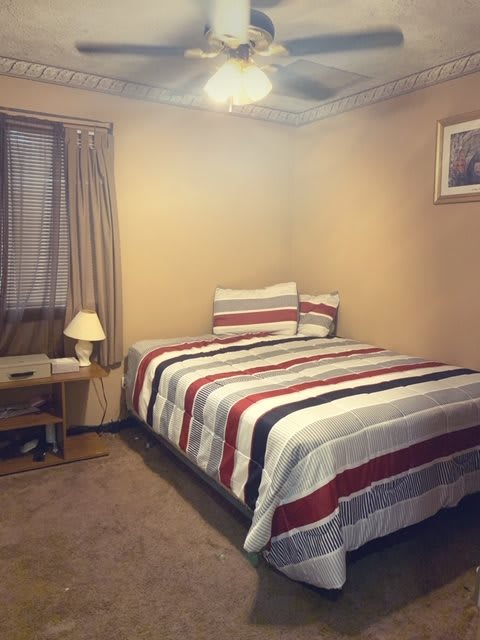
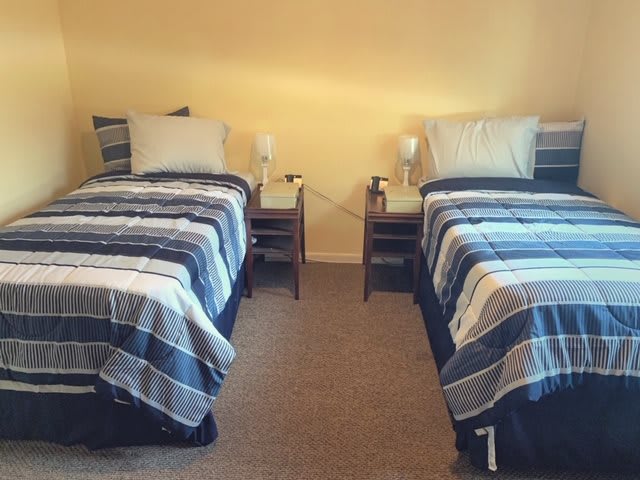
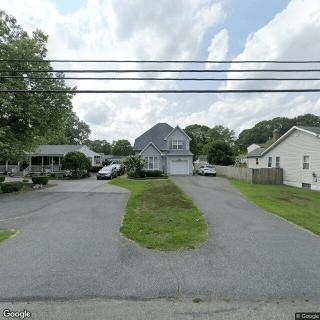
8341 Catherine Ave, Pasadena, MD 21122
To contact a resident: (443) 597-6729
For more information about senior living options: (866) 208-4318
Martin's Love & Care ALH, LLC Costs & Pricing
At Martin's Love & Care ALH, LLC, we pride ourselves on providing quality care at competitive rates. The monthly costs for our semi-private room stand at $3,900, which is notably lower than the average rate of $4,109 in Anne Arundel County and aligns favorably against the state average of $3,545. Similarly, our private room option is priced at $4,900, which remains slightly above the county average of $4,162 but offers exceptional value when compared to the Maryland state average of $4,112. We believe that our pricing reflects not only the level of comfort and care provided but also an understanding of the broader market dynamics in which we operate.
| Floor plans | Martin's Love & Care ALH, LLC | Anne Arundel County | Maryland |
|---|---|---|---|
| Semi-Private | $3,900 | $4,109 | $3,545 |
| Private | $4,900 | $4,162 | $4,112 |
Senior living communities with a similar price nearby
-
from -$700 / mo

Mumsey's Residential Care
$3,200 to $5,400 / month18.4 miles away -
About the same
AllView Retreat
$3,800 to $5,000 / month18.5 miles away -
from -$400 / mo

Greenway Manor
$3,500 to $3,800 / month20.7 miles away -
About the same
A C E
$3,800 / month15.5 miles away -
from -$400 / mo
Unique Care Assisted Living
$3,500 to $4,000 / month16.3 miles away
Overall Review of Martin's Love & Care ALH, LLC
Pros
 They take excellent care of mom.
- The staff is fantastic.
- They clean constantly and the facility doesn’t smell.
- They care about the people they take care of and are very kind.
- The staff and the owner take excellent care of residents.
- They are compassionate and hardworking.
- The mom is happy with the care.
Cons
 Her mother was hospitalized for dehydration after not receiving enough water or fluids.
- She was discharged to another nursing home and placed under hospice.
- They demanded full payment for June.
- The reviewer cautioned against sending loved ones there if they can't live independently.
- There is a communication issue with the staff, who only speak Chinese.
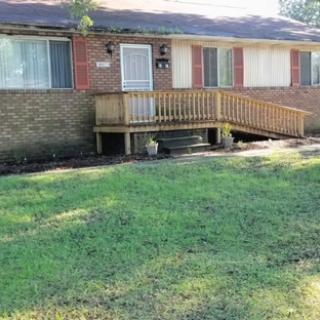
- The facility is a little older.
Review
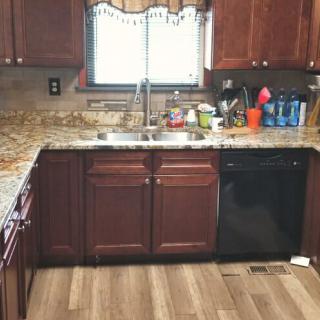
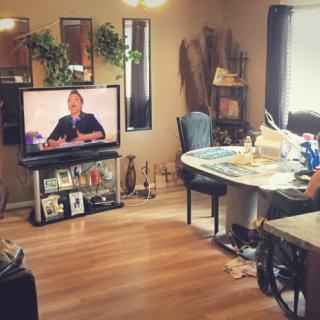
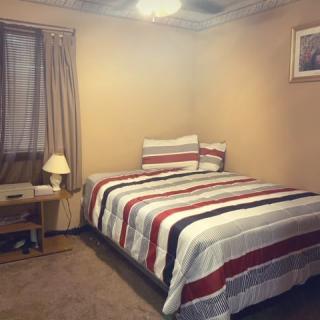
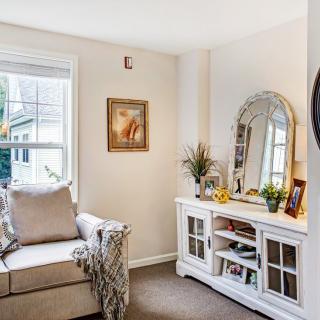
Martin's Love & Care ALH, LLC in Pasadena, MD is best suited for families seeking a warm, hands-on caregiver environment where a loved one can receive daily assistance and close, personal attention. This community appears most appropriate for residents who need help with activities of daily living and thrive on steady human contact from dedicated staff, including those navigating memory impairment or progressive conditions that require constant monitoring. The emphasis on a home-like atmosphere, with staff who are described as caring, patient, and consistently attentive, makes it a practical fit for families prioritizing well-being and companionship over institutional polish.
Those weighing alternatives should consider whether a resident's needs push beyond the scope of assisted living in a smaller, intimate setting. If independent living is still a primary objective or if the expectation is extensive on-site medical oversight, other facilities with broader clinical resources may be a better match. Additionally, language dynamics within the caregiving team can influence daily communication for some families; reviews note staff who speak primarily Chinese, with the owner frequently present to bridge gaps. If clear, multilingual communication and robust, on-demand medical management are non-negotiable, families may want to evaluate competing options.
The strongest pros, compassionate, attentive staff, and a consistently clean, pleasant environment, do substantial work in offsetting some drawbacks. The reviews repeatedly highlight a caring culture and a staff that genuinely prioritizes residents’ well-being, with constant cleaning and a homey feel that helps residents settle in. This level of care often translates into meaningful daily stability for residents who require supervision and personal care, and it can mitigate the discomfort some families feel about aging, smaller facilities that lack the gloss of newer properties. In short, the human-centered approach and reliable maintenance are meaningful compensators for what is an older facility footprint.
However, several red flags warrant careful scrutiny before committing. A dehydration incident that led to hospitalization and hospice placement for a resident signals a potential gap in daily fluid management and monitoring protocols. The financial aspect cited, being charged for a month of care after hospitalization, raises questions about billing practices and the terms of residency during extended medical events. These factors cannot be dismissed; they directly impact safety and trust. The combination of an older physical plant and these care-financial concerns means risk tolerance will be higher for families who place paramount importance on coherent care continuity and transparent, predictable billing.
To move from concern to confident decision-making, families should demand concrete assurances: a detailed hydration and nutrition protocol with documented daily fluid intake goals, scheduled nursing oversight, and clear escalation steps if a resident shows signs of dehydration or distress. Request a current care plan with daily routines, medication management processes, and access to physician or nurse practitioner visits. Confirm billing policies around hospitalizations and interim care, and ask for written policies on refunds, hold periods, and transition planning. Meeting the owner and direct frontline caregivers during a trial visit can also illuminate whether the care philosophy aligns with expectations and whether communication remains effective despite language nuances.
In the end, Martin's Love & Care ALH, LLC offers a compelling option for families seeking a devoted, home-like setting where staff dedication and daily attentiveness are the defining strengths. It is a solid match for residents who need steady hands-on care and who prefer a warm, small-community atmosphere with a trusted caretaker presence. For families prioritizing independent living, extensive medical oversight, or a facility with modern infrastructure and broader language accessibility, alternatives should be explored. With transparent conversations about hydration management, care plans, and billing, this community can be a steady, compassionate home for a loved one, provided the care framework is clearly understood and consistently upheld.
 Board and Care Home
 Activities on-site
 Bath tubs
 Cable or satellite TV
 Devotional services off-site
 Indoor common areas
 Outdoor common areas
 Private
 Wi-Fi/high-speed internet available
 Baltimore-Washington International (9 miles away)
 Ambulatory care
 Diabetic care
 High acuity care
 Incontinence care
 Medication management
 Gluten-free
 BBQs or picnics
 Birthday parties


 Navigating the Tax Landscape of Caregiving: Credits, Deductions, and Beyond
 Highly Beneficial Low-Impact Exercises for Senior Living Residents
 Is In-Home Healthcare Tax Deductible? Your Comprehensive Guide