
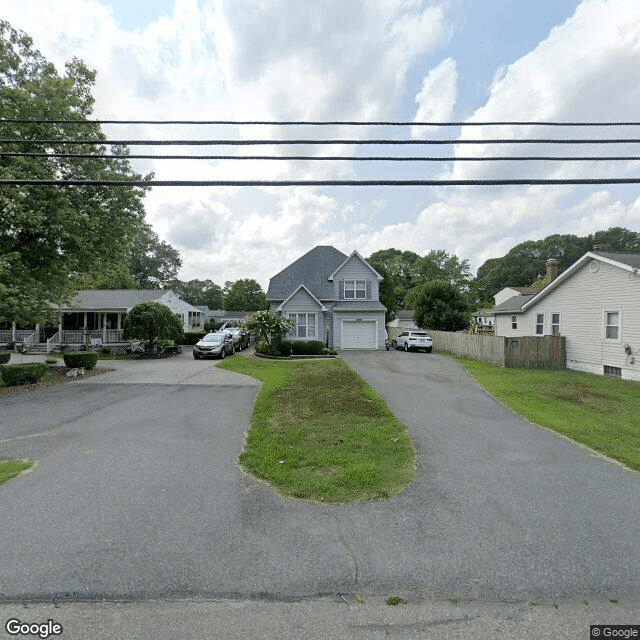
8010 Catherine Avenue, Pasadena, MD 21122
For more information about senior living options: (866) 208-4318
Overall Review of Rose Garden Cottage
Pros
 The assisted living home is very nice.
- It is very clean.
- They provide great care.
- The meals are delicious.
- The Rose Garden is highly recommended for loved ones who need an assisted living home.
Review
Rose Garden Cottage in Pasadena, MD is best suited for seniors who want a compact, home-like assisted living experience where cleanliness, daily attentiveness, and home-cooked meals are the primary currencies of quality care. This is the kind of residence that appeals to families seeking a warm, non-institutional atmosphere where staff can form consistent, personal relationships with residents. The short, straightforward praise in the available feedback, describing the home as very nice, clean, and offering great care with delicious meals, reads as a strong signal that the core living experience is reliable and genuinely comfortable. For residents who prize a hands-on, caregiver-focused environment and a setting that feels like a caring, small household, Rose Garden Cottage checks those boxes with credibility.
Those weighing alternatives should note who may not be best served by a single small-home model. For seniors with more intensive medical needs, complex nursing requirements, or the necessity for memory-care specialized programming, a larger assisted living campus or a continuing-care community may deliver the level of medical oversight and structured support that becomes essential over time. Likewise, families planning for a broader activity calendar, on-site rehabilitation services, extensive therapy options, or highly coordinated transportation and outings could find a larger operation more aligned with long-term goals. Location and budget considerations also matter: if proximity to particular medical providers or access to diverse social programming are priorities, it pays to compare Rose Garden Cottage against facilities that explicitly advertise those capabilities.
The strongest positives, the clean, well-kept environment and the evident quality of daily care, offer real practical offset to means-tested concerns about scale. A smaller setting usually translates into more consistent staffing, quicker caregiver response times, and a level of personalized attention that can feel transformative for daily life in assisted living. When meals are described as delicious and the atmosphere as pleasant, those factors directly influence mood, appetite, and overall satisfaction, which in turn affect health outcomes and family peace of mind. In this light, the pros function as a practical shield against the potential gaps that a leaner services model may present, such as fewer on-site medical resources, a less expansive menu of activities, or limited access to specialized therapies. Yet the counterweight remains: without explicit evidence of robust medical oversight or memory-care programming, questions about the scope of services for residents with evolving needs persist.
From a decision-making standpoint, this setting is well-suited for decision-makers who value a home-like feel paired with dependable day-to-day care and a focus on cleanliness and good meals. It is particularly appropriate for seniors who already function with light to moderate assistance and who do not require rapid access to on-site clinicians for complex issues. Families should expect to engage in due diligence around care planning, staffing patterns, and emergency protocols, and should verify that the level of oversight aligns with current and anticipated health needs. A candid conversation with the administrator about 24/7 nursing presence, on-call physicians, and the availability of rehabilitative services will clarify whether Rose Garden Cottage can maintain its high baseline as needs evolve.
One clear caveat emerges from the available information: the reassurance of a single positive review provides an important, but narrow, lens. With only one data point, the consistency of cleanliness, care quality, and meal standards across shifts and seasons cannot be fully assessed. That necessitates a prudent approach, plan visits, observe caregiving in real time, and speak with current residents and family members about day-to-day experiences. In parallel, request documentation such as licensing status, past inspection results, staff-to-resident ratios, and details about care-plan updates. Investigate what happens after hours, how emergencies are handled, and what options exist for transportation, social programming, and third-party medical services. The aim is to confirm that the glow of a favorable first impression holds under longer-term scrutiny.
Bottom line: Rose Garden Cottage offers a compelling proposition for families seeking a smaller, home-centered assisted living experience that delivers cleanliness, attentive care, and meals that are genuinely well-regarded. It stands as a strong choice for residents who thrive in a intimate setting and prioritize daily quality of life over a broad, campus-style amenities slate. At the same time, prospective buyers should explicitly contrast it with alternatives that provide deeper medical support, more expansive programming, or specialized memory-care options if those needs are likely to emerge. The prudent path is a structured visit sequence: tour the space, meet the caregiving team, review sample menus and care plans, and compare a few options side by side. In doing so, the decision will align with the residentā€™s current requirements and projected trajectory, delivering clarity where a single, laudatory review could otherwise leave questions lingering.
 7 resident community capacity
 Assisted Living
 Cable or satellite TV
 Dining room
 Fully furnished
 Garden
 Housekeeping services
 Move-in coordination
 Outdoor space
 Telephone
 Wi-Fi/high-speed internet available
 Baltimore-Washington International (7 miles away)
 24-hour supervision
 Activities of daily living assistance
 Assistance with bathing
 Assistance with dressing
 Assistance with transfers
 Diabetes diet
 Meal preparation and service
 Medication management
 Special dietary restrictions
 Transportation arrangement (medical)
 Transportation to doctors appointments




 Comprehensive Insights into Activities of Daily Living (ADLs) and Their Assessment
 Medicare Coverage for Assisted Living: An In-Depth Exploration
 Choosing the Right Senior Care: A Detailed Exploration of Assisted Living and Nursing Homes