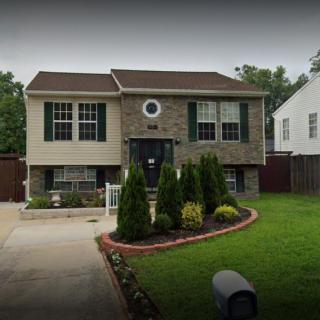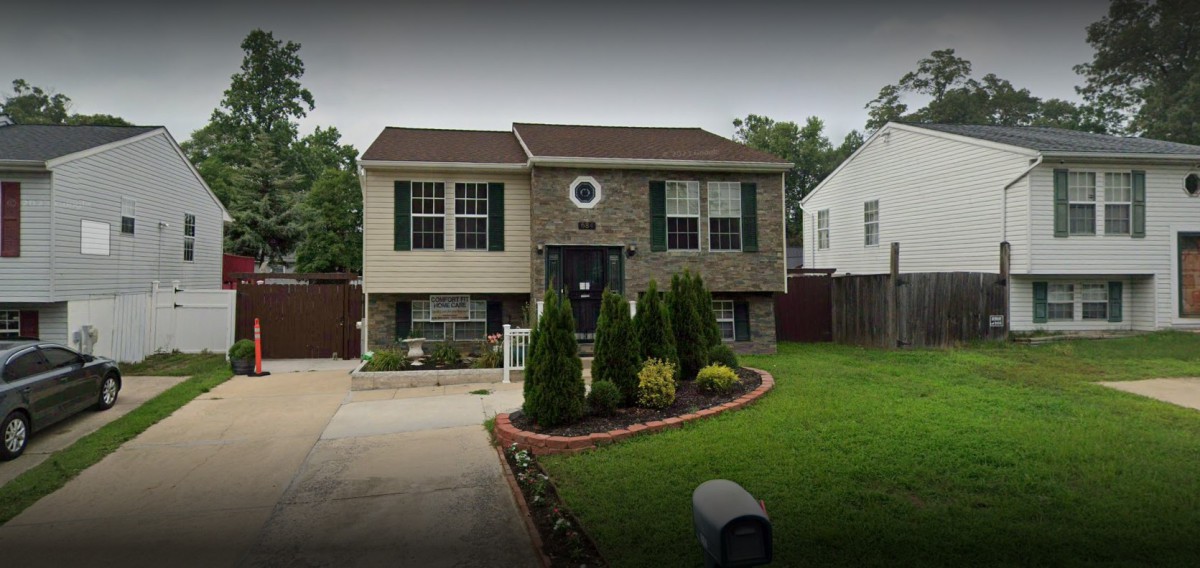
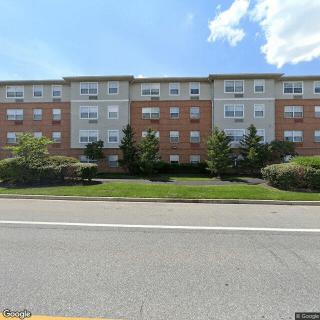
682 209Th Street, Pasadena, MD 21122
For more information about senior living options: (866) 208-4318
Comfort Fit Home Care Costs & Pricing
Comfort Fit Home Care offers competitive pricing for its services compared to both Anne Arundel County and the broader Maryland state averages. With a monthly rate of $1,700 for semi-private accommodations, Comfort Fit significantly undercuts the county's average of $4,109 and the state's average of $3,545. Similarly, for private rooms, Comfort Fit's rate of $2,300 is more affordable than the county's average of $4,162 and is also lower than the statewide average of $4,112. This pricing structure not only highlights Comfort Fit Home Care's commitment to providing quality care at accessible rates but also positions it as a valuable alternative for families seeking assistance while remaining mindful of their budget.
| Floor plans | Comfort Fit Home Care | Anne Arundel County | Maryland |
|---|---|---|---|
| Semi-Private | $1,700 | $4,109 | $3,545 |
| Private | $2,300 | $4,162 | $4,112 |
Assisted Living communities with a similar price nearby
-
from +$300 / mo
Senior's Place
$2,000 to $2,500 / month21.4 miles away -
from +$300 / mo

Young at Heart Assisted Living
$2,000 to $2,500 / month24.2 miles away -
from -$200 / mo
Dee's House of Care
$1,500 to $2,000 / month14.5 miles away -
About the same
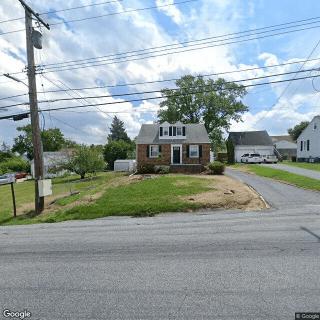
Moms & Pops Place
$1,700 to $2,000 / month16.8 miles away -
from +$300 / mo
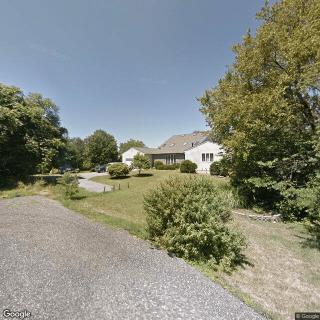
Pearls of Wisdom
$2,000 to $3,500 / month15.4 miles away
Overall Review of Comfort Fit Home Care
Pros
 The care is kind.
- The staff are very nice.
- There are very kind people working there.
- The staff are very kind.
Cons
 Meals are very small.
- Many staff members do not speak English, hindering communication with patients.
- The doors and facility are always closed, with little activity.
- There is no transportation to appointments or anywhere else.
- Communication is rarely understood for suggestions or instructions.
- Staff are very nice but should perhaps consider another profession.
- The cost is over $2,000–$2,600 per month for a bed and three small meals.
- No outings for patients.
- The facility is described as horrendous and seems more about appearance than care.
- There was a reported bed bug incident, and a family removed a patient.
Review
Comfort Fit Home Care in Pasadena, MD appears best suited for a resident who is largely independent and whose family can take primary responsibility for social interaction, medical oversight, and daily engagement off-site. The atmosphere is quiet and the care team can feel friendly and approachable, but the facility does not deliver the level of interaction, transportation, or structured activity that many families expect from an assisted-living option. In practice, this community works only if the resident’s baseline needs are minimal and the family is prepared to fill the gaps with outside programming, visits, and careful monitoring.
Those considering alternatives should note several red flags that contradict the typical expectations for assisted living. Residents who require consistent, English-speaking staff for meaningful communication and accurate care instructions will struggle here. The language barrier translates not only into social isolation but into practical difficulties around meals, medication, and daily routines. The lack of transportation or excursions, and the near-complete absence of organized activities, will be a deal-breaker for anyone who values engagement, continuity of care, or a social calendar. Additionally, concerns about infection control, coupled with reports of a bed-bug incident, should prompt families to seek a facility with verifiable safety and hygiene standards.
The most evident positive note is the demeanor of the staff. Caregivers are described as kind, and there is a sense that residents are treated with courtesy. This soft layer of friendliness can provide reassurance to families when visibility into daily life is limited. Beyond that, however, the practical benefits vanish under the weight of the cons: meals are described as very small, the dining experience minimal, and there is no meaningful plan to bring residents to appointments, social outings, or community events. In short, the compassionate tone cannot compensate for the absence of interaction, mobility support, and opportunities for enrichment that define a high-quality senior living experience.
The core drawbacks outweigh any mild advantages. If a resident needs even modest assistance with daily tasks, medication management, or mobility, the facility’s capabilities appear insufficient. Communication gaps multiply the risk of misunderstandings about routines and preferences, and the lack of transportation or outings means the resident loses access to community life that often preserves mood and cognitive vitality. The absence of regular, active programming translates into a days-equal-to-sleep-and-sit rhythm, hardly a compelling value proposition for families paying upwards of a couple thousand dollars a month. When combined with reports of a problematic infection-control incident, the case for this community becomes even weaker.
From a decision-making perspective, use a clear yardstick: if robust social engagement, reliable transportation, and bilingual staff are essential, this is not the place to invest. Request a visit and insist on speaking with nursing, activities, and dietary supervisors to gauge whether current practices have changed since the reviewed concerns. Compare with nearby options that offer structured activities, transportation services, and better staffing continuity, and verify state-inspection histories for cleanliness and safety. If choosing Comfort Fit, set explicit expectations and a contingency plan, define required meal quality, daily activity participation, and a guaranteed method for scheduling medical or transportation needs, with a clear escalation path if those standards are not met. In most cases, families will conclude that more comprehensive supervision, richer engagement, and stronger communication capabilities justify exploring alternatives rather than pursuing a stay here.
 5 resident community capacity
 Assisted Living
 Board and Care Home
 Cable or satellite TV
 Dining room
 Fully furnished
 Garden
 Housekeeping services
 Move-in coordination
 Outdoor space
 Private
 Telephone
 Wi-Fi/high-speed internet available
 Baltimore-Washington International (7 miles away)
 24-hour supervision
 Activities of daily living assistance
 Assistance with bathing
 Assistance with dressing
 Assistance with transfers
 Diabetes diet
 Meal preparation and service
 Medication management
 Special dietary restrictions
 Transportation arrangement (medical)
 Transportation to doctors appointments



 Comprehensive Insights into Activities of Daily Living (ADLs) and Their Assessment
 Medicare Coverage for Assisted Living: An In-Depth Exploration
 Your Comprehensive Guide to Luxury Assisted Living: Elevated Facilities, Amenities, and Costs