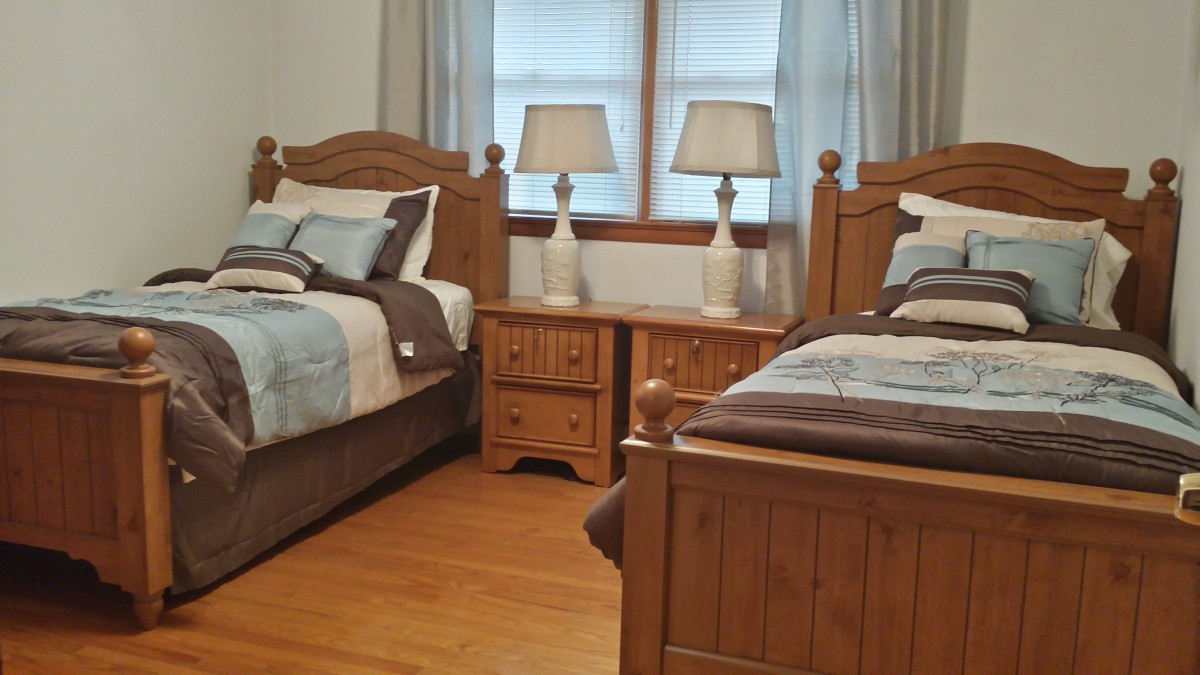
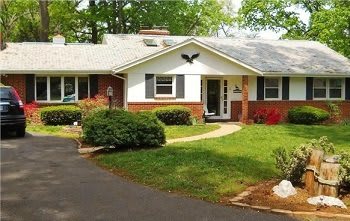
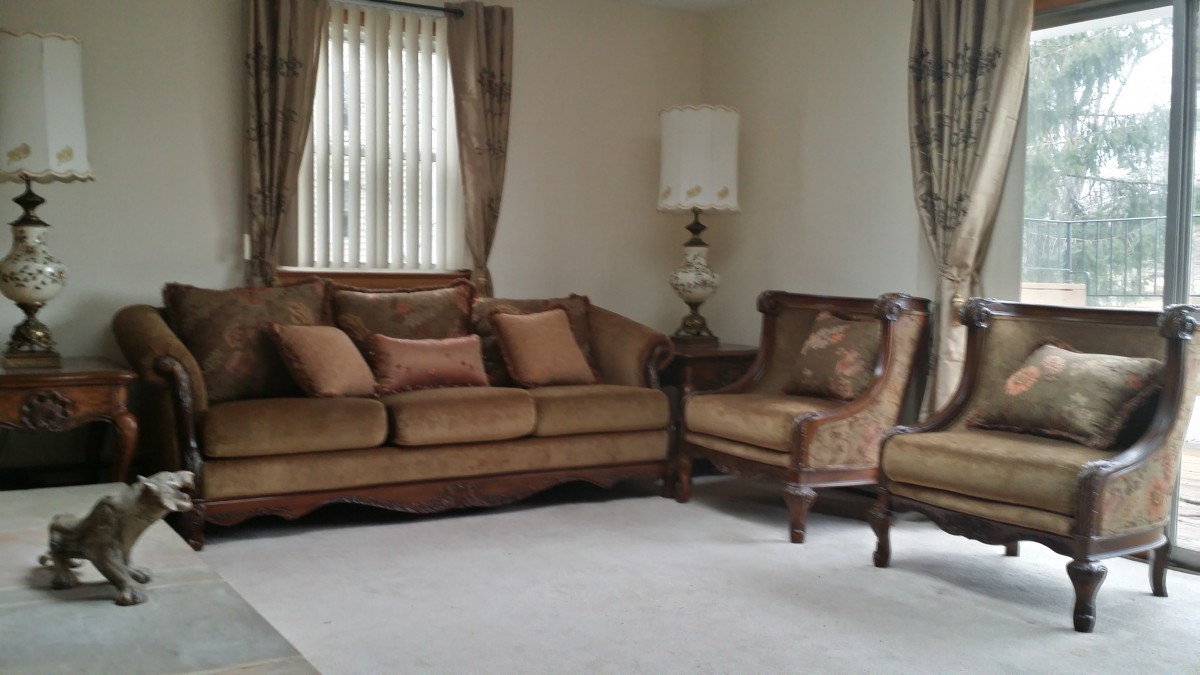
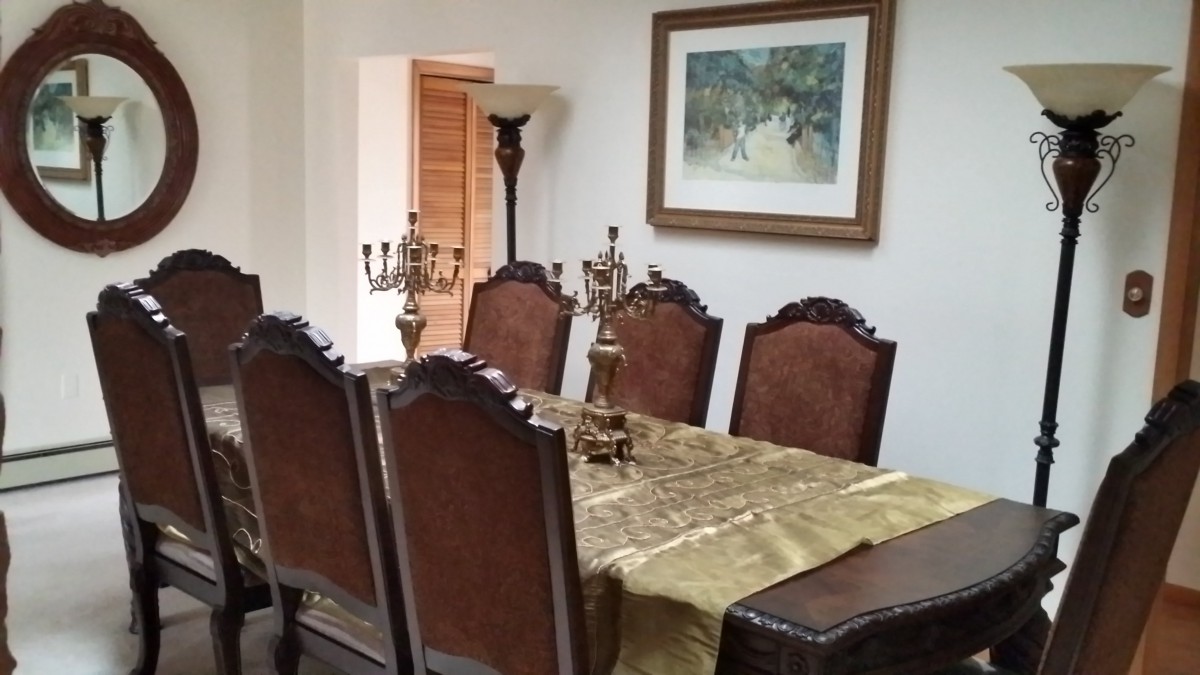





15 Sloan Lane, Pasadena, MD 21122
For more information about senior living options: (866) 208-4318
Abraham's Garden Costs & Pricing
Abraham's Garden offers competitive pricing for its accommodations, with monthly costs for a semi-private room set at $3,600. This rate is notably lower than the average cost of similar semi-private facilities in Anne Arundel County, which stands at $4,109, and it is also slightly more affordable compared to the Maryland state-wide average of $3,545. For those seeking a private room, Abraham's Garden charges $4,200 per month. While this figure is above the county average of $4,162 and the state average of $4,112, it still represents a valuable investment considering the quality of care and services provided. Overall, Abraham's Garden positions itself as an attractive option in terms of affordability and value within the local and state landscape.
| Floor plans | Abraham's Garden | Anne Arundel County | Maryland |
|---|---|---|---|
| Semi-Private | $3,600 | $4,109 | $3,545 |
| Private | $4,200 | $4,162 | $4,112 |
Memory care communities with a similar price nearby
-
from +$400 / mo
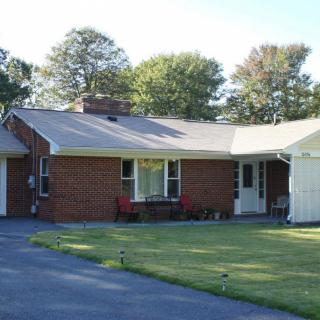
Montgomery Eldercare I
$4,000 to $5,900 / month24.5 miles away -
from +$200 / mo

Montgomery Eldercare II
$3,800 to $5,000 / month24.1 miles away -
from -$600 / mo
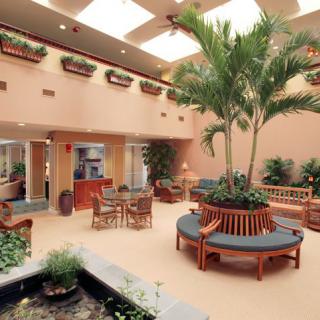
Residences at Vantage Point CCRC
$3,000 to $4,709 / month18.7 miles away -
from +$400 / mo

Morningside House of Friendship
$4,000 to $6,400 / month8.5 miles away -
from -$600 / mo
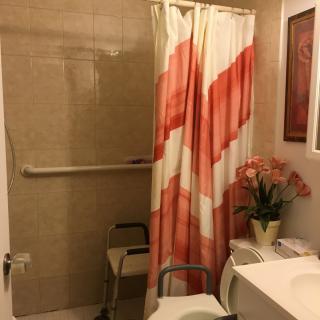
Elder Estates, LLC
$3,000 to $3,250 / month20.1 miles away
Overall Review of Abraham's Garden
Pros
 The staff are friendly and helpful.
- The care is great.
- Communication between staff and families is good, and they keep them well informed.
- The reviewer would recommend the community based on their experience.
- The staff did a great job with the tour and were very friendly.
- They were on time for the appointment.
- They found a community that met their needs overall.
- The food has been excellent.
Cons
 The home is not at all as advertised.
- There is only one caregiver per shift, which is too much for one person to handle.
- The owner, who is also a caregiver, is impatient, rude, and condescending.
- The family moved their relative out shortly after admission.
- There are far nicer and better-staffed facilities in the area.
- The community is slow to implement improvements.
- The community could use an upgrade.
- The staff could not provide a set price for care.
Review
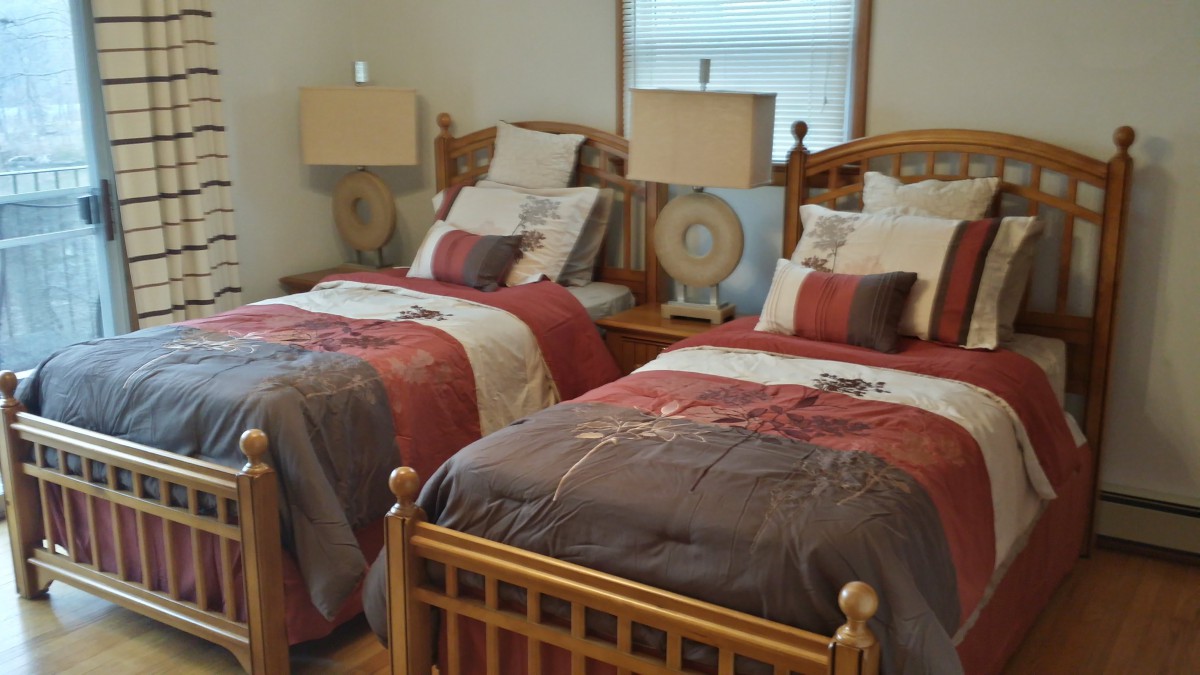
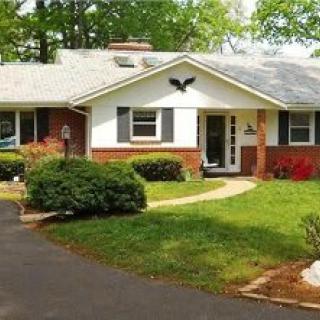
Abraham’s Garden in Pasadena is best suited for families seeking a true home-like setting where a small, intimate staff can offer direct attention. The residence operates on a very modest footprint, reports note around seven residents, which can translate into meaningful, day-to-day familiarity for residents who need help with daily tasks but do not require heavy, round-the-clock medical oversight. When staffing aligns with needs, residents can benefit from timely meals, personal interactions, and a sense of belonging. The core caveat: one caregiver per shift carrying a wide span of duties is the prevailing reality, which makes this community a riskier fit for anyone with higher care needs or a desire for routine, predictable staffing. For steady, modest assistance in a cozy, conversational environment, it can work; for more demanding care, it often does not.
Who should consider alternatives is clear: families with loved ones requiring frequent, specialized medical oversight, high levels of daily assistance, or robust, organized programming will likely be disappointed. Pricing transparency also surfaced as a concern during at least one visit, signaling the potential for unexpected add-ons or changes down the line. If a predictable, professional atmosphere with a larger staff pool, structured activity calendars, and formal dining programs is a priority, exploring other options in the area is prudent. In short, the upside of a homey vibe is real, but the downside is a staffing and programming gap that can widen under pressure.
Pros include a friendly, communicative staff dynamic when turnover is low and the same caregivers are available. The facility’s cleanliness is consistently noted, and residents’ families report being kept well informed, which reduces anxiety during transitions. Meals land in the “solid to good” category for many residents, with anecdotes of improved appetite and healthier choices compared with home dining. The small scale can foster genuine relationships, and there are positive anecdotes of residents engaging in light activities, card games and simple Wii sessions, when enough residents are present to sustain a program. The owner’s hands-on, caregiver role is perceived by some families as a practical strength, enabling quick decisions and a direct line of communication.
Yet the most persistent concerns revolve around staffing and programming. Caregivers per shift are stretched thin, which limits the depth of daily engagement beyond essential care. Reports describe undertraining and inconsistent coverage, contributing to moments when care quality feels reactive rather than proactive. A handful of reviewers also described an impatient or condescending tone from the owner, which undermines trust and complicates collaboration with families. Activity offerings tend to be sporadic, leaving some residents with little structure or social interaction beyond meals. Several notes point to slow progress on improvements and upgrades, and at least one visit highlighted a mismatch between advertised “homemade meals” and what was actually served.
The bottom line is that the positives can be meaningful if staffing is stable and communications remain open, but the negatives are not easily dismissed. For a resident who needs mostly assistance with daily routines, enjoys a high degree of familiarity, and thrives on a simple, predictable routine, Abraham’s Garden can deliver a comfortable, intimate setting. The small size and staff proximity offer genuine warmth and responsiveness when energy and focus are directed to the resident’s core needs. However, for anyone expecting consistent high-level care, robust activity programming, and a fully professional, well-staffed operation, the cons are likely to outweigh the pros.
Decision-makers should verify real-time staffing patterns during a visit, request a candid walk-through with current caregivers, and demand a transparent, written price that delineates what is included. Review the activity calendar and menu to assess whether daily life aligns with the loved one’s preferences and needs, and ask for a concrete plan or timeline for any improvements. If the goal is a larger, more resource-rich environment with predictable care and scheduling, consider alternatives in the area. If the aim is a genuine home-like atmosphere with straightforward communication and manageable expectations around staffing, Abraham’s Garden remains a viable option, but only when a careful, ongoing alignment between resident needs and staffing reality is maintained.
 7 resident community capacity
 Assisted Living
 Board and Care Home
 Memory Care
 Cats allowed
 Dogs allowed
 Activities off-site
 Bath tubs
 Cable or satellite TV
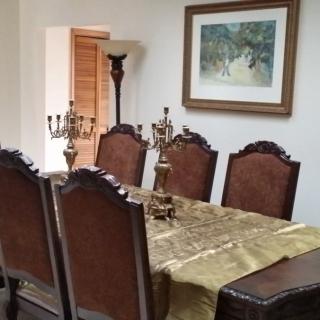
 Dining room
 Fully furnished
 Garden
 Housekeeping services
 Indoor common areas
 Move-in coordination
 Outdoor common areas
 Private
 Private bathrooms
 Respite or short term stays offered
 Telephone
 Wi-Fi/high-speed internet available
 Baltimore-Washington International (8 miles away)
 24-hour supervision
 Ambulatory care
 Assistance with bathing
 Assistance with dressing
 Assistance with transfers
 Diabetes diet
 Diabetic care
 High acuity care
 Incontinence care
 Meal preparation and service
 Medication management
 Special dietary restrictions
 Transportation arrangement (medical)
 Transportation to doctors appointments



 Understanding Medicaid Coverage for Assisted Living: A Comprehensive Guide
 How and When Medicaid May Cover Assisted Living Costs
 A Detailed Exploration of Assisted Living Medicaid Waivers Across the United States