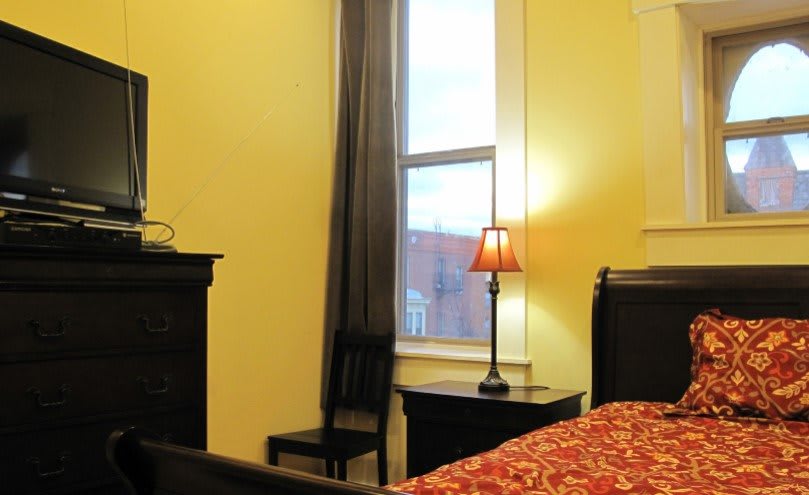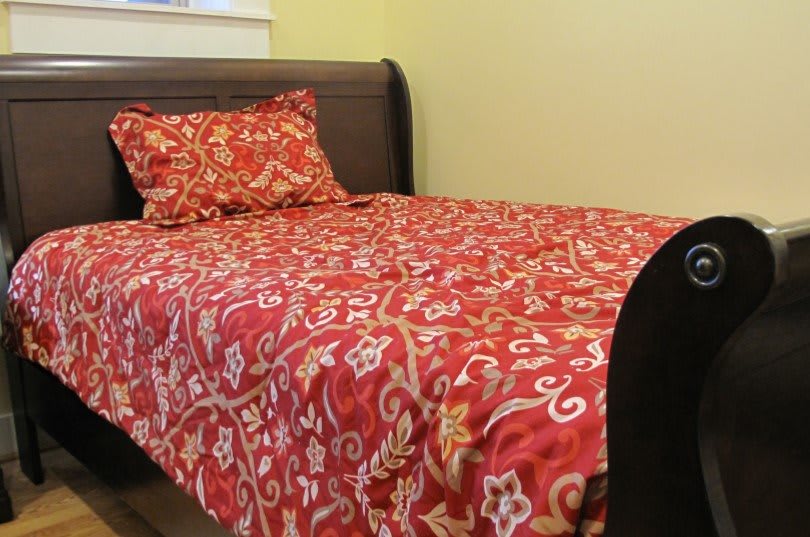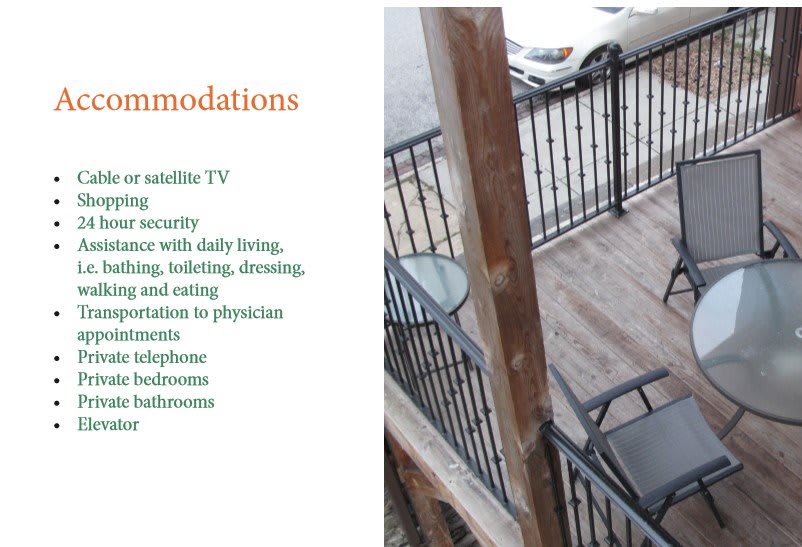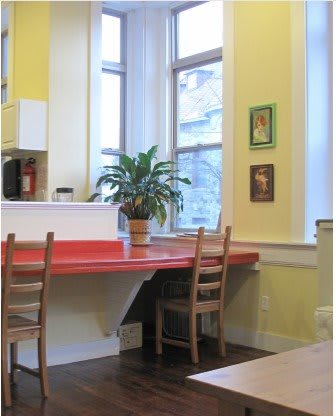


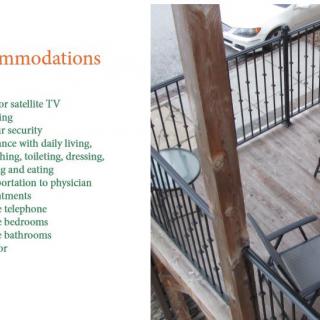

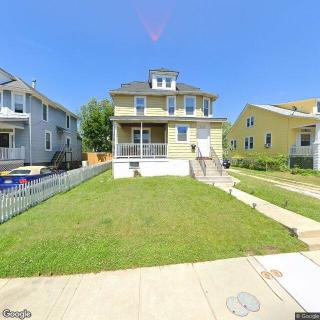
2128 Saint Paul St, Baltimore, MD 21218
To contact a resident: (410) 812-6161
For more information about senior living options: (866) 208-4318
St Paul Assisted Living Costs & Pricing
St. Paul Assisted Living offers competitive pricing for its services, particularly when compared to both Baltimore city and the wider Maryland area. For a semi-private room, residents can expect to pay $2,000 per month, which is significantly lower than the average costs in Baltimore city at $3,116 and throughout Maryland at $3,545. Similarly, private rooms at St. Paul are priced at $2,500 - again more economical than the $3,729 found in Baltimore and the state average of $4,112. Studio apartments follow this trend with a monthly rate of $2,500 compared to $4,060 in Baltimore city and an even higher state average of $4,656. Overall, St. Paul Assisted Living presents an appealing option for individuals seeking quality care without the financial burden typically associated with assisted living facilities in nearby urban centers and statewide averages.
| Floor plans | St Paul Assisted Living | Baltimore city | Maryland |
|---|---|---|---|
| Semi-Private | $2,000 | $3,116 | $3,545 |
| Private | $2,500 | $3,729 | $4,112 |
| Studio | $2,500 | $4,060 | $4,656 |
Memory care communities with a similar price nearby
-
from -$300 / mo
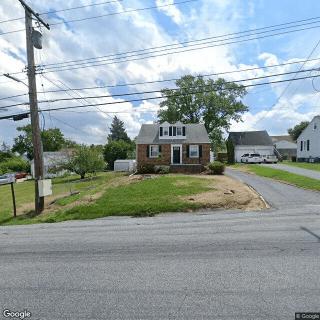
Moms & Pops Place
$1,700 to $2,000 / month5.5 miles away -
from +$280 / mo

Sunrise of Pikesville
$2,280 to $4,225 / month7.6 miles away -
from -$172 / mo
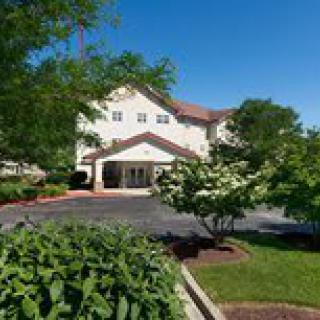
Noble Senior Living at Baltimore
$1,828 to $2,858 / month2.7 miles away -
About the same
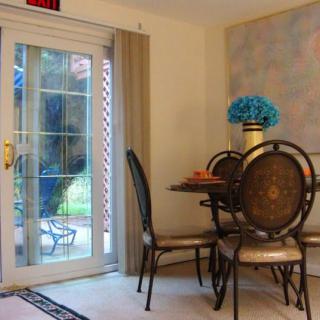
Homestyle - Pikesville
$2,000 to $2,800 / month8.7 miles away -
About the same
We Care First, LLC
$2,000 to $2,500 / month3.1 miles away
Overall Review of St Paul Assisted Living
Cons
 St Paul Assisted Living is an awful place with violations.
- It treats patients with non-skilled personnel.
- There have been many deaths associated with their care.
- Abuse and neglect are what patients get there.
Review
St Paul Assisted Living in Baltimore is best suited for families operating under tight budget constraints who prize local access and are prepared to supervise care closely. The community carries a cautious reputation: a 3.7 overall rating drawn from three published reviews, including two five-star endorsements and a single harsh critique. That split marks a facility at a decision point: cost-conscious care that can be monitored, yet with questions about consistency of staffing and quality of care that ought to trigger thorough due diligence.
Conversely, those balancing safety, reliable skilled nursing, and transparent accountability will want alternatives to this operation. The most damaging concern comes from the one-star review that alleges violations, lack of skilled personnel, abuse, neglect, and even deaths associated with care. While a couple of reviewers may have had more favorable experiences, the severity of these claims creates a risk profile that cannot be dismissed, especially for residents requiring regular clinical oversight or those with complex medical needs.
Pros that can be inferred from positive reviews, such as a sense of routine, social interaction, or a straightforward level of daily care, exist, but they do not deliver the robustness required to offset the main red flags. In practical terms, inexpensive care and convenient location are meaningful advantages, yet they evaporate quickly in the face of reported safety and staffing deficiencies. A community earns trust not by price or proximity alone, but by consistent, well-documented care and proactive protection of residents.
That dynamic forces families to weigh a tangible risk: if staffing is unreliable or non-skilled, incidents escalate beyond isolated missteps. The alleged pattern of violations and neglect implies potential gaps in medication management, supervision, and timely response to calls for help. Even where routine activities run smoothly, the undercurrent of safety concerns undermines the experience for residents and families who expect not just companionship, but dependable clinical support and a culture of accountability.
Practical steps to evaluate this facility against alternatives: request current staffing schedules and turnover rates, review the most recent state inspection and any enforcement actions, and tour with a focus on how care plans are implemented in real time. Compare with other communities that demonstrate solid staffing, ongoing clinical oversight, and transparent reporting. Ask about escalation processes, how family concerns are documented and followed up, and what assurances exist if care falls short.
Bottom line: this community is a narrow fit for families who can tolerate high scrutiny and who must keep costs down, almost at any price. For most families seeking predictable safety, reliable skilled care, and a proven track record, pursuing stronger options with clearer positive outcomes is advised. The decision should hinge on verified staffing adequacy, regulatory history, and the comfort level with ongoing oversight from family and outside professionals.
 Board and Care Home
 Memory Care
 Cats allowed
 Dogs allowed
 Activities off-site
 Devotional services off-site
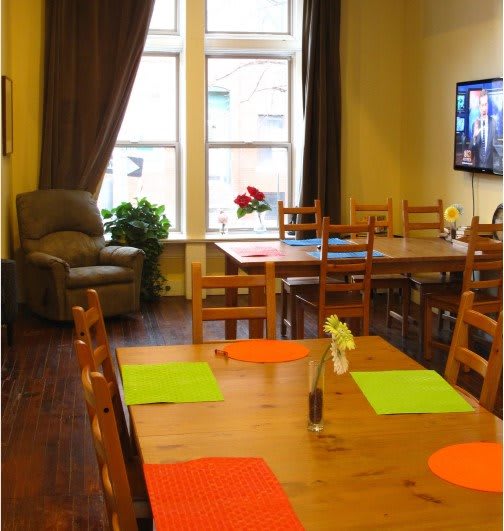
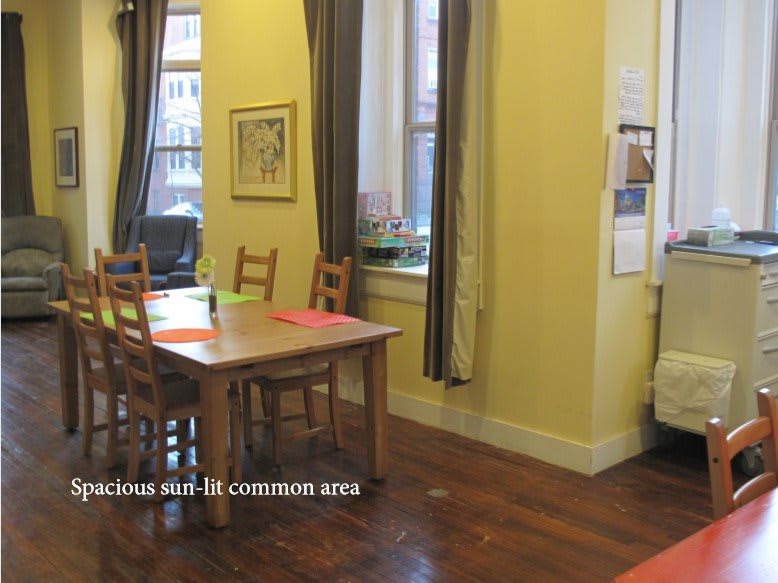
 Indoor common areas
 Outdoor common areas
 Private
 Private bathrooms
 Respite or short term stays offered
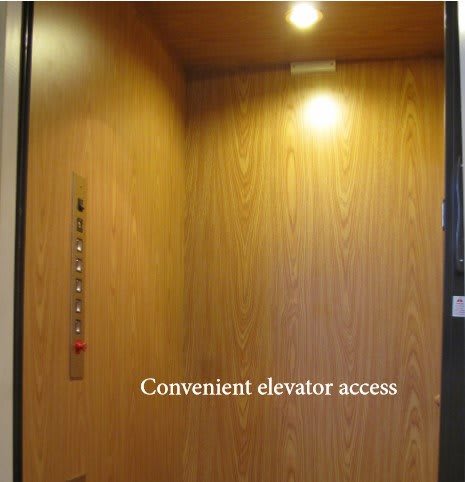
 Wheelchair accessible showers
 Baltimore-Washington International (11 miles away)
 Diabetic care
 High acuity care
 Incontinence care
 Medication management
 Meals provided
 Care-focused assisted living with hospice support and extensive nearby medical and dining resources.


 Choosing the Right Senior Care: A Detailed Exploration of Assisted Living and Nursing Homes
 Safeguarding Your Memory Through the Golden Years: Eight Ways to Preserve Cognitive Health
 Comprehensive Insights into Activities of Daily Living (ADLs) and Their Assessment