


13938 Highway 165, Kinder, LA 70648
For more information about senior living options: (866) 208-4318
Overall Review of Kinder Retirement And Rehabilitation Center
Pros
 The staff is wonderful and very caring.
- The facility feels like family and provides a warm, community-oriented environment.
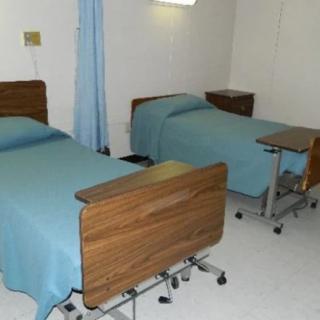
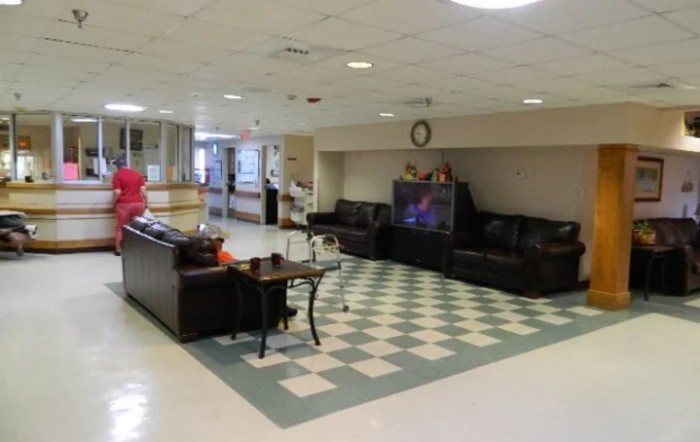
- The place is clean, well-maintained, and pleasant to be in.
- The care team is knowledgeable, confident, and communicates well with families.
- Residents and their families express gratitude for the love, compassion, and kindness shown.
- The overall experience is positive, with residents seen enjoying meals and activities.
Cons
 The father waited forty minutes after pressing the call button, with no one replying.
- A nurse aide allegedly slung the curtain aside, blocking the TV view, and walked out.
- The front desk staff spoke rudely on the phone and refused to disclose their title.
- A staff member denied the curtain incident and raised her voice when questioned.
- Administrators asked about the value of the patient’s property and long-term stay costs instead of focusing on care.
- The reviewer doubted that healthcare staff actually care, despite their positions.
Review
Kinder Retirement and Rehabilitation Center is best suited for families seeking a small, homey setting where residents are known well by the staff, and where daily care feels intimate and personally attentive. The facility’s compact, older campus fosters a sense of family among residents and caregivers, with clean surroundings and a focus on everyday routines that can make a resident feel quietly cared for. For seniors who prioritize warmth, reachable staff, and a feel-good atmosphere over cutting-edge amenities, this center can deliver comfort and stability in a familiar vibe.
Those who may want to consider alternatives are residents with high medical acuity or those who require consistently swift, professional responses to urgent needs. The most troubling patterns in the reviews center on delayed call responses and perceived rudeness from frontline staff, which can be unacceptable in cases of heart conditions or post-surgical rehabilitation. Admin interactions that feel intrusive or unprofessional, such as probing personal financial details during rehab stays, underscore the risk of misaligned priorities. Families seeking formal oversight, transparent billing practices, and reliable, mission-driven communication may find better matches elsewhere.
The strongest positives here are the relationships and the tone set by many staff members. Residents repeatedly describe the place as clean, the atmosphere as family-like, and the care as compassionate and knowledgeable on a day-to-day basis. Several families report that the caregiving team treats residents like kin, with staff who know their preferences and routines, and who appear to take pride in the small, familial culture. These elements can translate into genuine comfort, easier family involvement, and a sense that the resident is not just another chart in a busy facility. The positive anecdotes about mealtime and daily interactions carry weight when deciding if a homier setting is a good fit.
Yet the cons carry serious weight and sometimes outpace the pros. Delays in responding to call buttons, and the frustration of patients and families when visibility and accessibility are compromised, pose real safety concerns. Complaints about privacy and how concerns are handled on the phone reflect a communication gap that undermines trust, especially when health and safety are at stake. Administrative sensitivity around long-term placement, and questions about how rehab stays are evaluated against insurance coverage, point to a need for firmer boundaries and clearer policy communication. In short, the warmth and cleanliness do not automatically compensate for inconsistencies in responsiveness and professional conduct.
Ultimately, the key to deciding hinges on resident needs and family expectations. If a loved one can thrive with a smaller, attentive team, predictable routines, and a setting that feels like extended family, Kinder can deliver meaningful comfort and steady, personable care. For families where rapid responses, rigorously professional tone, and transparent, policy-driven administration matter more than the homey atmosphere, exploring other options will likely yield a better fit. Pros offset the risk when care plans are clear, staffing is stable on the shifts most relied upon, and concerns are promptly and respectfully addressed. When those conditions aren’t reliable, the balance tips toward alternatives with stronger clinical oversight and more consistent communication.
In short, Kinder Retirement and Rehabilitation Center offers a credible, warm option for lower-to-moderate acuity needs within a compact, family-style setting. It is not the best choice for residents whose safety depends on immediate responses or whose families demand unwavering professional boundaries. Families should approach with clear questions about response times, staffing patterns, and how concerns are escalated, and should be prepared to compare with similarly sized facilities that emphasize clinical rigor and transparent administration.
 100 resident community capacity
 Memory Care
 Skilled Nursing Facility
 Air-conditioning
 Beauty salon
 Cable or satellite TV
 Computer center
 Dining room
 Fitness room
 Fully furnished
 Gaming room
 Garden
 Housekeeping services
 Kitchenette
 Move-in coordination
 Outdoor space
 Private bathrooms
 Restaurant-style dining
 Small library
 Telephone
 Wellness center
 Wi-Fi/high-speed internet available
 Community operated transportation
 12-16 hour nursing
 24-hour call system
 Activities of daily living assistance
 Assistance with bathing
 Assistance with dressing
 Assistance with transfers
 Diabetes diet
 Medication management
 Mental wellness program
 Special dietary restrictions
 Concierge services
 Planned day trips






 Comprehensive Insights on the Late Stages of Dementia: What to Expect and How to Provide Care
 Medications Associated with Dementia Risk: A Comprehensive Overview
 Guiding Your Journey: Understanding Power of Attorney for Elderly Parents