Jeff Davis Living Center

Save

Jeff Davis Living Center

1338 North Cutting Avenue, Jennings, LA 70546

For more information about senior living options: (844) 490-3973

3.8 from 51 reviews
5 stars
25
4 stars
8
3 stars
9
2 stars
1
1 stars
8

Skilled Nursing Facility

What level of care are you interested in?

Assisted Living

Memory Care

Independent Living

Skilled Nursing Facility

Continuing Care Retirement Community (CCRC)CCRC

Other


Request a tour at Jeff Davis Living Center

    Overall Review of Jeff Davis Living Center

    Pros

    • pro The staff at JDLC is top notch.
    • pro They love their residents and their community.
    • pro The therapy department does an excellent job of caring for patients and has an outstanding reputation for returning patients home after an acute illness.
    • pro Very nice staff.
    • pro They have taken very good care of residents and have made them feel as close to home as it can get.
    • pro This Center is number 1 in my book.
    • pro Awesome employees and awesome therapists.
    • pro Super clean and courteous professional staff.

    Cons

    • pro The administrator is rude, disrespectful, and dismissive of residents' concerns.
    • pro Housekeeping allegedly went through her belongings despite explicit instructions not to, and items went missing.
    • pro The administrator is described as uncaring and not listening to families until prompted by a spouse.
    • pro An incident is reported where a resident was wheeled around without pants because clothes were lost.
    • pro Staff are accused of having poor people skills and not caring about residents.
    • pro The food is horrific and management does not address problems.
    • pro Administration is described as the worst and as turning a blind eye to issues, with employees treated poorly.
    • pro Some reviewers say the staff are lazy and would not recommend the facility.
    • pro There are accusations of borrowing or stealing supplies from other patients and not buying supplies.
    • pro The shared restroom was not clean, indicating poor hygiene practices.

    Review

    The experiences people share about this place are a patchwork of warmth and worry, with many conversations centering on the administrator as a focal point of concern. In several accounts, the setting itself isn't described as terrible; rather, the heart of the matter often comes down to how the leadership, and in particular one administrator named Brent, treats residents and their families. A recurring thread is the sense that respect and responsive communication were hard to come by when issues were raised. One reviewer recalls explicitly telling Brent and his team not to intrude on a resident's belongings, only to feel that the administrator dismissed their wishes and made it clear that, in his view, it "is his place" and their preferences didn't hold much sway. The tone of these notes is consistently that the attitude shifted from indifference to dismissiveness once someone in authority weighed in, leaving families feeling unheard and disrespected.

    Alongside these concerns about boundaries and tone, there are troubling anecdotes about privacy and dignity. One especially stark memory involves a resident who was wheeled around with very little clothing - only a blanket on her lap - because staff claimed her clothes had "gotten lost." The insinuation is that a failure to ensure basic privacy and proper attire occurred in a setting where such lapses can have lasting emotional and physical effects on a vulnerable senior. These stories underscore a fear that, at times, the facility may not be safeguarding residents' dignity in the most fundamental ways.

    Despite these troubling notes, there are also voices that paint a more positive picture of life in this center, especially when it comes to other staff members and day-to-day care. One reviewer speaks highly of the rehab experience, saying their mom went for rehab and didn't want to go home because she found the care and attention to be genuinely good. In another thread, a different reviewer emphasizes that the place itself isn't inherently bad and that the staff who interact with residents regularly - nurses, aides, and therapists - can be wonderful. There's a sense of appreciation for the care teams who show up with kindness and competence, and for the therapy department that is described as doing an excellent job of helping patients return home after an acute illness.

    Therapy and general care are echoed as strong points in several accounts. The therapy staff is praised for their professionalism and their ability to restore function, with claims that they have earned an outstanding reputation for getting patients back to home life. In these notes, the hands-on care from nurses and aides is often contrasted with the leadership's shortcomings, suggesting that while the frontline staff can be capable, the overarching administrative culture can undermine the overall experience for residents and their families.

    On the negative end of the spectrum, some reviewers leave little ambiguity about their view of the administration. Phrases like "Administration is very horrible," "They turn a blind eye to the problems," and "Food is horrific" appear with enough frequency to signal a consistent grievance that isn't easily brushed off as a single bad day. One former employee even voices a strong distrust of how the operation was run, describing lazy or careless management and a disconnect between what residents need and what the administration prioritizes. A few comments acknowledge that the facility can still be a decent place to live, but the overarching verdict from these voices is that the administrative leadership is either unresponsive or misaligned with residents' well-being.

    There are also poignant and cautionary tales about what happens when problems aren't promptly addressed. A long, emotionally charged narrative recounts a mother's recent stay filled with alarming experiences: bruises on arms after being pushed or handled too roughly, a bed that got wet because a doctor's order or a nurse's action left her without a proper option to avoid exposure, and concerns about how medications and routines were scheduled in ways that did not respect the resident's needs or comfort. The account suggests a fear of reprisal for speaking up, with the implication that many families feel too unsettled to voice concerns for fear of consequences or not being believed. In this vein, there are references to cost-driven decisions affecting patient care - such as how often bags are changed or how supplies are allocated - casting doubt on whether the residents' health and dignity are the foremost priority.

    Amid the heavy notes of frustration and danger, some comments still recognize communal strengths. A few entries highlight friendly, helpful staff and a sense of community within the facility, pointing to a lively schedule of activities, supportive neighbors, and moments of genuine care. There are even snippets of affectionate gratitude: for example, calls to the staff as a "wonderful group of people who care about your loved ones," and brief affirmations that the place has responsibilities that go beyond mere routine in a way that can be comforting in the moment. Yet even these rays of positivity are often tempered by caveats about the administrative climate that must be navigated to ensure that such care can flourish consistently.

    Taken together, the collection of reviews presents a landscape of contrasts. For every story of excellent bedside care, therapy success, and compassionate staff, there is a counterpoint about administrative shortcomings, discomfort with how concerns are handled, and allegations of neglect or disrespect that can deeply affect a resident's sense of safety and dignity. Several reviewers urge vigilance and ongoing monitoring - checking in daily or frequently with loved ones, staying engaged with the care plan, and asking pointed questions about privacy, medication, and daily routines. The underlying message is clear: the best outcomes seem to occur when the care team on the ground is supported by a responsive, respectful, and proactive leadership that prioritizes residents' voices as much as their comfort and safety.

    If you're weighing this center for a loved one, these voices suggest a multi-faceted picture. There can be dependable, high-quality therapy and frontline care, but there are also credible concerns about how concerns are heard and acted upon by administration, with specific episodes that raise red flags about privacy, dignity, and patient safety. As ever, it may be prudent to gather current feedback directly from residents and families, observe interactions with the administrative team, review recent inspection results, and speak with a range of staff to understand how the center currently handles complaints, upholds resident rights, and ensures consistent, respectful care across all shifts.

    Features

    Housing

    • 120 resident community capacity 120 resident community capacity

    Types of Care

    • Skilled Nursing Facility Skilled Nursing FacilitySkilled Nursing Facilities are crucial for seniors as they provide round-the-clock medical care, rehabilitation services, and assistance with daily activities. These facilities ensure that seniors receive the specialized care they need to maintain their health and well-being as they age.

    Amenities

    • Air-conditioning Air-conditioningAir conditioning is important for seniors as they are more vulnerable to heat-related illnesses and may have underlying health conditions that make it difficult for them to regulate their body temperature. It helps to keep them comfortable, safe, and healthy in hot weather.
    • Beauty salon Beauty salonBeauty salons are important for seniors because they provide a space for them to feel pampered, socialize, and maintain their personal grooming and hygiene. Regular visits to a beauty salon can help boost seniors' self-esteem and overall well-being.
    • Cable or satellite TV Cable or satellite TVCable or satellite TV is important for seniors because it provides entertainment, news, and companionship, helping to combat loneliness and boredom. It also offers a wide range of programming options tailored to different interests and preferences.
    • Computer center Computer centerA computer center is essential for seniors as it provides access to technology, communication tools, and resources that can enhance their daily lives. It allows them to stay connected with loved ones, engage in online activities, and learn new skills, ultimately promoting socialization and mental stimulation.
    • Dining room Dining roomDining rooms are important for seniors as they provide a space for socialization, connection, and nutritious meals. They offer opportunities for residents to bond over shared meals, foster a sense of community, and promote healthy eating habits. Dining rooms also ensure that seniors have access to well-balanced meals tailored to their dietary needs and preferences.
    • Fitness room Fitness roomHaving a fitness room in a senior living community is essential for seniors to stay active, maintain their physical health, and improve their overall well-being. Regular exercise can help prevent falls, reduce the risk of chronic diseases, and promote mental sharpness. It also provides social opportunities for residents to connect with others and enjoy a sense of community.
    • Fully furnished Fully furnishedFully furnished senior living communities are important for seniors because they provide convenience, comfort, and a hassle-free moving experience. Seniors can easily settle into their new living space without the stress of having to buy and move furniture. This allows them to focus on enjoying their new home and community.
    • Gaming room Gaming roomGaming rooms are important for seniors as they provide a fun and engaging environment for socializing, cognitive stimulation, and physical activity. Games can improve memory, problem-solving skills, and overall mental well-being while fostering friendships and reducing feelings of isolation.
    • Garden GardenGardens are important for seniors as they provide a peaceful and therapeutic environment for relaxation, physical activity, and socialization. Being in nature has been shown to reduce stress, improve mood, and promote overall well-being. Gardens also offer opportunities for seniors to engage in gardening activities, which can improve mobility, flexibility, and cognitive function. Additionally, gardens create a sense of community and connection with others who share a passion for plants and outdoor spaces.
    • Housekeeping services Housekeeping servicesHousekeeping services are important for seniors because they help maintain a clean and safe living environment, promote independence, and reduce the risk of accidents or illnesses. Additionally, having assistance with household chores can alleviate physical strain and allow seniors to focus on other aspects of their well-being.
    • Kitchenette KitchenetteKitchenettes are important for seniors living in senior living communities because they provide the convenience and independence of being able to prepare simple meals and snacks in the comfort of their own living space. This can help promote a sense of autonomy and well-being for seniors, allowing them to maintain some level of control over their dietary choices and daily routines.
    • Move-in coordination Move-in coordinationMove-in coordination is important for seniors because it helps ease the transition into their new living environment. It ensures that all logistics, such as packing, organizing movers, and setting up utilities are taken care of, allowing seniors to focus on settling in and adjusting to their new home. Having a smooth move-in process can alleviate stress and anxiety, making the transition smoother and more enjoyable for seniors.
    • Outdoor space Outdoor spaceOutdoor spaces are important for seniors as they provide opportunities for physical activity, social interaction, exposure to natural light and fresh air, and a sense of connection to nature. Having access to outdoor spaces can improve overall well-being and quality of life for older adults living in senior communities.
    • Private bathrooms Private bathroomsPrivate bathrooms are important for seniors in senior living communities because they provide independence, dignity, and comfort. Having a private bathroom allows seniors to maintain their personal hygiene routines without the need for assistance, promoting a sense of autonomy and privacy. Additionally, private bathrooms help prevent the spread of infections and provide a safe and clean environment for seniors to navigate safely.
    • Restaurant-style dining Restaurant-style diningRestaurant-style dining is important for seniors because it allows them to enjoy delicious, nutritious meals in a social and upscale setting. This enhances their dining experience, promotes healthy eating habits, and fosters socialization with fellow residents, ultimately contributing to their overall well-being and quality of life.
    • Small library Small librarySmall libraries are important for seniors as they provide access to a variety of reading materials, including books, newspapers, and magazines. This can help stimulate their minds, keep them engaged, and provide a sense of community through book clubs and other social activities. Additionally, reading has been shown to improve cognitive function and overall mental well-being in older adults.
    • Telephone TelephoneTelephones are important for seniors as they provide a lifeline for communication with loved ones, emergency services, and healthcare providers. They offer a sense of security and independence, enabling seniors to stay connected and access assistance when needed.
    • Wellness center Wellness centerWellness centers are important for seniors because they offer a variety of programs and services that promote physical, mental, and emotional well-being. These centers provide opportunities for exercise, socialization, education, and relaxation, helping seniors maintain their overall health and quality of life.
    • Wi-Fi/high-speed internet available Wi-Fi/high-speed internet availableWi-Fi/high-speed internet is important for seniors to stay connected with loved ones, access online resources, and participate in virtual activities to combat feelings of loneliness and isolation. It also allows them to easily manage healthcare needs, access entertainment, and engage in lifelong learning opportunities.

    Transportation

    • Community operated transportation Community operated transportationCommunity operated transportation is crucial for seniors as it provides them with the means to access essential services, social activities, and medical appointments. It allows seniors to maintain their independence and quality of life by ensuring they can participate in activities outside of their homes. Additionally, community-operated transportation services offer a safe and reliable way for seniors to travel without having to rely on family or friends for assistance.
    • Transportation arrangement Transportation arrangementTransportation arrangements are crucial for seniors as they may face challenges with driving, mobility, or access to public transportation. Having reliable transportation services ensures that seniors can easily attend appointments, social activities, and maintain their independence and quality of life.
    • Transportation arrangement (non-medical) Transportation arrangement (non-medical)Transportation arrangements are essential for seniors as they provide access to essential services, activities, and social interactions outside the home. This service helps maintain independence, mobility, and overall well-being for seniors who may have limited transportation options.
    • Transportation to doctors appointments Transportation to doctors appointmentsTransportation to doctors appointments is crucial for seniors as it ensures they have access to necessary medical care and support, promoting their health and well-being. It allows them to receive timely treatment, monitor existing conditions, and address any new health concerns efficiently. Additionally, transportation services can help seniors maintain their independence and quality of life by enabling them to stay connected with their healthcare providers.

    Care Services

    • 12-16 hour nursing 12-16 hour nursing12-16 hour nursing care is crucial for seniors in order to ensure around-the-clock monitoring, timely medication administration, and prompt response to any health concerns or emergencies. This level of care helps to promote the overall well-being and safety of seniors living in senior living communities.
    • 24-hour call system 24-hour call system24-hour call systems are important for seniors because they provide peace of mind and immediate assistance in case of emergencies. This technology ensures that help is always available, promoting safety and security for elderly individuals living alone or in assisted living facilities.
    • 24-hour supervision 24-hour supervision24-hour supervision is important for seniors to ensure their safety, well-being, and access to immediate assistance in case of emergencies or health issues. This constant support provides peace of mind for both seniors and their loved ones, allowing them to age in place with dignity and security.
    • Activities of daily living assistance Activities of daily living assistanceActivities of daily living assistance are important for seniors because they provide essential support with tasks such as eating, bathing, dressing, and mobility. This assistance helps seniors maintain their independence, dignity, and overall quality of life as they age.
    • Assistance with bathing Assistance with bathingAssistance with bathing is crucial for seniors as it helps maintain personal hygiene, prevents infections, and ensures their overall well-being and comfort. It also provides a sense of dignity and independence for seniors who may struggle with this task on their own.
    • Assistance with dressing Assistance with dressingAssistance with dressing is important for seniors because it helps maintain their independence, promotes personal hygiene, prevents accidents and injuries, and improves overall quality of life. This service ensures that seniors can continue to dress comfortably and confidently, despite any physical limitations they may have.
    • Assistance with transfers Assistance with transfersAssistance with transfers is crucial for seniors as it helps prevent falls and injuries, maintains their independence, and ensures they can safely navigate their living environment. It also provides peace of mind for both seniors and their loved ones.
    • Diabetes diet Diabetes dietA diabetes diet is crucial for seniors as it helps manage blood sugar levels, reduce risks of complications, and improve overall health and well-being. By following a balanced and nutritious diet tailored to their specific needs, seniors can better control their diabetes and enhance their quality of life.
    • Meal preparation and service Meal preparation and serviceMeal preparation and service are crucial for seniors as they may have limited mobility or energy to cook nutritious meals. Having access to healthy and convenient food options can ensure they are getting the proper nutrition needed to maintain their overall health and well-being.
    • Medication management Medication managementMedication management is crucial for seniors to ensure they are taking the right medications at the correct dosages and times. This helps prevent adverse drug interactions, reduces the risk of medication errors, and promotes overall health and well-being. Proactive management also allows for adjustments as needed based on changing health conditions or new prescriptions.
    • Mental wellness program Mental wellness programMental wellness programs are essential for seniors as they promote cognitive stimulation, emotional support, and social engagement. These programs help prevent isolation, depression, and cognitive decline, ultimately enhancing the overall quality of life for older adults.
    • Special dietary restrictions Special dietary restrictionsSpecial dietary restrictions are important for seniors because age-related changes in metabolism and health conditions can make it difficult for their bodies to process certain foods. By following a diet tailored to their specific needs, seniors can maintain their overall health and well-being, manage chronic conditions, and reduce the risk of complications such as malnutrition or food interactions with medications.

    Dining

    • Diabetes diet Diabetes dietA diabetes diet is crucial for seniors as it helps manage blood sugar levels, reduce risks of complications, and improve overall health and well-being. By following a balanced and nutritious diet tailored to their specific needs, seniors can better control their diabetes and enhance their quality of life.
    • Special dietary restrictions Special dietary restrictionsSpecial dietary restrictions are important for seniors because age-related changes in metabolism and health conditions can make it difficult for their bodies to process certain foods. By following a diet tailored to their specific needs, seniors can maintain their overall health and well-being, manage chronic conditions, and reduce the risk of complications such as malnutrition or food interactions with medications.

    Activities

    • Community-sponsored activities Community-sponsored activitiesCommunity-sponsored activities are important for seniors as they provide opportunities for social interaction, mental stimulation, and physical activity. These activities can help improve overall well-being, combat loneliness and isolation, and promote a sense of belonging and purpose among older adults.
    • Concierge services Concierge servicesConcierge services are essential for seniors as they provide assistance with daily tasks and errands, enhance their quality of life by offering convenience and personalized care, and promote a sense of safety and security.
    • Fitness programs Fitness programsFitness programs are crucial for seniors as they help improve strength, flexibility, balance, and overall well-being. Staying active can reduce the risk of chronic diseases, improve mental health, and enhance quality of life in older adults.
    • Planned day trips Planned day tripsPlanned day trips are important for seniors because they offer opportunities for socialization, mental stimulation, and physical activity. They provide a change of scenery and help seniors stay engaged and connected to their community, promoting overall well-being and quality of life.
    • Resident-run activities Resident-run activitiesResident-run activities are important for seniors as they encourage social interaction, creativity, and a sense of autonomy. These activities empower seniors to stay engaged and active in their community while fostering meaningful connections with their peers.
    • Scheduled daily activities Scheduled daily activitiesScheduled daily activities are important for seniors because they provide structure, socialization, mental stimulation, and physical activity. Engaging in regular activities can improve overall well-being and quality of life for seniors living in a community setting.

    Description

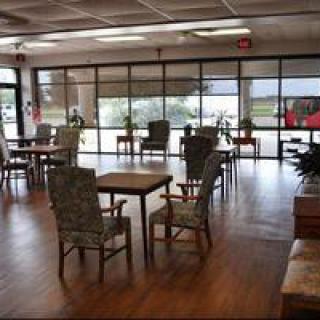
    Jeff Davis Living Center in Jennings, LA is a vibrant and well-equipped assisted living community that offers a wide range of amenities and care services to meet the needs of its residents. The center provides a comfortable and homelike environment for seniors to enjoy their retirement years while receiving the support they require.

    The community offers numerous amenities to enhance the quality of life for its residents. A beauty salon is available on-site, ensuring that individuals can maintain their personal grooming needs with ease. Residents have access to cable or satellite TV in their fully furnished apartments, allowing them to stay entertained and connected. Community-operated transportation is provided to assist residents in running errands or attending social events outside the center. The presence of a computer center and Wi-Fi/high-speed internet throughout the facility enables individuals to stay connected digitally.

    Delicious meals are served in a restaurant-style dining room, providing residents with nutritious options that cater to special dietary restrictions if necessary. For those who prefer cooking their own meals, each apartment features a kitchenette. Housekeeping services ensure that common areas and private bathrooms are kept clean and tidy.

    A range of care services is available at Jeff Davis Living Center, including 24-hour call system and supervision for added peace of mind. Trained staff members are ready to provide assistance with activities of daily living such as bathing, dressing, and transfers when needed. Medication management is offered to ensure that residents take their medications as prescribed. The center also provides diabetes diets and accommodates special dietary restrictions.

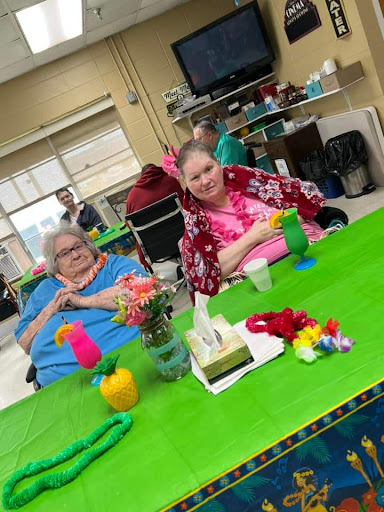
    To promote mental wellness, the center offers a mental wellness program that focuses on the emotional health of its residents. Social interaction is encouraged through planned daily activities organized by both staff members and residents themselves. Fitness programs keep individuals active and healthy, while concierge services help fulfill any specific requests or needs.

    Jeff Davis Living Center boasts a convenient location near various amenities within close proximity. There are cafes, parks, pharmacies, physicians' offices, restaurants, transportation options, places of worship, and hospitals nearby, ensuring that residents have easy access to essential services and resources.

    Overall, Jeff Davis Living Center in Jennings, LA provides a nurturing and inclusive environment for seniors to thrive. With an array of amenities and care services tailored to their needs, residents can enjoy a fulfilling lifestyle while receiving the necessary support for their well-being.

    Nearby Places of Interest

    Pharmacies

    • Good Neighbor Pharmacy (0.4 miles)
    • Family Drug Store (0.5 miles)
    • CVS Pharmacy (0.5 miles)
    • Cassidy's Pharmacy (0.6 miles)
    • Good Neighbor Pharmacy (0.6 miles)
    • Walgreens (0.7 miles)
    • Kettler, Sandra - Sandra Kettler (0.7 miles)

    Places of Worship

    • Jennings Church of Christ (0.4 miles)
    • Sanctified Production (0.9 miles)
    • First Church of Christ (1 miles)
    • Impact Student Ministry (1 miles)
    • Bethel Baptist Church (1 miles)
    • Our Lady Perpetual Help Church (1.5 miles)
    • Our Savior's Church of Jennings (2.2 miles)

    Hospitals

    • Fresenius Medical Service (0.5 miles)
    • Jennings Senior Care Hospital (0.6 miles)
    • Rehabilitation Hospital (0.6 miles)
    • Jennings Senior Care (0.6 miles)
    • Crowley Mental Health Center (15.9 miles)
    • Compass Behavioral Center Of Crowley (16.7 miles)
    • Compass Mental Health (16.9 miles)

    Physicians

    • Jennings Pediatric Center (0.5 miles)
    • Jennings Internal Medicine Associates (0.5 miles)
    • Edwards Family Medicin (0.5 miles)
    • Imperial Health (0.5 miles)
    • Segura Family Medicine (0.5 miles)
    • Ochsner Health Center - Jennings Urology (0.6 miles)
    • Preferred Living (10.2 miles)

    Restaurants

    • Sonic Drive-In (0.5 miles)
    • KFC (0.5 miles)
    • General Wok (0.5 miles)
    • Subway (0.5 miles)
    • McDonald's (0.6 miles)
    • Taco Bell (0.7 miles)
    • D F Taqueria (0.8 miles)

    Cafes

    • Babineaux's Cafe (0.5 miles)
    • Donut Queen (16.5 miles)

    Parks

    • Jennings Park & Recreation (1 miles)
    • Oil and Gas Park (1.1 miles)
    • Bon Temps ATV Park (12.5 miles)

    Transportation

    • Jennings Airport Authority (1.4 miles)
    • U-Haul Moving & Storage (1.4 miles)
    • U-Haul Neighborhood Dealer (1.4 miles)
    • U-Haul Neighborhood Dealer (10 miles)
    • U-Haul Neighborhood Dealer (10 miles)
    • Le Gros Memorial Airport (11.3 miles)
    • A J Aviation Aerial Patrol (11.4 miles)

    Frequently Asked Questions

    Where is Jeff Davis Living Center?
    What photos are available for Jeff Davis Living Center in Jennings, Louisiana?

    Nearby Communities

    Related Resources

    • what is elder abusePowerful Realities of Elder Abuse and the Most Effective Ways to Report It

      Elder abuse affects many older adults worldwide and includes physical, emotional, neglectful, and financial harm, with about one in six individuals over 60 experiencing abuse annually. Prevention and intervention strategies focus on awareness, support for caregivers, and mandatory reporting, while recovery necessitates comprehensive support for both physical and emotional needs.

    • caregiver dutiesTen Vital Duties of a Senior Caregiver: A Comprehensive Guide

      The guide details ten essential responsibilities of senior caregivers, including personal care, mobility assistance, medication management, and emotional support, while emphasizing the importance of safety, nutrition, and maintaining a safe living environment to enhance seniors' quality of life and independence.

    • memory games for seniors9 Stimulating Memory Activities for Seniors: Puzzles, Cards, and Much More


      The article highlights nine memory-boosting activities for seniors that enhance cognitive health and social interaction, including puzzles, trivia quizzes, and storytelling, while emphasizing the importance of adapting these activities to individual preferences to maximize enjoyment and engagement. Consistent mental engagement is linked to improved cognitive function and emotional well-being in older adults.


    Get Pricing Ask A Question Schedule A Tour Contact Senior Advisor