
74 Mack Walters Rd, Shelbyville, KY 40065
To contact a resident: (502) 437-0814
For more information about senior living options: (866) 208-4318

Hometown Manor Assisted Living Memory Care Community of Shelbyville Costs & Pricing
Hometown Manor Assisted Living Memory Care Community in Shelbyville offers a studio room at a monthly rate of $3,900, positioning it competitively within the local landscape. This cost is slightly below the average for Shelby County, which stands at $3,902. In a broader context, Hometown Manor's pricing is above the state average of $3,357 for similar accommodations across Kentucky. This suggests that while residents may expect a higher level of personalized care and amenities at Hometown Manor compared to other options in the county and state, they are also investing in an environment that prioritizes quality service tailored to memory care needs.
| Floor plans | Hometown Manor Assisted Living Memory Care Community of Shelbyville | Shelby County | Kentucky |
|---|---|---|---|
| Studio | $3,900 | $3,902 | $3,357 |
Memory care communities with a similar price nearby
-
from -$700 / mo
Beehive Home Of Smyrna
$3,200 to $3,400 / month22.8 miles away -
from +$295 / mo
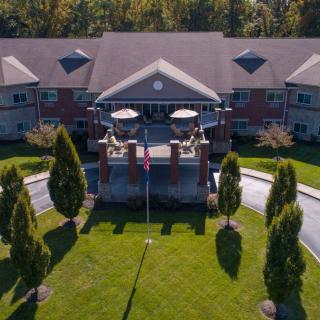
Magnolia Springs East Louisville
$4,195 to $7,995 / month15.4 miles away -
from -$305 / mo
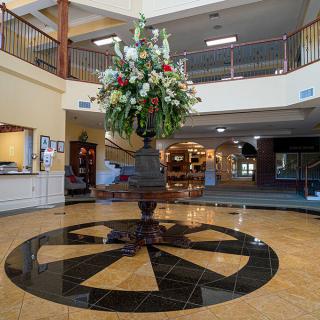
Magnolia Springs Louisville
$3,595 to $7,895 / month19.8 miles away -
from +$450 / mo
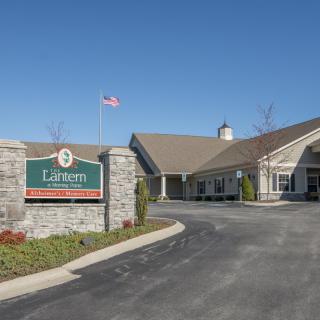
The Lantern at Morning Pointe of Frankfort
$4,350 to $5,515 / month17.7 miles away -
from -$525 / mo

Morning Pointe of Frankfort
$3,375 to $4,020 / month17.8 miles away
Overall Review of Hometown Manor Assisted Living Memory Care Community of Shelbyville
Pros
 The staff are awesome.
- They welcomed mom in and treated her as family, providing attentive care.
- They care for mom, attend to her needs, and engage with her warmly.
- They communicate with the family whenever a need arises that requires attention.
- The facility provides the love and support of being at home while allowing the family to continue working.
- Mom is much better off there and would not change it for the world.
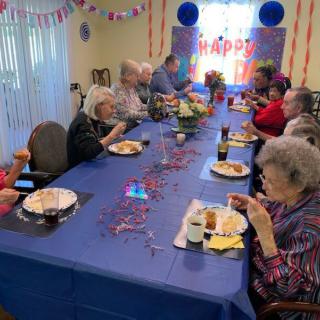
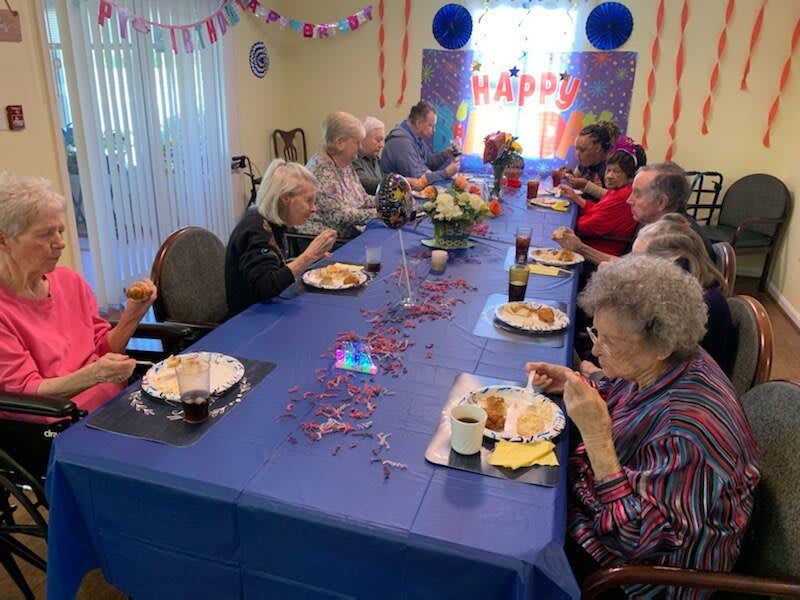
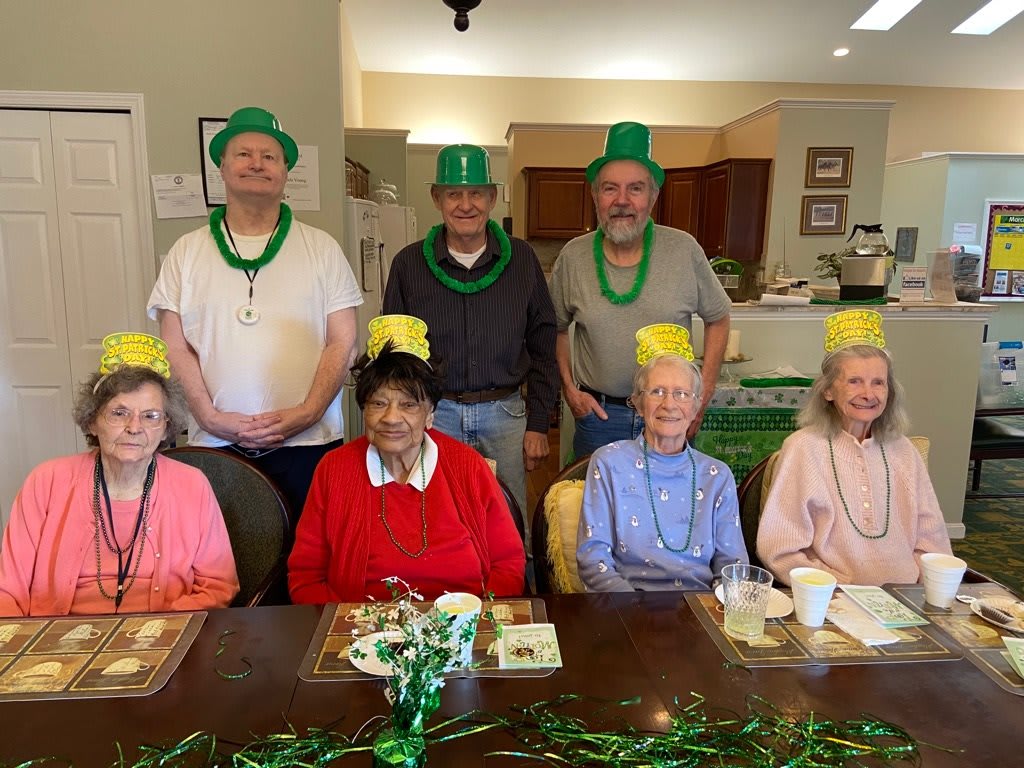
- The staff are dedicated to the community and go out of their way to celebrate residents and maintain a safe, supportive environment.
Review
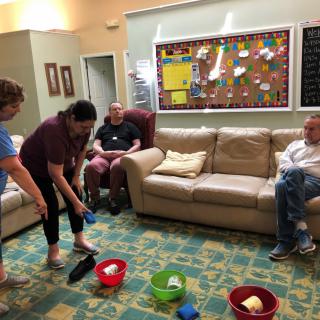
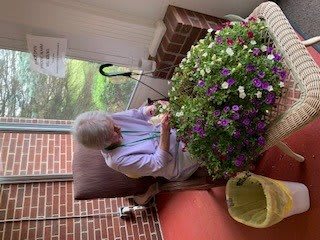
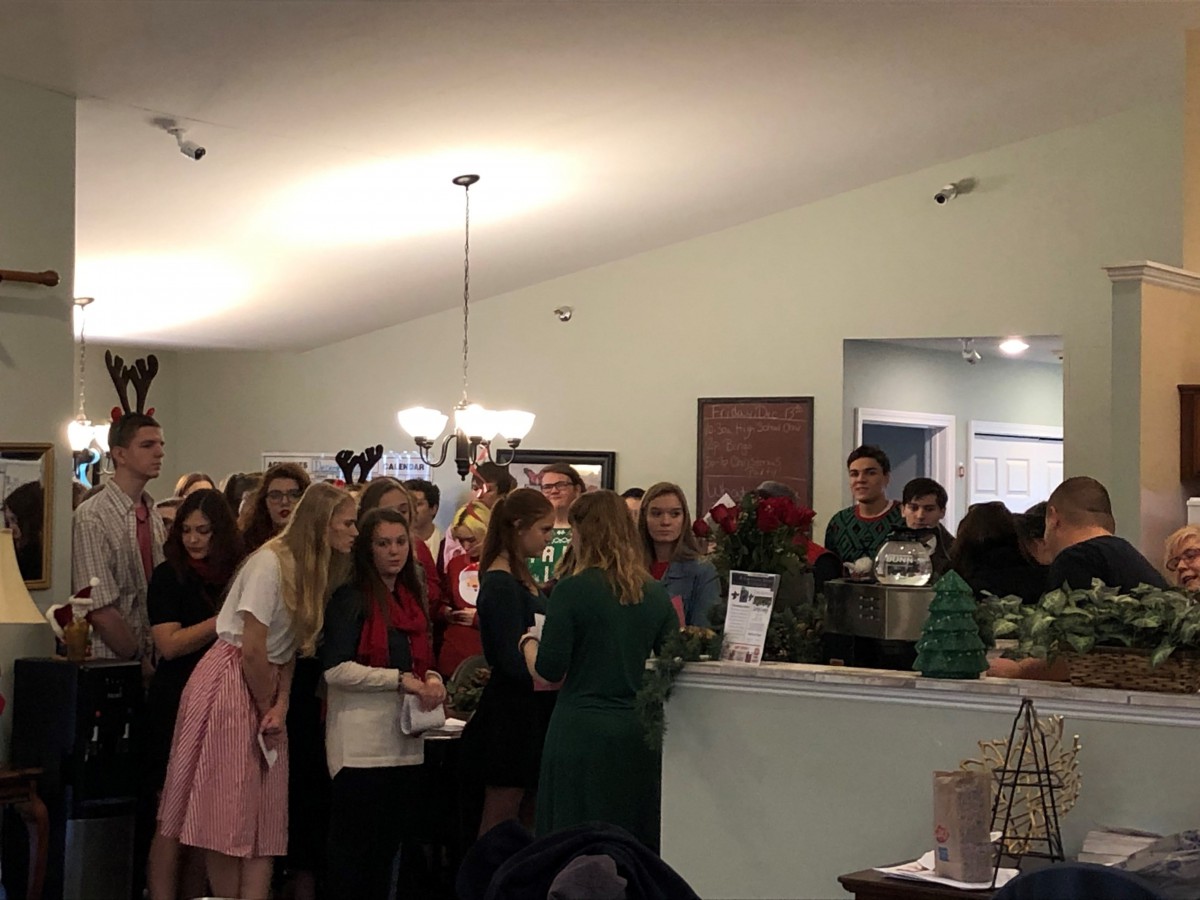
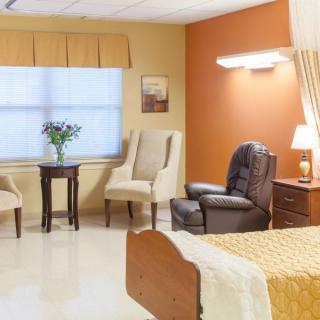
This community is best suited for families seeking an intimate, home-like memory care environment where staff know residents by name, and care feels personalized rather than institutional. Hometown Manor in Shelbyville stands out for small-group living (with memory care configured as a tight-knit 11-bed unit), daily one-on-one attention, and a culture that emphasizes warmth, respect, and consistent communication with families. It is especially well-matched for residents who thrive on predictable routines, meaningful interaction, home-style meals, and a staff-led atmosphere that treats each resident as a family member rather than a number. For families prioritizing safety, steady caregiver relationships, and the ability to continue work while knowing a loved one is well cared for, this setting checks all the right boxes.
Explicitly, those who may want to consider alternatives include families seeking a larger, more bustling campus with a broader menu of amenities and activities, or those needing higher levels of medical oversight and frequent on-site specialists. Some families also look for a facility with more expansive social programming or a setting that feels less intimate. While the Bardstown facility’s reputation influenced choices for some, the Shelbyville location has established its own strength in memory care, and that distinction will matter for those who value a focused, small-community model over a bigger, more generalized environment. In short, this is not the pick for everyone; those desiring scale and breadth should compare options.
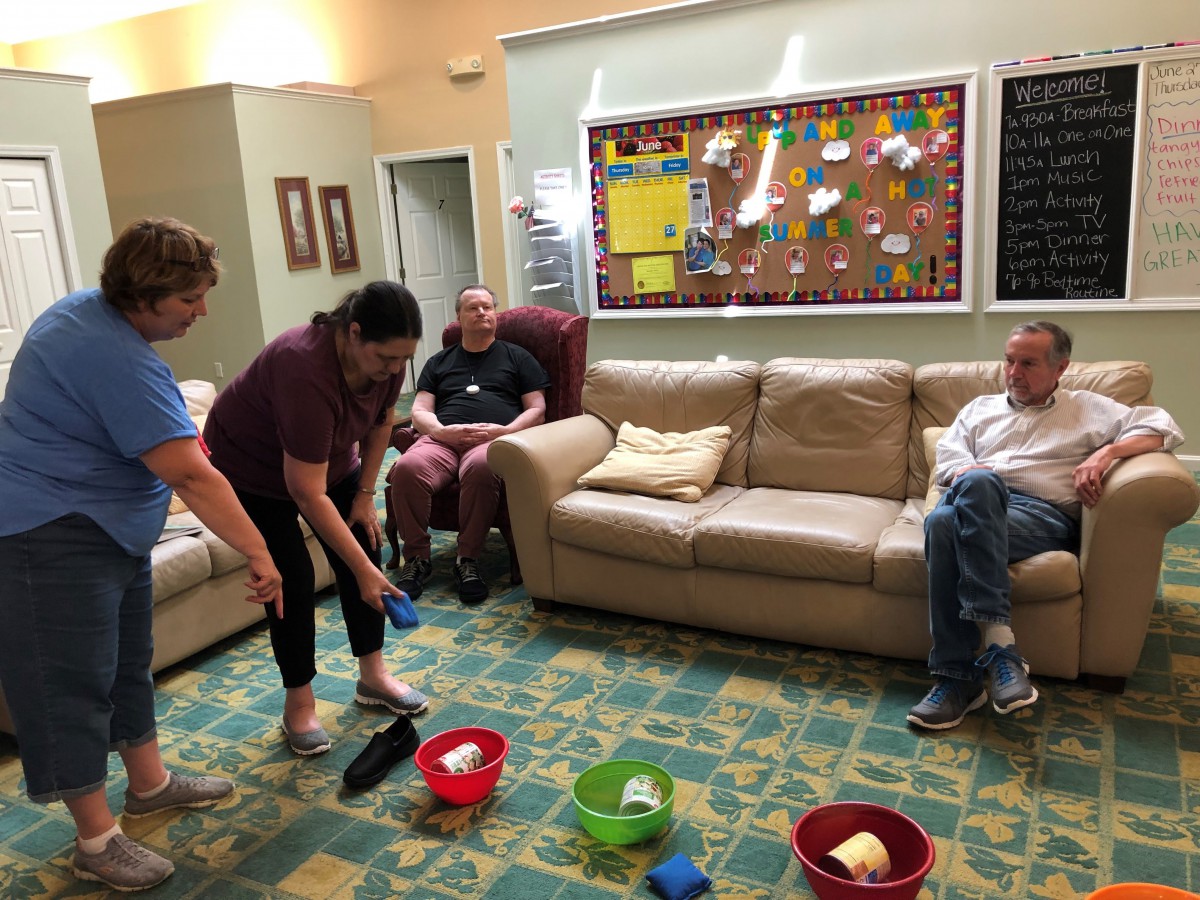
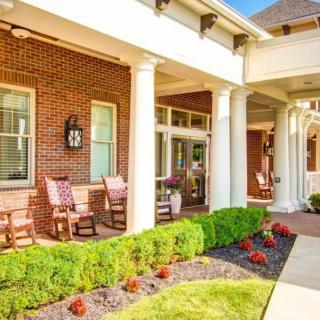
The strongest positives center on staff devotion and the sense of belonging residents enjoy. Reviews consistently highlight caring, kind, and attentive caregivers who treat residents like family, celebrate achievements, and stay engaged with both residents and families. Families report clear, ongoing communication about needs and changes, which translates into peace of mind for caregivers who also must balance work or other obligations. The setting itself reinforces this tone: a clean, well-kept facility that prioritizes home-style food, meaningful activities, and daily, individualized care plans. Leadership is described as genuinely loving and professional, with owners and the director earning particular trust for meeting every resident’s needs.
On the other hand, the few critiques present a useful reminder to probe expectations before committing. A single 1-star rating exists among otherwise pristine feedback, though the specifics are not spelled out. That caveat underscores the importance of directing questions to what matters most: how the care plan is personalized, how staff handle on-the-spot concerns, and how the community manages peak activity times when staff are stretched. Potential residents should also inquire about waitlists for the 11-bed memory care unit, and confirm that the rhythms of daily life align with the resident’s preferences for quiet, private moments versus structured social opportunities. While the overall sentiment is strongly positive, diligence remains essential.
The pros, personalized attention, consistent family communication, and a welcoming, home-like culture, largely offset the few drawbacks. The ultra-lean footprint of the memory care unit means residents receive ample individualized check-ins, and family members report reduced anxiety knowing a dedicated team is overseeing daily routines, meals, and safety. The intimate setting can outshine larger communities by minimizing confusion and transitions, which are critical for memory care. For families, the trade-off is clear: they gain a trusted, stable caregiving environment, even if access to a wider array of on-site amenities isn’t as expansive as some larger campuses.
Practical next steps center on a targeted visit that probes core needs against what the community offers. Arrange a tour and meet several direct caregivers, including the memory care team, to observe how daily routines unfold and how activities are tailored to memory-impaired residents. Request a sample week of meals, ask about cognitive stimulation programs, safety features, and how emergencies are managed after hours. Inquire about room options, what’s included in the price, and the process for transitions if a resident’s care needs escalate. For families prioritizing a warm, tightly run memory care home with strong staff-to-resident ratios, Hometown Manor Shelbyville presents a compelling, well-supported choice; for others, a broader campus with more bells and whistles may be worth comparing.
 Studio apartments
 Memory Care
 Cats allowed
 Dogs allowed
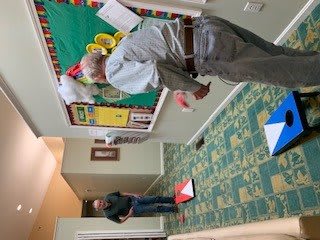
 Activities on-site
 Air-conditioning
 Beautician on-site
 Cable or satellite TV
 Computer center
 Devotional services on-site
 Dining room
 Garden
 Ground floor units
 Housekeeping services
 Indoor common areas
 Laundry
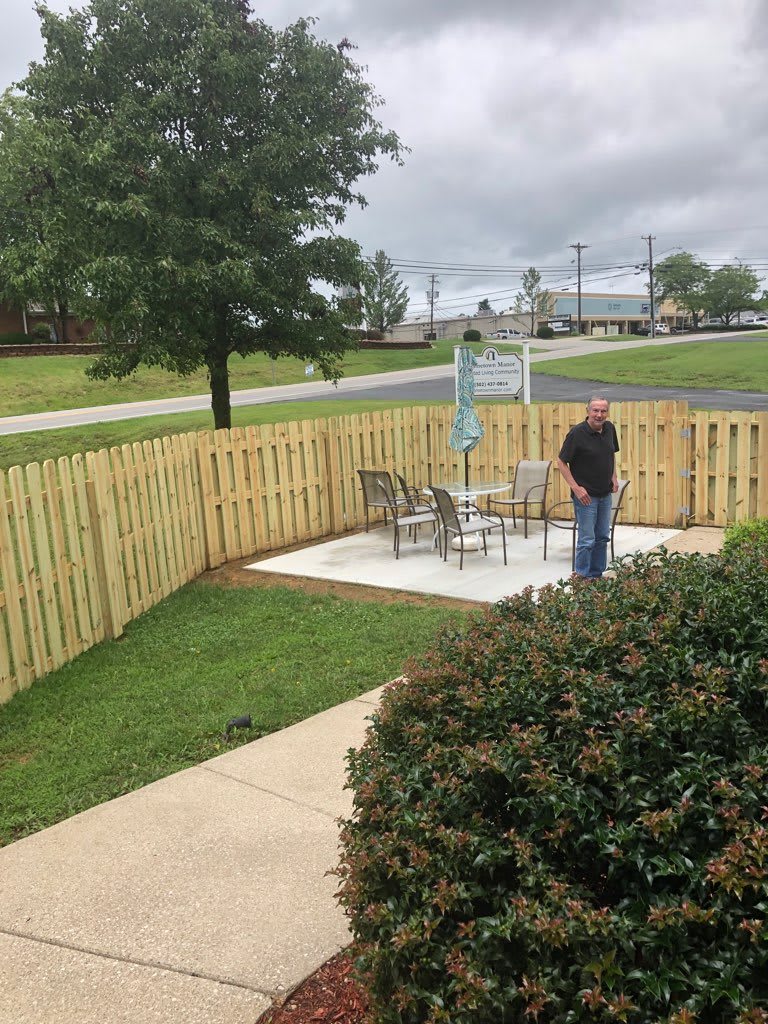
 Outdoor common areas
 Private bathrooms
 Resident parking
 Respite or short term stays offered
 Security gate
 VA Benefits Consultation
 Wi-Fi/high-speed internet available
 Transportation & parking
 Ambulatory care
 Assistance with bathing
 Assistance with dressing
 High acuity care
 Incontinence care
 Meal preparation and service
 Medication management
 Bible study group
 Brain fitness
 Cards / pinochle club
 Choir / singing club
 Live musical performances
 Stretching classes
 Trivia games
 English



 Dementia, Paranoia, and Caregiver Guidance: Understanding the Connection
 Engaging Memory Care Activities That Enhance Quality of Life
 When to Transition from Assisted Living to Memory Care: Key Indicators, Steps, and Finding the Right Community