The Legacy at English Station offers a studio room priced at $5,890 per month, reflecting a premium for its services and amenities. In comparison, the average monthly cost for a studio in Shelby County stands at $3,902, while the broader state of Kentucky averages even lower at $3,357. These figures suggest that The Legacy at English Station positions itself as an upscale option within the local market, likely providing enhanced features or care levels that justify the higher price point. Prospective residents should consider these costs alongside the benefits offered to determine if this facility aligns with their needs and expectations.
Floor plans
The Legacy at English Station
Shelby County
Kentucky
Studio
$5,890
$3,902
$3,357
Memory care communities with a similar price nearby
Residents value that this community is built around memory care needs.
Several reviewers say the community is focused on memory care and well understood by the staff. Families describe support for dementia-related changes, including cognitive stimulation through scheduled activities. One reviewer also mentions that the staff don’t seem to restrict residents in ways that worsen memory care issues, and that staff know what to expect week to week. Overall, the memory-care specialization shows up repeatedly in how families explain the fit for their loved ones.
common22 reviews mention this
Caring, responsive staff stand out
Many residents and families describe staff as caring, patient, and responsive to needs.
Across multiple reviews, families highlight staff compassion and responsiveness, including nursing and care teams. Reviewers describe the interactions as calming and respectful, with attention to personal needs and preferences. Several note communication and follow-through as part of the care experience, and others specifically call out low turnover and supportive relationships. A smaller set of reviews, however, raises concerns about professionalism and management communication during certain situations.
common7 reviews mention this
Enclosed courtyard helps residents outside
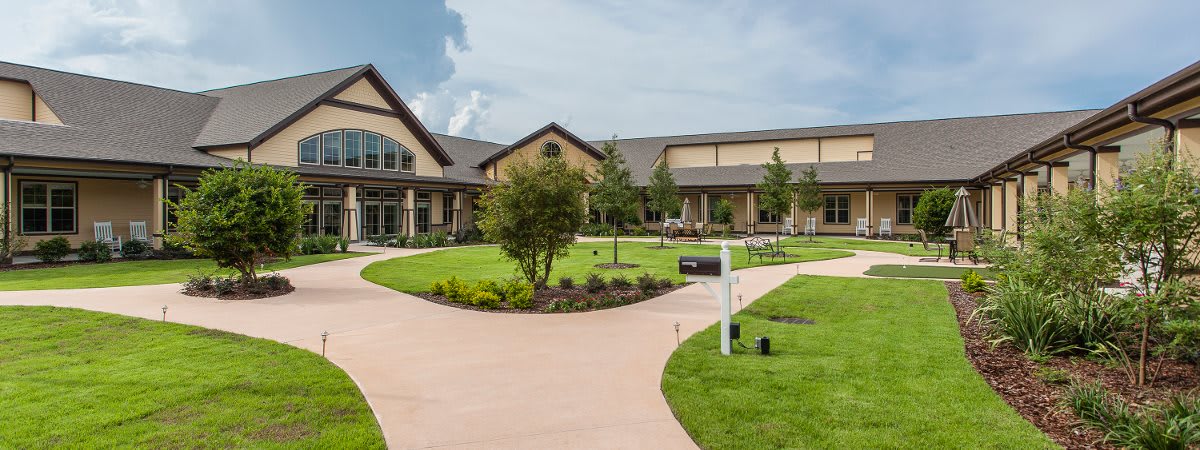
Reviewers repeatedly mention the safe outdoor courtyard for walks and time outside.
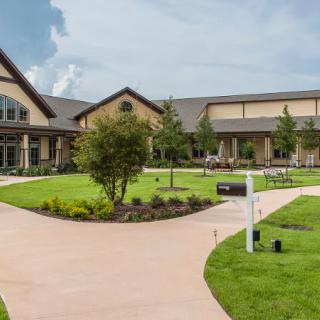
More than one reviewer points to an enclosed courtyard with walking paths and garden seating as a helpful part of daily life in memory care. Families describe it as a place residents can access for fresh air, sitting outdoors, and simple activity without leaving the community. The outdoor space also shows up in how reviewers describe reassurance and overall quality of the environment. A few reviewers still wish for more consistent communication or care updates, even while praising the setting.
common9 reviews mention this
Meals and dining quality score well
Dining quality and meal support are frequently praised by families.
Several reviewers describe the food as excellent, gourmet, or exceptional, with balanced meals and good service. Families also mention meal planning and that diets are handled with care, including attention to specific dietary restrictions. A few reviewers raise concerns about communication and care details, and one comment suggests inconsistency in portioning or timing. Still, dining comes through as a positive day-to-day factor in many experiences.
caveat3 reviews mention this
Communication can be inconsistent
Some families report communication and care updates weren’t consistent.
While many reviews praise the support team, a few describe wanting more regular updates about what help was being provided and how needs were changing. One reviewer says they had to keep asking for details about week-to-week care. Another review describes a difficult situation involving COVID-related movement that affected the resident’s condition. These comments are exceptions to the broader positive tone but are specific enough to matter for families comparing day-to-day expectations.
caveat2 reviews mention this
Pricing runs high for a studio
Studio pricing is notably above county and state benchmarks.
Pricing is a concern for some families, and the studio cost sits well above typical benchmarks. Even where reviewers are generally positive about the setting and care, cost comparisons come up as part of decision-making. If you’re comparing communities, it’s worth reviewing what’s included for your situation, especially for memory care needs and any add-on supports.
How we summarize
Counts show how many written reviews mention each theme; a review can touch several themes, and only frequently mentioned themes are displayed.
Features
Housing
60 resident community capacity
Studio apartments
Types of Care
Memory Care
Amenities
Activities off-site
Activities on-site
Air-conditioning
Beautician on-site
Beauty salon
Cable or satellite TV
Computer center
Devotional services on-site
Dining room
Fitness room
Fully furnished
Gaming room
Garden
Ground floor units
Handicap accessible
Housekeeping services
Indoor common areas
Kitchenette
Move-in coordination
Outdoor common areas
Outdoor space
Private bathrooms
Respite or short term stays offered
Restaurant-style dining
Small library
Telephone
Wellness center
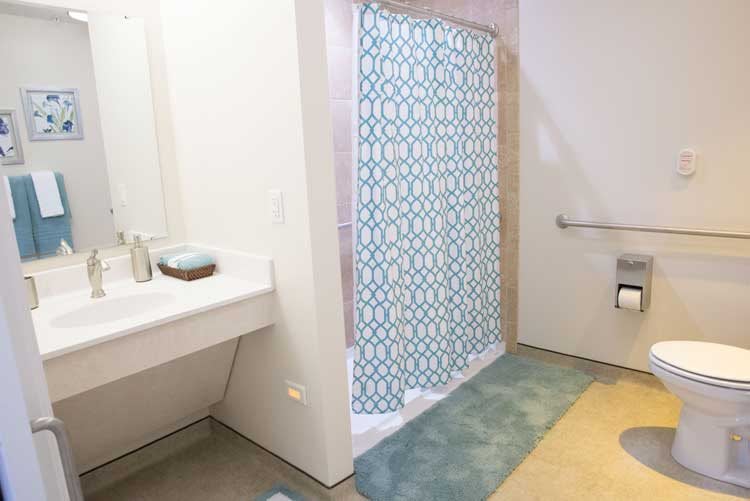
Wheelchair accessible showers
Wi-Fi/high-speed internet available
Transportation
Louisville International-Standiford (14 miles away)
Community operated transportation
Transportation arrangement
Transportation arrangement (non-medical)
Care Services
12-16 hour nursing
24-hour call system
24-hour supervision
Activities of daily living assistance
Ambulatory care
Assistance with bathing
Assistance with dressing
Assistance with transfers
Coordination with health care providers
Dementia waiver
Diabetes diet
Diabetic care
Hospice waiver
Incontinence care
Meal preparation and service
Medication management
Mental wellness program
Mild cognitive impairment
Special dietary restrictions
Specialized memory care programming
Transportation arrangement (medical)
Transportation to doctors appointments
Dining
Diabetes diet
Guest meals
Low / no sodium
Meals provided
No Sugar
Professional chef
Restaurant style dining
Special dietary restrictions
Special dining programs
Vegetarian
Activities
Art classes
Catholic services
Community-sponsored activities
Concierge services
Cooking classes
Day trips and outings
Devotional activities on-site
Educational speakers / life long learning
Fitness programs
Karaoke
Live dance or theater performances
Live musical performances
Live well programs
Planned day trips
Protestant services
Resident-run activities
Scheduled daily activities
Stretching classes
Nearby Places of Interest
This part of Louisville, Kentucky, offers a variety of amenities within close proximity to each other, making it convenient for seniors looking to live in the area. There are several pharmacies nearby for easy access to medication and healthcare needs. A selection of restaurants and cafes cater to different tastes and offer options for dining out or grabbing a quick bite to eat. The presence of parks provides opportunities for outdoor recreation and relaxation. For entertainment, there are theaters within a short driving distance. Several physicians' offices and hospitals are also easily accessible for medical care. Places of worship are available for spiritual needs as well. Overall, this area provides a mix of convenience, entertainment, healthcare options, and amenities that may appeal to seniors looking for a comfortable living environment in Louisville.
Pharmacies
Walgreens (0.2 miles)
CVS Pharmacy (0.3 miles)
Walgreens (1.9 miles)
502 Hemp (3.3 miles)
CVS Pharmacy (3.4 miles)
Walgreens (4.4 miles)
Walmart Pharmacy (5 miles)
Restaurants
Gander An American Grill (0.2 miles)
Wild Eggs (0.3 miles)
Fiesta Time Amigos (0.3 miles)
The Goat (0.5 miles)
Chick-Fil-A (0.5 miles)
Double Dogs (0.6 miles)
Crumbl Cookies (0.8 miles)
Cafes
Panera Bread (0.9 miles)
Starbucks (1.3 miles)
Starbucks (3.8 miles)
Starbucks (5 miles)
Panera Bread (5.2 miles)
Red Pepper Pizza Company (6.5 miles)
Parks
The Parklands of Floyds Fork (1.7 miles)
E.P. Tom Sawyer State Park (4.6 miles)
Charlie Vettiner Park (5.9 miles)
Maples Park (5.9 miles)
Des Pres Park (6.1 miles)
Theaters
Xscape Theatres Blankenbaker 14 (2.1 miles)
Cinemark Tinseltown USA and XD (5.4 miles)
Physicians
Banis, Joseph Joseph Banis Plastic Surgery (2.3 miles)
Neurodiagnostic Center (2.3 miles)
Healing Options (3 miles)
Family Allergy and Asthma (4.1 miles)
Dr. M. Dathan Chesnut, MD (5.4 miles)
Associates In Dermatology (5.6 miles)
Internal Medicine and Pediatrics Associates (5.8 miles)
Hospitals
Premier Surgery Center of Louisville (2.4 miles)
Central State Hospital (3.9 miles)
Places of Worship
Camp Kavanaugh (5.4 miles)
Church of Jesus Christ of Latter Day Saints (5.7 miles)
The Legacy at English Station offers a studio room priced at $5,890 per month, reflecting a premium for its services and amenities. In comparison, the average monthly cost for a studio in Shelby County stands at $3,902, while the broader state of Kentucky averages even lower at $3,357. These figures suggest that The Legacy at English Station positions itself as an upscale option within the local market, likely providing enhanced features or care levels that justify the higher price point. Prospective residents should consider these costs alongside the benefits offered to determine if this facility aligns with their needs and expectations.
The Legacy at English Station offers a comprehensive suite of features that cater specifically to the needs of residents with dementia or Alzheimer's disease. With 24-hour supervision, residents receive constant support, ensuring their safety and peace of mind. Assistance with activities of daily living--including bathing, dressing, and transfers--promotes independence while also respecting dignity and privacy. Coordination with healthcare providers ensures that medical needs are effectively managed, while the dementia waiver allows for tailored care solutions. Incontinence care and meal preparation service further enhance comfort and nutritional well-being. Medication management safeguards against potential mishaps, contributing to overall health stability. The mental wellness program, along with specialized memory care programming designed for various cognitive challenges such as mild cognitive impairment, provides engaging activities that stimulate mental functioning and emotional well-being. Finally, transportation arrangements for medical appointments facilitate access to necessary healthcare services, thereby addressing both physical and emotional aspects crucial to quality memory care.
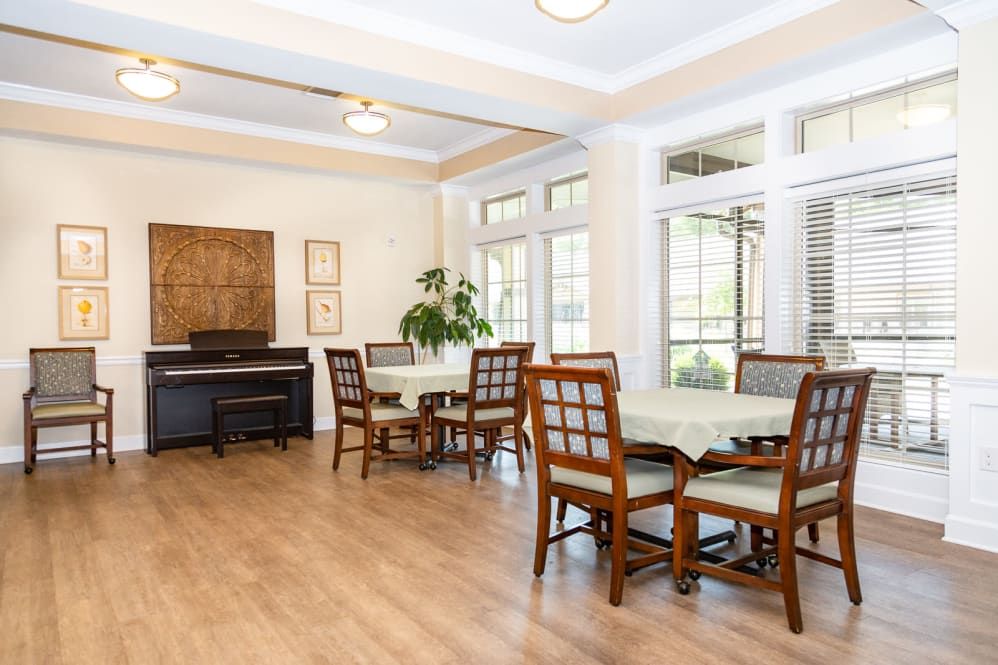
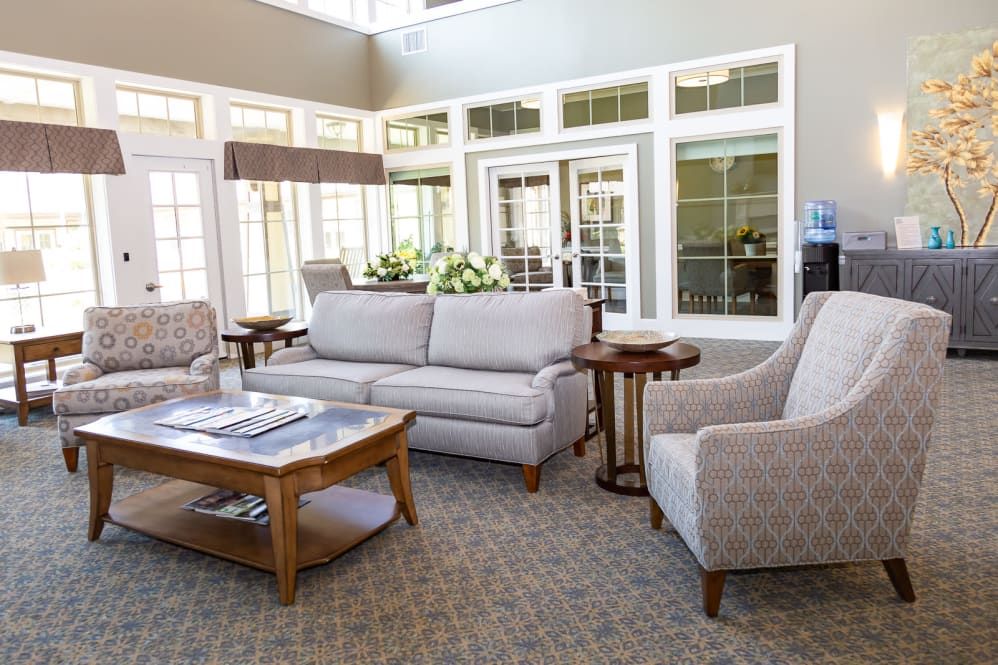
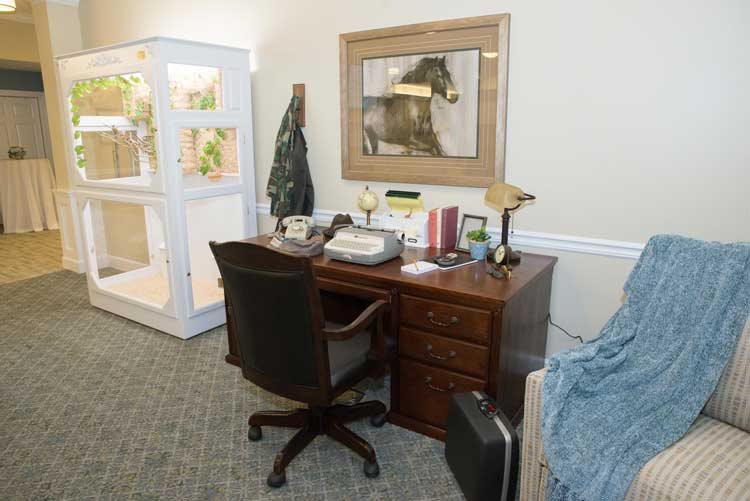
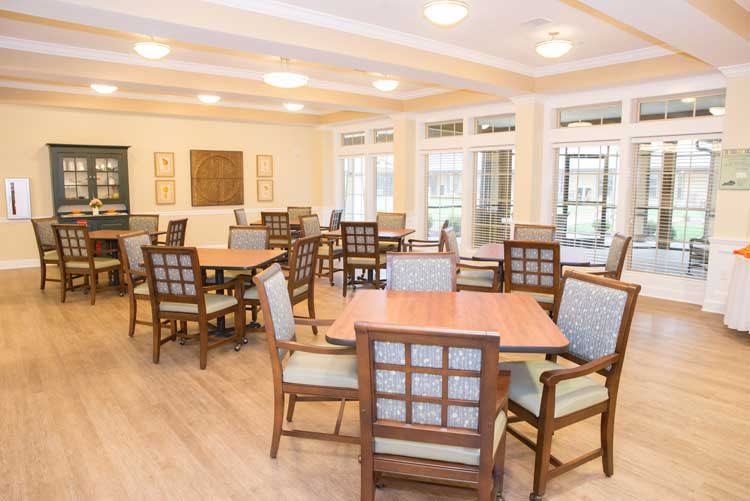
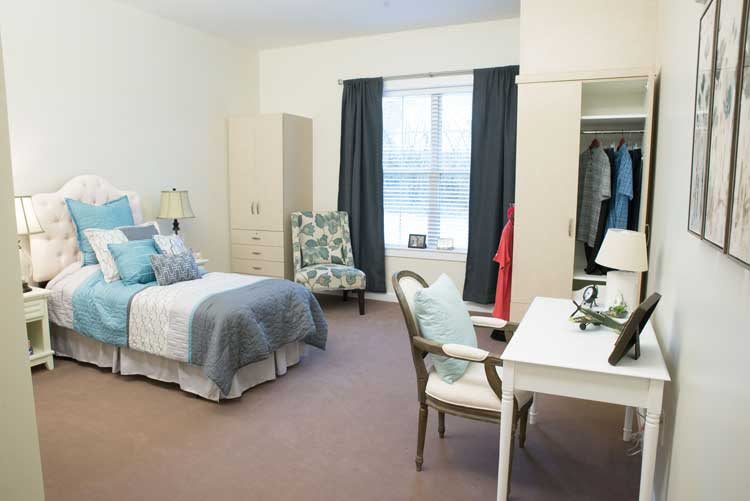
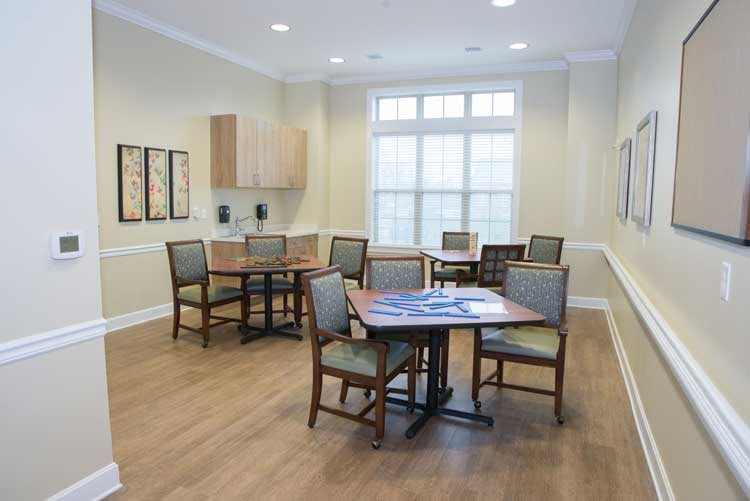
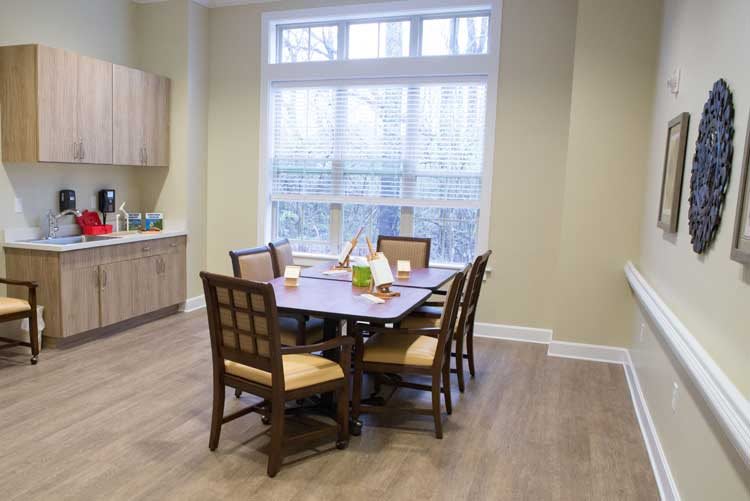
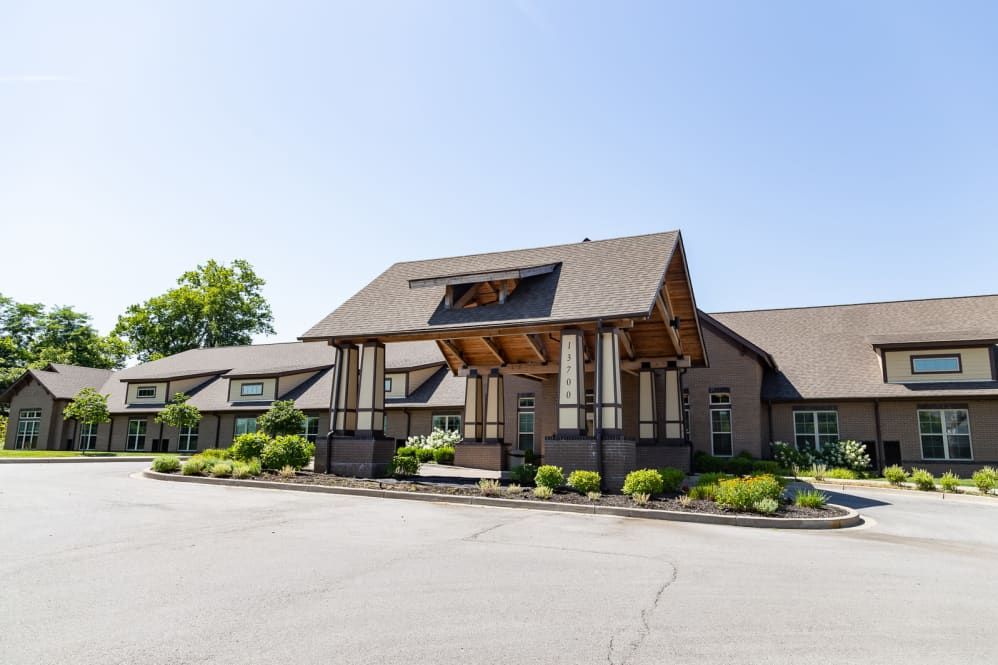
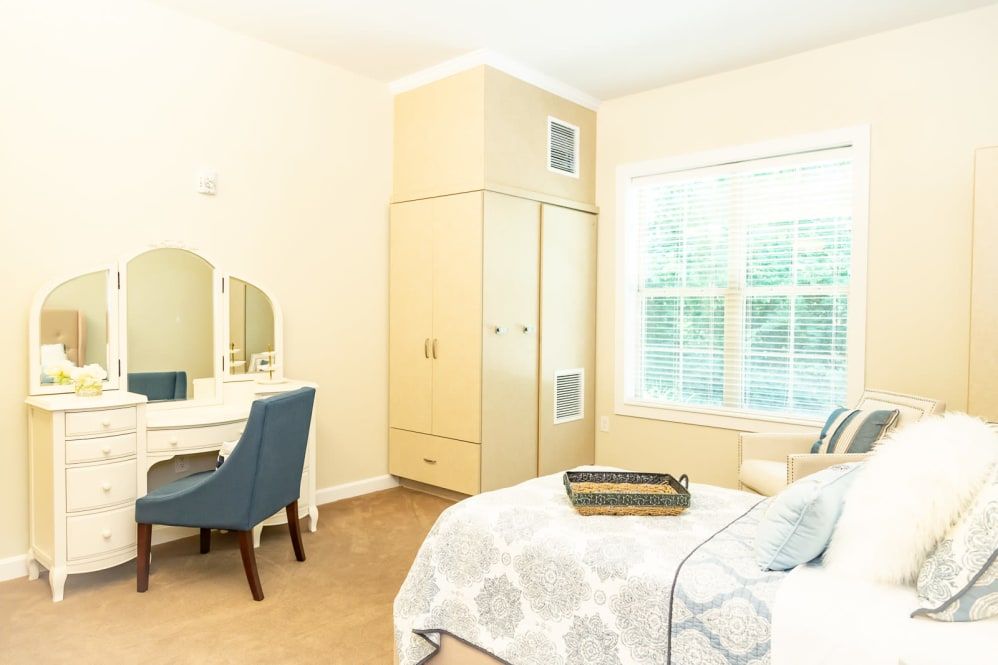
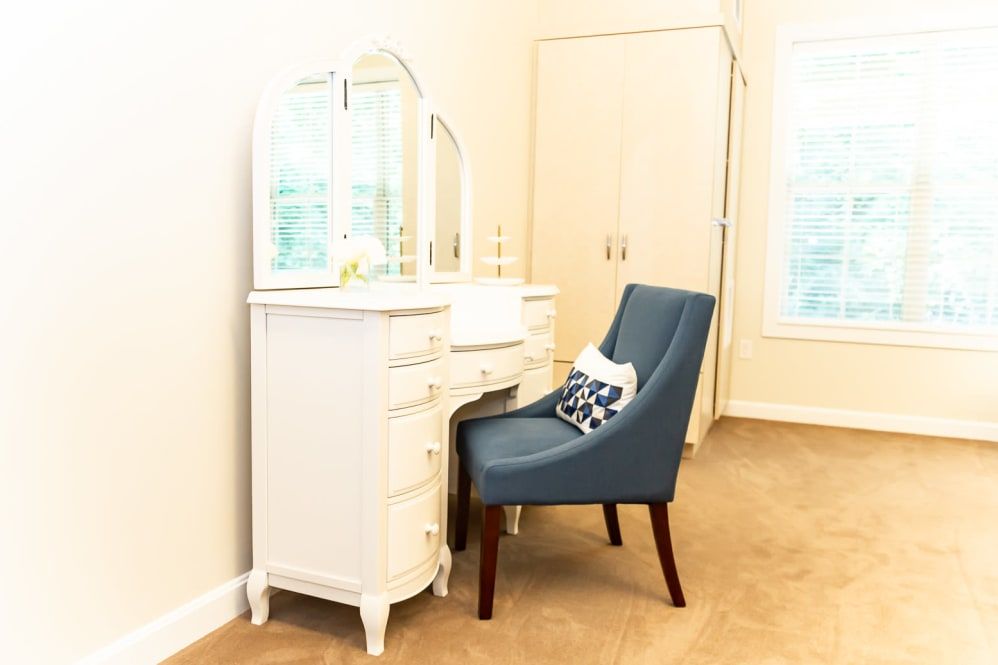
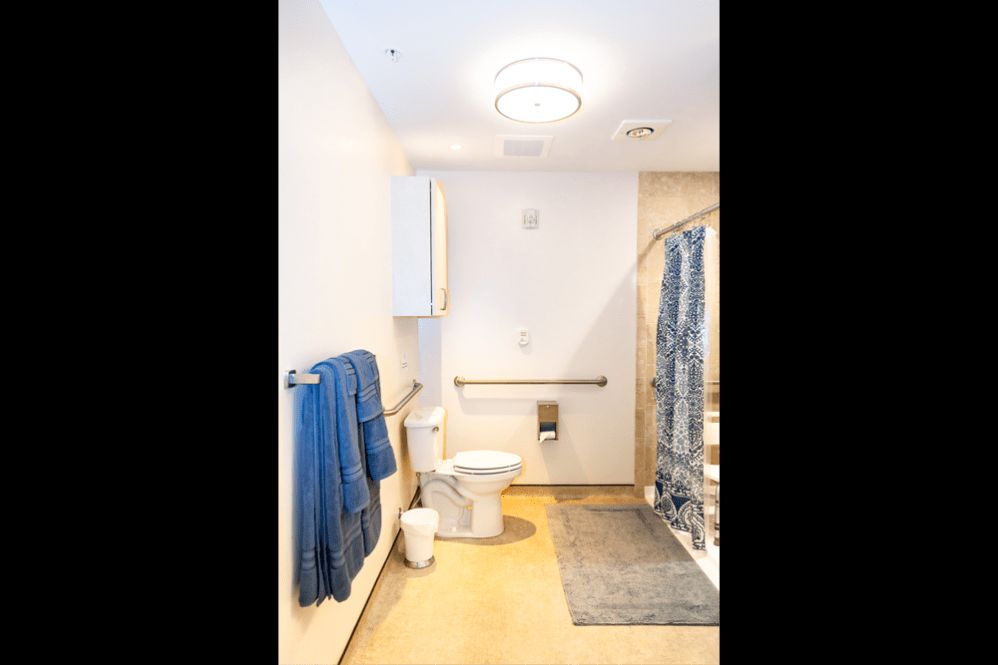
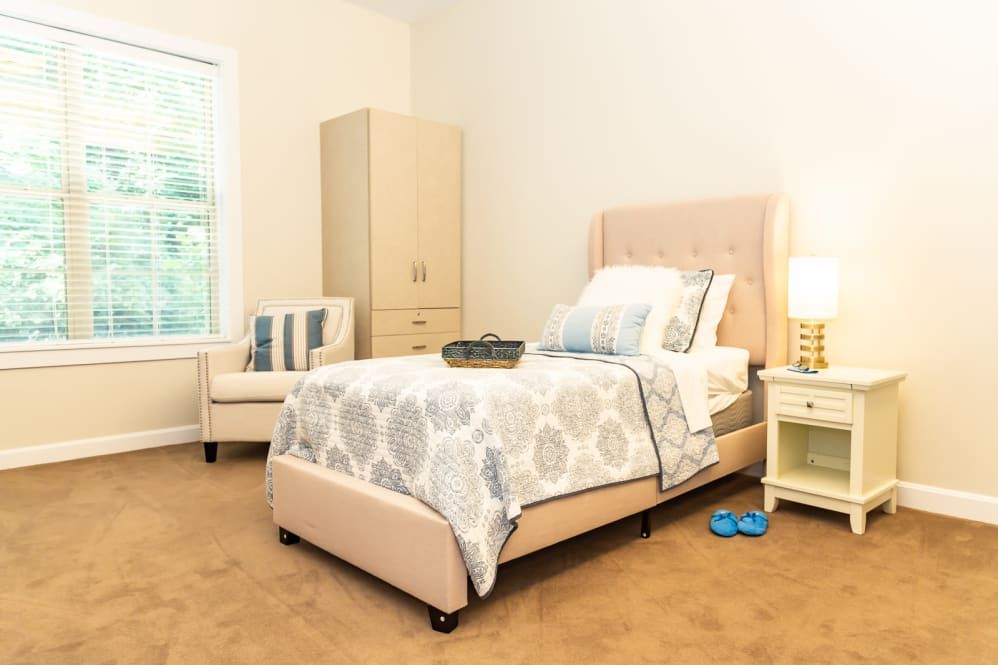
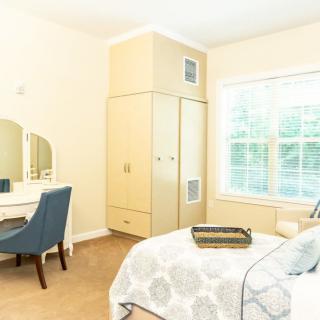
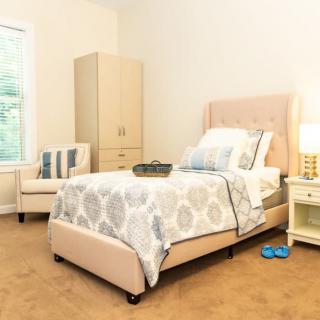
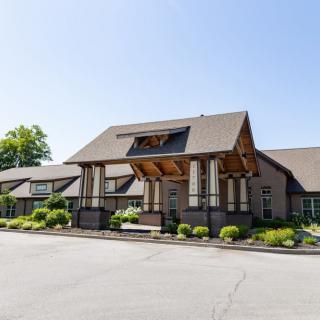
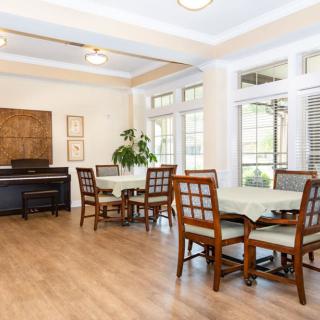
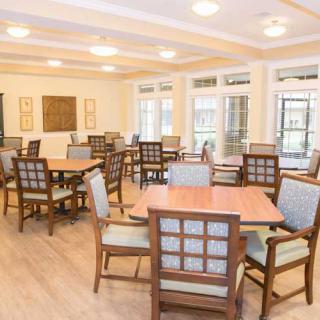
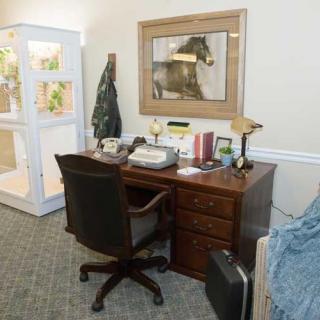
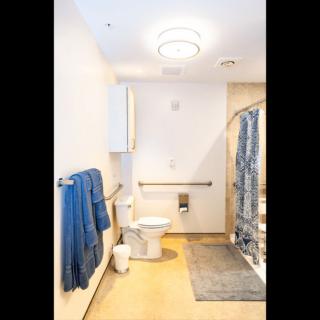
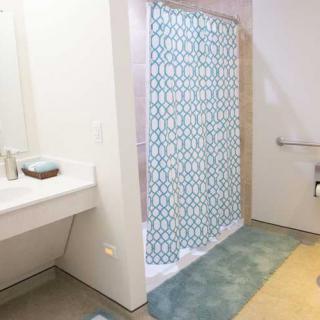
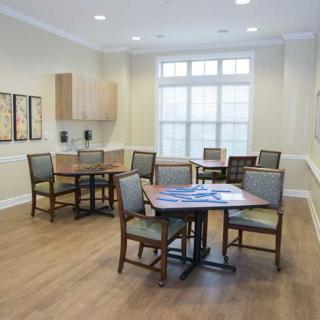
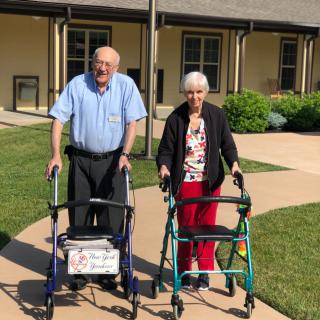
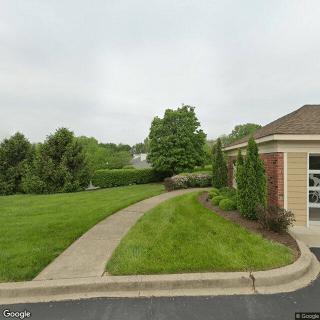
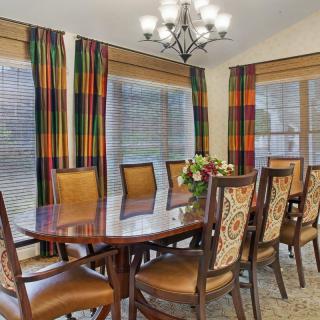
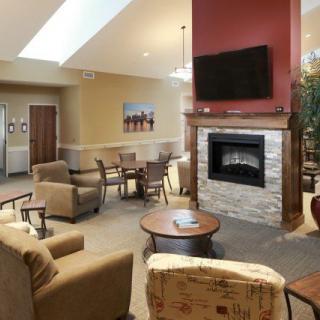
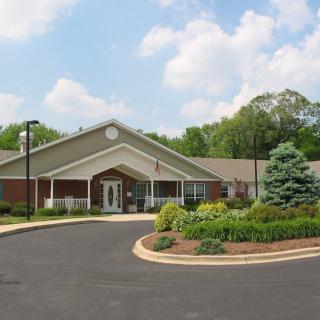
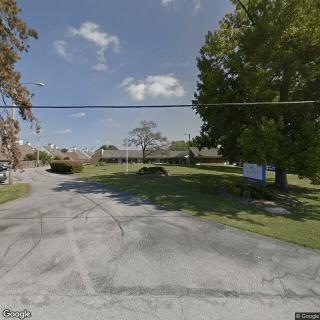
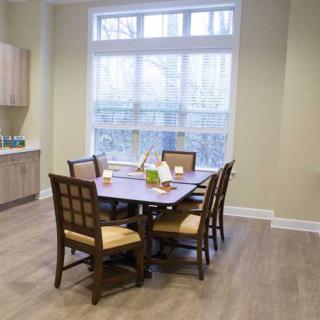
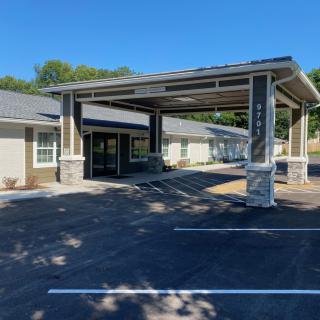
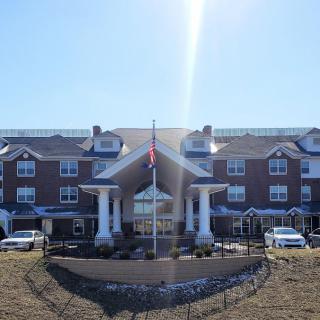
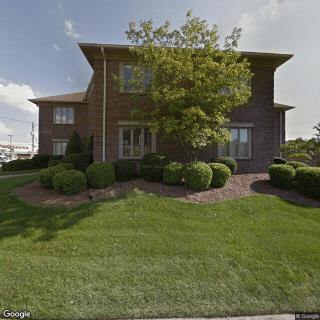
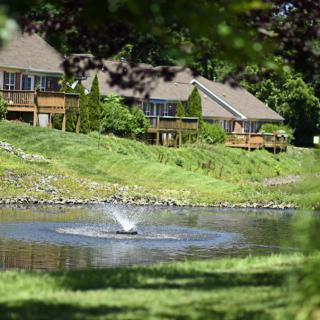
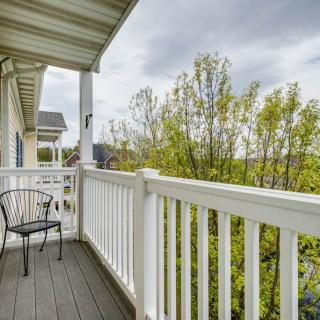
The Legacy at English Station on seniors.fyi includes 26 photos including images showing interior, windows, outdoors, bedroom, decor, bathroom, building, landscaping, and more.
Nearby Communities
The Enclave Of East Louisville
Louisville, KY
4.7 from 102 reviews
Friendly, engaged staff and a pleasant, active environment.
Valhalla Post Acute
Louisville, KY
3.5 from 122 reviews
Strong rehab therapies and spacious private rooms.
StoryPoint Middletown
Middletown, KY
4.7 from 217 reviews
$3,766 to $4,463 / month
Caring staff, clean facilities, and an engaged community with good dining.
Memory care activities are essential for improving the quality of life of seniors with cognitive impairments, as they stimulate cognitive function, promote well-being, and encourage social interaction through tailored strategies. These activities combine structured exercises with spontaneous tasks, sensory engagement, physical workouts, creative pursuits, and intergenerational interactions to enhance emotional connection and a sense of purpose.
Transitioning from assisted living to memory care is driven by an individual's cognitive decline and specific needs, requiring careful evaluation of indicators like increased confusion and wandering. The process involves consulting medical professionals, researching suitable communities, considering financial and legal aspects, and ensuring effective communication for personalized care plans.
The article differentiates between assisted living and memory care, explaining that assisted living supports seniors with daily activities while promoting independence, whereas memory care provides specialized services for individuals with dementia, focusing on secure environments and cognitive support. It also addresses staff training, safety considerations, costs, family involvement, and transition strategies for families navigating these care options.
Get PricingAsk A QuestionSchedule A TourContact Senior Advisor
By clicking submit, you agree to our Partner's Terms of Use. You
also consent to receive calls and texts, which may be autodialed, from our Partner. Your consent is not a condition to
using our Partner's service. Please visit our Partner's Privacy Policy for information about their privacy practices.





 60 resident community capacity
 Studio apartments
 Memory Care
 Activities off-site
 Air-conditioning
 Beautician on-site
 Cable or satellite TV
 Computer center
 Devotional services on-site
 Dining room
 Fitness room
 Fully furnished
 Gaming room
 Garden
 Ground floor units
 Handicap accessible
 Housekeeping services
 Indoor common areas
 Kitchenette
 Move-in coordination
 Outdoor common areas
 Private bathrooms
 Respite or short term stays offered
 Restaurant-style dining
 Small library
 Telephone
 Wellness center
 Wheelchair accessible showers
 Wi-Fi/high-speed internet available
 Louisville International-Standiford (14 miles away)
 Community operated transportation
 12-16 hour nursing
 24-hour call system
 Ambulatory care
 Assistance with bathing
 Assistance with dressing
 Assistance with transfers
 Diabetes diet
 Diabetic care
 Hospice waiver
 Incontinence care
 Medication management
 Mental wellness program
 Special dietary restrictions
 Transportation arrangement (medical)
 Art classes
 Catholic services
 Concierge services
 Cooking classes
 Day trips and outings
 Educational speakers / life long learning
 Karaoke
 Live dance or theater performances
 Live musical performances
 Friendly, engaged staff and a pleasant, active environment.

 Engaging Memory Care Activities That Enhance Quality of Life
 When to Transition from Assisted Living to Memory Care: Key Indicators, Steps, and Finding the Right Community
 Understanding the Distinctions: Assisted Living and Memory Care Explained