The Lantern At Morning Pointe Louisville

Save

  • Interior

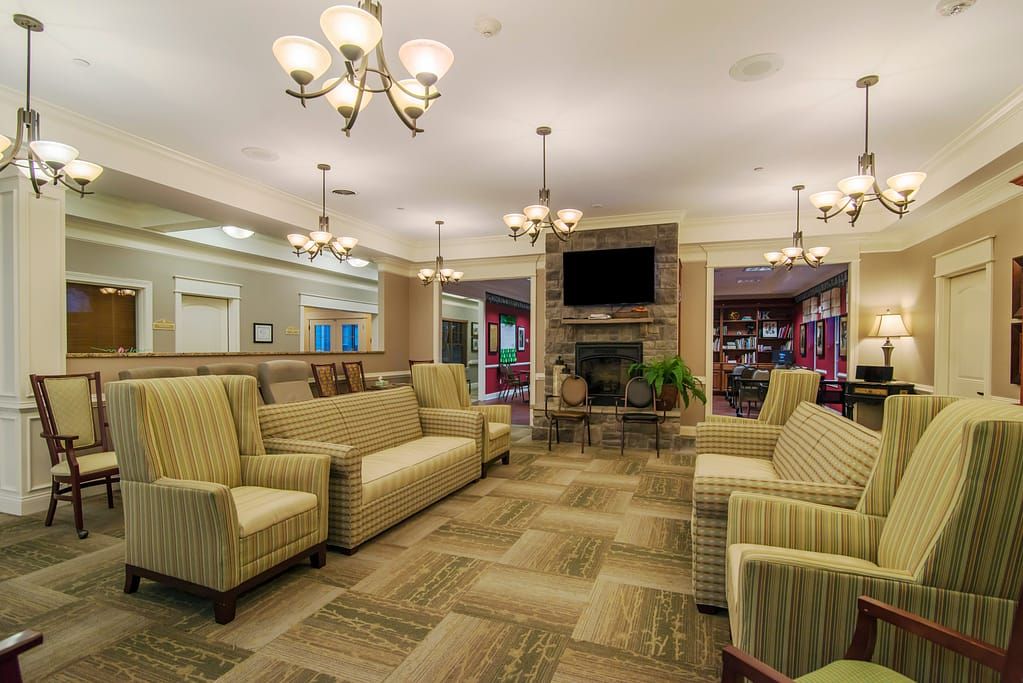
    A cozy living room with armchairs, sofas, and a fireplace under elegant chandeliers.
  • Decor

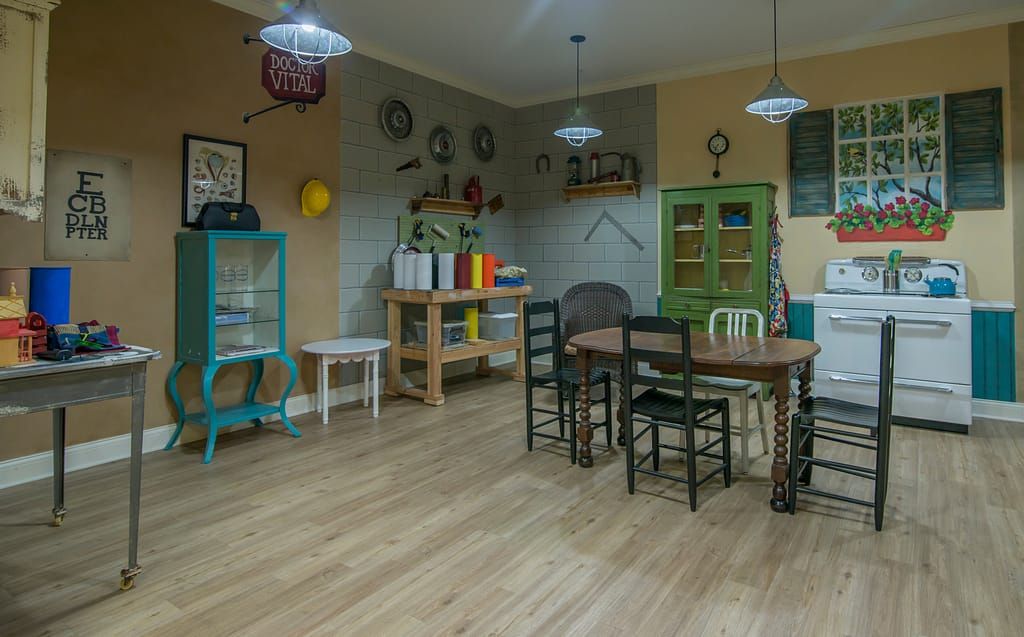
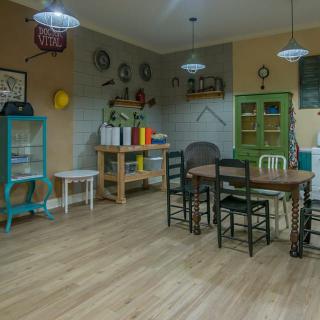
    A cozy classroom setting with colorful furniture and educational decorations.
  • Living Room

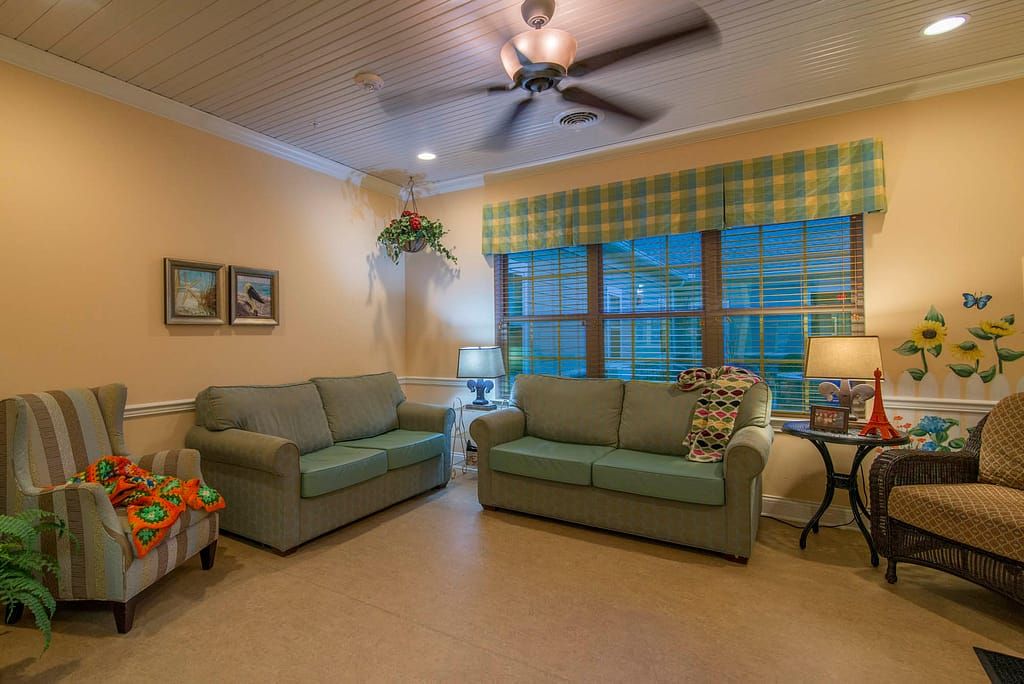
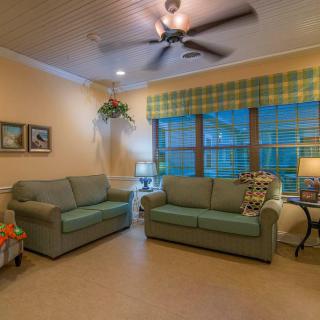
    A cozy living room with two sofas, a ceiling fan, large windows with plaid curtains, and warm lighting from lamps.
  • Windows

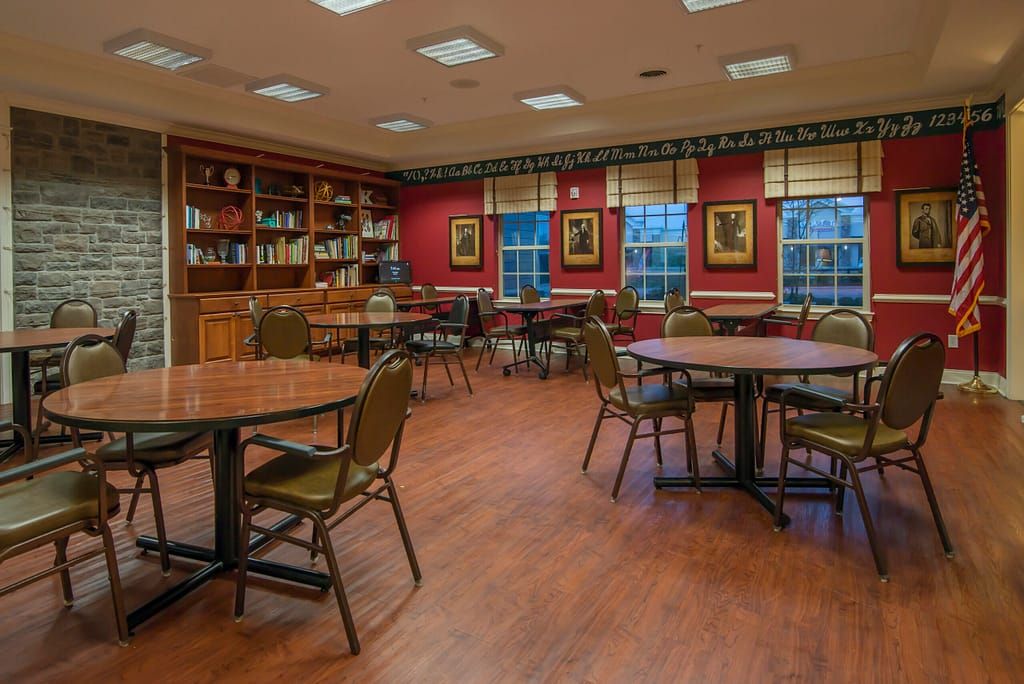
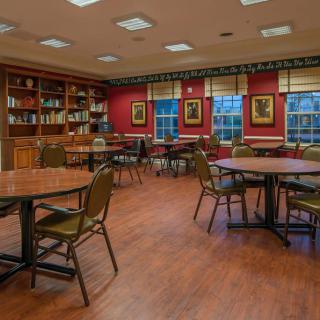
    A cozy library meeting room with tables and chairs, surrounded by bookshelves and adorned with paintings.
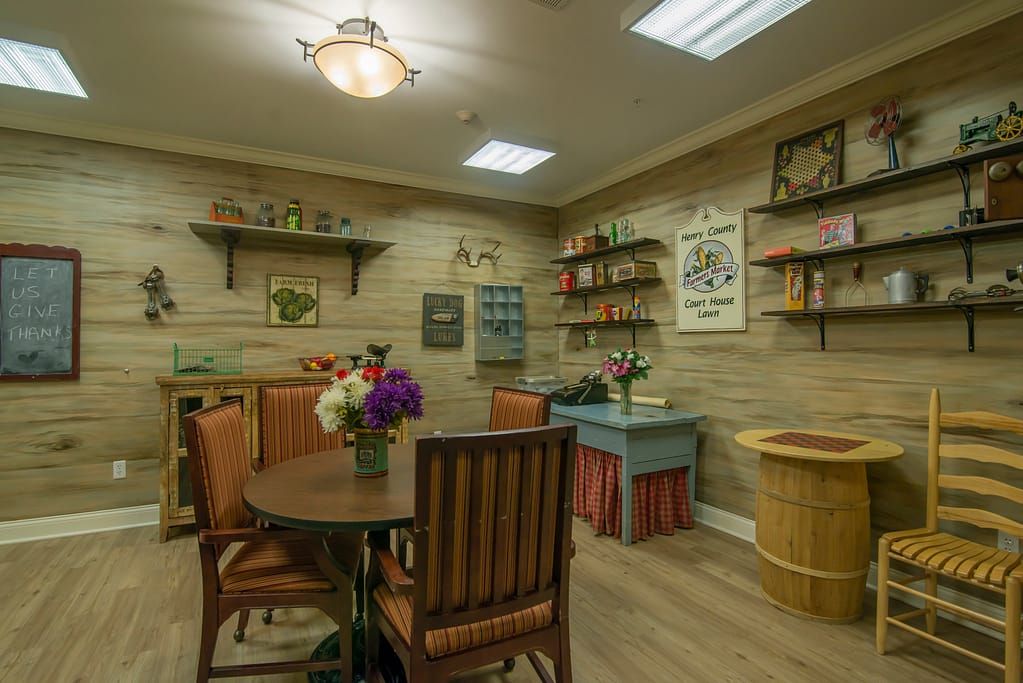
  • Dining

    A cozy, vintage-inspired dining area with wooden furniture and colorful flowers.
  • Landscaping

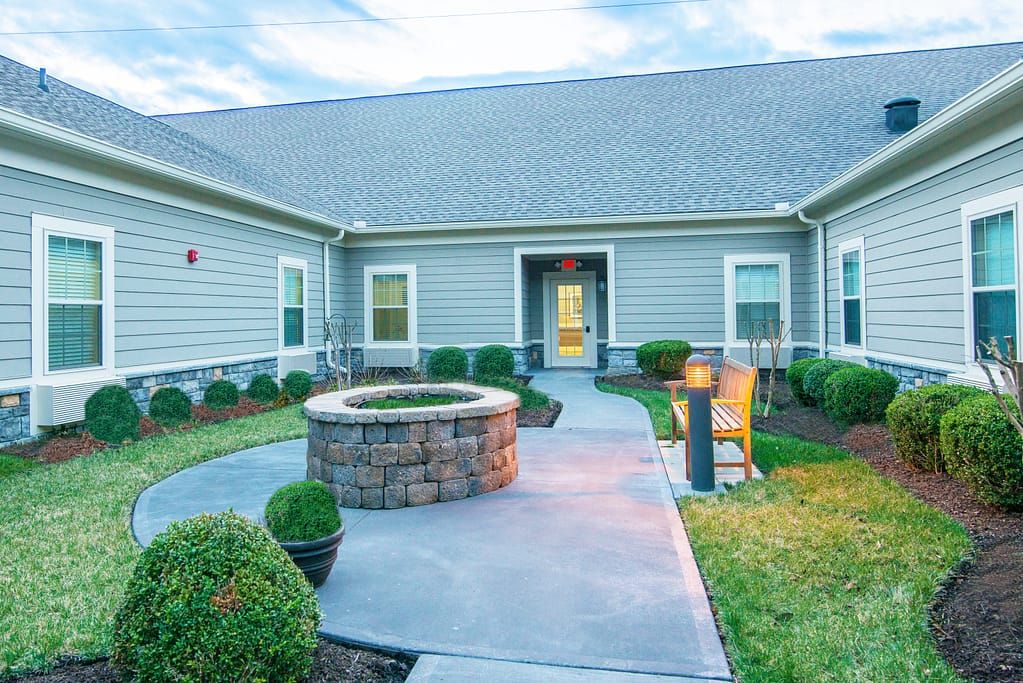
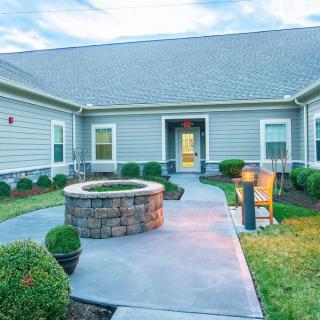
    A well-maintained backyard with a stone fire pit and a paved pathway leading to the house.

The Lantern At Morning Pointe Louisville

4701 South Hurstbourne Parkway, Louisville, KY 40291

For more information about senior living options: (844) 490-3973

4.7 from 25 reviews
5 stars
23
4 stars
0
3 stars
0
2 stars
0
1 stars
2

Memory Care

Overall Review of The Lantern At Morning Pointe Louisville

Pros

  • pro The Lantern stands out as an exceptional assisted living memory care center that truly prioritizes the well-being and dignity of its residents.
  • pro One of The Lantern's most impressive strengths is its genuine engagement with residents.
  • pro The staff goes above and beyond to foster meaningful connections, ensuring each individual is not only cared for but also actively involved in daily life.
  • pro Whether it's through personalized activities, interactive programs, or simply taking time to share a conversation, the team consistently promotes cognitive engagement and emotional well-being.
  • pro What sets The Lantern apart is their holistic approach to memory care - one that honors the individuality of every resident.
  • pro They understand that quality of life is just as important as quality of care, and they work tirelessly to ensure both.
  • pro From thoughtful daily routines to nutritious meals and social enrichment, every aspect of life at The Lantern is thoughtfully designed to enhance comfort, dignity, and joy.
  • pro The campus is beautiful and offers an outdoor patio area and courtyard.

Cons

  • pro A reviewer would give this place zero stars.
  • pro The reviewer stated that the video and tour were smoke and mirrors and flat-out lies.
  • pro The reviewer described daily neglect, with her husband left in a urine-soaked bed for hours.
  • pro The neglect allegedly caused acidic burns from his bottom up to his neck.
  • pro He died four months after eviction from the facility due to deteriorating health.
  • pro Otis was described as a complete liar, and the facility was said to have few staff on holidays.
  • pro They ordered him to bed because there was no staff, with only an intern to help.

Review

The Lantern at Morning Pointe, as described by many reviewers, presents itself as a memory care community that places patient-centric care at the heart of everything it does. Across numerous remarks, families and visitors depict a culture where staff are deeply engaged with each resident, striving to tailor care to each person's unique needs. The overarching message from these voices is that residents are treated as family and that the community aims to stand apart from other facilities by prioritizing individual dignity, meaningful interaction, and a warm, welcoming atmosphere.

Several comments elevate the staff and leadership as standout strengths. Reviewers repeatedly praise the quality of the team and describe the directors as amazing. The comments frequently highlight a leadership presence that is accessible and supportive, with one reviewer specifically naming Courtney Whitaker as an Executive Director who is an absolute pleasure to work with. The sentiment is that the staff's kindness, attentiveness, and genuine care create an environment where residents feel seen and valued. In this view, the atmosphere is consistently described as friendly, with residents appearing happy when family members visit and speak with caregivers.

Personal stories deepen the sense of the community's impact. One reviewer recounts their grandmother's last year spent at Morning Pointe Lantern, noting that she received wholesome meals, a comfortable living environment, and a caring staff. The reviewer underscored that their grandmother was treated with love and respect, and that activities and daily routines were designed to engage her and support her quality of life. The tone of these accounts is one of gratitude, with families acknowledging the care team's efforts to maintain a sense of normalcy, dignity, and joy even in challenging health circumstances.

Several reviews focus on the Lantern's holistic approach to memory care. Observers describe a home-like setting that emphasizes safety, comfort, and a sense of belonging. The staff's engagement is portrayed as more than routine caregiving; it extends to meaningful conversations, personalized activities, and efforts to involve residents in daily life. Reviewers note that the facility designs its routines, meals, and enrichment programs to support both cognitive engagement and emotional well-being, with attention paid to individual preferences and histories. The overall impression is that quality of life is treated as an essential component of care, not merely a supplement to clinical needs.

The positive depictions extend to the physical environment and community life. Several comments describe well-designed spaces, clean facilities, and a campus atmosphere that includes welcoming common areas, outdoor patios, and a sense of openness. Volunteers and visitors alike recount a sense of being welcomed, with experiences that feel less like institutional care and more like being part of a close-knit, supportive community. The consistent thread is that residents are encouraged to participate, interact with each other and staff, and find moments of connection, enrichment, and companionship as part of daily life.

Beyond Louisville, some reviewers emphasize the personal touch of the Morning Pointe Lantern experience. They recount tours and visits where staff appeared warm, questions were answered in detail, and the environment conveyed safety, reassurance, and a tangible sense of care. The feedback paints a portrait of a place where families feel confident their loved ones will be treated with kindness and respect, and where staff appear dedicated to building relationships that endure over time. It's a narrative of trust earned through everyday acts of compassion, attentiveness, and consistent communication.

The reviews also reflect positive experiences tied to volunteering, which some readers may interpret as a proxy for a broader culture of care. A reviewer who volunteered on-site described the facility as clean and smelling pleasant, with caregivers who seemed genuinely attentive to residents' needs. Activities were described as engaging and well-attended, contributing to an atmosphere that feels more like a family gathering than a cold institution. For those who want to witness the atmosphere firsthand, such accounts suggest opportunities to engage with residents and staff in meaningful, low-pressure ways.

Yet, not every review is uniformly glowing. A starkly negative account stands out, offering a sobering counterpoint to the generally positive sentiment. In this account, the reviewer describes severe neglect, a urine-soaked bed, and resulting skin injuries that progressed to the point of bone exposure. The family states that his decline accelerated after eviction from the facility and concludes with a painful warning not to place a loved one there. They describe enduring emotional distress and insist that the video and tour they were shown were not reflective of the true conditions they witnessed. This review underscores the importance of vigilant oversight, transparent communication, and continuous quality improvement in safeguarding residents' well-being.

Within the same spectrum of concern, another reviewer raises distrust about certain staff dynamics, suggesting that some individuals may misrepresent the facility's strengths. Mention of a staff member named Otis appears as a pointed accusation about honesty and holiday staffing levels, indicating that there can be significant friction or dissatisfaction alongside the otherwise positive portrayals. Together, these critical voices remind readers that, while many experiences at The Lantern at Morning Pointe are characterized by warmth, engagement, and family-like care, there are serious issues that demand attention, accountability, and active resolve from leadership and oversight.

Taken collectively, the collection of reviews paints a nuanced portrait: The Lantern at Morning Pointe is described by many as a place where patient-centered care, meaningful engagement, and a warm, home-like culture are the norm. Families express gratitude for compassionate staff, attentive directors, and a living environment designed to preserve dignity, joy, and connection through daily activities and social opportunities. Positive anecdotes emphasize safety, cleanliness, and a sense that residents are more than just patients - they are valued members of a community that acts like family.

At the same time, the outlier experiences matter. The most troubling account recalls neglect, severe injury, and a painful decline, framed by a sense of betrayal and fear. The presence of such reviews serves as a stark reminder that even highly regarded facilities must continuously self-scrutinize, enforce rigorous staffing and safety standards, and maintain open, honest lines of communication with families. It calls for ongoing vigilance, third-party oversight, and a culture that learns from every incident to prevent recurrence.

For families considering this setting, the reviews collectively offer a compelling narrative about what The Lantern at Morning Pointe strives to be: a community where residents are treated with dignity, where staff are committed to personalized care and meaningful activity, and where leadership is visible and responsive. They also highlight the reality that no facility is perfect, and that prospective families should conduct their own visits, ask pointed questions about staffing, safety protocols, and incident reporting, and listen for consistency between the warmth of everyday interactions and the transparency of operations. In this light, The Lantern presents as a facility with strong positives and serious areas for ongoing improvement.

Features

Housing

  • 52 resident community capacity 52 resident community capacity

Types of Care

  • Memory Care Memory CareMemory care is crucial for seniors as it provides specialized support and services for individuals with dementia or Alzheimer's disease. These programs offer a safe and secure environment where residents receive personalized care, cognitive stimulation, and help with daily activities. Memory care helps seniors maintain their independence, quality of life, and dignity while also providing peace of mind for their families.

Amenities

  • Air-conditioning Air-conditioningAir conditioning is important for seniors as they are more vulnerable to heat-related illnesses and may have underlying health conditions that make it difficult for them to regulate their body temperature. It helps to keep them comfortable, safe, and healthy in hot weather.
  • Beauty salon Beauty salonBeauty salons are important for seniors because they provide a space for them to feel pampered, socialize, and maintain their personal grooming and hygiene. Regular visits to a beauty salon can help boost seniors' self-esteem and overall well-being.
  • Cable or satellite TV Cable or satellite TVCable or satellite TV is important for seniors because it provides entertainment, news, and companionship, helping to combat loneliness and boredom. It also offers a wide range of programming options tailored to different interests and preferences.
  • Computer center Computer centerA computer center is essential for seniors as it provides access to technology, communication tools, and resources that can enhance their daily lives. It allows them to stay connected with loved ones, engage in online activities, and learn new skills, ultimately promoting socialization and mental stimulation.
  • Dining room Dining roomDining rooms are important for seniors as they provide a space for socialization, connection, and nutritious meals. They offer opportunities for residents to bond over shared meals, foster a sense of community, and promote healthy eating habits. Dining rooms also ensure that seniors have access to well-balanced meals tailored to their dietary needs and preferences.
  • Fitness room Fitness roomHaving a fitness room in a senior living community is essential for seniors to stay active, maintain their physical health, and improve their overall well-being. Regular exercise can help prevent falls, reduce the risk of chronic diseases, and promote mental sharpness. It also provides social opportunities for residents to connect with others and enjoy a sense of community.
  • Fully furnished Fully furnishedFully furnished senior living communities are important for seniors because they provide convenience, comfort, and a hassle-free moving experience. Seniors can easily settle into their new living space without the stress of having to buy and move furniture. This allows them to focus on enjoying their new home and community.
  • Gaming room Gaming roomGaming rooms are important for seniors as they provide a fun and engaging environment for socializing, cognitive stimulation, and physical activity. Games can improve memory, problem-solving skills, and overall mental well-being while fostering friendships and reducing feelings of isolation.
  • Garden GardenGardens are important for seniors as they provide a peaceful and therapeutic environment for relaxation, physical activity, and socialization. Being in nature has been shown to reduce stress, improve mood, and promote overall well-being. Gardens also offer opportunities for seniors to engage in gardening activities, which can improve mobility, flexibility, and cognitive function. Additionally, gardens create a sense of community and connection with others who share a passion for plants and outdoor spaces.
  • Housekeeping services Housekeeping servicesHousekeeping services are important for seniors because they help maintain a clean and safe living environment, promote independence, and reduce the risk of accidents or illnesses. Additionally, having assistance with household chores can alleviate physical strain and allow seniors to focus on other aspects of their well-being.
  • Kitchenette KitchenetteKitchenettes are important for seniors living in senior living communities because they provide the convenience and independence of being able to prepare simple meals and snacks in the comfort of their own living space. This can help promote a sense of autonomy and well-being for seniors, allowing them to maintain some level of control over their dietary choices and daily routines.
  • Move-in coordination Move-in coordinationMove-in coordination is important for seniors because it helps ease the transition into their new living environment. It ensures that all logistics, such as packing, organizing movers, and setting up utilities are taken care of, allowing seniors to focus on settling in and adjusting to their new home. Having a smooth move-in process can alleviate stress and anxiety, making the transition smoother and more enjoyable for seniors.
  • Outdoor space Outdoor spaceOutdoor spaces are important for seniors as they provide opportunities for physical activity, social interaction, exposure to natural light and fresh air, and a sense of connection to nature. Having access to outdoor spaces can improve overall well-being and quality of life for older adults living in senior communities.
  • Pet friendly Pet friendly"Pet friendly" senior living communities are important for seniors because pets provide companionship, reduce feelings of loneliness and depression, promote physical activity and mental stimulation, and offer a sense of purpose and responsibility. Pets can improve overall well-being and quality of life for seniors in many ways.
  • Private bathrooms Private bathroomsPrivate bathrooms are important for seniors in senior living communities because they provide independence, dignity, and comfort. Having a private bathroom allows seniors to maintain their personal hygiene routines without the need for assistance, promoting a sense of autonomy and privacy. Additionally, private bathrooms help prevent the spread of infections and provide a safe and clean environment for seniors to navigate safely.
  • Restaurant-style dining Restaurant-style diningRestaurant-style dining is important for seniors because it allows them to enjoy delicious, nutritious meals in a social and upscale setting. This enhances their dining experience, promotes healthy eating habits, and fosters socialization with fellow residents, ultimately contributing to their overall well-being and quality of life.
  • Small library Small librarySmall libraries are important for seniors as they provide access to a variety of reading materials, including books, newspapers, and magazines. This can help stimulate their minds, keep them engaged, and provide a sense of community through book clubs and other social activities. Additionally, reading has been shown to improve cognitive function and overall mental well-being in older adults.
  • Telephone TelephoneTelephones are important for seniors as they provide a lifeline for communication with loved ones, emergency services, and healthcare providers. They offer a sense of security and independence, enabling seniors to stay connected and access assistance when needed.
  • Wellness center Wellness centerWellness centers are important for seniors because they offer a variety of programs and services that promote physical, mental, and emotional well-being. These centers provide opportunities for exercise, socialization, education, and relaxation, helping seniors maintain their overall health and quality of life.
  • Wi-Fi/high-speed internet available Wi-Fi/high-speed internet availableWi-Fi/high-speed internet is important for seniors to stay connected with loved ones, access online resources, and participate in virtual activities to combat feelings of loneliness and isolation. It also allows them to easily manage healthcare needs, access entertainment, and engage in lifelong learning opportunities.

Transportation

  • Louisville International-Standiford (7 miles away) Louisville International-Standiford (7 miles away)
  • Community operated transportation Community operated transportationCommunity operated transportation is crucial for seniors as it provides them with the means to access essential services, social activities, and medical appointments. It allows seniors to maintain their independence and quality of life by ensuring they can participate in activities outside of their homes. Additionally, community-operated transportation services offer a safe and reliable way for seniors to travel without having to rely on family or friends for assistance.
  • Transportation arrangement Transportation arrangementTransportation arrangements are crucial for seniors as they may face challenges with driving, mobility, or access to public transportation. Having reliable transportation services ensures that seniors can easily attend appointments, social activities, and maintain their independence and quality of life.
  • Transportation arrangement (non-medical) Transportation arrangement (non-medical)Transportation arrangements are essential for seniors as they provide access to essential services, activities, and social interactions outside the home. This service helps maintain independence, mobility, and overall well-being for seniors who may have limited transportation options.

Care Services

  • 12-16 hour nursing 12-16 hour nursing12-16 hour nursing care is crucial for seniors in order to ensure around-the-clock monitoring, timely medication administration, and prompt response to any health concerns or emergencies. This level of care helps to promote the overall well-being and safety of seniors living in senior living communities.
  • 24-hour call system 24-hour call system24-hour call systems are important for seniors because they provide peace of mind and immediate assistance in case of emergencies. This technology ensures that help is always available, promoting safety and security for elderly individuals living alone or in assisted living facilities.
  • 24-hour supervision 24-hour supervision24-hour supervision is important for seniors to ensure their safety, well-being, and access to immediate assistance in case of emergencies or health issues. This constant support provides peace of mind for both seniors and their loved ones, allowing them to age in place with dignity and security.
  • Activities of daily living assistance Activities of daily living assistanceActivities of daily living assistance are important for seniors because they provide essential support with tasks such as eating, bathing, dressing, and mobility. This assistance helps seniors maintain their independence, dignity, and overall quality of life as they age.
  • Assistance with bathing Assistance with bathingAssistance with bathing is crucial for seniors as it helps maintain personal hygiene, prevents infections, and ensures their overall well-being and comfort. It also provides a sense of dignity and independence for seniors who may struggle with this task on their own.
  • Assistance with dressing Assistance with dressingAssistance with dressing is important for seniors because it helps maintain their independence, promotes personal hygiene, prevents accidents and injuries, and improves overall quality of life. This service ensures that seniors can continue to dress comfortably and confidently, despite any physical limitations they may have.
  • Assistance with transfers Assistance with transfersAssistance with transfers is crucial for seniors as it helps prevent falls and injuries, maintains their independence, and ensures they can safely navigate their living environment. It also provides peace of mind for both seniors and their loved ones.
  • Coordination with health care providers Coordination with health care providersCoordination with health care providers is crucial for seniors to ensure proper medical care, medication management, and overall well-being. This collaboration helps prevent overlapping treatments, track progress more effectively, and provide comprehensive support tailored to individual needs.
  • Dementia waiver Dementia waiverDementia waivers are essential for seniors as they provide critical protections and accommodations for those experiencing cognitive decline. These waivers ensure individuals with dementia receive appropriate care, support, and resources to maintain their quality of life and dignity as they navigate the challenges of this progressive condition.
  • Diabetes diet Diabetes dietA diabetes diet is crucial for seniors as it helps manage blood sugar levels, reduce risks of complications, and improve overall health and well-being. By following a balanced and nutritious diet tailored to their specific needs, seniors can better control their diabetes and enhance their quality of life.
  • Hospice waiver Hospice waiverHospice waivers are important for seniors because they allow individuals to receive specialized end-of-life care and support at home or in a hospice facility. This waiver ensures that seniors can access the necessary resources and services to maintain comfort and dignity during their final days.
  • Meal preparation and service Meal preparation and serviceMeal preparation and service are crucial for seniors as they may have limited mobility or energy to cook nutritious meals. Having access to healthy and convenient food options can ensure they are getting the proper nutrition needed to maintain their overall health and well-being.
  • Medication management Medication managementMedication management is crucial for seniors to ensure they are taking the right medications at the correct dosages and times. This helps prevent adverse drug interactions, reduces the risk of medication errors, and promotes overall health and well-being. Proactive management also allows for adjustments as needed based on changing health conditions or new prescriptions.
  • Mental wellness program Mental wellness programMental wellness programs are essential for seniors as they promote cognitive stimulation, emotional support, and social engagement. These programs help prevent isolation, depression, and cognitive decline, ultimately enhancing the overall quality of life for older adults.
  • Mild cognitive impairment Mild cognitive impairment"Mild cognitive impairment" is important for seniors because it is an early stage of cognitive decline that can potentially progress to more severe conditions such as dementia. Recognizing and addressing mild cognitive impairment can help seniors receive appropriate care and support to maintain their quality of life and independence for as long as possible.
  • Special dietary restrictions Special dietary restrictionsSpecial dietary restrictions are important for seniors because age-related changes in metabolism and health conditions can make it difficult for their bodies to process certain foods. By following a diet tailored to their specific needs, seniors can maintain their overall health and well-being, manage chronic conditions, and reduce the risk of complications such as malnutrition or food interactions with medications.
  • Specialized memory care programming Specialized memory care programmingSpecialized memory care programming is crucial for seniors with cognitive impairments such as dementia or Alzheimer's disease. These programs provide a safe and supportive environment tailored to the unique needs of individuals with memory loss, helping them maintain their independence, dignity, and quality of life.
  • Transportation arrangement (medical) Transportation arrangement (medical)Transportation arrangements for medical purposes are essential for seniors as they may have difficulty driving themselves to appointments or accessing public transportation. Having reliable and safe transportation options ensures that seniors can receive timely medical care and maintain their health and well-being.
  • Transportation to doctors appointments Transportation to doctors appointmentsTransportation to doctors' appointments is crucial for seniors as it ensures they have access to necessary medical care and support for their health needs. Without reliable transportation, seniors may struggle to attend important appointments, leading to potential delays in treatment and health complications. Providing transportation services helps seniors maintain their overall well-being and quality of life.

Dining

  • Diabetes diet Diabetes dietA diabetes diet is crucial for seniors as it helps manage blood sugar levels, reduce risks of complications, and improve overall health and well-being. By following a balanced and nutritious diet tailored to their specific needs, seniors can better control their diabetes and enhance their quality of life.
  • Special dietary restrictions Special dietary restrictionsSpecial dietary restrictions are important for seniors because age-related changes in metabolism and health conditions can make it difficult for their bodies to process certain foods. By following a diet tailored to their specific needs, seniors can maintain their overall health and well-being, manage chronic conditions, and reduce the risk of complications such as malnutrition or food interactions with medications.

Activities

  • Community-sponsored activities Community-sponsored activitiesCommunity-sponsored activities are important for seniors as they provide opportunities for social interaction, mental stimulation, and physical activity. These activities can help improve overall well-being, combat loneliness and isolation, and promote a sense of belonging and purpose among older adults.
  • Concierge services Concierge servicesConcierge services are essential for seniors as they provide assistance with daily tasks and errands, enhance their quality of life by offering convenience and personalized care, and promote a sense of safety and security.
  • Fitness programs Fitness programsFitness programs are crucial for seniors as they help improve strength, flexibility, balance, and overall well-being. Staying active can reduce the risk of chronic diseases, improve mental health, and enhance quality of life in older adults.
  • Planned day trips Planned day tripsPlanned day trips are important for seniors because they offer opportunities for socialization, mental stimulation, and physical activity. They provide a change of scenery and help seniors stay engaged and connected to their community, promoting overall well-being and quality of life.
  • Resident-run activities Resident-run activitiesResident-run activities are important for seniors as they encourage social interaction, creativity, and a sense of autonomy. These activities empower seniors to stay engaged and active in their community while fostering meaningful connections with their peers.
  • Scheduled daily activities Scheduled daily activitiesScheduled daily activities are important for seniors because they provide structure, socialization, mental stimulation, and physical activity. Engaging in regular activities can improve overall well-being and quality of life for seniors living in a community setting.

Description

The Lantern At Morning Pointe Louisville is a premier assisted living community in Louisville, KY. With a range of impressive amenities and comprehensive care services, residents can experience the comforts of home while receiving the assistance they need.

The community offers a variety of amenities to enhance the lives of residents. A beauty salon is available for pampering and grooming needs, while cable or satellite TV ensures entertainment options are always at hand. Community-operated transportation makes it easy for residents to access local amenities and engage in social activities. The computer center provides technology resources, allowing residents to stay connected with loved ones and explore their interests online.

At The Lantern At Morning Pointe Louisville, dining is an enjoyable experience with restaurant-style dining offered in a charming dining room. Special dietary restrictions are accommodated to ensure that each resident's nutritional needs are met. For those who prefer a smaller setting, two nearby cafes provide additional dining options.

A range of care services are provided 24/7 by compassionate staff members. Assistance with daily living activities such as bathing, dressing, and transfers is readily available. Medication management ensures that residents receive their necessary medications on time. Coordination with health care providers guarantees seamless care integration.

Residents can enjoy various activities that cater to their physical and mental well-being. Fitness programs promote active living, and planned day trips offer opportunities for exploration and recreation outside the community. Resident-run activities allow individuals to engage with others in meaningful ways, fostering a sense of belonging within the community.

Conveniently located near numerous local amenities, The Lantern At Morning Pointe Louisville provides easy access to pharmacies, physicians' offices, restaurants, parks, places of worship, theaters, and hospitals. This ensures that residents have everything they need within reach.

Overall, The Lantern At Morning Pointe Louisville offers an exceptional assisted living experience with its array of amenities, comprehensive care services, engaging activities, and convenient location. Residents can enjoy a fulfilling lifestyle supported by a dedicated staff who prioritize their well-being and individual needs.

Videos

Nearby Places of Interest

This part of Louisville, Kentucky offers a convenient location with easy access to pharmacies such as Walgreens and CVS, a variety of restaurants including Roosters and El Taco Luchador, and several physicians' offices for medical care. There are also parks nearby for leisurely walks and places of worship like St Martha Parish for spiritual needs. Additionally, there are cafes like Panera Bread and Starbucks for socializing with friends. In case of emergencies, there are hospitals such as Baptist Health Louisville within a short distance. For entertainment, there are theaters like Cinemark Mall St Matthews and XD for enjoying movies. Overall, this area provides a mix of amenities that cater to the needs of seniors looking for a comfortable and convenient living environment in Louisville.

Pharmacies

  • Walgreens (0.2 miles)
  • Walgreens (2.2 miles)
  • Walgreens (2.3 miles)
  • CVS Pharmacy (2.3 miles)
  • Walmart Pharmacy (2.4 miles)
  • Walgreens (2.9 miles)
  • Valu Market (2.9 miles)

Restaurants

  • Roosters (0.8 miles)
  • Bud's Tavern (1.7 miles)
  • Cattlemans Road House (2.1 miles)
  • McDonald's (2.3 miles)
  • El Taco Luchador (2.4 miles)
  • Chick-Fil-A (2.4 miles)
  • Raising Cane's Chicken Fingers (2.5 miles)

Physicians

  • HearingLife (1.2 miles)
  • Pediatric Associates of Louisville (1.3 miles)
  • Norton Community Medical Associates - Fern Creek (2.6 miles)
  • Orthopedic & Sports Specialists (2.6 miles)
  • Dr Pamela Asseff DDS, PSC. General & Cosmetic Dentistry (2.6 miles)
  • Baptist Medical Associates (3.1 miles)
  • Advanced ENT & Allergy (3.2 miles)

Parks

  • Buechel Park (1.8 miles)
  • Charlie Vettiner Park (2.6 miles)
  • Des Pres Park (2.9 miles)
  • Community Park (5.2 miles)

Places of Worship

  • St Martha Parish (2.5 miles)
  • Lyndon Baptist Church (5.4 miles)

Cafes

  • Panera Bread (3.2 miles)
  • Starbucks (4.8 miles)

Hospitals

  • Baptist Hospital East Park Tower (4.4 miles)
  • Baptist Hospital East Surgery (4.4 miles)
  • Baptist Health Louisville (4.4 miles)
  • Baptist Health Louisville Labor & Delivery (4.4 miles)

Theaters

  • Cinemark Mall St Matthews and XD (4.8 miles)
  • Xscape Theatres Blankenbaker 14 (5.1 miles)

Frequently Asked Questions

Where is The Lantern At Morning Pointe Louisville?
Does The Lantern At Morning Pointe Louisville provide care for residents with dementia or Alzheimer's disease?
What photos are available for The Lantern At Morning Pointe Louisville in Louisville, Kentucky?

Nearby Communities

Related Resources

  • does medicaid pay for assisted livingUnderstanding Medicaid Coverage for Assisted Living: A Comprehensive Guide

    The guide outlines the complexities of Medicaid coverage for assisted living, highlighting significant state-to-state variations, limited coverage often restricted to personal care services, and the existence of specialized waivers for certain needs like memory care. It advises families to consult local Medicaid offices for options while emphasizing the importance of understanding state-specific regulations and facility policies.

  • does medicaid pay for assisted livingHow and When Medicaid May Cover Assisted Living Costs

    Medicaid coverage for assisted living varies by state and is primarily available to low-income individuals, with eligibility dependent on strict income and asset limits. Some states offer HCBS waivers for specific services in assisted living, but families must generally cover room and board costs, and should verify facility acceptance of Medicaid while considering potential waiting lists.

  • assisted living waiver programA Detailed Exploration of Assisted Living Medicaid Waivers Across the United States
    Medicaid waivers for assisted living services provide vital support for seniors and individuals with disabilities in need of long-term care, with varying state-specific eligibility criteria and benefits. These waivers cover personal care and case management but often do not fully cover room and board, leading to waiting lists for many applicants.