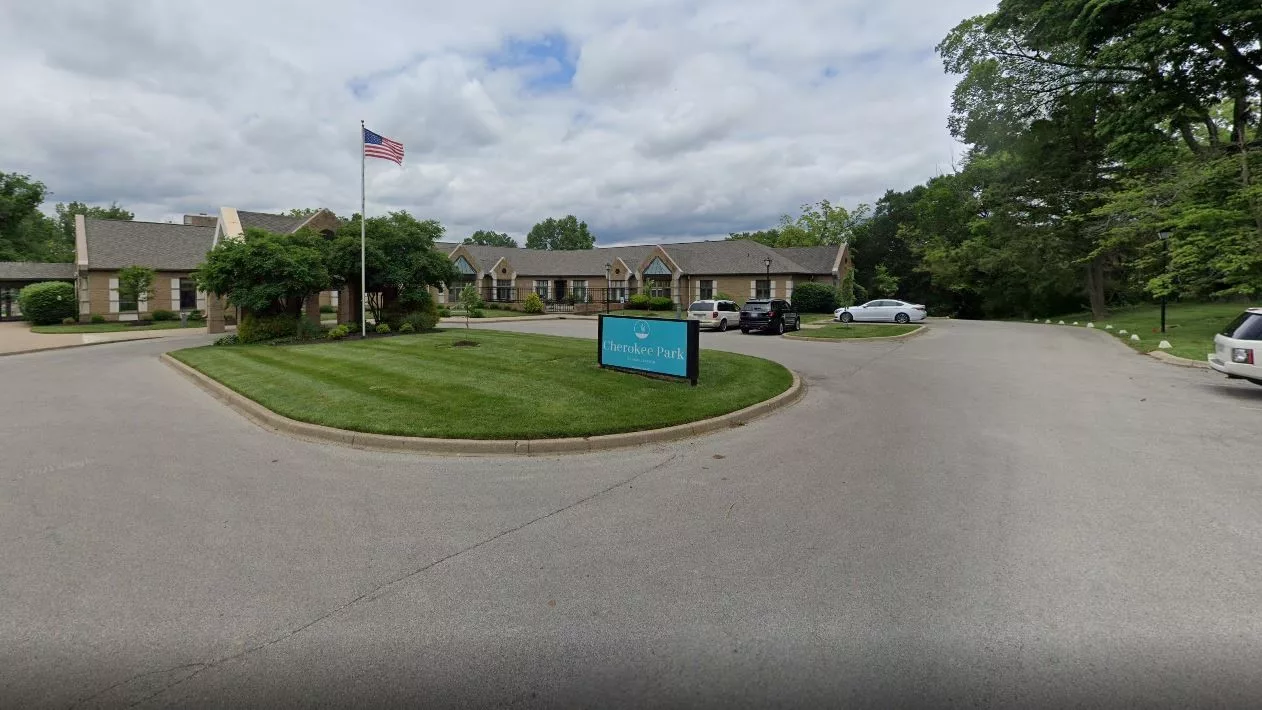
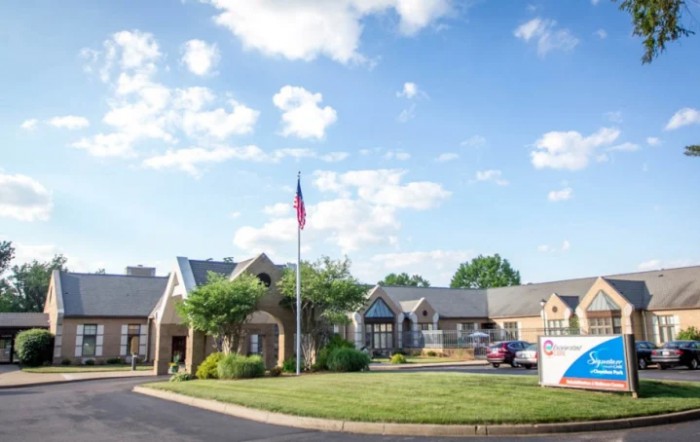









2100 Millvale Road, Louisville, KY 40205
For more information about senior living options: (866) 208-4318
Overall Review of Cherokee Park Rehabilitation
Pros
 Ms. Gerri is described as an angel.
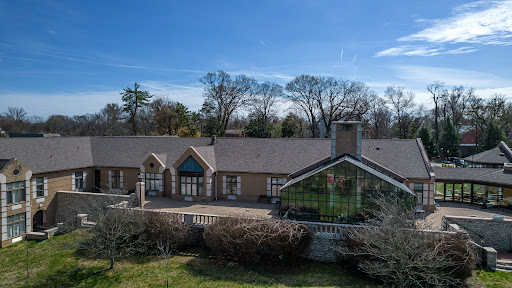
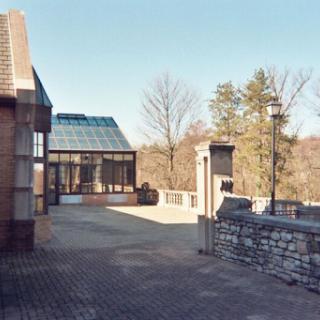
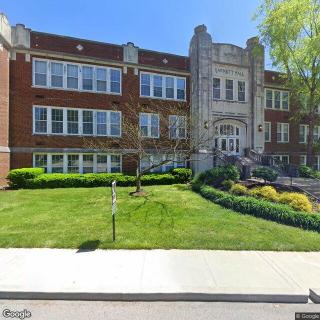
- The facility is beautiful, with award-winning architecture and landscaping.
- The staff is above average and includes genuinely friendly nurses and aides.
- The facility is considered a jewel.
- The surroundings offer open spaces, deer sightings, and park-like views.
Cons
 Some of the staff didn’t seem to belong working there.
- A staff member told the reviewer she didn’t have patience with the sister.
- When questions were asked, the staff didn’t know anything.
- Many of the staff were lacking in quality and performance.
- Some aides came to work and hid.
- Weekend or evening shift nurses stayed behind the nurse’s desk and read books or did their own internet business.
- The reviewer’s insurer said that such a level of care was no longer needed.
Review
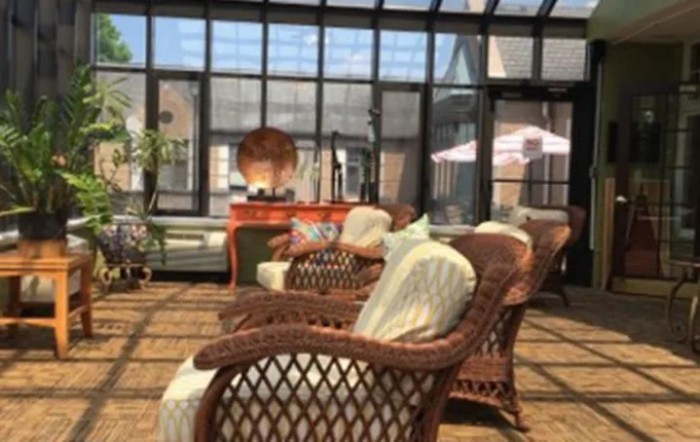
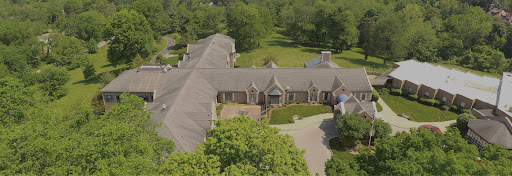
Cherokee Park Rehabilitation in Louisville is best suited for seniors who need short- to mid-term rehabilitation and who will benefit from a calming, park-adjacent setting where family involvement can help compensate for uneven care. The facility sits in a visually striking, open-space environment: award-winning architecture and landscaping, with manicured lawns and views of a neighboring park where deer and walkers are common. The building atmosphere emphasizes light and openness, with atrium-like spaces and glass-walled areas that create a sense of roominess rather than confinement. For a resident who responds well to pleasant surroundings and a tranquil milieu during recovery, this site offers a notable plus.
Those weighing alternatives should consider whether reliable, consistently attentive care is non-negotiable. If daily bedside care, prompt answers to questions, and stable staffing are top priorities, Cherokee Park may fall short at times. The unit does host genuinely caring staff, but variability exists: some aides and shifts are described as underperforming or disengaged, which can complicate progress and daily routines. Long-term care is operated separately, and ownership changes over the years have introduced additional questions about continuity of policy and staffing. Families for whom ongoing, predictable support is essential should compare other Louisville options that emphasize steadier day-to-day care.
From a practical standpoint, the strongest positives here are the environment and the relative warmth of portions of the staff. The setting, lush grounds, proximity to a park, and views of natural activity, can enhance mood, reduce agitation, and support engagement in therapy. The staff who show up consistently and genuinely connect with residents can make a real difference in motivation and cooperation with rehab plans. Ms. Gerri stands out in the memories of many: a caregiver whose kindness and reliability can elevate the overall experience and counterbalance rough days. In short, the facility functions as a jewel in terms of atmosphere and the potential for pleasant interactions.
Yet the main drawbacks temper those advantages. Several aides and some weekend or evening staff were described as disengaged, retreating behind desks, or lacking initiative to address questions. Instances of patience shortfalls and questions going unanswered undermine confidence in the care plan and can slow progress. The mix of higher-quality staff with inconsistent performers creates a flickering baseline of reliability that families must actively manage, advocacy becomes part of daily life rather than an optional courtesy. The historical ownership changes add a layer of uncertainty about policies, training, and how quickly problems get resolved.
Despite the caveats, the pros can offset some cons if the right expectations are set and a proactive approach is taken. A serene, well-maintained setting has tangible therapeutic value and can support residents’ engagement in therapy. When the staff team aligns, when a nurse or aide shows genuine attention, communication stays clear, and questions are answered with competence, the rehab process can still move forward effectively. The architecture and outdoor access also encourage residents to participate in small, restorative activities outside the unit, which can complement formal therapy and shorten recovery time for some.
Bottom line: Cherokee Park Rehabilitation offers a compelling environment and real strengths in certain staff interactions, but it requires careful due diligence. Families considering this community should plan a thorough visit focused on staffing patterns, ask to observe shifts, and request candid conversations with both the administrator and the most directly responsible therapists. If a resident’s needs center on highly reliable, continuous bedside care and predictable responses, it may be prudent to explore other Louisville options first. For those who value a peaceful setting and can commit to active advocacy and follow-through, Cherokee Park presents a viable path, but with clear caveats about consistency and staffing over time.
 84 resident community capacity
 Memory Care
 Skilled Nursing Facility
 Air-conditioning
 Beauty salon
 Cable or satellite TV
 Computer center
 Dining room
 Fitness room
 Fully furnished
 Gaming room
 Garden
 Housekeeping services
 Kitchenette
 Move-in coordination
 Outdoor space
 Private bathrooms
 Restaurant-style dining
 Small library
 Telephone
 Wellness center
 Wi-Fi/high-speed internet available
 Louisville International-Standiford (5 miles away)
 Community operated transportation
 12-16 hour nursing
 24-hour call system
 Activities of daily living assistance
 Assistance with bathing
 Assistance with dressing
 Assistance with transfers
 Diabetes diet
 Medication management
 Mental wellness program
 Special dietary restrictions
 Concierge services
 Planned day trips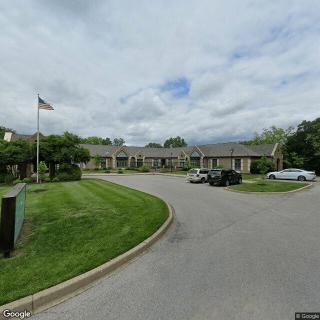





 Comprehensive Guide to VA Nursing Homes: A Crucial Long-Term Care Resource for Veterans
 Estimating the Expenses of At-Home Dementia Care: A Detailed Exploration
 Comprehensive Insights on the Late Stages of Dementia: What to Expect and How to Provide Care