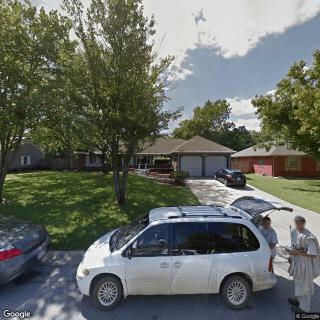
ComfortCare Homes Inc.

7701 East Kellogg Suite 490, Wichita, KS 67203

For more information about senior living options: (844) 490-3973

4.3 from 27 reviews
5 stars
22
4 stars
0
3 stars
0
2 stars
2
1 stars
3

Memory Care

Overall Review of ComfortCare Homes Inc.

Pros

  • pro Comfort Care Homes' level of care and compassion far exceeds that of other facilities.
  • pro The staff consistently show love every day and provide excellent care, giving families peace of mind.
  • pro Administration and caregivers are described as the absolute best.
  • pro The homes feel more like residential houses than care facilities - clean, tidy, and well maintained.
  • pro Outdoor spaces, walking paths, and updated interiors enhance residents' daily living.
  • pro The staff are attentive, compassionate, and specialized in dementia care, making residents feel like family.
  • pro Comfort Care Homes is regarded as a family and a home to loved ones, with staff who are loving and gracious.
  • pro Communication with families is frequent and clear, even during Covid, keeping families connected and informed.
  • pro The facility is trusted by professionals and families for high-quality, safe dementia care.

Cons

  • pro One reviewer notes that care decreased as the disease progressed, including the father being found in bed at 3 pm soaked in urine and often overmedicated and left in bed.
  • pro Another reviewer mentions misplaced items that were never returned.
  • pro A reviewer states that the mother was told she had to pay for a private caregiver from 5?10 pm nightly or have family present, in addition to the monthly dementia care fee.
  • pro One reviewer describes the office staff as unprofessional and making prejudiced decisions.
  • pro A reviewer describes the overall experience as very disappointing for a dementia care facility.

Review

Comfort Care Homes emerges in these accounts as much more than a place to live in later years; it is described as a haven where care, compassion, and a true sense of family come first. One family shares that their dad has been with Comfort Care Homes for three years and, in that time, there hasn't been a single complaint. The level of care and the daily warmth shown by staff are highlighted as delivering real peace of mind to families, especially when dementia makes every day feel uncertain. The memories of the people who work there - administrative staff, caregivers, and every level of the team - are described as consistently kind, patient, and deeply committed to the residents' well-being.

The spaces themselves contribute to this sense of comfort. Reviewers repeatedly note that Comfort Care Homes feel less like a sterile institution and more like a residential home. The communities are described as clean, tidy, and well maintained, with nicely landscaped yards and updated interiors. Residents have access to comfortable furnishings and outdoor options that accommodate safe enjoyment of fresh air, walking paths, and even moments of serenity outdoors. One of the most cherished touches is the thoughtful use of music; the homes frequently play music to leverage the therapeutic benefits for people with dementia, resulting in delightful moments when residents sing or tap along to the songs of their youth.

Staffing is consistently praised for its attentiveness and compassion. The caregivers are described as engaging with residents in meaningful ways and ensuring everyone's comfort and dignity. A common thread in the testimonials is the staff's expertise in dementia care - how they know the best ways to interact with residents to keep them calm, engaged, and feeling like family. The patience and humor shown by caregivers, especially on days that are challenging, are highlighted as a key reason families feel supported rather than overwhelmed. Across many stories, families emphasize that staff treat residents with warmth and respect, reinforcing a sense that their loved ones are valued members of a larger, caring community.

Communication with families stands out as a defining strength. Several reviews describe how Comfort Care Homes maintains ongoing, clear, and proactive dialogue with relatives. From pre-COVID expectations to the ongoing updates during the pandemic, families appreciated consistent information about care plans, daily activities, and any changes in a loved one's condition. The facility's approach to staying connected is described as multi-channel and thoughtful - through Zoom calls, fence visits in good weather, glass-door visits when needed, and digital updates via apps, photos, and emails. Even during Covid-19 restrictions, families felt kept in the loop and supported, with staff going to extra lengths to ensure people remained connected and engaged.

There are vivid stories of the difference Comfort Care Homes has made in individuals' lives. One review highlights how the team at Comfort Care Homes helped a family member who had been misdiagnosed and was on the verge of more invasive treatment. Through careful medical attention and advocacy, the team helped this person discontinue unnecessary medications and ultimately avoid further memory-care interventions. Other accounts describe how Comfort Care Homes has become a true extension of family - welcoming calls and visits, offering reassurance, and coordinating with loved ones to maintain as normal a life as possible during extraordinary times. The overarching sentiment is that the staff's dedication goes beyond daily tasks to genuinely enhancing residents' quality of life.

The culture at Comfort Care Homes is frequently framed as a ministry of loving service. Several reviewers describe the staff as not just performing a job, but embracing a calling to care for seniors with dignity and grace. The leadership is portrayed as approachable and deeply involved; families feel listened to and supported, whether they're asking questions, seeking clarification, or simply wanting to check in on a loved one's wellbeing. The sense that staff, from the corporate office to the care teams at the homes, regard their work as a meaningful vocation comes through consistently. When families describe the atmosphere, they often use terms like "family" and "home," underscoring a trusted, long-term relationship rather than a transactional arrangement.

Not every experience is described as perfect, and a broader window of feedback includes a cautionary note. One account concerns a dementia home that is not Comfort Care Homes, recounting serious lapses in care, such as inadequate supervision, bedsores and soiled conditions, overmedication, and misplacement of personal belongings. The reviewer also notes additional charges for private caregiver time and a perception of rigidity around family involvement. Another review mentions that, while the majority of experiences with Comfort Care Homes are positive, there have been critiques of office staff in certain situations, describing professionalism concerns and perceived prejudice in decisions. Taken together, these voices remind readers that, as with any care provider, experiences can vary, and it remains important to visit, meet the team, and assess fit for a specific loved one.

Overall, the collective voice about Comfort Care Homes is one of deep appreciation for a care model that treats residents like family and places their emotional, mental, and physical needs at the forefront. Families speak of a home-like environment that feels safe, welcoming, and warmly staffed, where music, outdoor spaces, and daily routines are thoughtfully integrated to support well-being. The emphasis on open communication, genuine compassion, and professional collaboration with families paints a picture of a facility that many would choose again for a loved one facing dementia and aging. While it's wise to be mindful of individual experiences and to compare options, Comfort Care Homes consistently earns high praise for creating a supportive, humane, and hopeful environment for residents and their families.

Features

Housing

  • 100 resident community capacity 100 resident community capacity

Types of Care

  • Memory Care Memory CareMemory care is crucial for seniors as it provides specialized support and services for individuals with dementia or Alzheimer's disease. These programs offer a safe and secure environment where residents receive personalized care, cognitive stimulation, and help with daily activities. Memory care helps seniors maintain their independence, quality of life, and dignity while also providing peace of mind for their families.

Amenities

  • Air-conditioning Air-conditioningAir conditioning is important for seniors as they are more vulnerable to heat-related illnesses and may have underlying health conditions that make it difficult for them to regulate their body temperature. It helps to keep them comfortable, safe, and healthy in hot weather.
  • Beauty salon Beauty salonBeauty salons are important for seniors because they provide a space for them to feel pampered, socialize, and maintain their personal grooming and hygiene. Regular visits to a beauty salon can help boost seniors' self-esteem and overall well-being.
  • Cable or satellite TV Cable or satellite TVCable or satellite TV is important for seniors because it provides entertainment, news, and companionship, helping to combat loneliness and boredom. It also offers a wide range of programming options tailored to different interests and preferences.
  • Computer center Computer centerA computer center is essential for seniors as it provides access to technology, communication tools, and resources that can enhance their daily lives. It allows them to stay connected with loved ones, engage in online activities, and learn new skills, ultimately promoting socialization and mental stimulation.
  • Fitness room Fitness roomHaving a fitness room in a senior living community is essential for seniors to stay active, maintain their physical health, and improve their overall well-being. Regular exercise can help prevent falls, reduce the risk of chronic diseases, and promote mental sharpness. It also provides social opportunities for residents to connect with others and enjoy a sense of community.
  • Fully furnished Fully furnishedFully furnished senior living communities are important for seniors because they provide convenience, comfort, and a hassle-free moving experience. Seniors can easily settle into their new living space without the stress of having to buy and move furniture. This allows them to focus on enjoying their new home and community.
  • Gaming room Gaming roomGaming rooms are important for seniors as they provide a fun and engaging environment for socializing, cognitive stimulation, and physical activity. Games can improve memory, problem-solving skills, and overall mental well-being while fostering friendships and reducing feelings of isolation.
  • Garden GardenGardens are important for seniors as they provide a peaceful and therapeutic environment for relaxation, physical activity, and socialization. Being in nature has been shown to reduce stress, improve mood, and promote overall well-being. Gardens also offer opportunities for seniors to engage in gardening activities, which can improve mobility, flexibility, and cognitive function. Additionally, gardens create a sense of community and connection with others who share a passion for plants and outdoor spaces.
  • Housekeeping services Housekeeping servicesHousekeeping services are important for seniors because they help maintain a clean and safe living environment, promote independence, and reduce the risk of accidents or illnesses. Additionally, having assistance with household chores can alleviate physical strain and allow seniors to focus on other aspects of their well-being.
  • Kitchenette KitchenetteKitchenettes are important for seniors living in senior living communities because they provide the convenience and independence of being able to prepare simple meals and snacks in the comfort of their own living space. This can help promote a sense of autonomy and well-being for seniors, allowing them to maintain some level of control over their dietary choices and daily routines.
  • Move-in coordination Move-in coordinationMove-in coordination is important for seniors because it helps ease the transition into their new living environment. It ensures that all logistics, such as packing, organizing movers, and setting up utilities are taken care of, allowing seniors to focus on settling in and adjusting to their new home. Having a smooth move-in process can alleviate stress and anxiety, making the transition smoother and more enjoyable for seniors.
  • Outdoor space Outdoor spaceOutdoor spaces are important for seniors as they provide opportunities for physical activity, social interaction, exposure to natural light and fresh air, and a sense of connection to nature. Having access to outdoor spaces can improve overall well-being and quality of life for older adults living in senior communities.
  • Private bathrooms Private bathroomsPrivate bathrooms are important for seniors in senior living communities because they provide independence, dignity, and comfort. Having a private bathroom allows seniors to maintain their personal hygiene routines without the need for assistance, promoting a sense of autonomy and privacy. Additionally, private bathrooms help prevent the spread of infections and provide a safe and clean environment for seniors to navigate safely.
  • Restaurant-style dining Restaurant-style diningRestaurant-style dining is important for seniors because it allows them to enjoy delicious, nutritious meals in a social and upscale setting. This enhances their dining experience, promotes healthy eating habits, and fosters socialization with fellow residents, ultimately contributing to their overall well-being and quality of life.
  • Small library Small librarySmall libraries are important for seniors as they provide access to a variety of reading materials, including books, newspapers, and magazines. This can help stimulate their minds, keep them engaged, and provide a sense of community through book clubs and other social activities. Additionally, reading has been shown to improve cognitive function and overall mental well-being in older adults.
  • Telephone TelephoneTelephones are important for seniors as they provide a lifeline for communication with loved ones, emergency services, and healthcare providers. They offer a sense of security and independence, enabling seniors to stay connected and access assistance when needed.
  • Wellness center Wellness centerWellness centers are important for seniors because they offer a variety of programs and services that promote physical, mental, and emotional well-being. These centers provide opportunities for exercise, socialization, education, and relaxation, helping seniors maintain their overall health and quality of life.
  • Wi-Fi/high-speed internet available Wi-Fi/high-speed internet availableWi-Fi/high-speed internet is important for seniors to stay connected with loved ones, access online resources, and participate in virtual activities to combat feelings of loneliness and isolation. It also allows them to easily manage healthcare needs, access entertainment, and engage in lifelong learning opportunities.

Transportation

  • Wichita Mid-Continent (10 miles away) Wichita Mid-Continent (10 miles away)
  • Community operated transportation Community operated transportationCommunity operated transportation is crucial for seniors as it provides them with the means to access essential services, social activities, and medical appointments. It allows seniors to maintain their independence and quality of life by ensuring they can participate in activities outside of their homes. Additionally, community-operated transportation services offer a safe and reliable way for seniors to travel without having to rely on family or friends for assistance.
  • Transportation arrangement Transportation arrangementTransportation arrangements are crucial for seniors as they may face challenges with driving, mobility, or access to public transportation. Having reliable transportation services ensures that seniors can easily attend appointments, social activities, and maintain their independence and quality of life.

Care Services

  • 24-hour call system 24-hour call system24-hour call systems are important for seniors because they provide peace of mind and immediate assistance in case of emergencies. This technology ensures that help is always available, promoting safety and security for elderly individuals living alone or in assisted living facilities.
  • 24-hour supervision 24-hour supervision24-hour supervision is important for seniors to ensure their safety, well-being, and access to immediate assistance in case of emergencies or health issues. This constant support provides peace of mind for both seniors and their loved ones, allowing them to age in place with dignity and security.
  • Activities of daily living assistance Activities of daily living assistanceActivities of daily living assistance are important for seniors because they provide essential support with tasks such as eating, bathing, dressing, and mobility. This assistance helps seniors maintain their independence, dignity, and overall quality of life as they age.
  • Assistance with bathing Assistance with bathingAssistance with bathing is crucial for seniors as it helps maintain personal hygiene, prevents infections, and ensures their overall well-being and comfort. It also provides a sense of dignity and independence for seniors who may struggle with this task on their own.
  • Assistance with dressing Assistance with dressingAssistance with dressing is important for seniors because it helps maintain their independence, promotes personal hygiene, prevents accidents and injuries, and improves overall quality of life. This service ensures that seniors can continue to dress comfortably and confidently, despite any physical limitations they may have.
  • Assistance with transfers Assistance with transfersAssistance with transfers is crucial for seniors as it helps prevent falls and injuries, maintains their independence, and ensures they can safely navigate their living environment. It also provides peace of mind for both seniors and their loved ones.
  • Diabetes diet Diabetes dietA diabetes diet is crucial for seniors as it helps manage blood sugar levels, reduce risks of complications, and improve overall health and well-being. By following a balanced and nutritious diet tailored to their specific needs, seniors can better control their diabetes and enhance their quality of life.
  • Meal preparation and service Meal preparation and serviceMeal preparation and service are crucial for seniors as they may have limited mobility or energy to cook nutritious meals. Having access to healthy and convenient food options can ensure they are getting the proper nutrition needed to maintain their overall health and well-being.
  • Medication management Medication managementMedication management is crucial for seniors to ensure they are taking the right medications at the correct dosages and times. This helps prevent adverse drug interactions, reduces the risk of medication errors, and promotes overall health and well-being. Proactive management also allows for adjustments as needed based on changing health conditions or new prescriptions.
  • Mental wellness program Mental wellness programMental wellness programs are essential for seniors as they promote cognitive stimulation, emotional support, and social engagement. These programs help prevent isolation, depression, and cognitive decline, ultimately enhancing the overall quality of life for older adults.
  • Mild cognitive impairment Mild cognitive impairment"Mild cognitive impairment" is important for seniors because it is an early stage of cognitive decline that can potentially progress to more severe conditions such as dementia. Recognizing and addressing mild cognitive impairment can help seniors receive appropriate care and support to maintain their quality of life and independence for as long as possible.
  • Special dietary restrictions Special dietary restrictionsSpecial dietary restrictions are important for seniors because age-related changes in metabolism and health conditions can make it difficult for their bodies to process certain foods. By following a diet tailored to their specific needs, seniors can maintain their overall health and well-being, manage chronic conditions, and reduce the risk of complications such as malnutrition or food interactions with medications.
  • Specialized memory care programming Specialized memory care programmingSpecialized memory care programming is crucial for seniors with cognitive impairments such as dementia or Alzheimer's disease. These programs provide a safe and supportive environment tailored to the unique needs of individuals with memory loss, helping them maintain their independence, dignity, and quality of life.

Dining

  • Diabetes diet Diabetes dietA diabetes diet is crucial for seniors as it helps manage blood sugar levels, reduce risks of complications, and improve overall health and well-being. By following a balanced and nutritious diet tailored to their specific needs, seniors can better control their diabetes and enhance their quality of life.
  • Special dietary restrictions Special dietary restrictionsSpecial dietary restrictions are important for seniors because age-related changes in metabolism and health conditions can make it difficult for their bodies to process certain foods. By following a diet tailored to their specific needs, seniors can maintain their overall health and well-being, manage chronic conditions, and reduce the risk of complications such as malnutrition or food interactions with medications.

Activities

  • Community-sponsored activities Community-sponsored activitiesCommunity-sponsored activities are important for seniors as they provide opportunities for social interaction, mental stimulation, and physical activity. These activities can help improve overall well-being, combat loneliness and isolation, and promote a sense of belonging and purpose among older adults.
  • Concierge services Concierge servicesConcierge services are essential for seniors as they provide assistance with daily tasks and errands, enhance their quality of life by offering convenience and personalized care, and promote a sense of safety and security.
  • Fitness programs Fitness programsFitness programs are crucial for seniors as they help improve strength, flexibility, balance, and overall well-being. Staying active can reduce the risk of chronic diseases, improve mental health, and enhance quality of life in older adults.
  • Planned day trips Planned day tripsPlanned day trips are important for seniors because they offer opportunities for socialization, mental stimulation, and physical activity. They provide a change of scenery and help seniors stay engaged and connected to their community, promoting overall well-being and quality of life.
  • Resident-run activities Resident-run activitiesResident-run activities are important for seniors as they encourage social interaction, creativity, and a sense of autonomy. These activities empower seniors to stay engaged and active in their community while fostering meaningful connections with their peers.
  • Scheduled daily activities Scheduled daily activitiesScheduled daily activities are important for seniors because they provide structure, socialization, mental stimulation, and physical activity. Engaging in regular activities can improve overall well-being and quality of life for seniors living in a community setting.

Description

ComfortCare Homes Inc. in Wichita, KS is an exceptional assisted living community that offers a wide range of amenities and care services to ensure the comfort and well-being of its residents.

The community boasts a beauty salon where residents can indulge in self-care and grooming services. They can also enjoy their favorite television programs with cable or satellite TV access. Community-operated transportation is available to provide convenient travel options for outings and appointments. The computer center allows residents to stay connected with loved ones and explore the digital world.

For physical fitness, there is a fully equipped fitness room where residents can engage in regular exercise routines. The gaming room provides entertainment options for those who enjoy recreational activities. A beautiful garden offers a serene outdoor space where residents can relax and unwind.

Housekeeping services keep the living spaces clean and tidy, while a kitchenette allows residents to prepare light snacks or beverages as desired. Move-in coordination ensures a smooth transition into the community.

Residents can savor delicious meals in a restaurant-style dining setting, taking into account special dietary restrictions when necessary. A small library is available for those who love to read, providing endless literary adventures.

Telephone access allows easy communication with family and friends, while Wi-Fi/high-speed internet keeps residents connected online. The wellness center caters to residents' health needs and promotes overall well-being.

The Care Services at ComfortCare Homes Inc. guarantee round-the-clock supervision, assistance with activities of daily living such as bathing, dressing, and transfers. Specialized memory care programming helps individuals struggling with cognitive impairments or memory loss. A mental wellness program is also provided to address emotional needs.

Medication management ensures that prescribed medications are taken promptly and accurately. Specific dietary requirements like diabetes diets or specialized meal preparations are meticulously catered to by the staff.

Transportation arrangements are made for convenience when it comes to accessing nearby amenities such as cafes, parks, pharmacies, physicians' offices, restaurants, places of worship, theaters, and hospitals.

ComfortCare Homes Inc. in Wichita, KS offers an exceptional assisted living community where residents receive top-notch care and enjoy a plethora of amenities and services designed to enhance their overall quality of life.

Nearby Places of Interest

Restaurants

  • BJ's Restaurant & Brewhouse (0.1 miles)
  • Bubba's 33 (0.2 miles)
  • Sapporo Japanese Sushi Restaurant (0.2 miles)
  • Olive Garden (0.9 miles)
  • Sonic Drive-In (1 miles)
  • Meddy's (1 miles)
  • Chick-Fil-A (1.1 miles)

Physicians

  • Isight Optometry (0.6 miles)
  • Holloway Kevin B MD (1.4 miles)
  • Dr Mark Weeks Office (1.5 miles)
  • Grene Vision Group (1.5 miles)
  • Kansas Medical Associates (1.5 miles)
  • Via Christi Clinic (1.9 miles)
  • Ascension Via Christi Sleep Center on Carriage Parkway (1.9 miles)

Cafes

  • Il Primo Espresso Caffe (1.4 miles)
  • Panera Bread (2.9 miles)
  • Starbucks (3.6 miles)
  • Starbucks (3.7 miles)
  • Starbucks (4.1 miles)

Hospitals

  • Ltac Of Wichita (1.7 miles)
  • Ascension Via Christi Rehabilitation Hospital (1.7 miles)

Pharmacies

  • Walgreens (1.7 miles)
  • CVS Pharmacy (2.1 miles)
  • Walgreens (2.2 miles)
  • Walgreens (3 miles)
  • Health Mart Pharmacy (3 miles)
  • CVS Pharmacy (3 miles)
  • Walgreens (3.2 miles)

Parks

  • Edgemoor Park (1.9 miles)
  • College Hill Park (2.5 miles)
  • Air Park (2.7 miles)

Transportation

  • Beech Factory Airport (BEC) (2 miles)

Places of Worship

  • St Thomas Aquinas (2.1 miles)
  • Saint Marks Church of God in Christ (2.5 miles)
  • Blessed Sacrament Catholic Church (2.5 miles)
  • Crossroads Baptist Church (2.5 miles)
  • World Impact (3.2 miles)

Theaters

  • Regal Warren East (3 miles)

Frequently Asked Questions

Where is ComfortCare Homes Inc.?
Does ComfortCare Homes Inc. provide care for residents with dementia or Alzheimer's disease?

Nearby Communities

Related Resources

  • do dementia patients sleep a lotWhy Do Dementia Patients Sleep So Much? Understanding Oversleeping, Stages, and Care Approaches

    Dementia often results in disrupted sleep patterns, leading to excessive daytime sleeping due to factors like brain damage affecting circadian rhythms, medication side effects, and lack of structure in daily activities. Caregivers must monitor these changes closely, as oversleeping can increase risks such as malnutrition or dehydration, and provide necessary support and routines to enhance patient engagement and well-being.

  • when to move from assisted living to nursing home8 Key Indicators That Suggest It May Be Time to Transition from Assisted Living to Skilled Nursing Care

    The transition from assisted living to skilled nursing care is often prompted by complex medical needs that assisted living cannot meet, with key indicators including frequent health declines, increased falls, severe memory issues, and caregiver burnout. Families should recognize these signs early to discuss options with healthcare providers and prepare for the emotional and logistical aspects of moving to a facility that offers comprehensive medical support.

  • best foods for dementia patients to eatNourishing the Mind: Essential Dietary Approaches for Dementia

    Dementia is characterized by cognitive decline, with nutrition playing a vital role in brain health; while no specific diet can prevent or reverse it, a nutrient-dense diet rich in antioxidants and healthy fats may support cognitive function. The MIND diet, which emphasizes beneficial foods and limits processed items, along with proper hydration and individualized meal strategies, can enhance the well-being of dementia patients.