


1007 E. Columbia St., Litchfield, IL 62056
To contact a resident: (217) 324-1900
For more information about senior living options: (866) 208-4318
Copper Creek Cottages Memory Care of Litchfield Costs & Pricing
Copper Creek Cottages Memory Care of Litchfield offers distinct pricing structures for its memory care services, reflecting both the specialized nature of care provided and the local market dynamics. For a private 1-bedroom unit, residents can expect to pay $5,067 per month, which is notably higher than the average costs in Montgomery County ($3,459) and even the state average ($3,527). The semi-private accommodations are priced at $7,771 monthly, significantly exceeding both county ($5,263) and state ($5,146) averages. These rates underscore Copper Creek's commitment to delivering exceptional care tailored for individuals with memory challenges while also acknowledging the increased operational costs associated with high-quality facilities and personalized services.
| Floor plans | Copper Creek Cottages Memory Care of Litchfield | Montgomery County | Illinois |
|---|---|---|---|
| 1 Bedroom | $5,067 | $3,459 | $3,527 |
| Semi-Private | $7,771 | $5,263 | $5,146 |
Memory care communities with a similar price nearby
-
About the same

Cedarhurst of Greenville
$5,050 to $6,400 / month24.6 miles away
Overall Review of Copper Creek Cottages Memory Care of Litchfield
Pros
 The staff create a safe, caring, individualized environment that meets each resident’s needs.
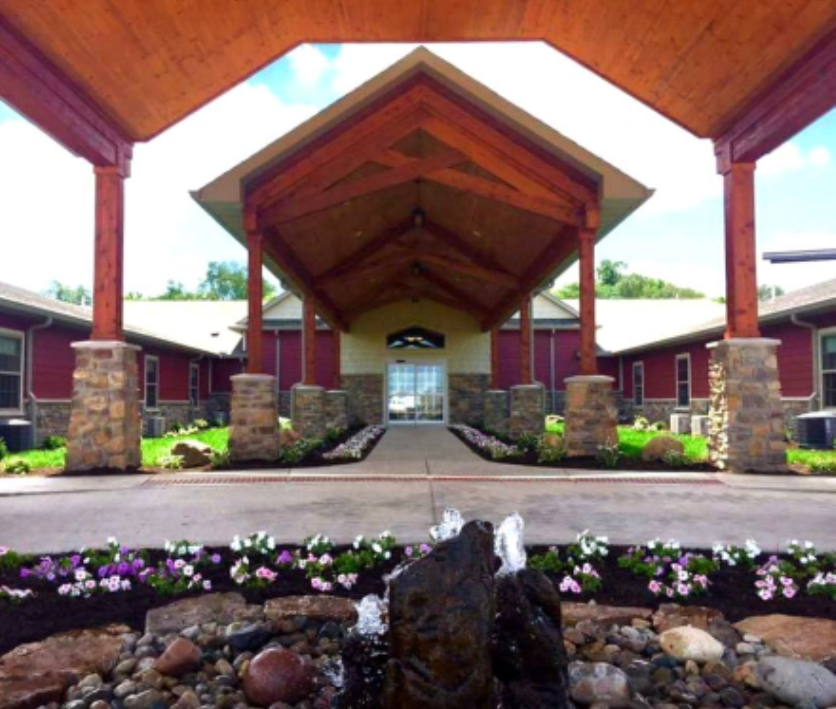
- The building is well maintained and every space is clean.
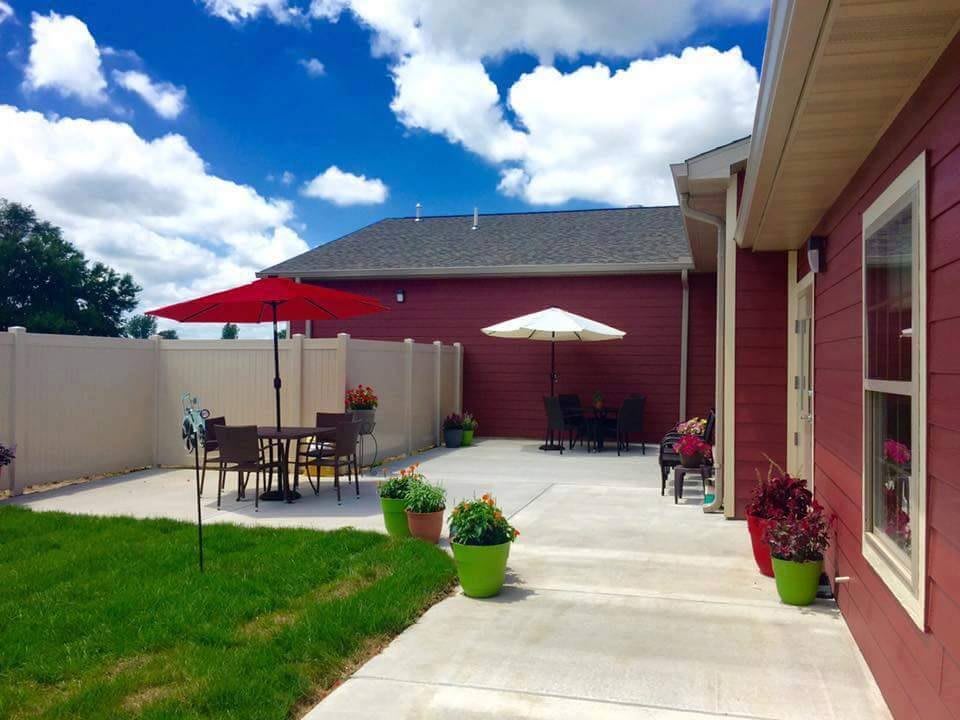
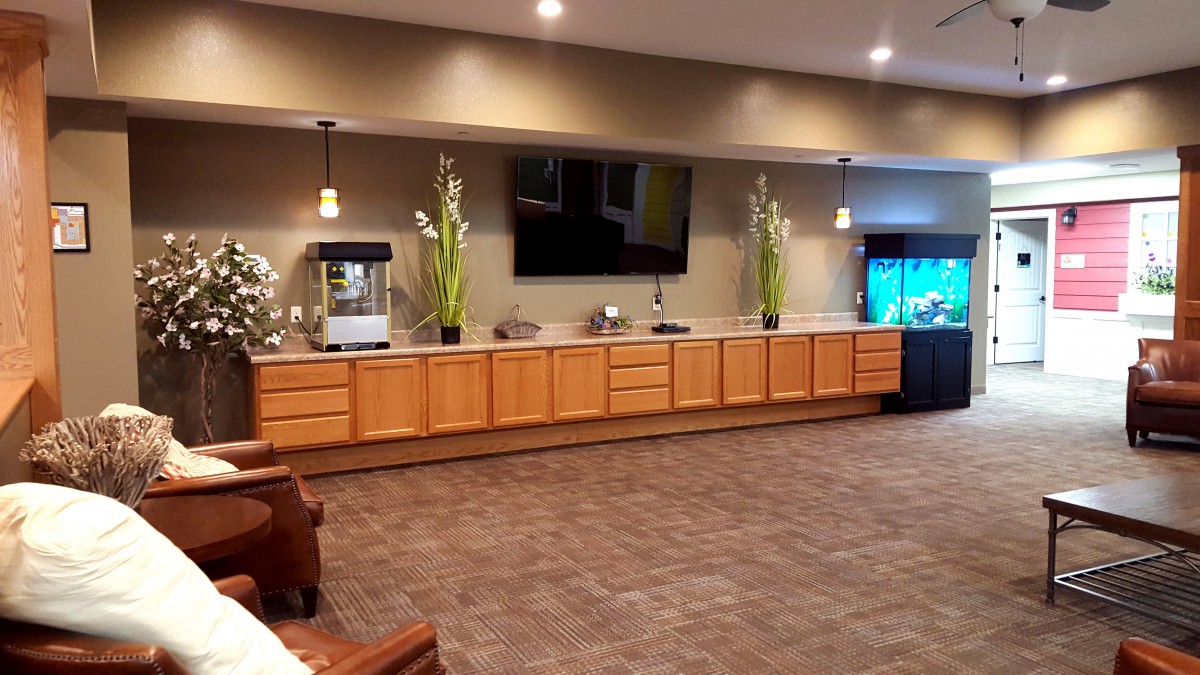
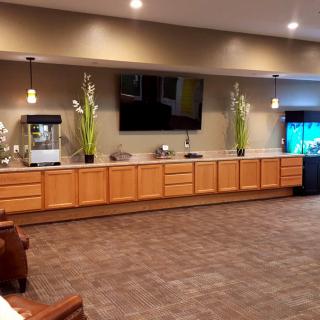
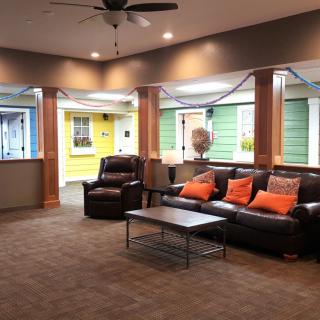
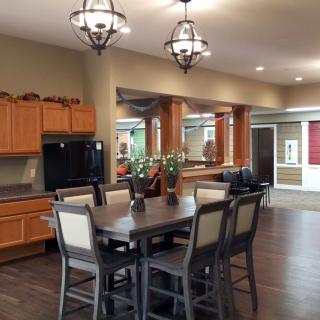
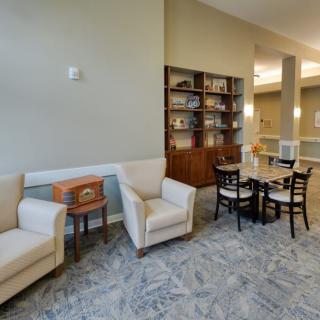
- It is a lovely community with ample space and a variety of activities for residents.
- Residents enjoy a range of activities, including painting nails, bingo, hair styling, arts and crafts, and more.
- The meals are enjoyed by residents, and the staff are engaging with them; family communication is strong.
- Families can rest easy knowing their loved ones are happy, well cared for, and have opportunities to mingle.
- The nurses are amazing and provide quality care.
Review
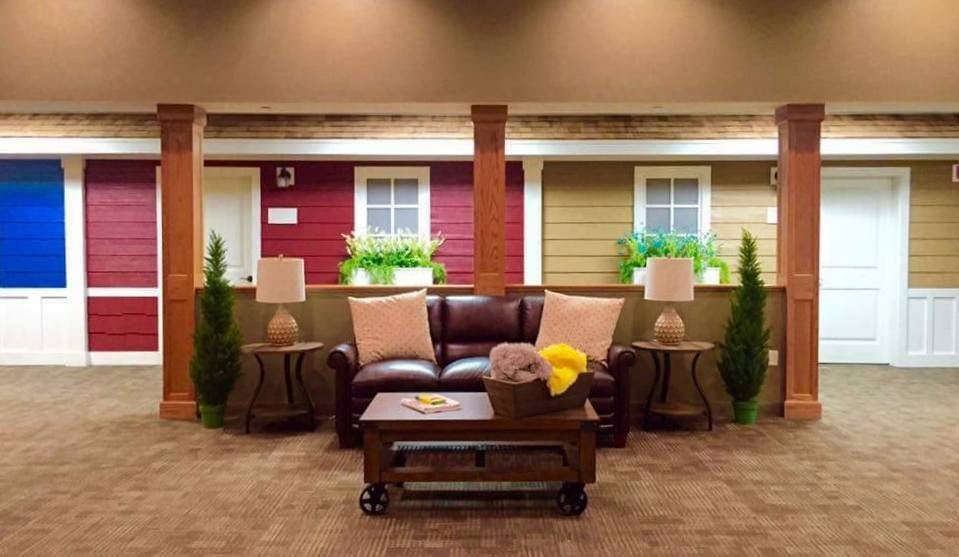
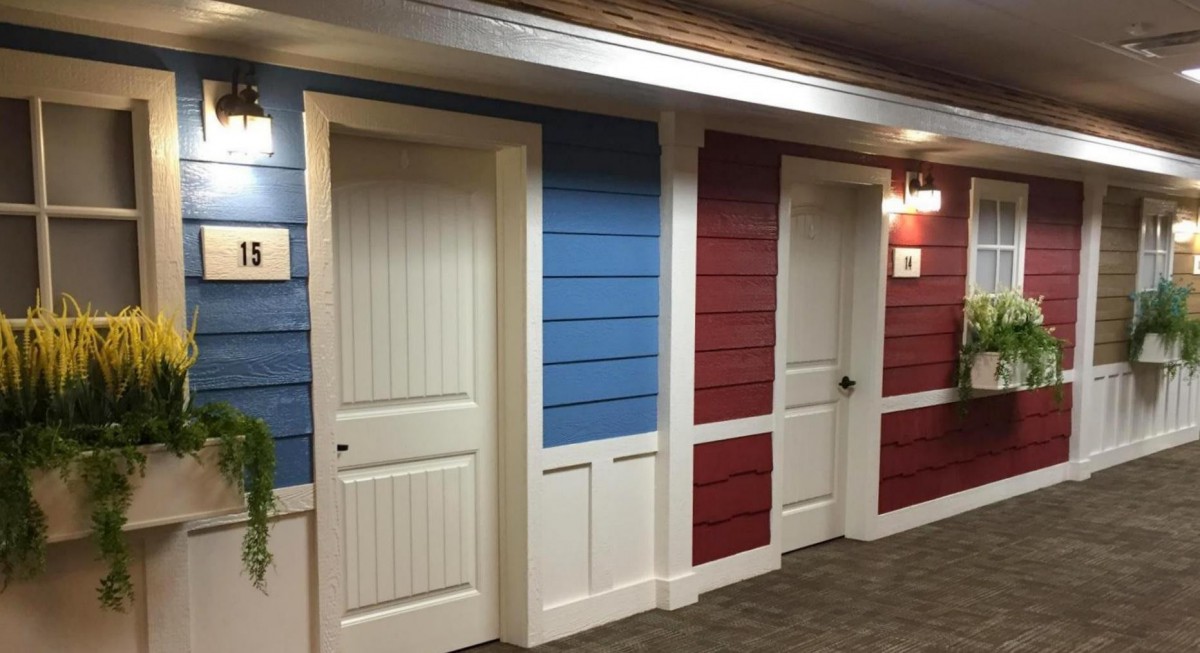
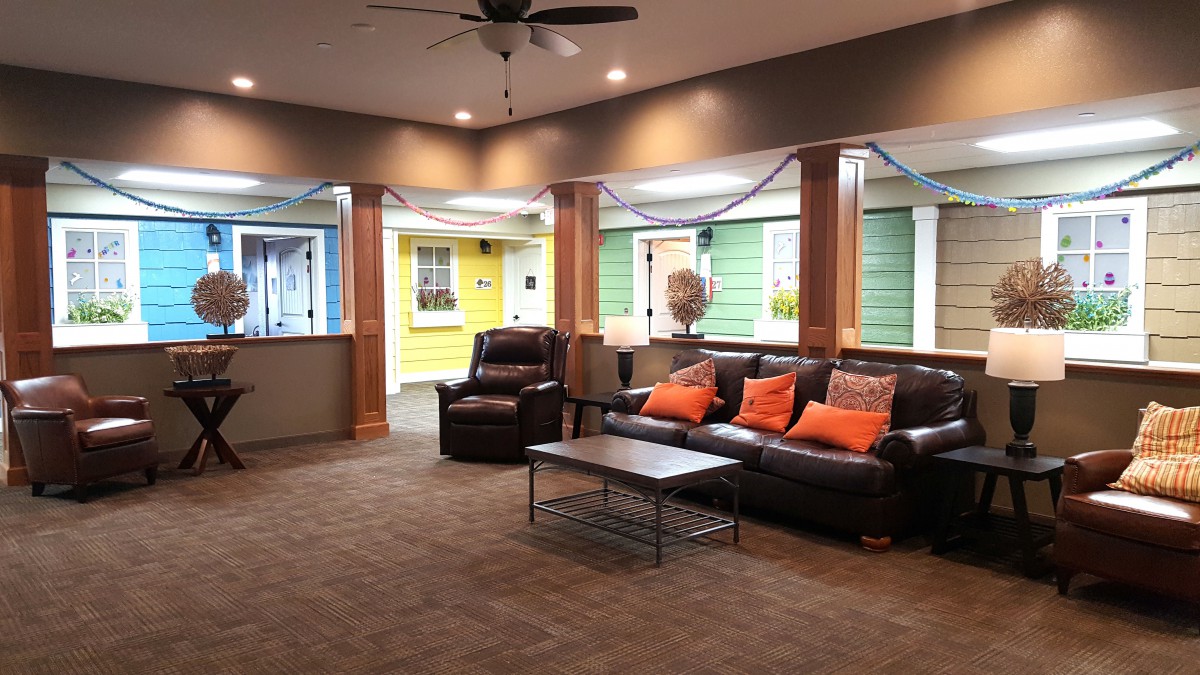
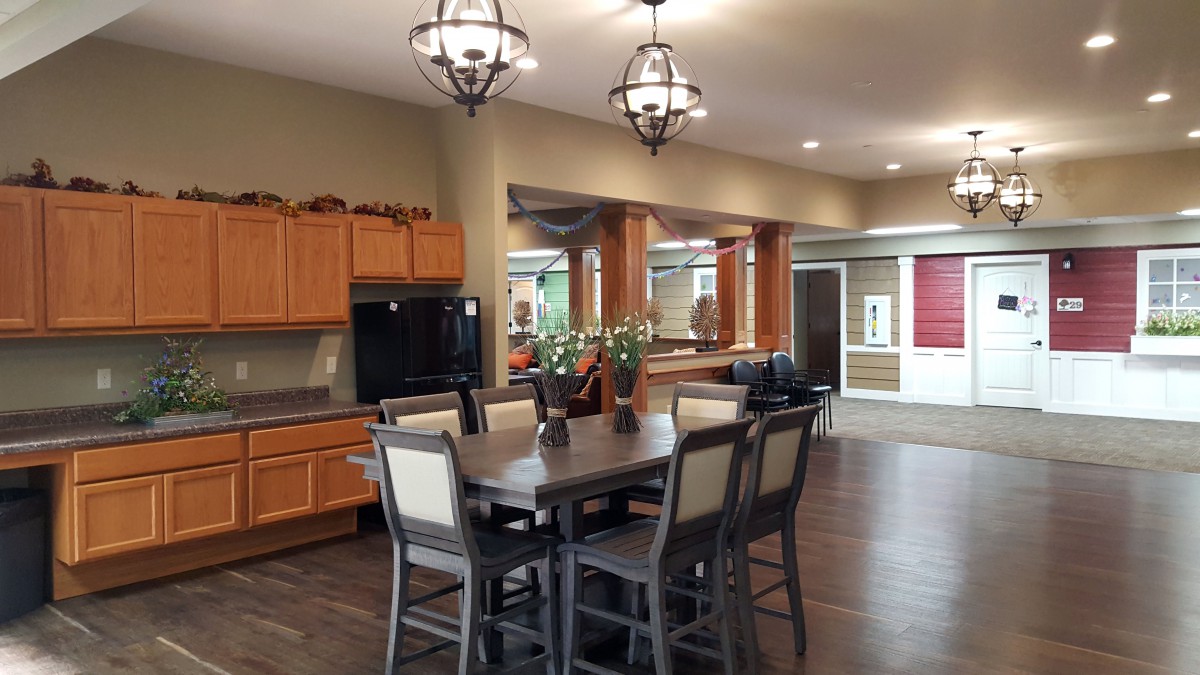
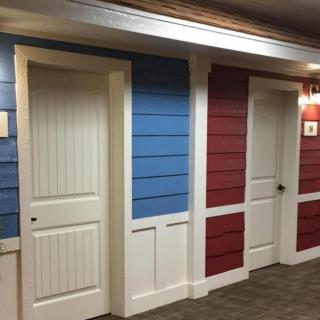
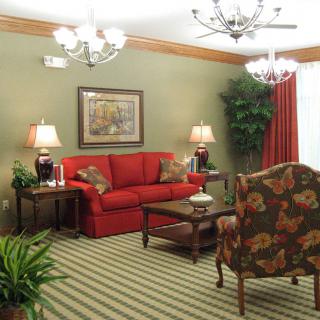
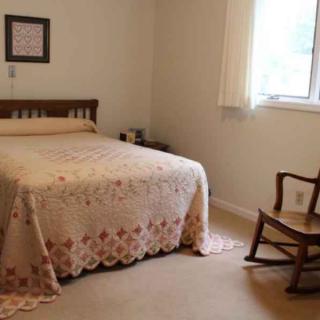
Copper Creek Cottages Memory Care of Litchfield is best suited for families seeking a warm, home-like memory care environment where residents receive individualized attention, safety, and a sense of belonging. The setting feels intimate, a true small-community vibe with the comfort of home rather than a clinical wing, yet it is maintained to high standards of cleanliness and organization. Residents have their own space but can mingle when they choose, which suits those who value privacy alongside meaningful social engagement. The staff consistently demonstrates care, responsiveness, and engagement, creating a predictable routine that reduces anxiety and confusion for people living with memory impairment. Families report clear, ongoing communication that helps them stay connected to care decisions and daily happenings. This combination, personal space, transparent communication, and a safe, clean environment, makes Copper Creek a strong fit for residents who thrive with a gentle, person-centered approach.
Nevertheless, some families may want to consider alternatives when the care plan requires more intensive medical oversight than memory care typically provides. The reviews celebrate remarkable nursing and staff engagement, but the setting functions best as memory-support rather than a full-service medical campus. For residents needing frequent physician access on-site, aggressive rehabilitation programs, or highly structured clinical routines, other options may prove more suitable. Location and pace also matter: a quieter, cottage-style environment can be ideal for one family, while another may prefer a campus with broader on-site services or closer proximity to extended family. If cost is a consideration or if a resident requires therapies beyond the cottage model, those are valid reasons to explore alternatives. In short, the fit hinges on maintaining a focus on individualized daily living support within a homelike setting.
On the positive side, the strongest draw is a consistently safe, caring, individualized environment. The building’s upkeep and cleanliness reinforce daily security and ease of use for residents facing memory challenges. The community offers tangible, engaging activities, artistic projects, bingo, nail care, and hair services, designed to provide purposeful engagement while accommodating varying energy levels. Mealtime experiences are well-regarded, with preferences catered to and meals described as satisfying, a critical factor for comfort and stability. Staff engagement with residents extends beyond routine tasks, reflecting genuine interest in each person’s well-being. Families note that communication is frequent and meaningful, turning the care plan into a living document they can access and discuss. The nursing care is repeatedly praised as high quality, underscoring that the clinical component behind the scenes is credible and dependable.
These strengths offset most typical concerns by delivering peace of mind through visible accountability. The homey design and respectful privacy allow residents to control pace and social interaction, reducing overstimulation, an important win for memory care. The combination of attentive nursing and consistent daily activities reduces anxiety and withdrawal, supporting mood stability and cognitive engagement in ways that often matter most to families. Clean spaces and well-maintained facilities minimize safety risks, while the breadth of programming ensures boredom does not become a factor. Importantly, there is a clear channel for family feedback, making it easier to adjust care plans as needs evolve. In practice, the main risk, an environment that feels impersonal or rushed, appears well mitigated by staff dedication and the option for residents to participate at their comfort level.
The lived outcomes speak to a practical bottom line: loved ones receive care they can trust, and families gain a sense of ongoing reassurance. One family notes that they have experienced relief across the board, mom is happy, well cared for, and loved; they finally feel peace after navigating multiple facilities. The sentiment is echoed by multiple accounts praising nurses and overall quality of care, reinforcing that the clinical support matches the warmth of the environment. Another recurring message is that residents enjoy personal freedoms within a structured setting, having her own space yet joining activities when desired, leading to stronger morale and better days. This convergence of happiness, health, and household familiarity translates into tangible benefits for both residents and caregivers, reducing the emotional burden that often accompanies memory care transitions.
For families evaluating Copper Creek Cottages Memory Care of Litchfield, practical steps sharpen the decision. Schedule direct time with the care team to observe interactions, particularly how staff respond to memory-impaired residents during routine tasks and during transitions. Confirm the daily rhythm: what activities are on the calendar, how meals are adapted to preferences, and how privacy is preserved while encouraging social connection. Ask about staff-to-resident ratios across shifts and how behavior and mood changes are tracked and communicated to families. Inquire about opportunities to trial the space or participate in a day-rate visit to assess fit before longer commitments. Finally, consider whether the setting aligns with the individual’s personality and the family’s expectations for ongoing, transparent communication. When these elements align, Copper Creek Cottages Memory Care of Litchfield offers a compelling, practical home for focused memory support that genuinely feels like family.
 Memory Care
 Activities on-site
 Bath tubs
 Beautician on-site
 Devotional services on-site
 Indoor common areas
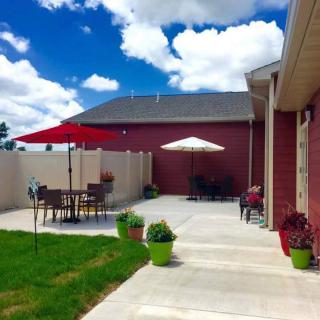
 Outdoor common areas
 Respite or short term stays offered
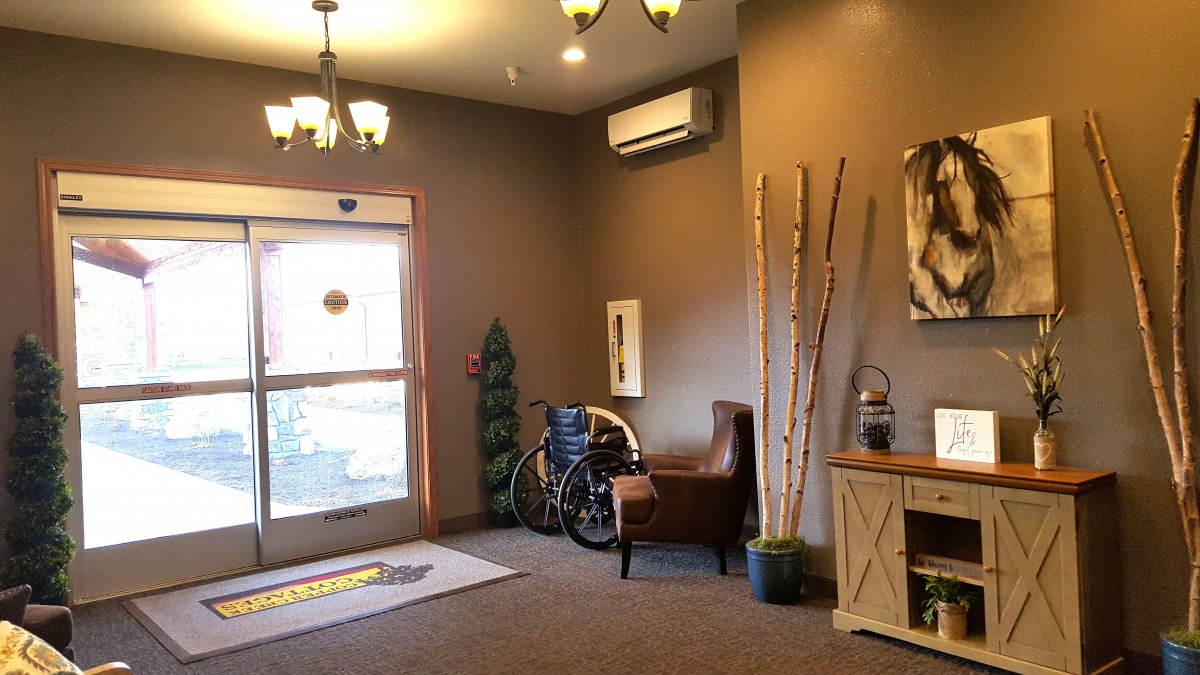
 Wheelchair accessible showers
 Ambulatory care
 Diabetic care
 Incontinence care
 Medication management
 Meals provided


 Understanding Dementia Through Its Seven Stages: A Comprehensive Look at Progression and Expectations
 A Holistic Dementia Care Guide: Effective Strategies for Memory Support
 Comprehensive Insights into Activities of Daily Living (ADLs) and Their Assessment