
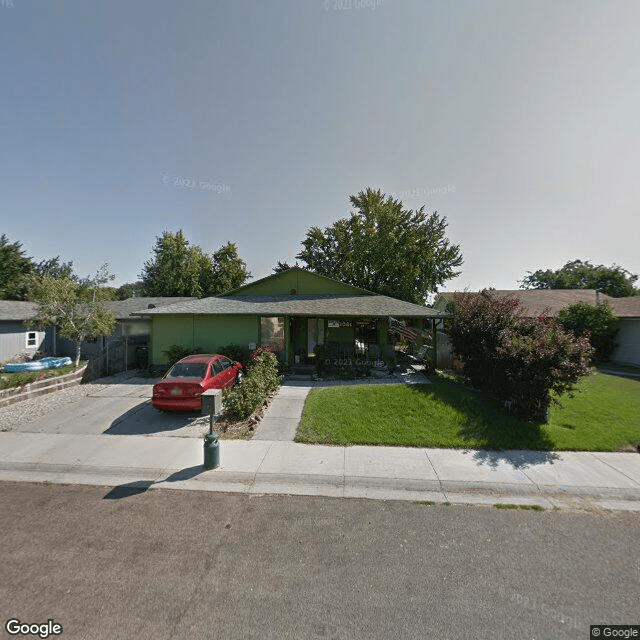
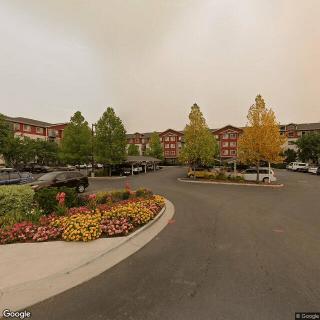
1081 Fairwood Court, Meridian, ID 83646
To contact a resident: (208) 353-2063
For more information about senior living options: (866) 208-4318
Almost Home Quality Assisted Living Costs & Pricing
Almost Home Quality Assisted Living offers competitive pricing for its services compared to regional averages in Ada County and the broader state of Idaho. For semi-private accommodations, residents can expect a monthly fee of $2,000, significantly lower than the county average of $2,996 and the state average of $3,026. Private rooms are also available at a cost of $2,400, which is more affordable than the county's average of $3,556 and the state's average of $3,906. These rates reflect Almost Home's commitment to providing high-quality assisted living while ensuring accessibility for families seeking supportive care options.
| Floor plans | Almost Home Quality Assisted Living | Ada County | Idaho |
|---|---|---|---|
| Semi-Private | $2,000 | $2,996 | $3,026 |
| Private | $2,400 | $3,556 | $3,906 |
Memory care communities with a similar price nearby
-
from +$200 / mo

Foxtail Senior Living
$2,200 to $3,200 / month2.7 miles away -
from -$300 / mo
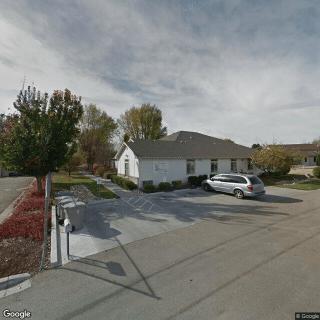
Brookstone Village Assisted Living
$1,700 to $2,850 / month9.5 miles away -
from -$300 / mo
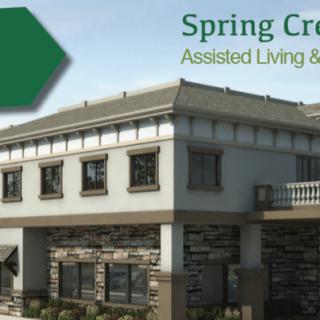
Spring Creek Eagle Island
$1,700 to $5,000 / month5.0 miles away -
About the same

Streamside Assisted Living
$2,000 to $2,150 / month9.9 miles away -
from +$339 / mo
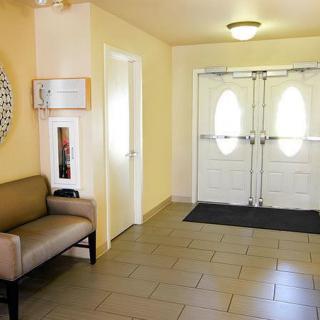
Regency Columbia Village
$2,339 to $3,599 / month14.3 miles away
Overall Review of Almost Home Quality Assisted Living
Pros
 They are in a position to help others.
- They value securing their phone to stay safe.
- They follow their doctor's orders.
Cons
 They have balance issues with their phone.
- They feel insecure about their phone's security.
- They feel overwhelmed by medical appointments and doctor’s orders (through Norco).
Review
Almost Home Quality Assisted Living in Meridian, Idaho, is best suited for families seeking a small, hands-on assisted-living option where staff are expected to provide close daily support and assist with coordinating medical care. The single positive rating signals that the setting can deliver attentive, person-centered attention, especially for residents who need help staying on top of appointments, medications, and routine communications with healthcare providers. For seniors who prefer a homelike environment over a large campus and want practical help managing the logistical side of care, this community appears positioned to deliver reliable day-to-day relief that keeps residents engaged and connected to their care plans.
Those who may want to consider alternatives include families with residents requiring high-acuity medical supervision, memory-dedicated programming, or a broader menu of on-site clinical services. The feedback available is limited to one favorable review, leaving questions about consistency, programming variety, staffing depth, and long-term outcomes unanswered. If social calendars, specialized dementia care, or regular on-site therapy are priorities, it makes sense to compare this community against other options to ensure alignment with evolving needs over time.
Key pros, as reflected by the review, center on personal attention and practical help. The five-star rating from a resident or family member suggests strong satisfaction with day-to-day care and reliability in relations with staff. That kind of endorsement matters when balancing safety, trust, and clear communication in a setting where medical coordination and daily routines are critical. The identified strength, assistance with securing phones and managing appointments, addresses common caregiver pain points and can significantly reduce the risk of missed orders or miscommunications. Yet these advantages are tempered by the main con: only a single data point exists, with limited detail about staffing depth, program quality, meal service, or how emergencies are handled. The result is a credible signal but not a robust, generalizable picture.
In practical terms for someone with balance concerns and a need for clear medical orders, the facility’s capability to support phone security and appointment flow could be a meaningful differentiator. The apparent emphasis on practical, actionable help can reduce family stress and keep residents connected to their care teams. However, the absence of specifics about fall prevention, mobility assistance, medication management protocols, or emergency-response procedures requires careful verification. Prospective residents should press for clarity on staff training related to balance issues, transfer assistance, and the availability of on-site or easily accessible rehabilitation services, along with how telehealth and remote communications are integrated into daily life.
Actionable steps to evaluate this option include a structured tour and targeted questions. Ask for a concrete daily schedule, meal plans, and activity calendars to gauge engagement and structure. Request a demonstration of the medication system: who administers meds, how changes are communicated, and how conflicts between prescriptions and doctor orders are resolved. Seek explicit information about emergency call systems, staff response times, and how fall events are managed. Gather references from current residents or families, review state inspection reports, and compare pricing structures, including any add-ons for transportation to appointments or rehabilitation services. Clarify whether transportation is offered for balance-related appointments and how frequent that service is.
Overall, Almost Home Quality Assisted Living warrants closer inspection for families prioritizing intimate, attentive caregiving and hands-on medical coordination in Meridian. The limited but positive feedback points to potential for a highly satisfying experience when the resident profile aligns with the community’s strengths. Caution is warranted for those needing broad-scale amenities, extensive memory-care programming, or heavily documented clinical outcomes, areas not evidenced by the available data. For the right resident, someone who benefits from direct, personal attention and streamlined management of medical communications, this community represents a practical, credible option worth a thorough visit and thoughtful comparison against nearby alternatives.
 Board and Care Home
 Memory Care
 Activities off-site
 Beautician on-site
 Devotional services off-site
 Indoor common areas
 Outdoor common areas
 Private
 Private bathrooms
 Respite or short term stays offered
 Wheelchair accessible showers
 Boise Air Terminal (10 miles away)
 Ambulatory care
 Diabetic care
 High acuity care
 Incontinence care
 Kosher
 Adventist services
 Buddhist services
 Islamic services


 Understanding Dementia Through Its Seven Stages: A Comprehensive Look at Progression and Expectations
 Safeguarding Your Memory Through the Golden Years: Eight Ways to Preserve Cognitive Health
 Comprehensive Insights into Activities of Daily Living (ADLs) and Their Assessment