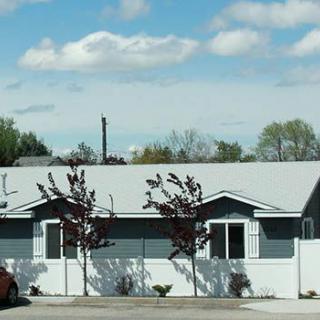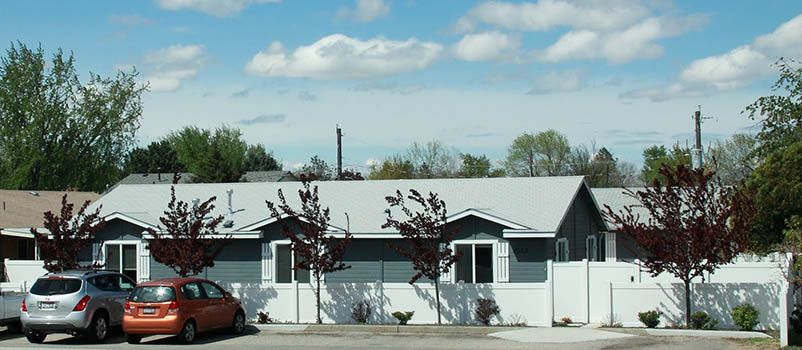
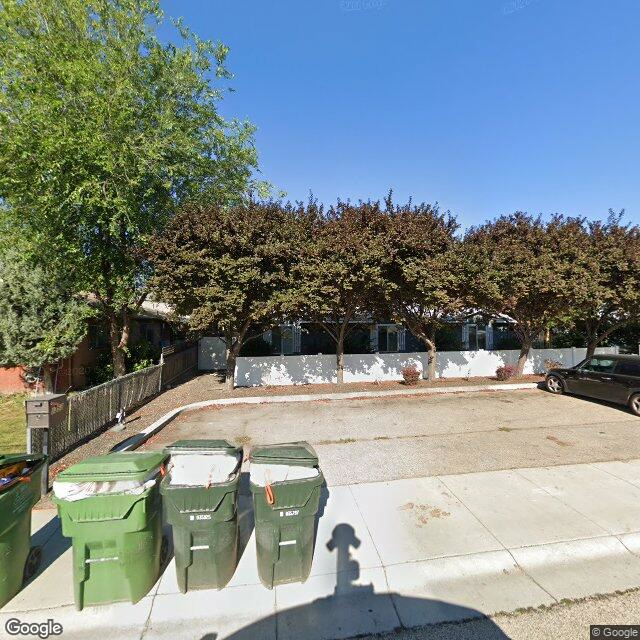
1353 W 1st Street, Meridian, ID 83642
To contact a resident: (208) 898-8957
For more information about senior living options: (866) 208-4318
Trinity at 1st Street Costs & Pricing
At Trinity at 1st Street, the cost for a private room is set at $2,500 per month, making it a competitively priced option compared to the broader market. In Ada County, the average monthly rate for similar accommodations reaches approximately $3,556, while across the state of Idaho, that figure increases further to about $3,906. This pricing not only highlights Trinity at 1st Street as an attractive choice for individuals seeking quality care without straining their budget but also underscores its commitment to providing accessible living solutions in comparison to regional norms.
| Floor plans | Trinity at 1st Street | Ada County | Idaho |
|---|---|---|---|
| Private | $2,500 | $3,556 | $3,906 |
Assisted Living communities with a similar price nearby
-
from +$100 / mo
Country Time Assisted Living
$2,600 to $8,000 / month7.0 miles away -
from +$300 / mo

Grace Assisted Living at Fairview Lakes
$2,800 to $3,800 / month0.7 miles away -
from -$100 / mo
The Gables Assisted Living & Memory Care of Caldwell
$2,400 to $3,300 / month14.7 miles away -
from +$253 / mo

Garden Plaza of Valley View
$2,753 to $4,358 / month6.5 miles away -
from -$300 / mo

Foxtail Senior Living
$2,200 to $3,200 / month3.3 miles away
Overall Review of Trinity at 1st Street
Pros
 The staff are incredibly friendly and the clients are sweet.
- The owner and staff are absolutely amazing with the residents and families.
- They do everything in their power to ensure the best quality of life for each resident.
- Trinity Assisted Living feels like home, with ample space and a warm, social environment.
- The staff are professional, friendly, and long-time, providing trusted care.
- Residents receive comprehensive, timely care, including help with dressing, bathing, meals, medications, and more.
- The surroundings are welcoming, featuring hardwood floors, mature trees, a secure gate, a flagstone patio, and an open-door policy.
Cons
 He hadn't done well in the regular assisted living facilities around town.
Review
Trinity at 1st Street is best suited for families seeking a small, home-like assisted living experience in Meridian, where residents live in intimate house-style settings and receive highly attentive, rapidly responsive care. This community shines for seniors who value real social interaction, a calm and personal atmosphere, and a caregiver team that treats residents like family. The scale, fewer than 16 residents per house, makes it feasible to maneuver wheelchairs, maintain independence where possible, and foster genuine connections with both staff and other residents. For families prioritizing warmth, transparency, and a visible commitment to quality of life, Trinity is a compelling match.
Those who may want to consider alternatives are families pursuing more formal, campus-like environments with abundant amenities or residents needing higher-acuity medical oversight. If memory-care specialization, constant skilled nursing, or a wide calendar of structured, campus-wide programs is essential, a larger facility with dedicated memory units or a traditional nursing home setting could be a better fit. Similarly, for residents who crave a more bustling, activity-dense environment or many on-site clinical resources, Trinity’s smaller, home-centered model may feel too quiet or limited. In short, Trinity excels on intimacy and personal touch, but this comes with trade-offs if clinical complexity or expansive programming is a priority.
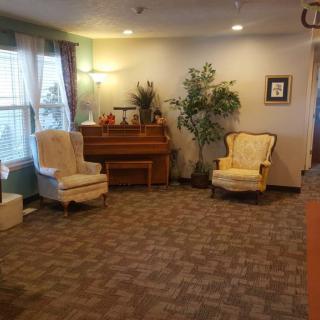
The most notable pros are grounded in people and place. Staff and owners approach care with genuine commitment, and that translates into fast, considerate assistance across daily living tasks, from dressing and bathing to medications and housekeeping. Residents benefit from a comfortable, walkable footprint, open hallways, a functional common area, and a kitchen where residents socialize rather than retreat to private rooms. The social fabric matters: a real sense of community develops when residents mingle in a safe, enclosed setting, with mature trees, a quiet patio, and a thoughtfully designed environment that supports autonomy while preserving safety. The combination of professional, long-tenured staff and a family-oriented culture consistently elevates quality of life.
However, size inherently brings limits. The smaller footprint means fewer distinct activity tracks, fewer on-site amenities, and less redundancy in staffing and services than larger communities. While the house setting fosters quick responsiveness and personalized attention, it may also translate to a narrower array of programming and fewer visible options for residents who want a highly structured schedule or specialized activities. Potential variability in programming and resource availability can arise if staff turnover occurs or if resident needs shift toward higher levels of care, making it wise to verify what support is available around the clock and how transitions within care levels are managed.
That said, the pros largely offset the cons for families most concerned with daily happiness, dignity, and consistent communication. The intimate environment supports meaningful relationships, between residents, with staff, and with the family circle. The open-door policy and transparent approach to care foster trust and reduce the anxiety that often accompanies transitions to assisted living. Timely help with essential routines, combined with meals and snacks that sustain energy and morale, creates a practical, life-affirming daily rhythm. For many seniors, the bottom line is simple: a welcoming home where staff know names, preferences, and medical nuances beats a impersonal, larger facility any day.
In practical terms, decision-makers should book a tour with the resident’s specific needs in mind and prepare to assess fit against a few core criteria. Observe staff interactions with residents and ask about response times for urgent needs, how dressing, bathing, or toileting support is coordinated, and what the nightly routine looks like. Probe the level of medical oversight available on-site, the size and scope of activity opportunities, and how the home handles changes in acuity or care requirements. If a resident thrives on a close-knit community, enjoys social meals, and benefits from a calm, secure setting, Trinity’s frame of care will likely feel like a natural, supportive home.
Ultimately, Trinity at 1st Street stands out for families who want a warm, manageable, and truly resident-centered atmosphere in Meridian. It delivers strong staff engagement, a homey layout, and deliberate focus on quality of life that can translate into meaningful daily happiness and steady well-being. For those whose loved one needs more clinical depth, memory-care specialization, or a broader range of on-site programs, exploring larger, more structured alternatives is prudent. A guided tour, conversations with current families, and a clear view of how care levels are managed will confirm whether this small house-model setting is the right home, or if another option better aligns with the resident’s evolving needs.
 22 resident community capacity
 Assisted Living
 Board and Care Home
 Cats allowed
 Dogs allowed
 Activities on-site
 Beauty salon
 Cable or satellite TV
 Dining room
 Fully furnished
 Garden
 Housekeeping services
 Indoor common areas
 Kitchenette
 Move-in coordination
 Outdoor common areas
 Private
 Telephone
 Wi-Fi/high-speed internet available
 Boise Air Terminal (9 miles away)
 24-hour call system
 Ambulatory care
 Assistance with bathing
 Assistance with dressing
 Assistance with transfers
 Diabetes diet
 Diabetic care
 Meal preparation and service
 Medication management
 Mental wellness program
 Special dietary restrictions
 Transportation arrangement (medical)
 Transportation to doctors appointments




 Understanding the Distinctions: Assisted Living and Memory Care Explained
 Guiding Elderly Parents Who Refuse Assisted Living: 6 Practical Steps
 Your Comprehensive Guide to Luxury Assisted Living: Elevated Facilities, Amenities, and Costs