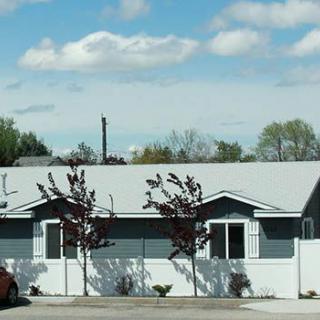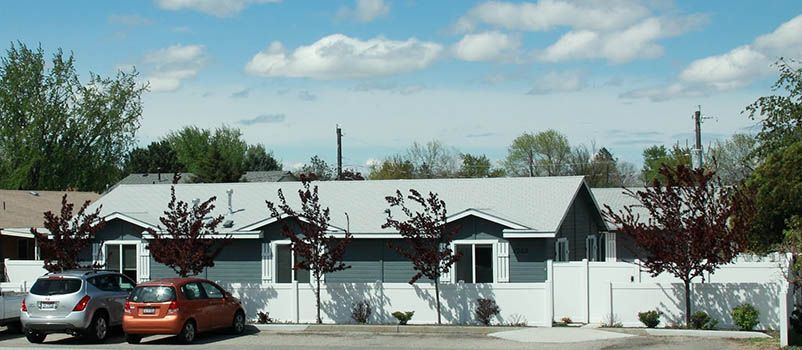
12423 Lewis & Clark, Boise, ID 83713
To contact a resident: (208) 658-1642
For more information about senior living options: (866) 208-4318
Trinity at Lewis and Clark Costs & Pricing
Trinity at Lewis and Clark offers competitive pricing for its private rooms, set at $2,800 per month, which is notably lower than the averages in both Ada County and the wider state of Idaho. In comparison, the average cost for similar accommodations in Ada County stands at $3,556, while the state average climbs even higher to $3,906. This makes Trinity a financially attractive option for individuals seeking quality care without the hefty price tag often associated with similar facilities in the region.
| Floor plans | Trinity at Lewis and Clark | Ada County | Idaho |
|---|---|---|---|
| Private | $2,800 | $3,556 | $3,906 |
Memory care communities with a similar price nearby
-
from -$400 / mo
The Gables Assisted Living & Memory Care of Caldwell
$2,400 to $3,300 / month17.5 miles away -
About the same

Garden Plaza of Valley View
$2,753 to $4,358 / month3.8 miles away -
from +$200 / mo

Ashley Manor - Orchard
$3,000 to $3,500 / month5.9 miles away -
from +$200 / mo
Ashley Manor - Hyde Park
$3,000 to $3,500 / month6.7 miles away -
from +$130 / mo

Overland Court Senior Living
$2,930 to $3,530 / month3.2 miles away
Overall Review of Trinity at Lewis and Clark
Pros
 Everyone there is very friendly.
- The clients are sweet and the staff are amazing.
- Amazing company!
- Amazing staff!
- Your loved ones will be treated like family.
Cons
 They would not trust their family member at this location.
Review
Trinity at Lewis and Clark in Boise is best suited for families seeking a warm, home-like atmosphere where staff engagement and a family-oriented culture are the core strengths. This community shines for seniors who value daily, meaningful interactions with caregivers, and the sense that staff know residents personally rather than treating them as anonymous cases. The setting supports social connectedness, predictable routines, and a feeling of belonging, making it a particularly good fit for individuals who do not require high-acuity medical supervision or specialized memory care. In short, Trinity is a practical home-like option for those prioritizing relational care and a close-knit community over clinical formality.
Those weighing alternatives should consider whether higher levels of medical oversight or structured memory-support services are non-negotiable. For residents with complex medical needs, frequent skilled-nursing requirements, or the need for secure memory-care programming, Trinity may fall short of expectations. Families concerned with formal governance, standardized quality metrics, or more regimented supervision might prefer larger operators or campuses with clearly delineated clinical pathways. The Boise market offers options that emphasize rigorous care plans and measurable outcomes, which may be essential for certain residents and families.
The strongest selling points revolve around the staff and the social environment. Reviews consistently describe a staff of amazing, friendly caregivers and a client pool described as sweet and sociable. The sense of family is repeatedly highlighted, with local ownership cited as contributing to a responsive, community-centered approach. Residents often appear engaged, and staff presence is noticeable in daily activities and interactions, which can translate into meaningful companionship and a steadier sense of purpose for residents who thrive on routine and personal attention. That culture of warmth is the most tangible, durable advantage Trinity offers.
Yet a single critical voice cannot be ignored. One review warns not to trust a family member there, signaling potential concerns about safety, oversight, or decision-making that merit serious attention. While this outlier is not the prevailing sentiment given the overall rating and multiple positive comments, it raises a legitimate red flag for families evaluating risk tolerance. The description points to possible gaps in consistency or accountability that could affect a resident’s well-being if not addressed. Given the small sample of reviews, this warning should be weighed against the consistent praise for kindness and engagement, but it cannot be dismissed outright.
Taken together, the pros, genuine warmth, resident friendliness, and a strong, local-own culture, offset many of the concerns for families prioritizing a home-like atmosphere and active social life. The potential cons most impact those needing robust medical management or ironclad safety oversight. For that reason, Trinity is a compelling option for seniors who prize relational care and a sense of family, provided a careful pre-move assessment aligns health needs with the facility’s capabilities. Families should verify care capabilities, ask pointed questions about safety practices, and request references or the opportunity for a trial period to confirm the environment meets expectations.
The practical next steps are clear. Schedule a visit to observe interactions between staff and residents, speak with frontline caregivers, and request a transparent overview of care plans, staffing ratios, and emergency procedures. Inspect the facility’s activity calendars and meal programs to gauge daily life rhythm. Ask for copies of any recent state inspections and look for patterns in responses to concerns raised by families. If trust and oversight are non-negotiable, treat the outlier review with caution and seek additional testimonials. In a Boise market that prizes warmth and community, Trinity earns serious consideration for families who value a nurturing, family-like setting, and it remains essential to confirm that its capabilities align with the resident’s medical and safety needs before moving forward.
 22 resident community capacity
 Assisted Living
 Board and Care Home
 Memory Care
 Cats allowed
 Dogs allowed
 Beauty salon
 Cable or satellite TV
 Dining room
 Fully furnished
 Garden
 Housekeeping services
 Kitchenette
 Move-in coordination
 Outdoor space
 Private
 Telephone
 Wi-Fi/high-speed internet available
 Boise Air Terminal (8 miles away)
 24-hour call system
 Activities of daily living assistance
 Ambulatory care
 Assistance with bathing
 Assistance with dressing
 Assistance with transfers
 Diabetes diet
 Diabetic care
 Meal preparation and service
 Medication management
 Mental wellness program
 Special dietary restrictions
 Transportation arrangement (medical)
 Transportation to doctors appointments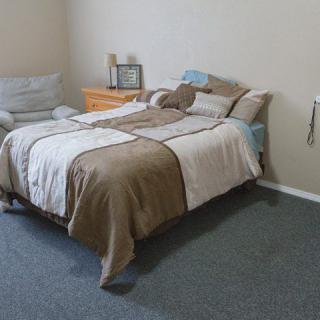


 Assisted Living and Memory Care: Understanding Their Core Differences
 Choosing the Right Senior Care: A Detailed Exploration of Assisted Living and Nursing Homes
 Safeguarding Your Memory Through the Golden Years: Eight Ways to Preserve Cognitive Health