
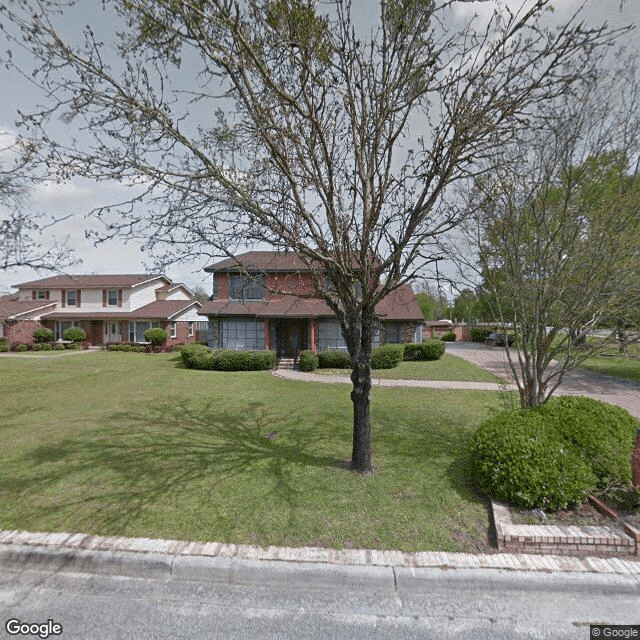
1402 Addie B. Byers Dr, Savannah, GA 31405
To contact a resident: (912) 349-7784
For more information about senior living options: (866) 208-4318
Loving Care Costs & Pricing
Loving Care offers competitive monthly rates for its residents, with semi-private rooms priced at $2,500 and private rooms at $2,800. When compared to average costs in Chatham County, which are $2,830 for semi-private and $3,077 for private accommodations, Loving Care presents a more affordable option. Additionally, the state averages in Georgia stand at $2,529 for semi-private and $2,864 for private rooms. This positioning highlights Loving Care's commitment to providing quality care without compromising on affordability, making it an attractive choice for families seeking supportive living arrangements.
| Floor plans | Loving Care | Chatham County | Georgia |
|---|---|---|---|
| Semi-Private | $2,500 | $2,830 | $2,529 |
| Private | $2,800 | $3,077 | $2,864 |
Memory care communities with a similar price nearby
-
from -$300 / mo

Bloom at Belfair II
$2,200 to $4,500 / month21.0 miles away -
from -$400 / mo

Oaks at Savannah
$2,100 to $3,400 / month6.0 miles away -
from -$105 / mo

Oaks at Habersham
$2,395 to $4,300 / month2.5 miles away
Overall Review of Loving Care
Pros
 Mrs. Jonika is very professional and empathetic to her patients.
- She will take care of the patients herself if any issue arises.
- She truly cares about her company, staff, and the people she has to take care of.
- In Loving Home Care provides speedy response and great customer service.
- In Loving Home Care is highly recommended for any care needs.
- They are very caring and attentive to their clients’ needs.
- Ms. Jonika and staff genuinely care about the well-being of their clients.
- They provide capable and loving hands for family members.
- In Loving Home Care has been a true blessing in times of need.
- The owner is absolutely amazing and extremely understanding.
- In Loving Home Care provides absolutely excellent care.
- They treat patients like family and go above and beyond.
Review
Loving Care in Savannah is best suited for families seeking deeply attentive, in-home care delivered with hands-on leadership and a strong sense of personal accountability. The model shines when a loved one remains at home or in a familiar residence and the priority is daily companionship, medication reminders, basic daily living assistance, and consistent, compassionate oversight. What stands out is the owner’s direct involvement, often stepping in personally when issues arise, which translates into clear ownership of the care plan and rapid problem-solving. The team’s genuine care for clients, combined with a culture that treats care as a calling rather than a transaction, makes this option feel more like a trusted family ally than a distant agency. A demonstrated community footprint, from a co-brand partnership with CVS Pharmacy to a health-oriented kiosk program, adds a reassuring layer of resources beyond in-home visits.
But this is not the right fit for every situation. Families seeking a traditional assisted-living environment or round-the-clock, facility-based supervision should consider alternatives. If the goal is a structured setting with on-site meals, social programming, and 24/7 medically supervised care, a residential facility or skilled nursing option will likely be more appropriate. In Loving Care operates primarily as a home-health model, which means the strongest value comes from in-home visits and personalized attention rather than a campus with built-in housing and extensive on-site staff coverage at all hours. For loved ones whose needs extend beyond regular visits, such as continuous monitoring, complex medical management, or memory-care specialized programming, other arrangements may deliver a more comprehensive solution.
The core strengths, staff attentiveness, speed of response, and heartfelt, family-like care, tend to offset the absence of an institutional atmosphere. Reviews repeatedly describe a hands-on owner who treats patients as if they were her own family, ensuring that concerns are addressed promptly and care plans are carried out with meticulous attention. The team’s warmth and reliability create strong peace of mind for families, especially when a caregiver change feels daunting. When problems arise, the willingness to go “above and beyond” is a consistent theme, and such dedication helps minimize the disruption that often accompanies transitions in care. That level of commitment can translate to steadier daily routines, better mood and comfort for loved ones, and fewer moments of anxiety for family members.
Another meaningful asset is the operational culture that emphasizes partnership and accessibility. The owner and staff project a hospitality-forward approach, coupling professional care with genuine compassion. The CVS partnership and public-health-minded kiosk program signal a broader ecosystem of support, resources that can enhance safety, accessibility, and practical wellness for clients. Families considering this option should still confirm what exact services are included in visits, how care plans are updated, and how communication is managed during weekends or holidays. The clear takeaway is that the scale of personal attention, coupled with proactive community connections, can make home-based care feel comprehensive and reassuring even without a brick-and-mortar campus.
Prospective buyers should verify practical confines and expectations before committing. Key questions include: what is the cadence of visits, who is the primary caregiver, and how flexible is scheduling when emergencies occur? What licensed clinical oversight exists, and who makes medical decisions if a situation escalates? It’s essential to understand the caregiver-matching process, back-up coverage, and how respite or live-in support would work if a loved one’s needs intensify. Given the emphasis on personal touch, ensure that care plans are documented, updated regularly, and shared in a timely manner with family members and any medical providers.
For those prioritizing home-centered, compassionate care with responsive leadership, Loving Care stands out as a top contender in Savannah. The strongest advice is to align expectations with the in-home model: expect extraordinary attentiveness, a high-touch approach, and strong relational trust, tempered by the fact that this setting may not provide the constant supervision or campus-based services of an assisted-living community. Families weighing options should arrange an in-person assessment, request caregiver matching specifics, confirm licensure and scope of services, and request a trial period to see how well the care rhythm fits with the loved one’s daily needs. If the aim is a traditional facility with 24/7 on-site care, pursue alternatives; if the aim is trusted, heartfelt in-home care guided by an engaged owner and a caring team, Loving Care deserves serious consideration.
 Board and Care Home
 Memory Care
 Private
 Savannah International (7 miles away)

 Exploring the Contrasts Between Assisted Living and Skilled Nursing
 Vibrant Senior Living: A Comprehensive Guide for Active Older Adults
 Assisted Living and Memory Care: Understanding Their Core Differences