
2502 2Nd Avenue, Savannah, GA 31405
For more information about senior living options: (866) 208-4318
Overall Review of Gordon's Personal Care Home
Cons
 The place is the worst.
- They wouldn’t leave their dog there.
- There is nothing good about this place or its people.
- Roaches, bugs, and frogs are present.
- The floors are unsteady.
- There is no transportation.
- They ignore patients.
Review
This community is best avoided for nearly every senior who needs reliable supervision, clean surroundings, and respectful, responsive care. There is effectively no resident profile for which Gordon’s Personal Care Home would be recommended. Only families with no other licensed options and a willingness to tolerate substantial lapses in safety, cleanliness, and basic patient attention would even contemplate it as a last resort.
The documented concerns in the available account paint a stark picture. Pest and pest-like problems, roaches, bugs, and even frogs, point to ongoing sanitation failures and maintenance neglect. Floors described as unsteady signal a material safety risk for residents who rely on firm footing and stable walking surfaces. The absence of transportation suggests a barrier to external appointments, activities, or even routine errands, further isolating residents from needed services. Most troubling is the claim that patients are ignored, a core failure of caregiving that undermines trust and safety in any setting.
From a practical standpoint, there are no clearly stated benefits here that can offset these severe drawbacks. If a family were to weigh cost against risk, the potential savings, if any, do not compensate for the constant exposure to pests, unstable infrastructure, and unaddressed resident needs. In short, even a lower price tag cannot justify compromising daily safety, dignity, and the basic right to attentive care. The lack of transportation compounds the problem, effectively cutting residents off from medical appointments, family visits, and social engagement that are vital to well-being.
Families who must consider alternatives should prioritize facilities with demonstrable safety records, clean environments, and proactive staff. Look for communities with certified staff-to-resident ratios, regular housekeeping and pest control protocols, maintenance schedules, and clear procedures for responding to resident needs. A facility that cannot provide reliable transportation or accessible means for medical and social outings should be viewed with heightened scrutiny. When touring, request recent inspection reports, tour current residents and their families, and probe how staff respond to calls for assistance, emergencies, or routine care tasks.
To evaluate options effectively, develop a checklist tailored to priorities: clean state of the building and rooms, pest management history, maintenance responsiveness, visible staff engagement, and safety equipment in common areas. Verify licensed status, read recent citation records, and measure how quickly staff respond to requests for help. Ask about care plans, medication management, mobility assistance, and the availability of meaningful daily activities. If a facility cannot provide transparent answers or fails to meet basic safety and cleanliness benchmarks, move on to stronger contenders.
In the end, Gordon’s Personal Care Home does not meet the essential standards most families require for peace of mind. The most prudent decision is to pursue alternatives with established safety, cleanliness, and attentive care, facilities that can demonstrate consistent staffing, proactive maintenance, and a responsive approach to resident needs. A thorough, comparative search is worth the time to avoid exposing a loved one to conditions that compromise safety, dignity, and daily quality of life.
 6 resident community capacity
 Assisted Living
 Board and Care Home
 Cable or satellite TV
 Dining room
 Fully furnished
 Garden
 Housekeeping services
 Move-in coordination
 Outdoor space
 Telephone
 Wi-Fi/high-speed internet available
 Savannah International (6 miles away)
 24-hour supervision
 Activities of daily living assistance
 Assistance with bathing
 Assistance with dressing
 Assistance with transfers
 Diabetes diet
 Meal preparation and service
 Medication management
 Special dietary restrictions
 Transportation arrangement (medical)
 Transportation to doctors appointments
 Home-like setting with comprehensive daily living support, 24/7 supervision, and transportation to medical appointments.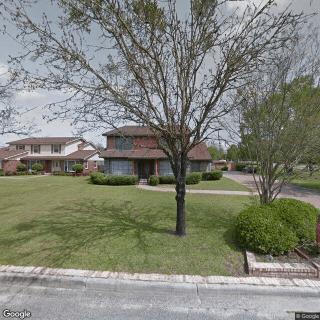


 Social Security Benefits and Assisted Living: Navigating Options Across the U.S.
 An Extensive Exploration of the VA Aid and Attendance Benefit
 Senior Transition Services: Understanding Their Role, Cost, and Importance