
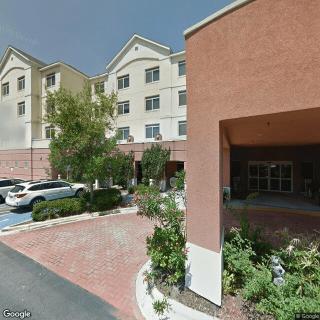
2025 Tuskegee Street, Savannah, GA 31405
For more information about senior living options: (866) 208-4318
Overall Review of Committed Hands Of Care II
Pros
 Zeppone Caring Hands is described as professional, caring, and thoughtful, with staff who go above and beyond.
 - The caregivers are loving, attentive, and treat patients like family.
- The business and owner are phenomenal, with integrity and dedication to resolving issues.
- Zeppone Caring Hands is regarded as the best home health agency in town, consistently there for clients.
- The staff are easy to work with, communicate well, and ensure clients are comfortable in any situation.
- The team is accessible and responsive, helping to troubleshoot and service clients in their homes.
- The company provides both professional and personal care, prioritizing the needs and dignity of loved ones.
- They offer invaluable emotional support and practical guidance during transitions to home care.
Review
Committed Hands Of Care II in Savannah is best suited for families that want an exceptionally hands-on, compassionate in-home care experience. This community model shines when a loved one prefers to stay at home but still requires reliable, high-touch support from vetted caregivers. It is especially strong for transitions from hospital to home, ongoing personal care, and end-of-life planning, where continuity, emotional support, and a family-like approach matter as much as the medical tasks themselves. For families prioritizing dignity, respect, and a personalized care plan that travels with the person from room to room, this option is a compelling fit.
Those who should consider alternatives are families seeking a traditional campus or facility setting. If the decision is driven by a need for constant on-site nursing supervision, structured daily programming, or specialized memory-care environments with built-in social activities and transportation, a licensed assisted living or skilled nursing facility may serve better. In addition, budget limitations can also pivot families toward more cost-conscious models, or toward facilities that bundle housing, meals, and care in a single monthly rate. In short, for environments that feel more like a campus than a private home, a facility-based option could be more suitable.
The strongest advantages of this in-home care model flow from the quality of the caregivers, the management, and the consistent, attentive approach to each client’s needs. Caregivers are repeatedly described as loving, attentive, and genuinely engaged, treating clients like family rather than as a task to be completed. This relational strength is not incidental; it translates into reliable daily routines, respectful handling of personal care, and measurable peace of mind for families worried about dignity and comfort. The management team comes across as thoughtful and principled, with a clear commitment to integrity and to resolving issues promptly so families feel supported rather than stranded.
Communication is another standout benefit. Families consistently report that staff are easy to reach, that concerns are acknowledged quickly, and that the care plan remains transparent and easy to follow. This level of responsiveness matters especially when a loved one’s condition shifts or when a hospital-to-home transition requires rapid adjustments. The ability to troubleshoot and coordinate care across hospital, home, and temporary settings reduces the emotional and logistical burden on family members who live far away or who juggle work and caregiving. The net effect is a collaborator you can trust to keep the patient’s needs front and center, with the family kept in the loop.
A notable strength is the support provided during end-of-life or near-terminal phases, where sensitivity and dignity become paramount. The caregiver team is praised for balancing professionalism with personal kindness, ensuring comfort, and maintaining a humane focus even as medical tasks evolve. When conversations about wishes, comfort measures, or spiritual needs arise, leadership and staff are described as thoughtful partners who help families navigate conversations and decisions. Even after a loved one passes, the same compassionate culture continues to support surviving family members, underscoring a depth of service that goes beyond routine caretaking.
In practical terms, the reviews suggest a model that reduces caregiver burden for families through seamless coordination, dependable coverage, and a proven ability to adapt to changing needs. The emphasis on matching the right caregivers to the right clients minimizes disruption and promotes trust. The leadership’s emphasis on cost awareness and service optimization also translates into clearer budgeting for families who fear that high-quality, compassionate care must come at an extravagant price. The combination of emotional support, practical reliability, and superior caregiver performance creates a compelling value proposition for those who want to keep their loved one at home without sacrificing dignity or safety.
The bottom line for families evaluating Committed Hands Of Care II is straightforward: this is a genuinely strong choice for those who value a deeply personalized, in-home care experience backed by compassionate professionals and a capable leadership team. It excels at maintaining continuity, managing emergencies, and supporting families through difficult transitions with warmth and competence. However, for families who require a campus environment with built-in social programming, on-site medical supervision around the clock, or specialized memory-care architecture, alternatives should be considered. To decide with confidence, ask pointed questions about caregiver matching, scheduling flexibility, 24/7 accessibility, care-planning processes, and total cost of care. Verify licensing and references, and request concrete care plans that spell out how emergencies, hospital discharges, and end-of-life scenarios are managed. In the right match, this model delivers a level of personal attention and trust that can make a difficult decision dramatically easier.
 3 resident community capacity
 Assisted Living
 Board and Care Home
 Cable or satellite TV
 Dining room
 Fully furnished
 Garden
 Housekeeping services
 Move-in coordination
 Outdoor space
 Telephone
 Wi-Fi/high-speed internet available
 Savannah International (6 miles away)
 24-hour supervision
 Activities of daily living assistance
 Assistance with bathing
 Assistance with dressing
 Assistance with transfers
 Diabetes diet
 Meal preparation and service
 Medication management
 Special dietary restrictions
 Transportation arrangement (medical)
 Transportation to doctors appointments



 Securing Financial Support for Assisted Living: A Comprehensive Overview
 Social Security Benefits and Assisted Living: Navigating Options Across the U.S.
 An Extensive Exploration of the VA Aid and Attendance Benefit