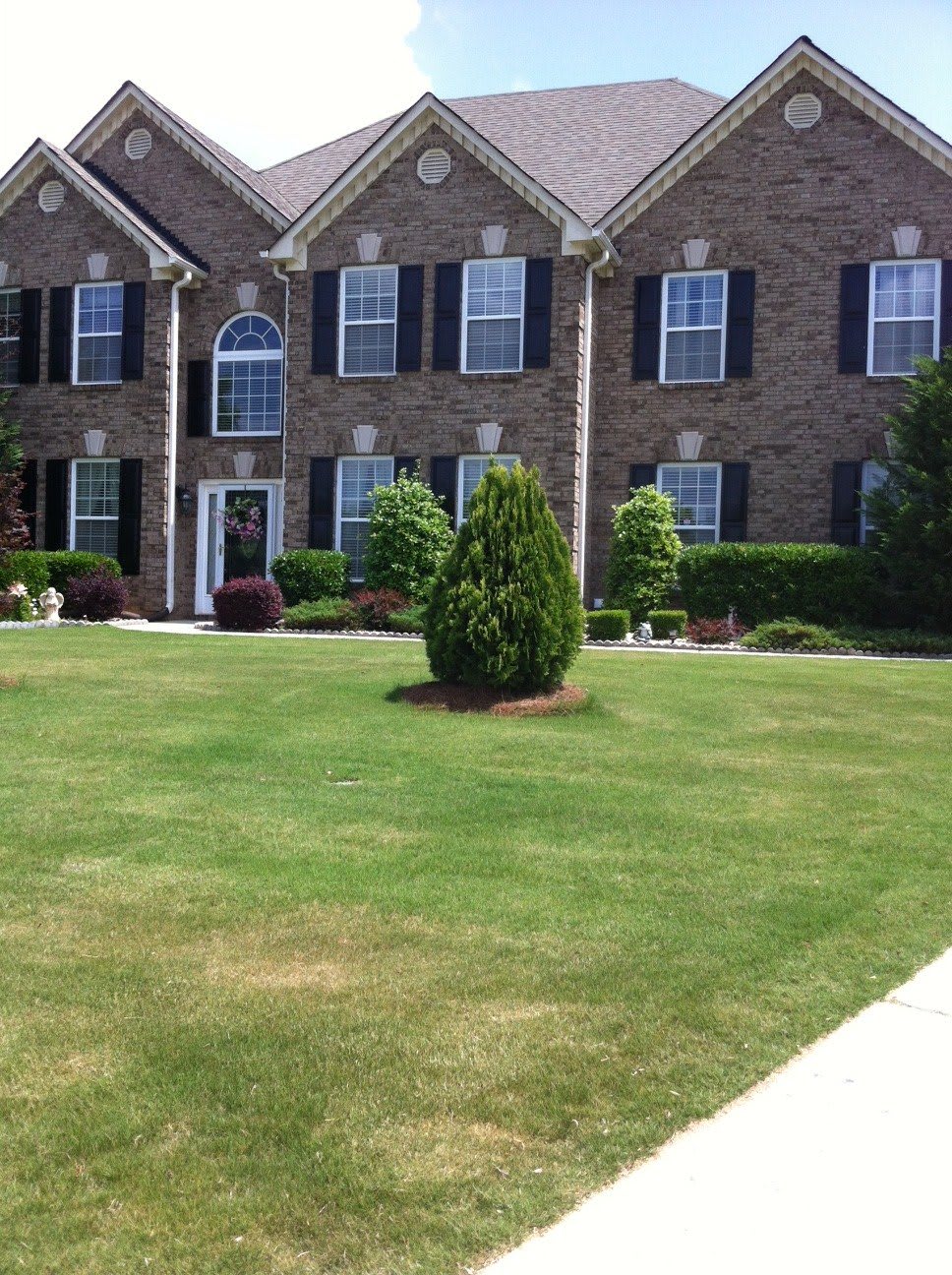







8099 Revere Drive, McDonough, GA 30252
To contact a resident: (770) 957-0897
For more information about senior living options: (866) 208-4318
Miracle Touch Personal Care Home Costs & Pricing
At Miracle Touch Personal Care Home, the monthly cost for a semi-private room is $3,000, which positions it above both the Rockdale County average of $1,926 and the state of Georgia's average of $2,529. This pricing reflects a commitment to providing comprehensive care and personalized services that may not be as readily available in more budget-friendly options. While the costs exceed local and state averages, residents can expect enhanced amenities and a supportive environment tailored to their individual needs, making it an appealing choice for families seeking quality care for their loved ones.
| Floor plans | Miracle Touch Personal Care Home | Rockdale County | Georgia |
|---|---|---|---|
| Semi-Private | $3,000 | $1,926 | $2,529 |
Memory care communities with a similar price nearby
-
About the same

River Place
$3,000 / month20.7 miles away -
from +$500 / mo

Oaks at Eagles Landing
$3,500 to $4,200 / month12.2 miles away -
from -$200 / mo

Wellness Community
$2,800 to $4,275 / month22.0 miles away -
from +$450 / mo

Oaks at Stockbridge
$3,450 to $3,950 / month9.9 miles away -
from +$100 / mo

Merryvale Assisted Living
$3,100 to $5,550 / month24.4 miles away
Overall Review of Miracle Touch Personal Care Home
Pros
 The facility is beautiful and clean, and the residents and staff are polite and friendly.
- Miracle Touch PCH provides excellent care, with residents reported to be very happy and with improvements in mobility and cognitive abilities after a short stay.
- The facility is excellent, though its price is higher than the reviewer’s budget.
- Sophia is experienced and devoted to elder care; her home is beautiful and her care plans are very well thought out.
Cons
 They felt it was not the right fit for their loved one.
- They found the facility to be above their price range.
Review
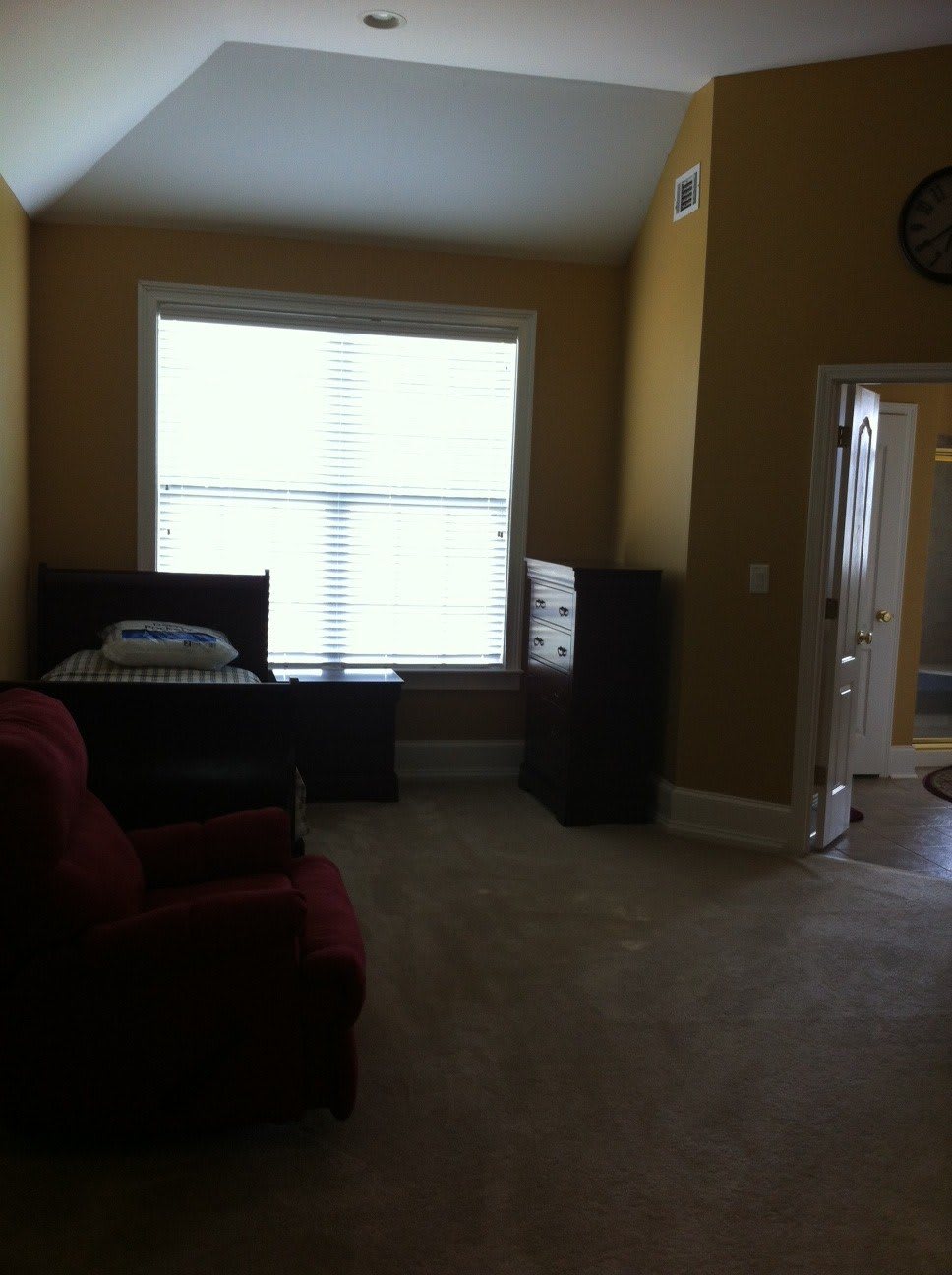
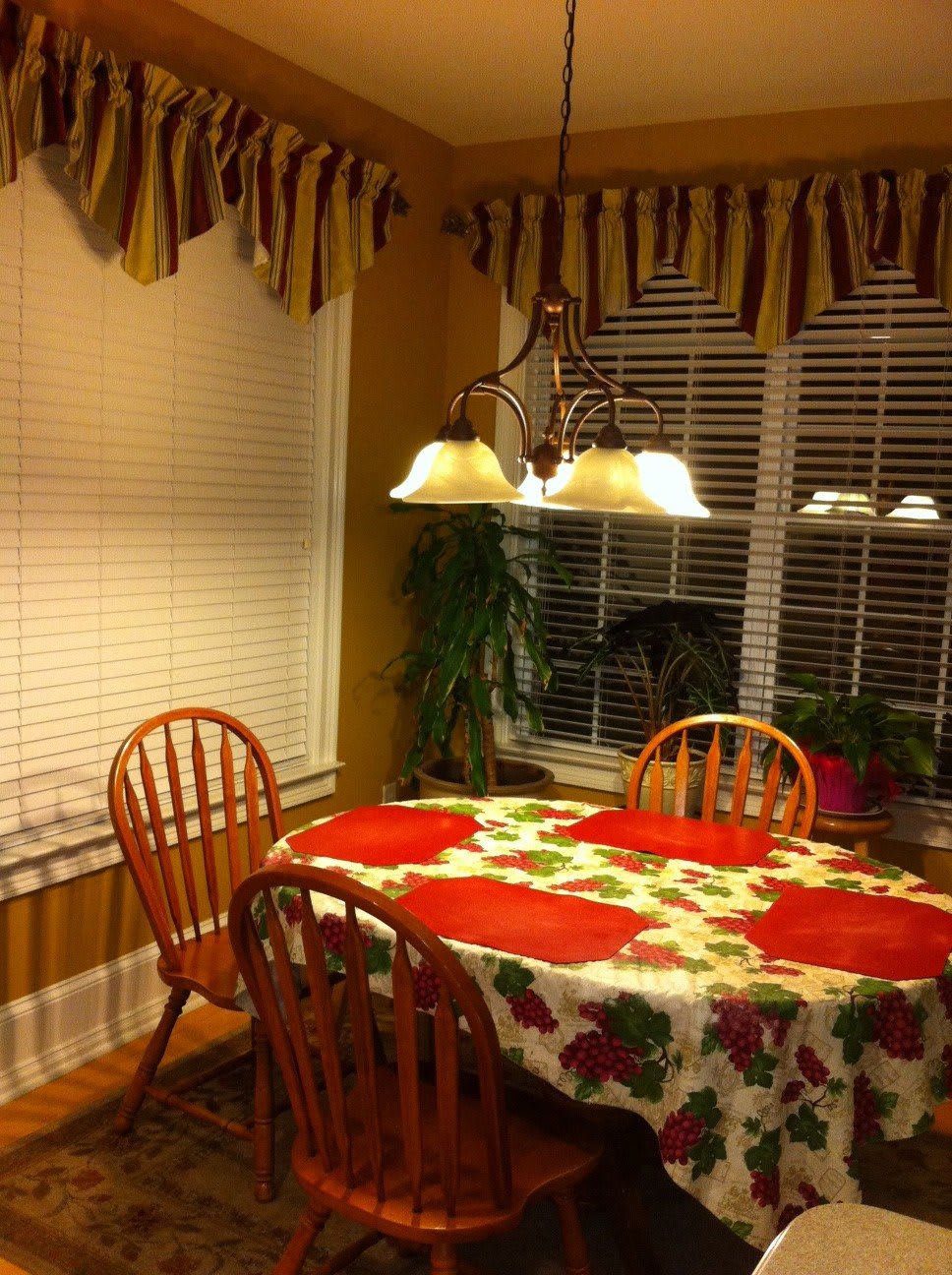
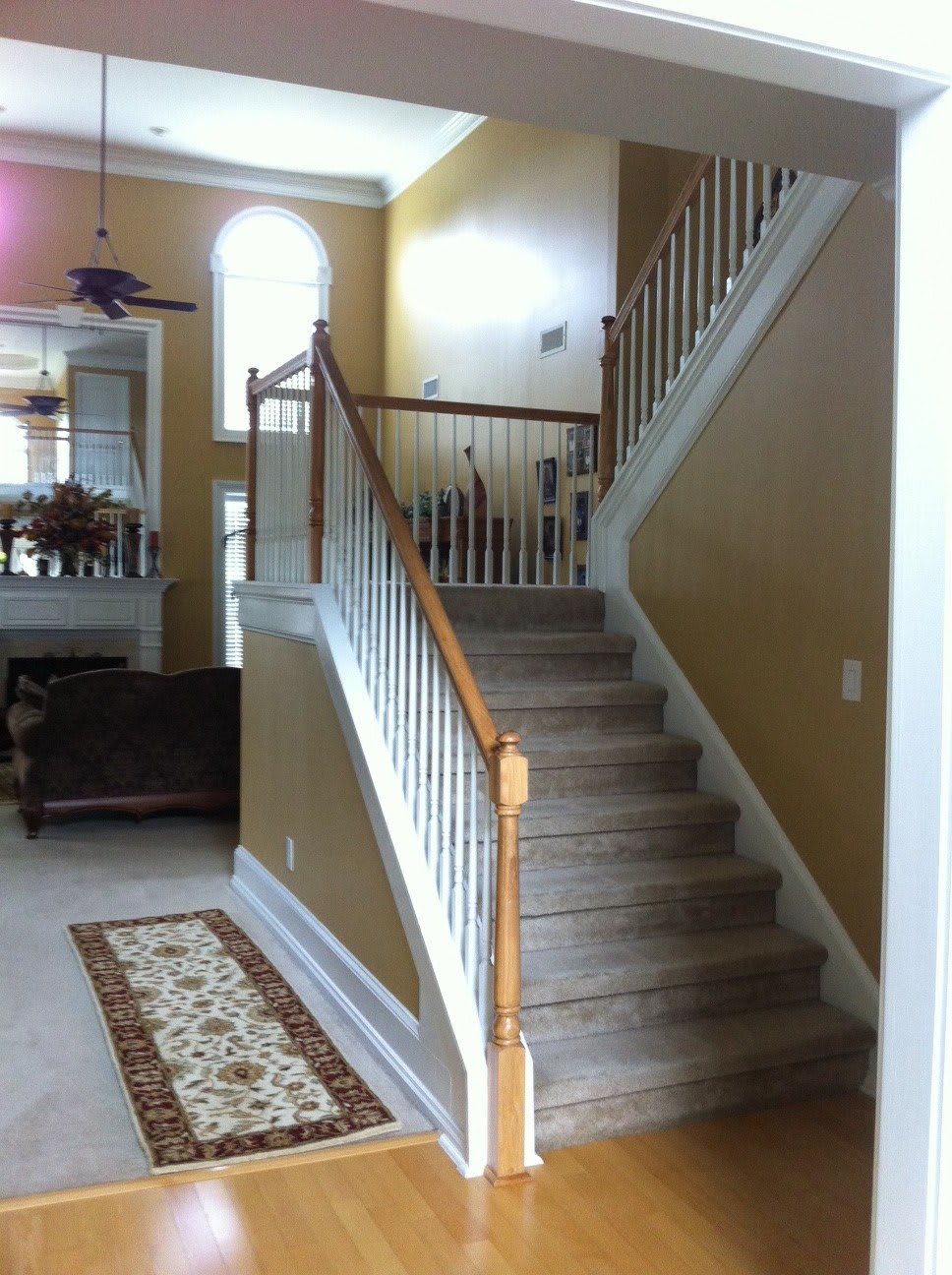
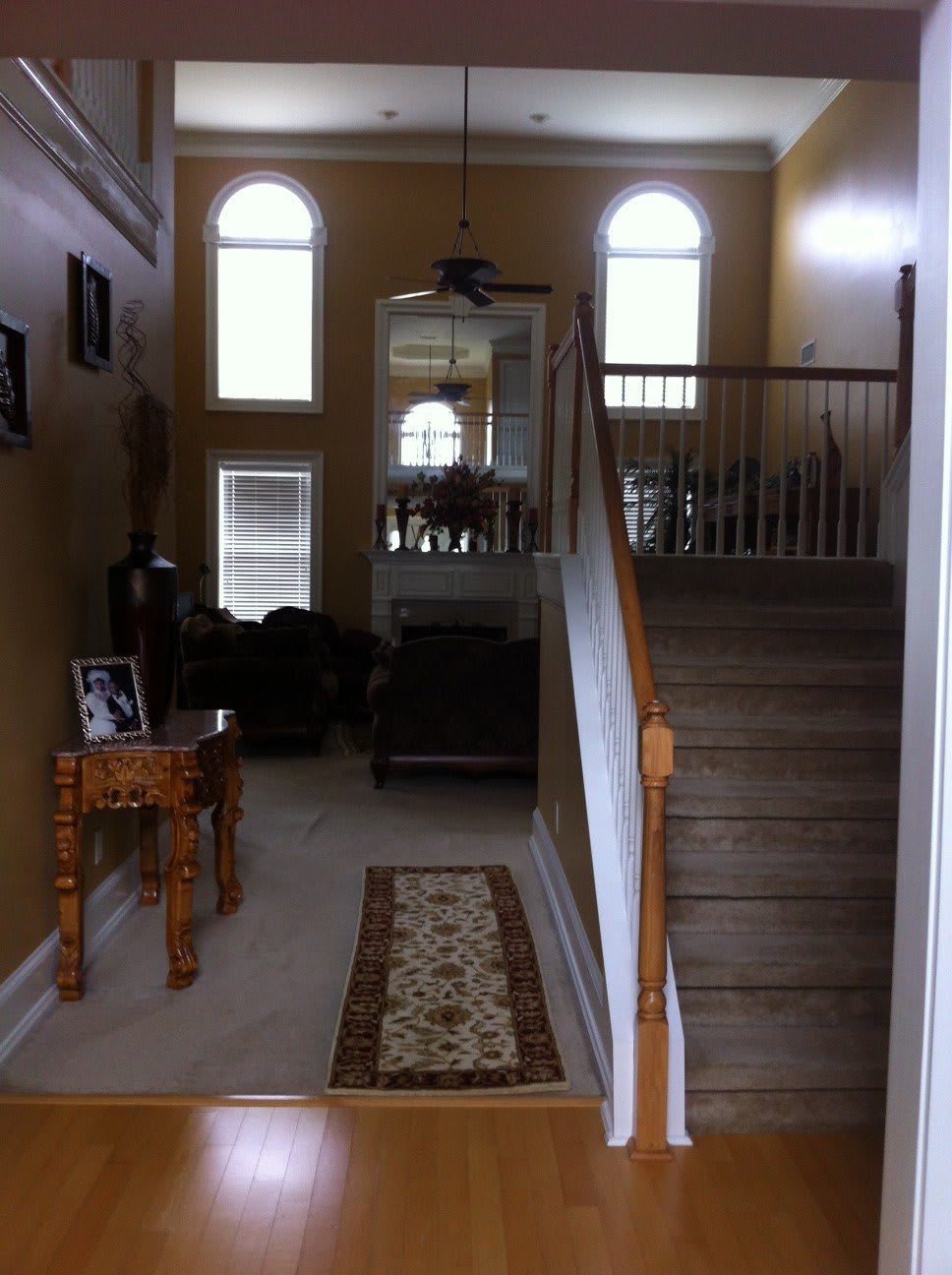
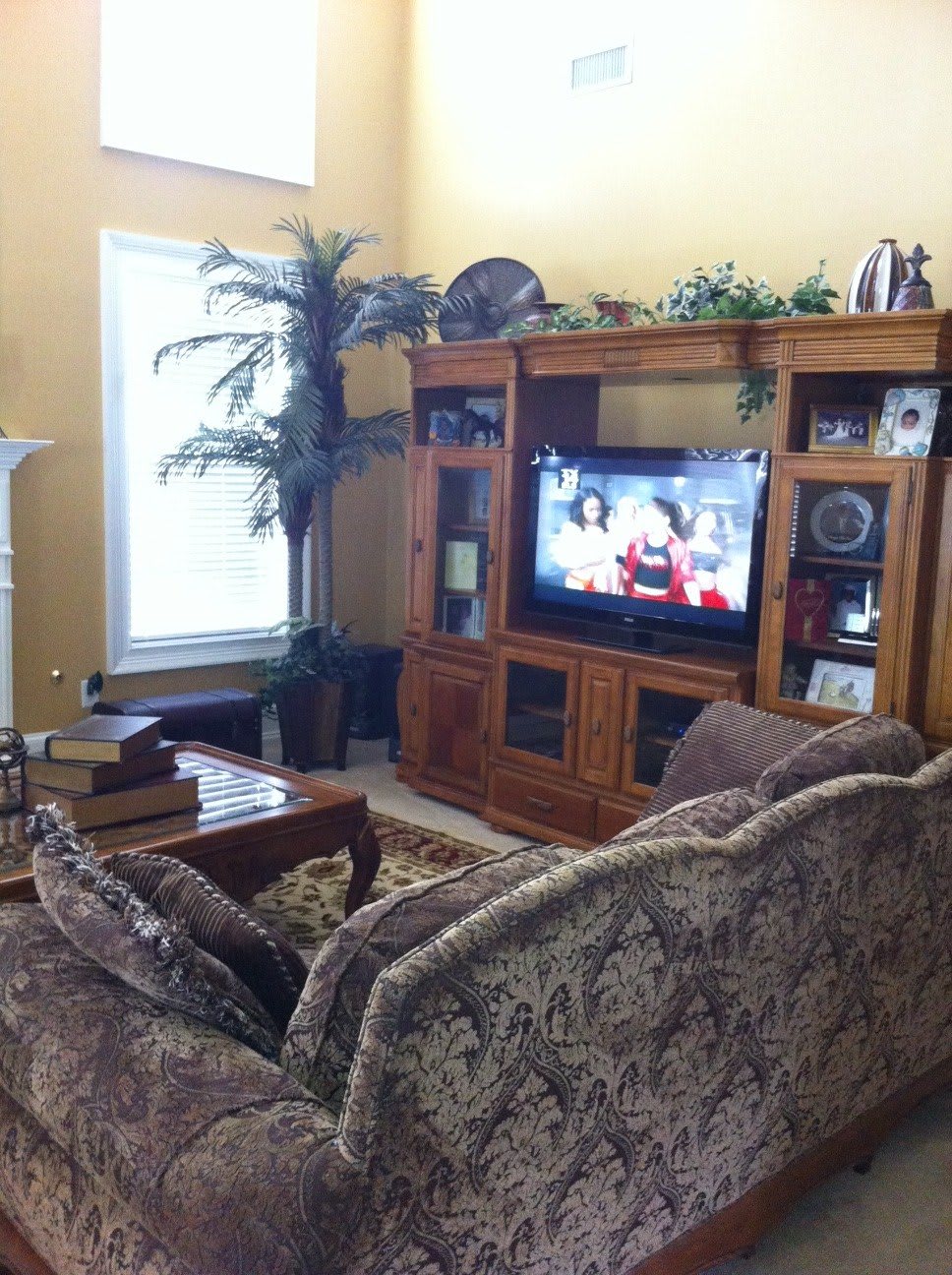
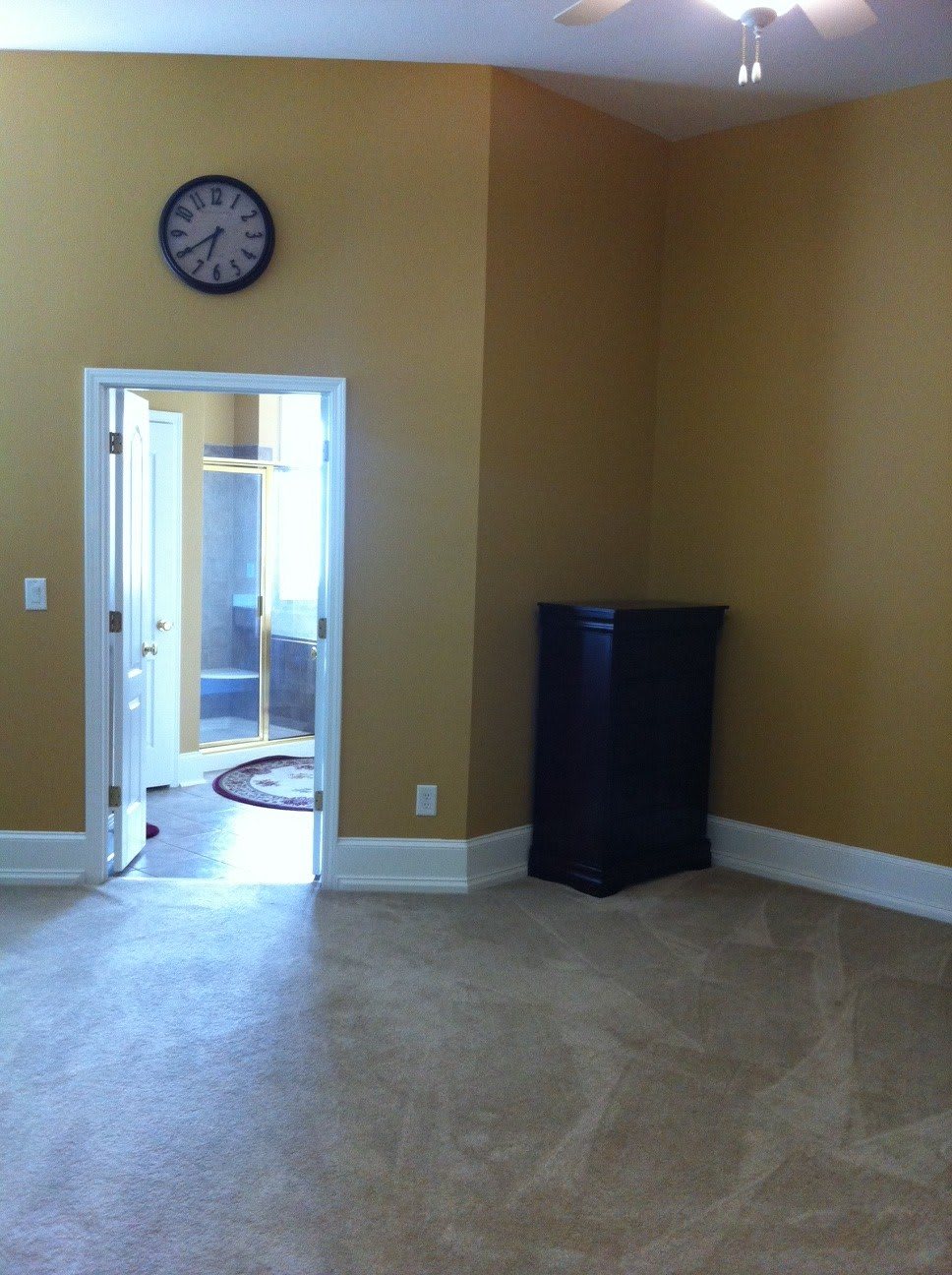
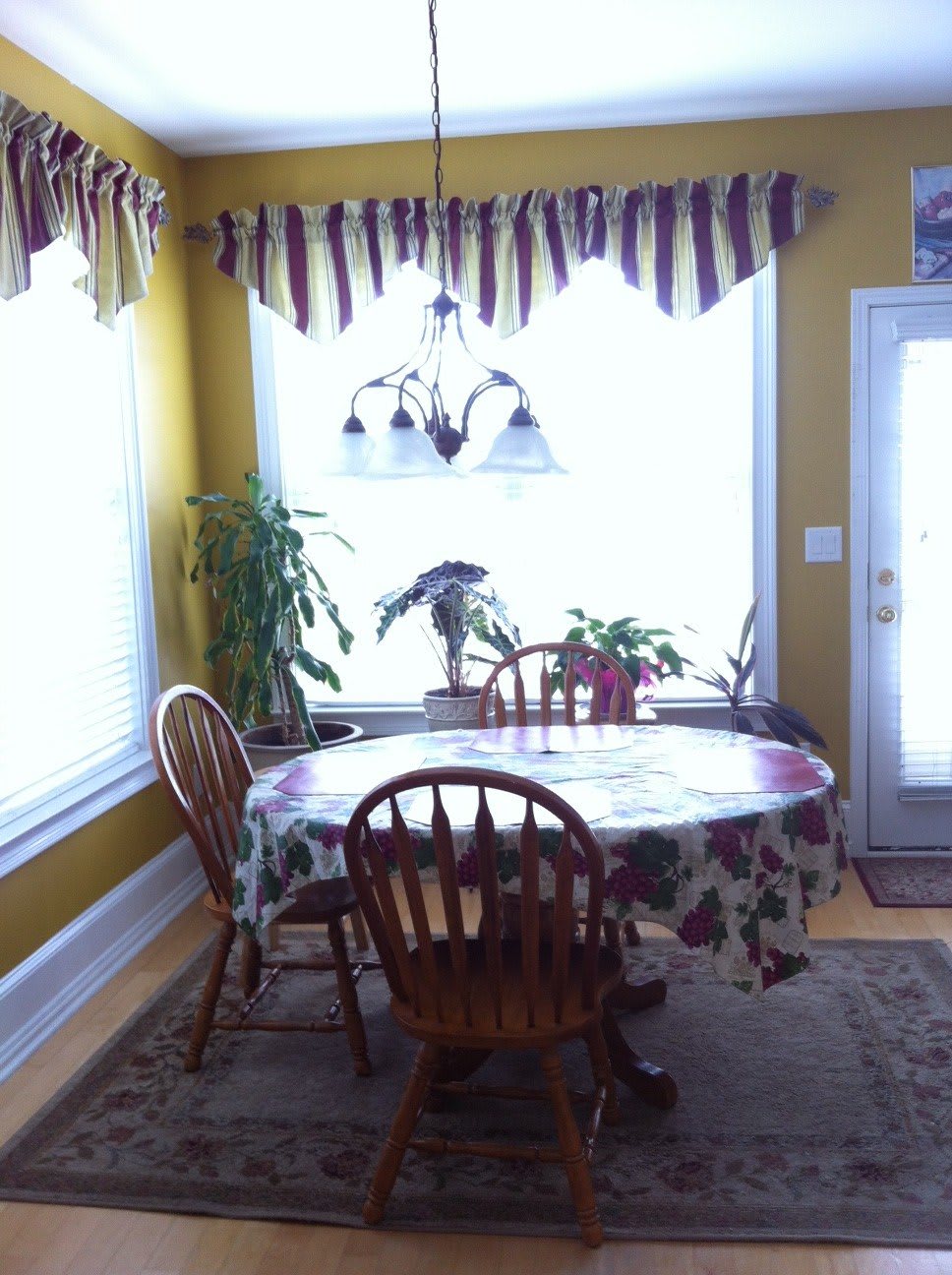
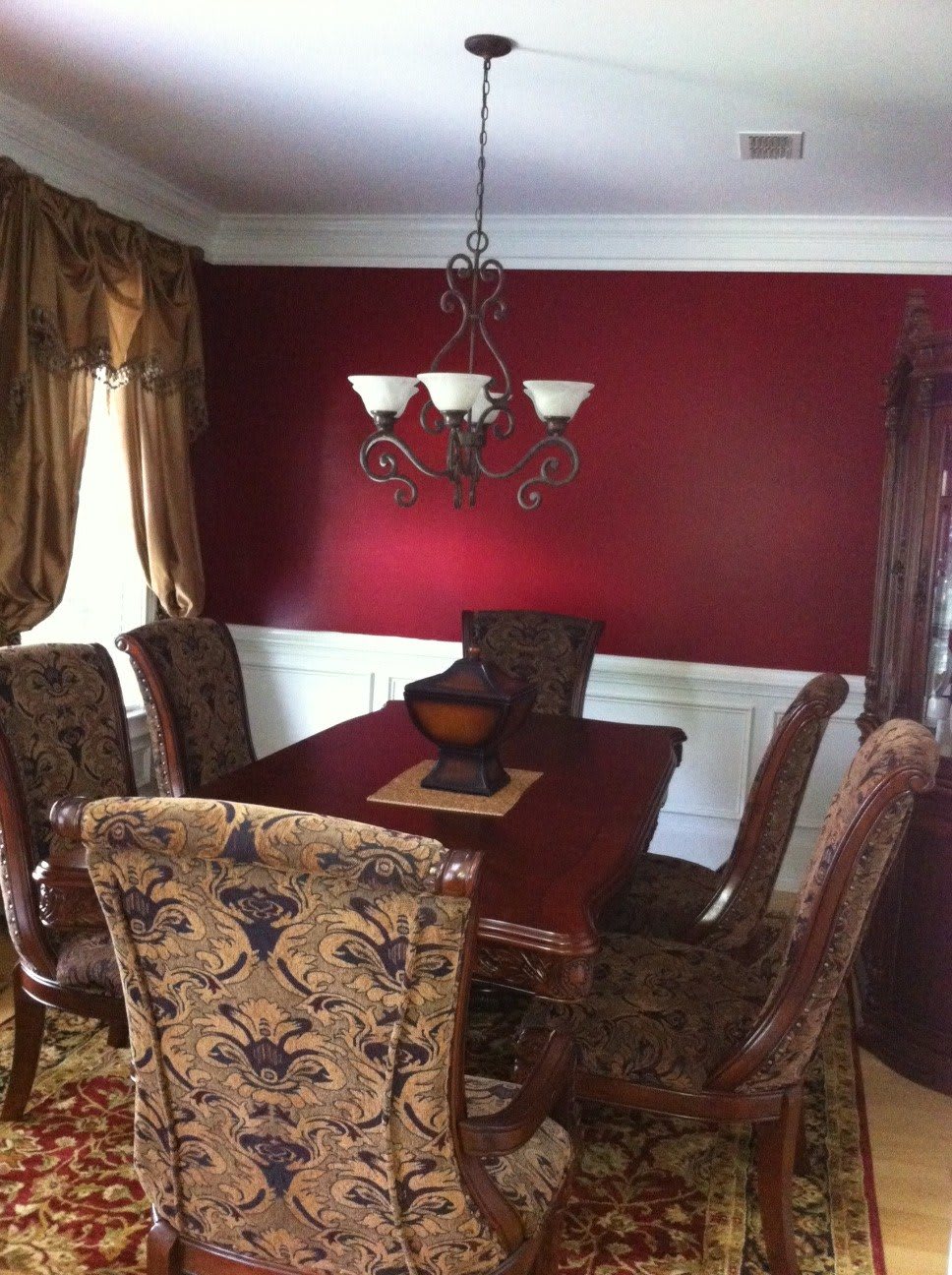
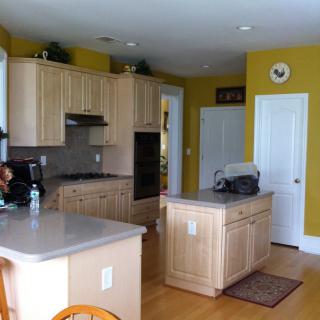
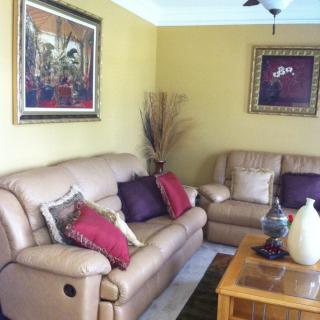
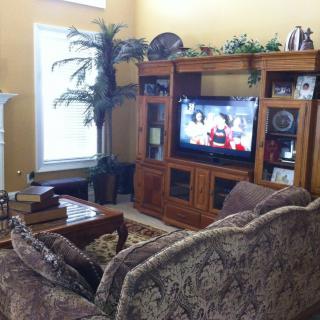
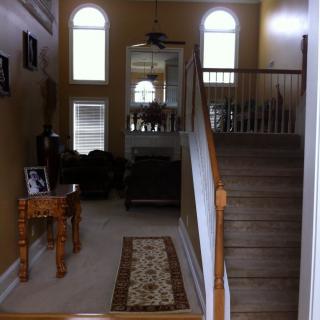
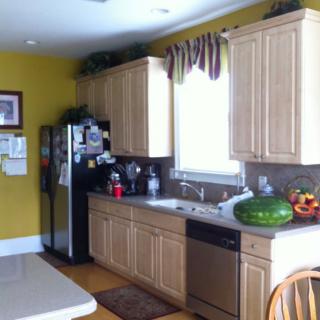
Miracle Touch Personal Care Home in McDonough, Georgia, is best suited for families seeking a memory-care oriented, home-like environment where personalized attention and a warm, non-institutional daily rhythm are the defining strengths. The community appears to serve residents who benefit from carefully tailored care plans delivered in a small-house setting, with staff accessible and present throughout the day. It works particularly well for loved ones facing social engagement needs and early-to-mid-stage cognitive changes, where a calm, homelike atmosphere can support consistency and trust. Those with higher medical complexity or tight budget constraints may want to consider alternatives that align more closely with clinical oversight or cost, as Miracle Touch tends to lean into a residential care model rather than a large, staffed medical campus.
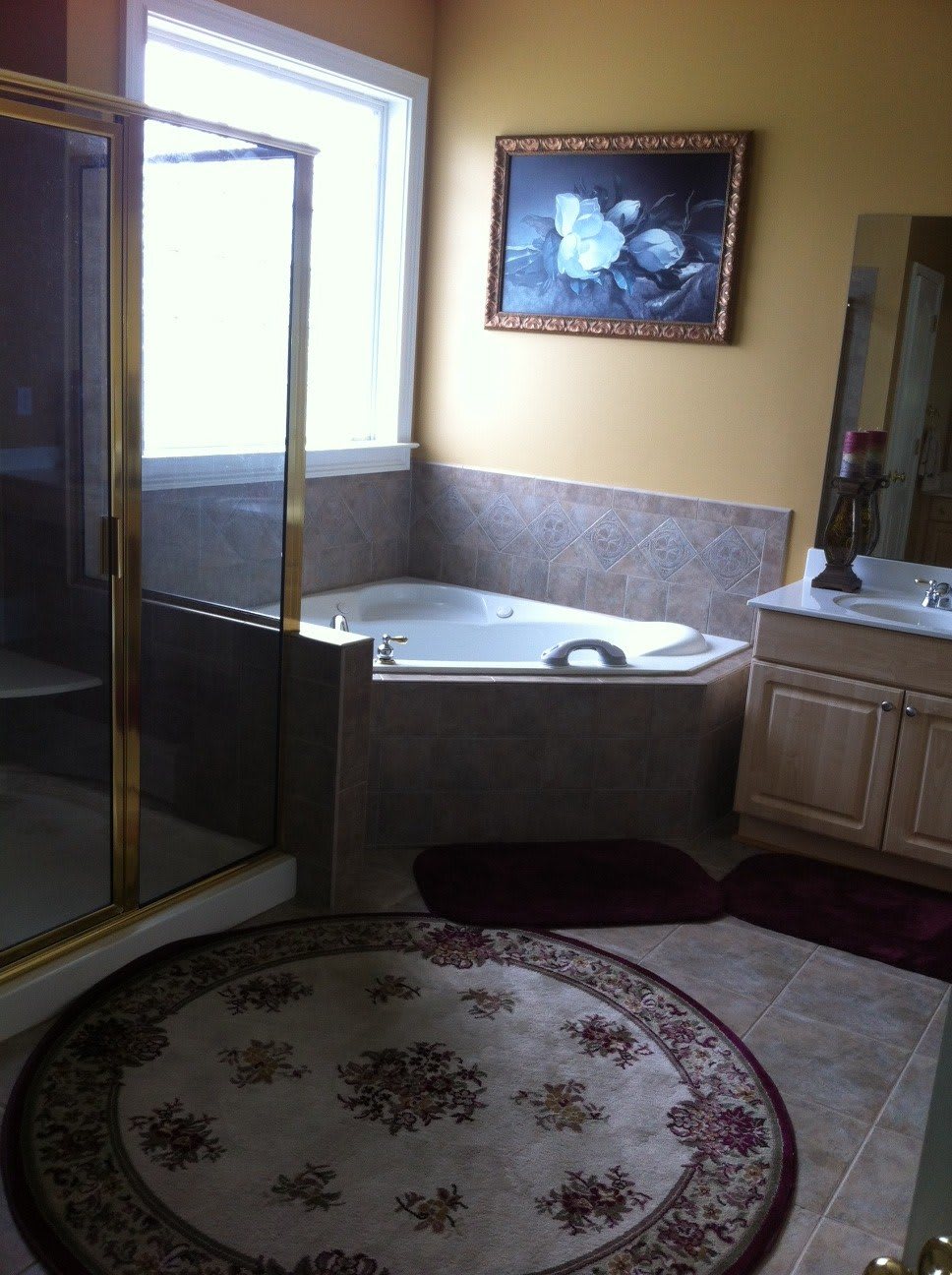
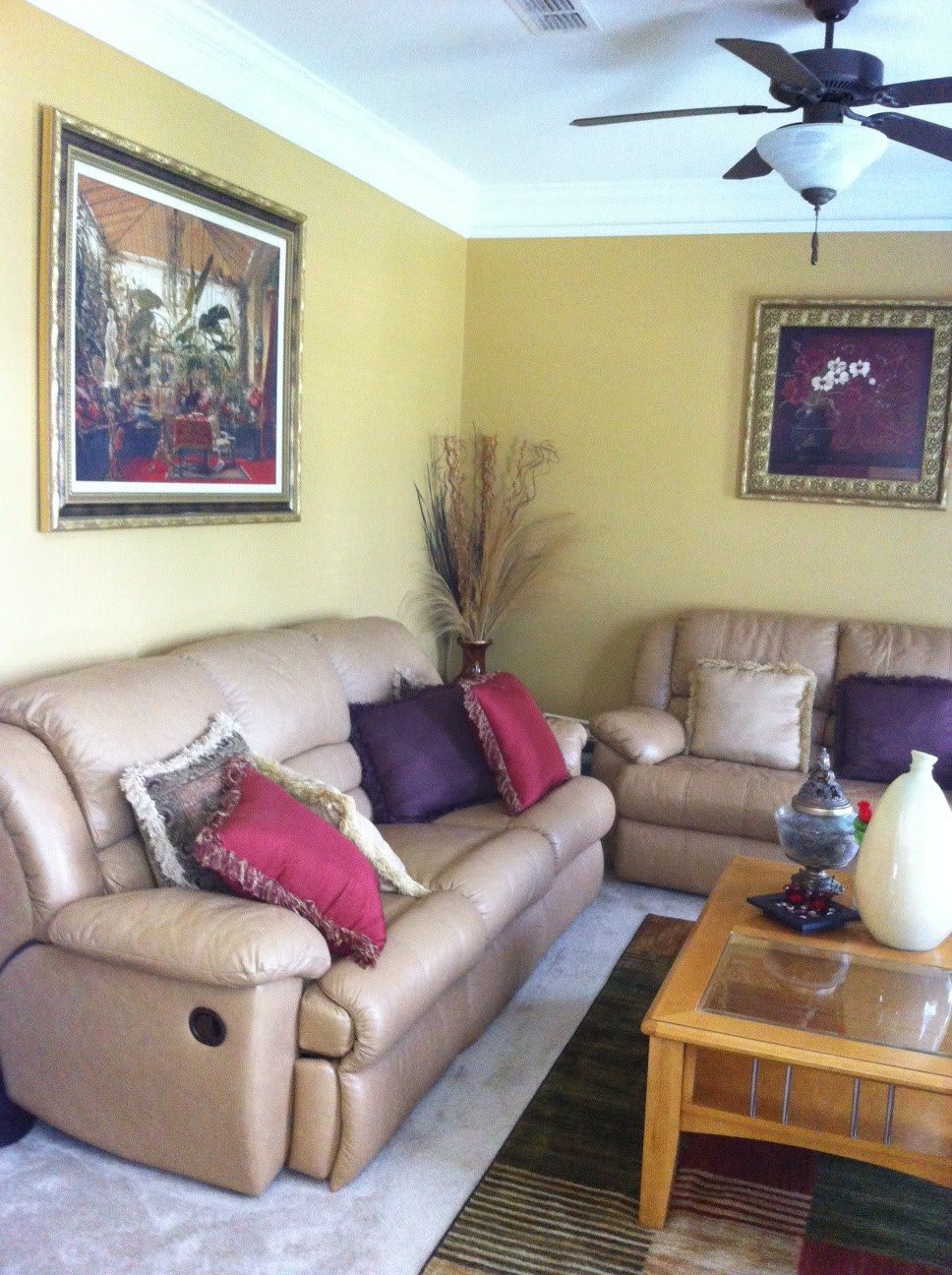
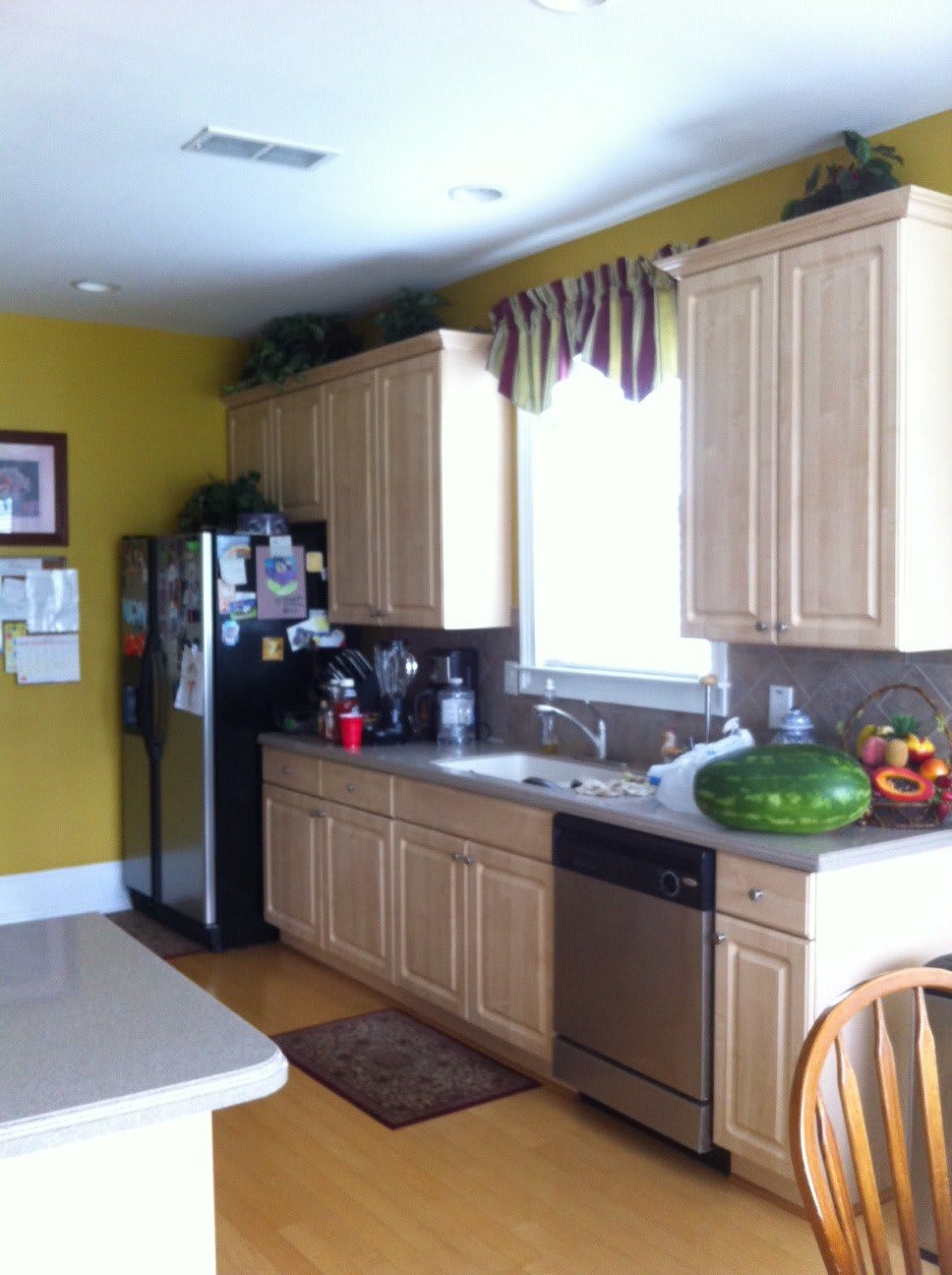
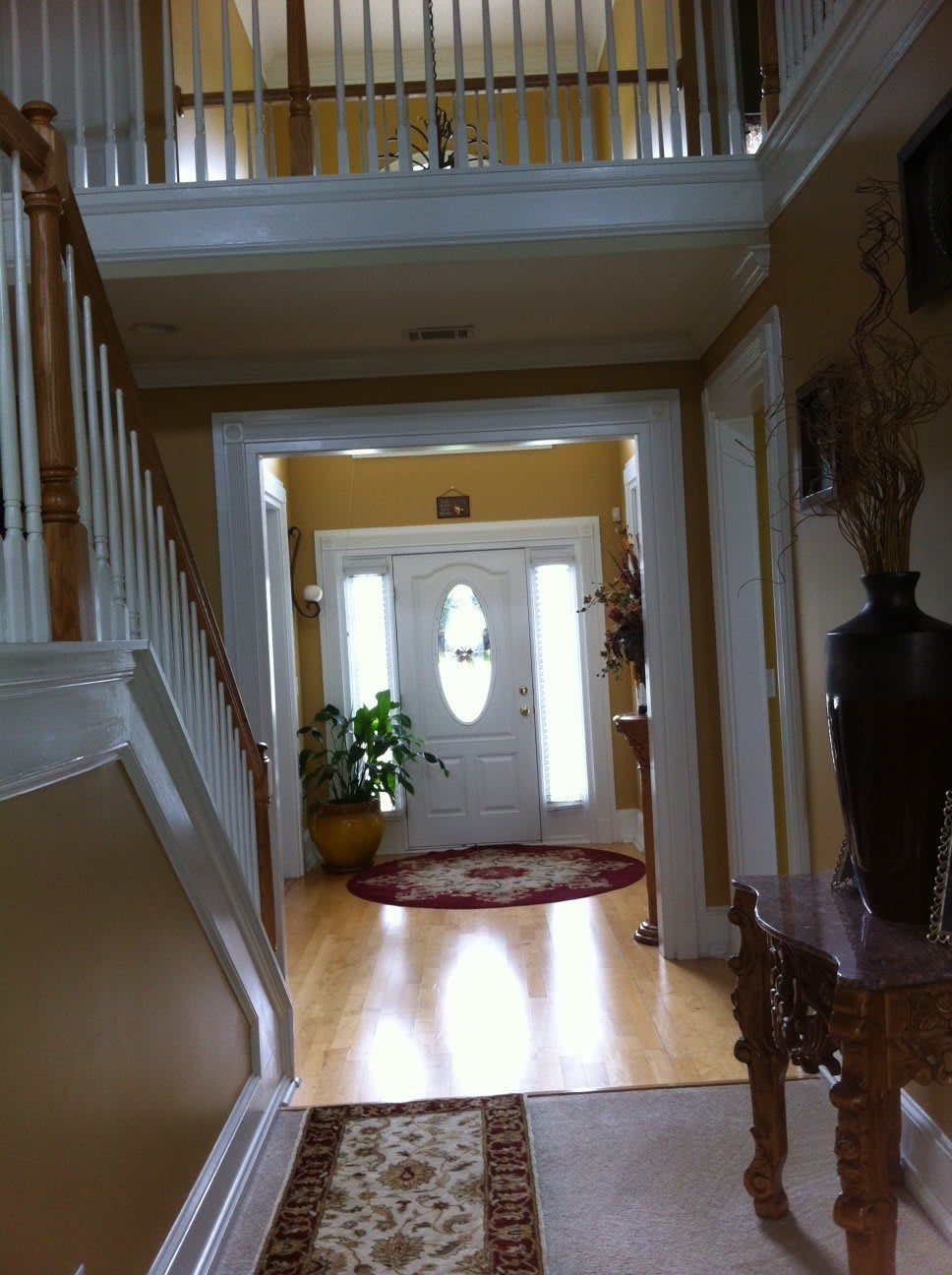
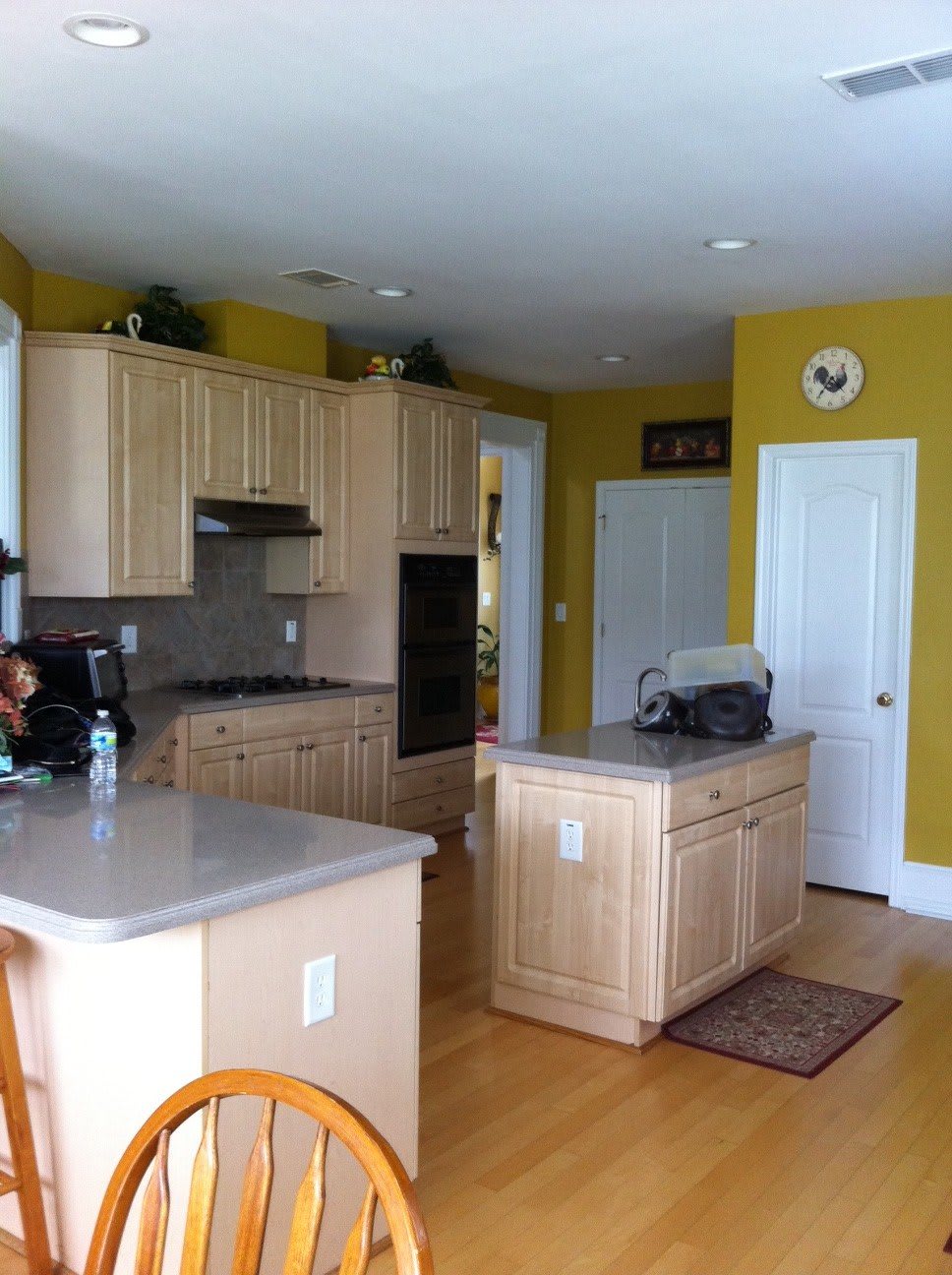
On the strengths side, the setting itself earns high marks. The facility comes across as beautiful and well maintained, projecting a sense of dignity and comfort that families often crave when considering a move for a loved one. The people on the ground matter just as much as the rooms, and reviews repeatedly note polite, friendly interactions among residents and staff. This atmosphere of warmth translates into practical benefits: residents appear to respond positively to daily routines, and families feel reassured by the visible kindness of caregivers who are dedicated to their loved ones. For memory care, where trust and familiarity can accelerate stabilization, those soft factors frequently make a real difference in day-to-day life.
Several reviewers also highlight the core strength of Miracle Touch: a genuinely individualized approach to care. Observations about staff who bring long-term experience and a thoughtful care plan point to a level of intentionality that translates into concrete improvements. One family reports clear gains in mobility and cognitive function after a relatively short stay, suggesting that the care team can stimulate meaningful progress when care is well aligned with a resident’s needs. The emphasis on a personalized plan, framed around the resident’s history, preferences, and goals, emerges as a decisive advantage, especially for families who value continuity and tailoring in a small, home-like setting.
Nevertheless, the path is not perfectly smooth for every resident. A meaningful caveat is that not all loved ones will be the right fit for Miracle Touch. One family explicitly notes that, despite several positives, the home did not align with their loved one’s particular needs, underscoring the reality that compatibility with personality, routines, and level of independence matters as much as program strength. Another clear cost consideration surfaces: several reviewers describe the facility as excellent but priced above what some families can justify or afford. These two threads, fit and price, mean decision-makers should gut-check expectations against budget and the resident’s temperament and care trajectory before committing.
With the positives in view, what stands out is how the benefits tend to offset the drawbacks for the right family. The combination of a charming, nonclinical environment, a clearly attentive staff, and a niche focus on memory-care programming provides a compelling value proposition for households prioritizing emotional comfort, stability, and personalized oversight. When the resident benefits from a well-structured plan and responsive, compassionate caregivers, the higher price point becomes more justifiable as a price for reduced stress, consistent routines, and tangible, if incremental, improvements in function and mood. In essence, Miracle Touch trades scale for individualized attention, and its strongest appeal lands with those who place a premium on a trusted caregiving relationship and a dignified, homey atmosphere.
For families evaluating options, concrete questions can determine fit. Seek clarity on staff-to-resident ratios during peak hours, the cadence of cognitive and mobility assessments, who writes and revises care plans, and how progress is communicated to families. Probe whether the role of a lead caregiver is consistent week to week, how behavior and mood shifts are managed in practice, and what daily activities or social programming look like for residents at different stages of memory impairment. If budget is a constraint, request a transparent breakdown of costs and any potential adjustments based on level of care or respite scenarios. Above all, observe the tone of interactions during a visit: the right home should feel like a collaborative partnership among family, resident, and caregivers, not a hurried transaction.
In the end, Miracle Touch Personal Care Home stands out as a strong choice for memory-care in a cozy, well-run setting. It is best positioned for families who prize personalization, a nurturing environment, and observable daily progress, and who can accommodate the price insofar as it reflects dedicated, attentive care. It is less suitable for those needing intensive clinical oversight or operating with tighter budgets, and for residents whose needs outpace what a small, residential model can sustain. When the fit is right, the combination of beauty, warmth, and a deliberate care plan can translate into meaningful quality-of-life gains that families will welcome and caregivers will sustain with confidence.
 Board and Care Home
 Day Program
 Memory Care
 Bath tubs
 Indoor common areas
 Outdoor common areas
 Private bathrooms
 Respite or short term stays offered
 William B Hartsfield-Atlanta International (24 miles away)
 Ambulatory care
 Diabetic care
 High acuity care
 Incontinence care
 Medication management
 Meals provided





 Understanding Dementia Through Its Seven Stages: A Comprehensive Look at Progression and Expectations
 A Holistic Dementia Care Guide: Effective Strategies for Memory Support
 Comprehensive Insights into Activities of Daily Living (ADLs) and Their Assessment