3084 Mt Carmel Rd, Hampton, GA 30228
To contact a resident: (770) 946-3376
For more information about senior living options: (866) 208-4318
Mt Carmel Assisted Living Costs & Pricing
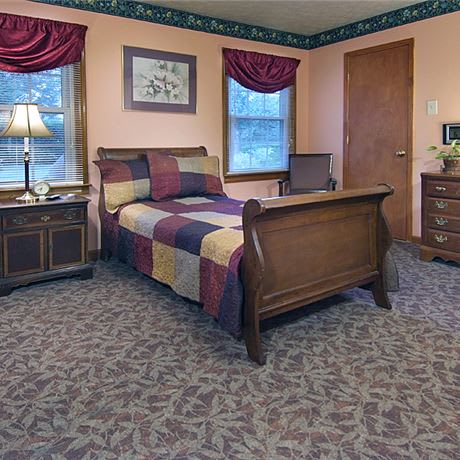
Mt. Carmel Assisted Living offers competitive pricing for its residents, with semi-private rooms available at $2,750 per month. This cost is slightly higher than the average in Spalding County, which stands at $2,358, and aligns closely with the state average of $2,529. For those seeking a bit more privacy, the one-bedroom option is priced at $3,250, again positioning itself above both local and state averages - $2,975 in Spalding County and $3,412 across Georgia. While Mt. Carmel may be on the higher end of the spectrum compared to its immediate surroundings, it reflects a commitment to quality care and comfortable living that many families find invaluable when choosing an assisted living facility.
| Floor plans | Mt Carmel Assisted Living | Spalding County | Georgia |
|---|---|---|---|
| Semi-Private | $2,750 | $2,358 | $2,529 |
| 1 Bedroom | $3,250 | $2,975 | $3,412 |
Memory care communities with a similar price nearby
-
About the same
Wellness Community
$2,800 to $4,275 / month17.4 miles away -
from +$529 / mo

Sparks Inn Retirement Center
$3,279 to $5,329 / month16.8 miles away -
from +$450 / mo

Goldencrest At Eagle's Landing
$3,200 to $4,730 / month6.9 miles away -
from +$400 / mo

Heartis Fayetteville
$3,150 to $5,700 / month12.0 miles away -
from +$250 / mo
The Retreat at Conyers
$3,000 to $3,600 / month24.2 miles away
Overall Review of Mt Carmel Assisted Living
Pros
 The staff ensure residents' needs are met and work hard to give families peace of mind.
- The team enjoys helping residents smile and makes this a great place to be.
- The facility has a warm, home-like atmosphere that feels less like a hospital.
- The staff are professional, caring, and attentive to all residents, including those with dementia.
- The owner is kind and frequently on-site, contributing to a caring environment.
- Residents receive thorough assistance with dressing and meals, and the facility offers private seating areas for visits.
- The atmosphere is upbeat with smiles, and nurses such as Bobbie are outstanding and communicative with physicians.
- The staff are described as great people, and the facility is regarded as a good value in the area.
Cons
 They wouldn’t put their worst enemy in that place.
- They are wondering if the facility is temporarily closed and have tried calling at different times of the day.
- The in-house doctor confronted a family member about a Google review and is forcing the relative to leave the facility in 30 days.
- They are extremely disappointed with how the in-house doctor treated their mother regarding FMLA paperwork, noting the doctor didn’t know her medical history and had an attitude.
- If staff cannot properly do their job or talk to people respectfully, perhaps they should not work at this type of facility.
- They feel they should not have to worry about their grandmother while she is in the facility’s care.
Review
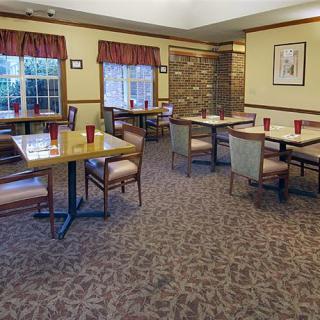
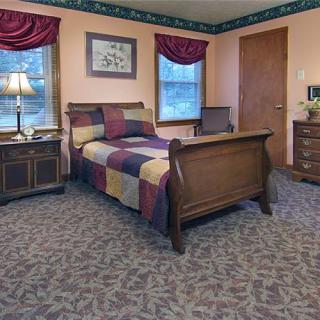
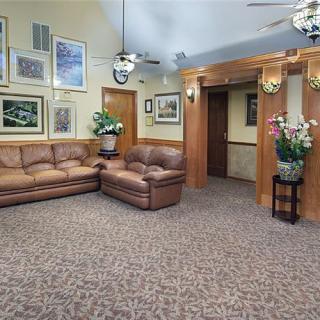
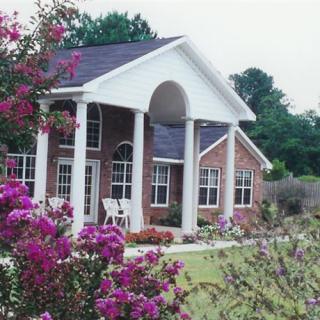
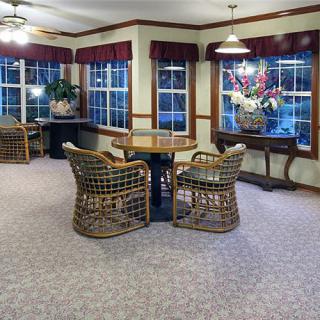
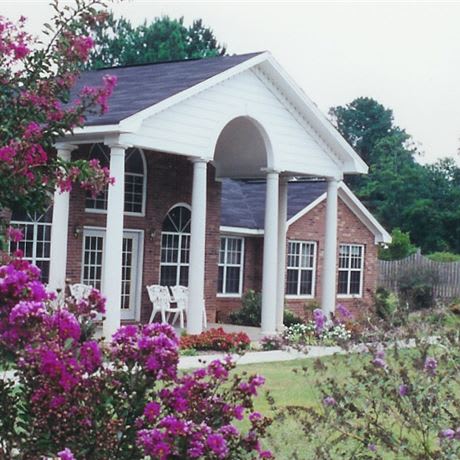
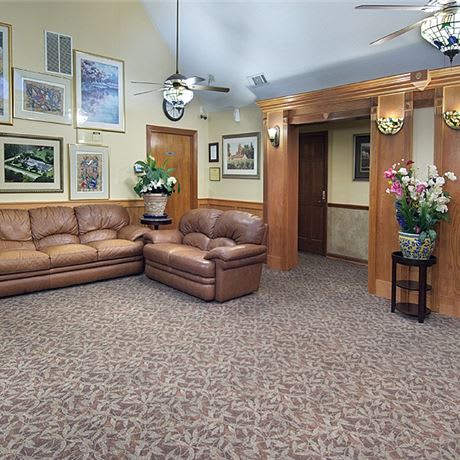
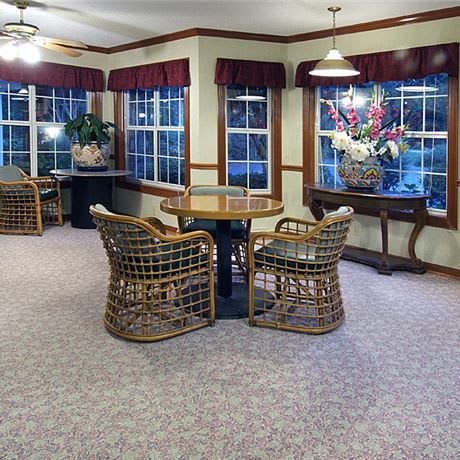
Mt Carmel Assisted Living in Hampton, GA is best suited for families seeking a small, home-like setting where personal attention, warmth, and affordability shape daily life. The community’s private, family-owned character shows through an owner who is described as a retired physician and who participates almost daily; that presence can translate into a sense of steadiness and direct accountability. Residents and families commonly encounter a layout designed for sociability, private seating nooks, a cozy common area, and staff members who encourage residents to stay active rather than remain passive. This combination of warmth at entry and value-focused operations makes Mt Carmel a practical option for elders who want daily care without the feel of a large institution.
Nevertheless, alternatives should be considered for seniors who require rigorous medical oversight or face complex health needs. Several reviews point to uncomfortable dynamics with the in-house medical staff and management under pressure. One family recounts a threatened departure for a loved one after a dispute over paperwork, suggesting a rigidity in policy enforcement that can surprise families. Additional notes about an in-house doctor’s attitude and handling of sensitive issues imply that medical interactions at Mt Carmel may not meet every family’s expectations, especially for those prioritizing transparent, consistently executed care protocols.
On the upside, multiple accounts describe staff as caring, respectful, and genuinely engaged with residents. A nurse highlighted as outstanding demonstrates how individual clinicians can bridge daily operations with medical needs, coordinating with primary physicians when appropriate. The maintenance team and front-line aides receive praise for meeting residents’ daily needs, contributing to an atmosphere of optimism. The home-like setting, plus private seating areas and a culture that encourages mobility and social activity, provides a dignity-preserving environment that many families value, particularly for residents who resist more hospital-like configurations.
The strongest warnings come from negative experiences tied to medical staff conflicts and sudden residency changes. Reports of inconsistent care, problematic handling of medical paperwork, and perceptions of cold, punitive leadership undermine the essential stability for seniors relying on ongoing support. Concerns about communication barriers, including difficult-to-reach phone lines, further erode confidence for families coordinating care from a distance. While these anecdotes do not reflect every resident’s experience, they signal genuine risk factors that must be weighed against the positives when evaluating next steps.
Pros offset drawbacks to a degree, but only for the right resident. For relatively independent elders who benefit from social stimulation and light-to-moderate assistance, the home-like atmosphere and attentive staff can yield a higher quality of life at a compelling price. The setting’s emphasis on activity and the personal touch from caregivers can translate into daily satisfaction that outperforms more clinical environments. Still, when medical oversight is inconsistent and policy enforcement feels opaque or punitive, the perceived benefits can quickly diminish in times of health fluctuation or family concern.
In practical terms, Mt Carmel Assisted Living serves best families prioritizing warmth, accessibility, and value in a smaller, less clinical setting. It is less suitable for elders with significant medical complexity or for families demanding rigorous, transparent medical governance and predictable retention. Prospective residents should request current, specific references about medical oversight, policy consistency, and communication speed; schedule a focused tour that emphasizes staff responses in both routine and crisis moments; and verify the present status with administration regarding admissions, waitlists, and any changes in services. With careful vetting, this community can deliver meaningful, respectful daily living for the right resident, but alignment with health needs and family expectations must be demonstrated upfront.
 Memory Care
 Activities on-site
 Air-conditioning
 Beautician on-site
 Devotional services off-site
 Ground floor units
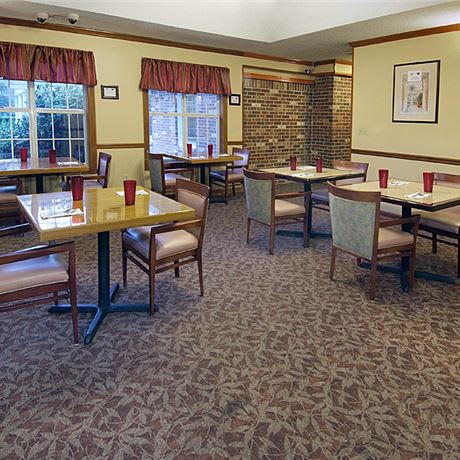
 Indoor common areas
 Outdoor common areas
 Respite or short term stays offered
 William B Hartsfield-Atlanta International (17 miles away)
 Ambulatory care
 Diabetic care
 High acuity care
 Medication management
 Guest meals



 Comprehending Evening Confusion in Dementia: Causes, Manifestations, and Support
 Delirium and Dementia: Unraveling the Key Differences
 Are Dementia and Alzheimer's Disease Lethal? A Comprehensive Exploration