Gray-Leslie Rowena Adult Family Care Home in Yalaha, FL

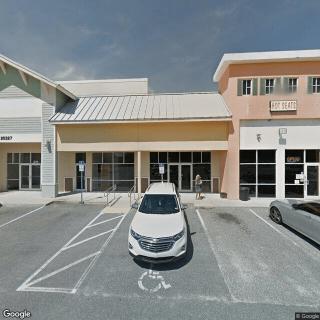
27409 Hammock View Ct, Yalaha, FL 34797

For more information about senior living options: (844) 490-3973

4 from 3 reviews
5 stars
2
4 stars
0
3 stars
0
2 stars
1
1 stars
0

Board and Care Home Memory Care

Gray-Leslie Rowena Adult Family Care Home Costs & Pricing

Gray-Leslie Rowena Adult Family Care Home offers competitive pricing for its services compared to both Lake County and the broader state of Florida. For semi-private rooms, residents can expect costs ranging from $2,500 to $6,500 per month, which is notably lower than the average monthly rate in Lake County at $3,119 and slightly more favorable than the Florida average of $3,009. In terms of private accommodations, Gray-Leslie Rowena's pricing ranges from $4,000 to $6,500; this reflects a slightly higher cost than Lake County's average of $4,081 but remains lower than the state average of $3,699. Overall, Gray-Leslie Rowena provides flexible options that cater to various budget needs while ensuring quality care for its residents.

Floor plansGray-Leslie Rowena Adult Family Care HomeLake CountyFlorida
Semi-Private$2,500 to $6,500$3,119$3,009
Private$4,000 to $6,500$4,081$3,699

What level of care are you interested in?

Assisted Living

Memory Care

Independent Living

Skilled Nursing Facility

Continuing Care Retirement Community (CCRC)CCRC

Other


Request a tour at Gray-Leslie Rowena Adult Family Care Home

    Overall Review of Gray-Leslie Rowena Adult Family Care Home

    Pros

    • pro The environment is clean and safe for the elderly, and the caregiver is very knowledgeable about their needs.
    • pro The home setting provides a private room and bath, three meals and snacks, activities to keep him busy, and a loving atmosphere.
    • pro She would definitely be recommended to others.
    • pro Rowena was warm and friendly.
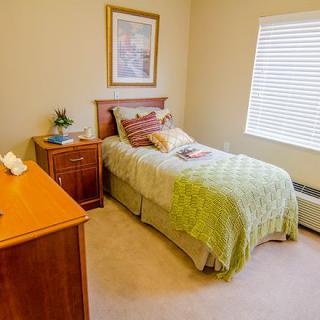
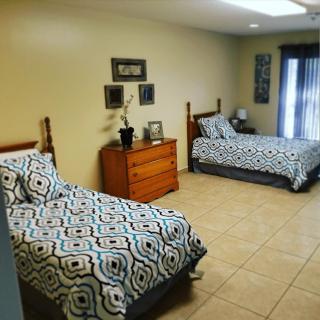
    • pro The home was nice and the accommodations were bright and comfortable.

    Cons

    • pro The situation of the family (Rowena, fianc? & teenage son) living in the care home was not ideal.
    • pro There was a strong perfumed scent in the living space.
    • pro The bathroom was not suitable for their mom's needs.
    • pro Rowena was not well prepared for the questions they asked.
    • pro This setting is not the right fit for their family.

    Review

    Gray-Leslie Rowena Adult Family Care Home in Yalaha, Florida, is best suited for seniors who want a intimate, home-like setting with highly personalized, near-constant attention from a dedicated caregiver. The model works well for residents who value routine, a private living space, and everyday warmth over a larger, corporate atmosphere. A private room and bathroom, steady meals and snacks, and daily activities create a cohesive, loving environment where a resident can settle into a familiar, family-like rhythm.

    This community is not for everyone. The care model hinges on a single primary caregiver, with limited backup if she is away, which can create real gaps for residents who require more robust, around-the-clock supervision or frequent medical support. The home setting itself involves the caregiver and her immediate family sharing the space, which some families may find intrusive or incongruent with their privacy needs or visit routines. In addition, practical concerns such as a strong scented living area and a bathroom that was reported as unsuitable for some mobility limitations can be decisive factors for families evaluating suitability. For residents needing extensive medical oversight, complex mobility assistance, or a facility with continuous, multi-staff coverage, alternatives with larger staffing models will likely be more appropriate.

    From a practical perspective, the strongest positives are clear and tangible. The environment is described as clean and safe, with a caregiver who is knowledgeable about the demands of elder care. The home setting frequently translates into a more relaxed daily pace, where a resident can enjoy a private room and bath, regular meals, and accessible activities designed to keep them engaged. The atmosphere is described as loving, intimate, and patient-focused, which can help seniors feel secure and valued. For families seeking a quiet, predictable routine and a caregiver who builds a strong personal connection, these elements carry significant weight.

    Yet the cons cannot be ignored. The reliance on one primary caregiver means that any absence or need for a substitute can disrupt the routine and raise concerns about continuity of care. The social and logistical arrangement of the caregiver living in the home alongside her fianc? and teenage son can feel less professional or private to some families, especially those prioritizing strictly independent living or formal staff presence. Additionally, a bathroom that may not meet all accessibility needs and the perceptible perfume in the living space can present practical and comfort challenges for specific seniors or sensitivities. Questions not fully anticipated or answered at first contact also suggest a need for deeper due diligence before choosing this setting.

    Ultimately, the decision rests on balancing highly personal, home-centered care against the risk of limited staffing and practical constraints. For a senior who is relatively stable, enjoys companionship, and does not require intensive medical supervision, the pros - personalized attention, a warm caregiver, a private room, regular meals, and meaningful daily activities - often outweigh the cons. The key offset is the sense of belonging and individualized attention that a small, family-run home can deliver when the elder's needs align with what one caregiver can reliably supervise. The main caveat is that any escalation in care needs or a demand for more formal staffing could overwhelm this model.

    For families evaluating options, several steps are essential. Confirm the caregiver's schedule and the backup plan to ensure continuity of care during holidays, illness, or personal time off. Inspect the bathroom for accessibility features and verify that it can accommodate mobility aids or transfers if needed. Clarify the facility's fragrance policy and assess whether scent sensitivity might affect the resident. Discuss privacy preferences and whether the family is comfortable with the living-in arrangement. If possible, request a trial period or a structured visit to observe how daily routines unfold, how questions are answered, and how emergencies are handled. If the elder desires a more robust care footprint or requires frequent, formal supervision, this setting may not be the best fit; otherwise, a careful, stepwise assessment may reveal a genuinely caring, home-centric option that fits well.

    Features

    Types of Care

    • Board and Care Home Board and Care HomeBoard and care homes provide a smaller, more intimate setting for seniors who require assistance with daily tasks but do not need the level of care offered by a nursing home. They offer personalized care, meals, and social activities in a homelike environment, ensuring that seniors receive individualized attention and support in their golden years.
    • Memory Care Memory CareMemory care is crucial for seniors as it provides specialized support and services for individuals with dementia or Alzheimer's disease. These programs offer a safe and secure environment where residents receive personalized care, cognitive stimulation, and help with daily activities. Memory care helps seniors maintain their independence, quality of life, and dignity while also providing peace of mind for their families.

    Pets

    • Cats allowed Cats allowed"Pet friendly" senior living communities are important for seniors because pets provide companionship, reduce feelings of loneliness and depression, promote physical activity and mental stimulation, and offer a sense of purpose and responsibility. Pets can improve overall well-being and quality of life for seniors in many ways.
    • Dogs allowed Dogs allowed"Pet friendly" senior living communities are important for seniors because pets provide companionship, reduce feelings of loneliness and depression, promote physical activity and mental stimulation, and offer a sense of purpose and responsibility. Pets can improve overall well-being and quality of life for seniors in many ways.

    Amenities

    • Activities off-site Activities off-siteEngaging in off-site activities is crucial for seniors to maintain social connections, stay active, and stimulate their minds. It promotes overall well-being and helps combat feelings of isolation and loneliness.
    • Activities on-site Activities on-siteActivities on-site are important for seniors because they provide opportunities for socialization, mental stimulation, physical activity, and overall well-being. Engaging in activities can help seniors stay active, maintain their independence, and improve their quality of life.
    • Air-conditioning Air-conditioningAir conditioning is important for seniors as they are more vulnerable to heat-related illnesses and may have underlying health conditions that make it difficult for them to regulate their body temperature. It helps to keep them comfortable, safe, and healthy in hot weather.
    • Bath tubs Bath tubsBath tubs are important for seniors because they provide a safe and relaxing way to bathe, helping to prevent slips and falls while promoting independence and overall well-being.
    • Cable or satellite TV Cable or satellite TVCable or satellite TV is important for seniors because it provides entertainment, news, and companionship, helping to combat loneliness and boredom. It also offers a wide range of programming options tailored to different interests and preferences.
    • Devotional services off-site Devotional services off-siteDevotional services off-site are important for seniors as they provide spiritual nourishment, social engagement, and a sense of community outside of the senior living facility. This can enhance overall well-being and help combat feelings of isolation and loneliness often experienced by older adults.
    • Devotional services on-site Devotional services on-siteDevotional services on-site provide seniors with spiritual support and a sense of community, as well as an opportunity for reflection and guidance during their senior living experience. This can promote emotional well-being and connection to others, leading to a more fulfilling and enriching lifestyle in their later years.
    • Ground floor units Ground floor unitsGround floor units are important for seniors because they provide easy accessibility, reduced risk of falls and injuries, and convenience for those with mobility issues. Seniors can avoid climbing stairs or using elevators, making daily tasks and activities more manageable and enjoyable.
    • Handicap accessible Handicap accessible"Handicap accessible" amenities are crucial for seniors to ensure they can easily navigate and access facilities, services, and activities without barriers or limitations due to physical impairments. This promotes independence, safety, and inclusivity for seniors in senior living communities.
    • Indoor common areas Indoor common areasIndoor common areas are crucial for seniors as they provide a space for socialization, recreation, and community engagement, promoting overall well-being and reducing feelings of isolation and loneliness.
    • Outdoor common areas Outdoor common areasOutdoor common areas are important for seniors as they provide a space for socialization, physical activity, and relaxation. Being outside in nature can improve mood and overall well-being, while also encouraging movement and engagement with others. These spaces can help combat feelings of isolation and promote a sense of community among residents.
    • Private PrivatePrivacy is important for seniors as it allows them to maintain their independence, dignity, and sense of control over their own lives. It also gives them the space and freedom to relax, reflect, and engage in activities that bring them joy and fulfillment. Creating private spaces within senior living facilities is crucial for promoting overall well-being and quality of life.
    • Private bathrooms Private bathroomsPrivate bathrooms are important for seniors in senior living communities because they provide independence, dignity, and comfort. Having a private bathroom allows seniors to maintain their personal hygiene routines without the need for assistance, promoting a sense of autonomy and privacy. Additionally, private bathrooms help prevent the spread of infections and provide a safe and clean environment for seniors to navigate safely.
    • Respite or short term stays offered Respite or short term stays offeredRespite or short term stays provide seniors with a temporary solution when their regular caregiver is unavailable, offering them the opportunity to receive additional care and support during times of need, while also giving caregivers a chance to rest and recharge.
    • Wheelchair accessible showers Wheelchair accessible showersWheelchair accessible showers are crucial for seniors as they provide a safe and independent bathing option for those with mobility challenges. These showers help prevent falls and allow seniors to maintain their dignity and autonomy while ensuring they can bathe comfortably.
    • Wi-Fi/high-speed internet available Wi-Fi/high-speed internet availableWi-Fi/high-speed internet is important for seniors to stay connected with loved ones, access online resources, and participate in virtual activities to combat feelings of loneliness and isolation. It also allows them to easily manage healthcare needs, access entertainment, and engage in lifelong learning opportunities.

    Care Services

    • Ambulatory care Ambulatory care"Ambulatory care services provide essential medical support and treatment to seniors without requiring hospitalization, allowing them to maintain their independence and quality of life while managing chronic conditions or receiving routine medical care."
    • Diabetic care Diabetic careDiabetic care is crucial for seniors as they are more susceptible to developing diabetes due to aging and other health conditions. Proper management of diabetes can help prevent complications such as heart disease, vision loss, and nerve damage, improving the overall quality of life for seniors in senior living communities.
    • High acuity care High acuity careHigh acuity care is important for seniors because it provides specialized medical attention and support for individuals with complex medical needs. This level of care ensures that seniors receive the appropriate treatment and assistance to maintain their health and quality of life as they age.
    • Incontinence care Incontinence careIncontinence care is essential for seniors to maintain their dignity, hygiene, and overall quality of life. By addressing incontinence issues promptly and effectively, seniors can enjoy a sense of independence and comfort in their daily activities.
    • Medication management Medication managementMedication management is crucial for seniors to ensure they are taking the right medications at the correct dosages and times. This helps prevent adverse drug interactions, reduces the risk of medication errors, and promotes overall health and well-being. Proactive management also allows for adjustments as needed based on changing health conditions or new prescriptions.

    Dining

    • Anytime dining Anytime diningAnytime dining is important for seniors because it allows them the flexibility to eat when they are hungry, rather than being restricted to set meal times. This can be especially beneficial for those with medical conditions or medications that affect their appetite, as well as those who may have difficulty adhering to a strict dining schedule. Overall, anytime dining promotes independence and overall well-being for seniors in senior living communities.
    • Gluten-free Gluten-freeGluten-free options are important for seniors as they are more prone to digestive issues and dietary sensitivities. Offering gluten-free meal choices in senior living communities can help improve their overall health and well-being.
    • International cuisine International cuisineInternational cuisine is important for seniors because it offers a variety of flavors, ingredients, and cultural experiences that can help keep their meals interesting and enjoyable. Trying new dishes can also stimulate the senses and provide different nutrients that contribute to overall health and well-being. Additionally, exploring international cuisine can bring back fond memories of travels or childhood experiences, making mealtime more nostalgic and fulfilling for seniors.
    • Kosher KosherKosher options are important for seniors because they adhere to dietary laws that are significant to many Jewish individuals, providing them with peace of mind and an opportunity to maintain their cultural traditions and beliefs while living in a senior living community.
    • Low / no sodium Low / no sodiumLow/no sodium options are important for seniors because excessive sodium intake can lead to high blood pressure, heart disease, and other health issues commonly experienced by older adults. By choosing low/no sodium foods, seniors can better manage their health and reduce their risk of developing these conditions.
    • Meals provided Meals provided"Meals provided" are crucial for seniors in assisted living communities as it ensures they have access to nutritious, balanced meals without the stress of meal planning and preparation. This can help promote overall health and well-being for seniors who may have limited mobility or cognitive abilities.
    • No Sugar No SugarNo sugar diets are important for seniors because they can help prevent or manage chronic conditions such as diabetes, heart disease, and obesity. Sugar can also contribute to cognitive decline and inflammation in the body, so reducing sugar intake can lead to overall improved health and well-being in older adults.
    • Restaurant style dining Restaurant style diningRestaurant style dining is important for seniors as it offers them a social and enjoyable dining experience, promotes healthy eating habits, and provides personalized menu options to cater to their dietary needs and preferences. This type of dining setting can enhance their overall quality of life and create a sense of community within the senior living facility.
    • Special dining programs Special dining programsSpecial dining programs are important for seniors because they provide nutritious meals tailored to their dietary needs and preferences. These programs also offer socialization opportunities, promote overall health and well-being, and can help prevent malnutrition.
    • Vegan VeganVegan diets can provide numerous health benefits for seniors, including lower risk of chronic diseases, improved digestion, and increased energy levels. Additionally, plant-based diets are often rich in essential nutrients that can support overall well-being and longevity in older adults.
    • Vegetarian VegetarianA vegetarian diet is important for seniors because it can help lower the risk of chronic diseases, maintain a healthy weight, and provide essential nutrients needed for aging bodies. Additionally, plant-based diets are often easier on digestive systems and can contribute to overall well-being in older adults.

    Activities

    • Art classes Art classesArt classes are important for seniors because they provide a creative outlet, improve cognitive function, reduce stress and anxiety, promote socialization, and enhance overall well-being and quality of life.
    • Brain fitness Brain fitnessBrain fitness is important for seniors as it helps to maintain cognitive function, memory, and overall mental well-being. Engaging in activities that challenge the brain can help prevent cognitive decline and promote a healthier, more fulfilling quality of life in older adults.
    • Day trips and outings Day trips and outingsDay trips and outings are important for seniors as they provide opportunities for socialization, mental stimulation, physical activity, and a break from daily routines. These experiences can enhance overall well-being and quality of life for older adults living in senior communities.
    • Devotional activities offsite Devotional activities offsiteDevotional activities offsite are important for seniors because they provide social engagement, spiritual growth, and a sense of community outside of their living environment. This can improve overall well-being, mental health, and combat feelings of isolation or loneliness.
    • Devotional activities on-site Devotional activities on-siteDevotional activities on-site provide seniors with a sense of community, spiritual fulfillment, and emotional support, promoting overall well-being and a positive sense of purpose in their lives.
    • Forever fit Forever fit"Forever fit" programs are crucial for seniors as they promote physical activity, social engagement, and overall well-being. These programs help seniors maintain their independence, improve their strength and flexibility, and reduce the risk of chronic diseases. By participating in these activities, seniors can enjoy a higher quality of life and live independently for longer.
    • Gardening club Gardening clubGardening clubs are important for seniors because they provide a sense of community, promote physical activity and mental well-being, and offer opportunities for socialization and connection with nature. Gardening can also improve cognitive function and overall quality of life for seniors.
    • Live musical performances Live musical performancesLive musical performances can provide seniors with a sense of joy, nostalgia, and connection. Music has the power to evoke emotions and memories, improve mood and cognitive function, and foster social interaction among seniors. It can also serve as a form of therapy and stress relief for older adults, making it an important activity to include in senior living communities.
    • Live well programs Live well programs"Live well programs are essential for seniors as they provide opportunities for physical activity, social engagement, and mental stimulation, ultimately promoting overall health and well-being in later years."
    • Stretching classes Stretching classesStretching classes are important for seniors because they help improve flexibility, reduce the risk of injury, and promote overall health and well-being. Regular stretching can also help alleviate joint pain and stiffness, enhance balance and coordination, and increase range of motion.
    • Trivia games Trivia gamesTrivia games are important for seniors because they provide mental stimulation, social interaction, and a fun way to keep the mind sharp. They can help improve memory, cognitive function, and overall well-being in older adults.
    • Wii bowling Wii bowlingWii bowling is important for seniors as it provides a fun and engaging way to stay active, socialize, and improve hand-eye coordination. It can help prevent isolation, boost mental well-being, and promote physical fitness in a safe and accessible manner.
    • Yoga / chair yoga Yoga / chair yogaYoga and chair yoga are important for seniors as they promote flexibility, balance, strength, and overall wellbeing. These practices can help improve mobility, reduce stress, and enhance mental clarity, ultimately leading to a higher quality of life in their senior years.

    Description

    Gray-Leslie Rowena Adult Family Care Home in Yalaha, FL is an exceptional assisted living community that specializes in providing high-quality memory care for seniors. With a wide range of amenities and care services, this community aims to create a safe and comfortable environment for its residents.

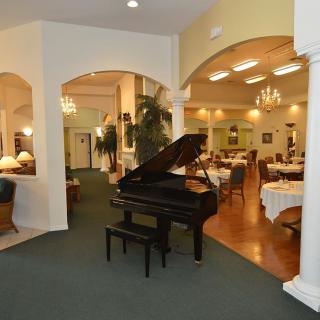
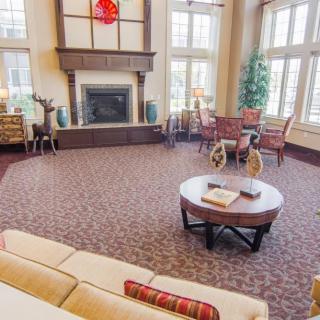
    The community offers numerous amenities to enhance the quality of life for its residents. There are various activities available on-site to engage and entertain residents, ensuring they have a fulfilling social life. Additionally, the community provides air-conditioned living spaces and wheelchair-accessible showers for maximum comfort and convenience. Residents can enjoy spending time in the indoor common areas or take advantage of the pleasant outdoor common areas.

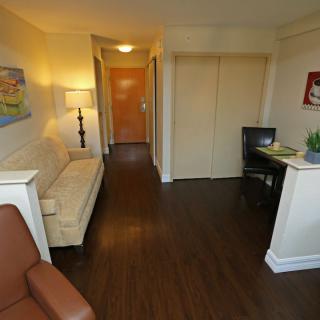
    The private accommodations feature private bathrooms, allowing residents to maintain their privacy while receiving the necessary assistance they require. The facility also offers respite or short-term stays for individuals who need temporary care. Wi-Fi/high-speed internet is readily available throughout the community, enabling residents to stay connected with loved ones.

    The professional staff at Gray-Leslie Rowena Adult Family Care Home is dedicated to meeting the specific needs of those with diabetes, high acuity conditions, incontinence issues, and medication management requirements. They prioritize providing compassionate care that ensures each resident's well-being.

    Dining at this assisted living community is truly exceptional, with a variety of dietary options available. Residents can enjoy delicious meals prepared by skilled chefs who cater to different dietary restrictions including gluten-free, kosher, low/no sodium diets as well as vegan and vegetarian preferences. The restaurant-style dining experience enhances social interactions during mealtime.

    Engaging activities are a key component of life at Gray-Leslie Rowena Adult Family Care Home. Residents can participate in brain fitness exercises to keep their minds sharp or join day trips and outings for exciting adventures outside the community. Devotional activities are offered both on-site and off-site to cater to the spiritual needs of residents. Live musical performances add joyous entertainment, while stretching classes and yoga promote physical health. Residents can also enjoy friendly competitions such as trivia games and Wii bowling.

    The community benefits from its convenient location, with several parks, pharmacies, physicians, restaurants, and hospitals nearby. Transportation services are available to help residents easily access these amenities and medical facilities.

    Overall, Gray-Leslie Rowena Adult Family Care Home provides a warm and supportive environment for seniors in need of memory care. With exceptional amenities, specialized care services, delicious dining options, and a variety of engaging activities, this assisted living community strives to enhance the lives of its residents while ensuring their safety and well-being.

    Nearby Places of Interest

    Restaurants

    • Yalaha Bakery (1 miles)
    • McDonald's (2.6 miles)
    • Oakwood Smoke House & Grill (2.8 miles)
    • Perkins Restaurant and Bakery (2.8 miles)
    • Hardee's (5.2 miles)
    • East Wok (5.7 miles)
    • Popeyes Louisiana Kitchen (5.7 miles)

    Physicians

    • To Your Health of Lake County (2.2 miles)
    • Central Florida Medical Care (3.8 miles)
    • Dr Bindoo Narain Pediatrics (4.6 miles)
    • St Francis Primary Care Clinic (4.6 miles)
    • Total Eye Care Center (4.6 miles)
    • Syed Asma MD (4.6 miles)
    • David C Lew (4.6 miles)

    Pharmacies

    • Walgreens (2.6 miles)
    • Winn-Dixie (2.8 miles)
    • Adonai Pharmacy (4.6 miles)
    • Starx Pharmacy (4.7 miles)
    • Walgreens (5.2 miles)
    • Burry's Pharmacy (5.6 miles)
    • Walmart Pharmacy (5.9 miles)

    Transportation

    • U-Haul Moving & Storage (3.5 miles)

    Hospitals

    • Jackson Hospital & Clinic (4.6 miles)
    • UF Health Leesburg Hospital (4.8 miles)
    • Leesburg Regional Medical Center (4.8 miles)
    • Wound Care & Hyperbaric Center (4.9 miles)
    • Leesburg Rehabilitation Hospital (5.6 miles)
    • Lrmc Nursing Center (5.6 miles)
    • Lrmc Riverside Urgent Care Center (6.3 miles)

    Parks

    • Venetian Gardens Swimming Pool (4.9 miles)
    • Lake Idamere Park (5.2 miles)

    Cafes

    • Starbucks (6.1 miles)

    Theaters

    • AMC Lake Square 12 (6.3 miles)

    Frequently Asked Questions

    How much does it cost to live at Gray-Leslie Rowena Adult Family Care Home in Yalaha, FL?
    Where is Gray-Leslie Rowena Adult Family Care Home?
    Does Gray-Leslie Rowena Adult Family Care Home provide care for residents with dementia or Alzheimer's disease?
    Does Gray-Leslie Rowena Adult Family Care Home allow residents to have pets?

    Nearby Communities

    • Highland Lakes

      Highland Lakes

      Leesburg, FL


      pro Intimate, small-community with personalized care, meal service, medication management, and Wi-Fi.

    • Legacy of Leesburg

      Legacy of Leesburg

      Leesburg, FL

      4.6 from 12 reviews
       

      pro Single-family homes with privacy, a well-maintained environment, and accommodating staff.

    • Pringle Development

      Pringle Development

      Leesburg, FL

      3.1 from 38 reviews
       

      pro Independent living with on-site dining, activities, indoor common areas, and nearby healthcare resources.

    • Plantation At Leesburg

      Plantation At Leesburg

      Leesburg, FL

       
      $3,180 / month

      pro Affordable private-room price with nearby pharmacies, doctors, and dining.

    • Spanish Village

      Spanish Village

      Leesburg, FL


      pro Diabetic care with meals and on-site activities.

    • Arlington Ridge

      Arlington Ridge

      Leesburg, FL


      pro Convenient location near parks, pharmacies, restaurants, physicians, and a hospital.

    • Vista Lake

      Vista Lake

      Leesburg, FL

      4.3 from 109 reviews
      $1,750 to $3,200 / month

      pro Clean, welcoming environment with attentive staff and engaging activities.

    • The Gardens at Tavares

      The Gardens at Tavares

      Tavares, FL

      3 from 5 reviews
      $2,500 / month

      pro Six-year residency with engaged management.

    • Regency Park

      Regency Park

      Eustis, FL

      4.4 from 69 reviews
      $2,750 to $3,550 / month

      pro Friendly staff, spacious rooms, and engaging activities.

    Related Resources

    • dementia careA Holistic Dementia Care Guide: Effective Strategies for Memory Support

      The guide on holistic dementia care outlines the complexity of dementia and stresses the need for individualized caregiver strategies that include medical treatment, psychological support, and environmental adaptations, while emphasizing early detection, various therapeutic options, and caregiver support to enhance quality of life and maintain dignity.

    • dementia careMemory Care Pathways: A Holistic Guide to Dementia Support

      "Memory Care Pathways: A Holistic Guide to Dementia Support" outlines the complexities of dementia and its various types, emphasizing early detection, patient-centered care strategies, caregiver support, and long-term care options while addressing legal and financial considerations to enhance the quality of life for individuals with dementia and their families.

    • sundown syndromeComprehending Evening Confusion in Dementia: Causes, Manifestations, and Support

      Sundown syndrome, or sundowning, is a phenomenon in dementia patients characterized by increased confusion and agitation during late afternoon and evening, influenced by factors like disrupted circadian rhythms and fatigue. Effective caregiver strategies include establishing routines and managing environmental light while addressing caregiver stress through support services.


    Get Pricing Ask A Question Schedule A Tour Contact Senior Advisor