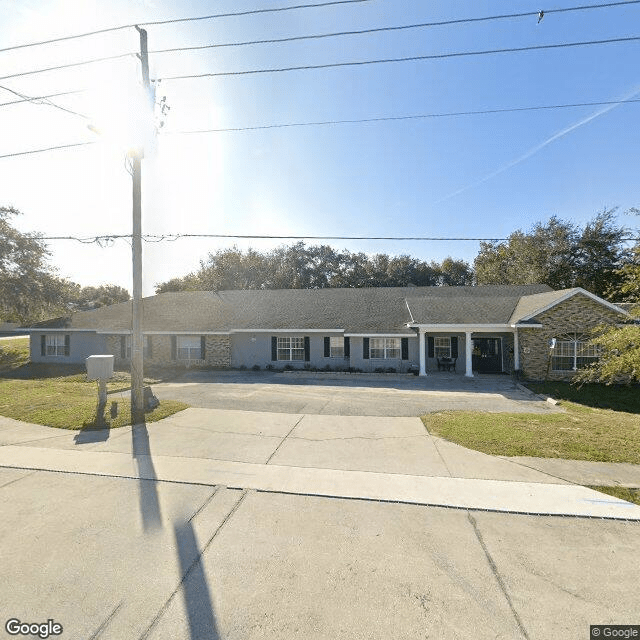
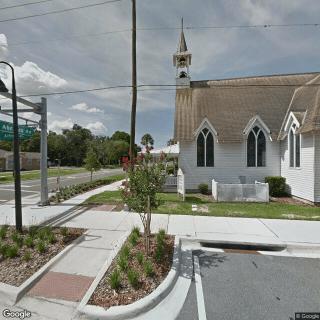
900 East Alfred St, Tavares, FL 32778
To contact a resident: (325) 609-2704
For more information about senior living options: (866) 208-4318
The Gardens at Tavares Costs & Pricing
The Gardens at Tavares offers a competitive monthly rate of $2,500 for semi-private accommodations, which stands out favorably when compared to the average costs in Lake County at $3,119 and the broader state average of $3,009. This pricing positions The Gardens as an attractive option for those seeking quality senior living without exceeding their budget. With a focus on providing a supportive environment, residents benefit not only from affordable pricing but also from the range of services and amenities designed to enhance their quality of life.
| Floor plans | The Gardens at Tavares | Lake County | Florida |
|---|---|---|---|
| Semi-Private | $2,500 | $3,119 | $3,009 |
Assisted Living communities with a similar price nearby
-
from -$300 / mo
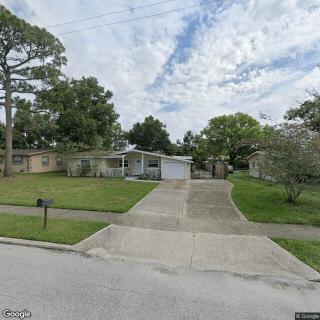
Oasis National Assisted Living Facility
$2,200 to $2,600 / month14.6 miles away -
from -$105 / mo
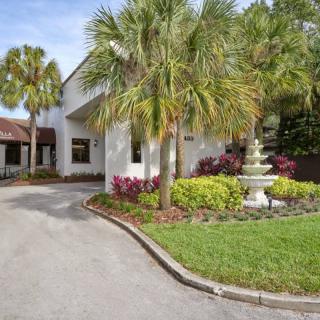
Grand Villa of Altamonte Springs
$2,395 to $3,895 / month23.0 miles away -
from +$200 / mo

Waterman Village
$2,700 to $6,600 / month4.6 miles away -
from +$400 / mo

Oakmonte Village Of Lake Mary
$2,900 to $4,200 / month21.6 miles away -
from +$195 / mo

Vitality Living Lake Forest
$2,695 to $4,795 / month22.0 miles away
Overall Review of The Gardens at Tavares
Pros
 The Gardens at Tavares is clean and well staffed.
- Family members are well cared for, loved, and happy there.
- The staff are helpful and kind and take the time to truly know the families.
- The Gardens at Tavares is highly recommended.
- Families are happy they chose The Gardens at Tavares.
- The staff are wonderful.
- The staff are caring and friendly.
Cons
 They cannot use their TVs; something is blocking their signals.
- This is UNACCEPTABLE!
- The owner Kelly and the director Pam won't take or return their calls.
- It's bad enough a family quilt they made for her can't be found.
- This is totally unacceptable and unprofessional.
- They happily accepted the monthly money they sent and now it’s like their aunt didn’t exist.
- They have received nothing in response to requests for personal belongings.
- Think twice about using The Gardens at Tavares if you live out of state.
Review
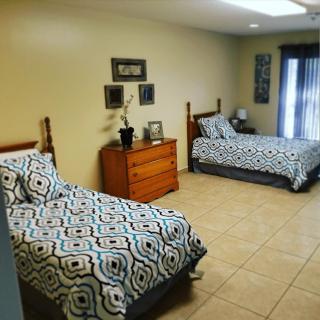
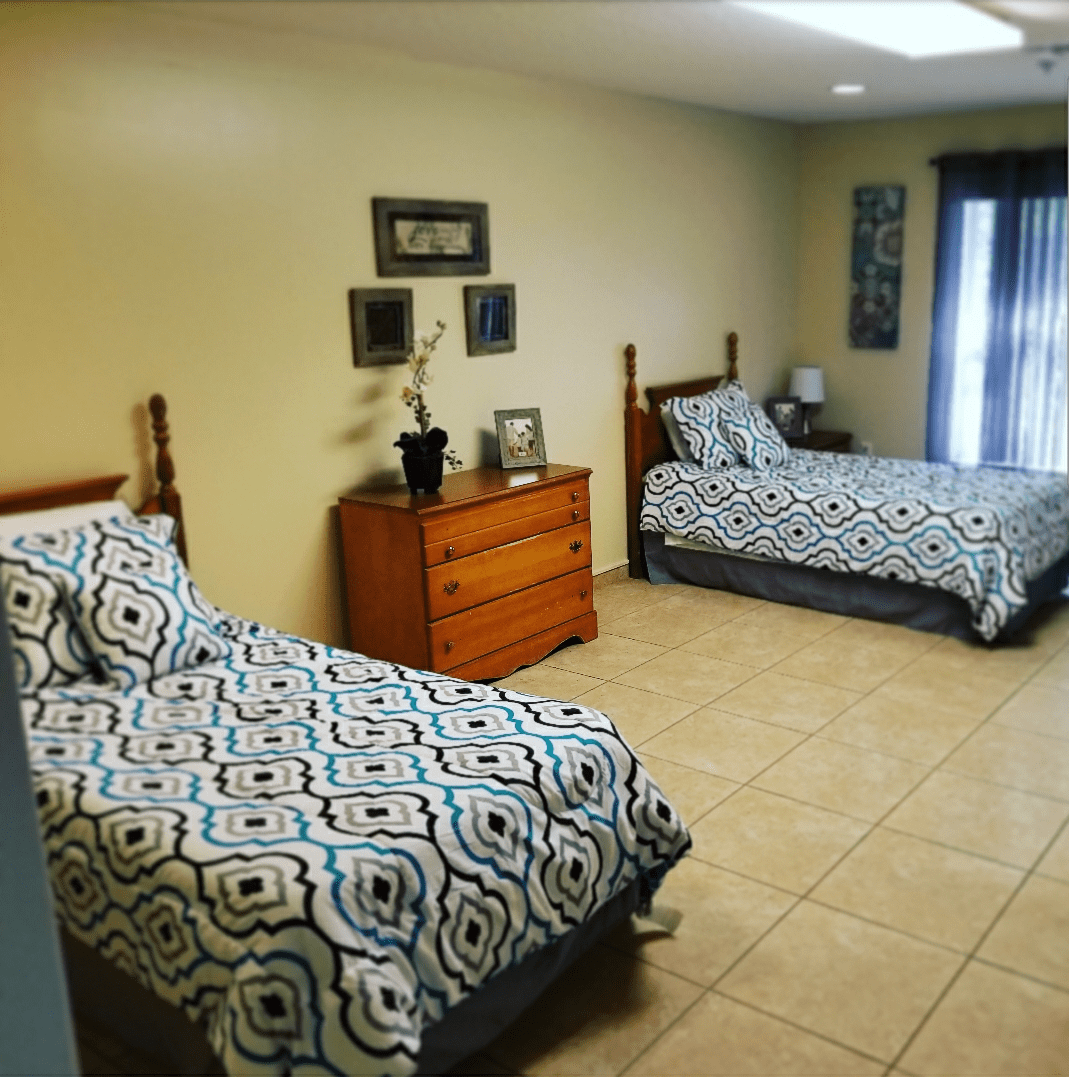
The Gardens at Tavares is best suited for families seeking a small, intimate setting where staff genuinely knows residents and families, and where cleanliness and daily warmth are readily evident. The 36-bed footprint translates into a home-like atmosphere in which caregivers across roles are described as patient, kind, and hands-on. This environment appeals to seniors who thrive on predictable routines, one-on-one attention, and a sense of community rather than a high-energy campus feel. It rewards families who want to cultivate a close, ongoing relationship with the caregivers and want to see visible affection and attentiveness in day-to-day care. The emphasis on being well-staffed and clean isn’t incidental; it underpins day-to-day satisfaction even when other aspects fall short.
The strongest, most dependable pro is the care staff itself. Reviewers consistently underscore warmth, approachability, and a readiness to engage with families beyond the usual duties. The facility earns praise for cleanliness and a sense that residents are well cared for and valued. When staff members across positions take the time to know individual residents and families, that personalized attention can deliver meaningful peace of mind for relatives who cannot be on site every day. In a setting this small, those personal interactions matter as much as any formal service, and they show up in daily experiences, the way staff remember stories, preferences, and routines, and how promptly concerns are acknowledged when voiced.
At the same time, potential residents should weigh tangible operational gaps against those solid caregiving strengths. A recurring negative thread centers on maintenance and administrative reliability. One review highlights a prolonged TV outage spanning almost two weeks, described as unacceptable because residents pay for the privacy and convenience of in-room entertainment. While this kind of issue may seem minor, it signals how quickly a service failure can erode comfort in a setting that hinges on consistent, predictable routines. Another critique focuses on administrative accountability: a family contends with delayed or incomplete handling of personal belongings and refunds after a relative’s death, with claims that calls go unanswered and items or reimbursements fail to arrive. In short, when the switchboard between families and management breaks down, trust frays at the very core of assisted living choices.
These pros and cons do not cancel each other out; they tend to offset in proportion to what families most value. The Gardens’ intimate scale and visible staff camaraderie can compensate for a great deal of administrative variability if trust is sustained through ongoing, transparent communication. However, when administrative lapses become a pattern, missed or delayed repairs, accusations of unresponsiveness, and unresolved post-death logistics, the very advantages of a close-knit community can feel hollow. For families, the decision hinges on whether the warmth and cleanliness will persist even as operational hiccups occur, and whether management will demonstrate steady, accountable follow-through when problems arise.
This facility is particularly risky for residents whose families require reliable, front-to-back governance and clear, written policies on property, refunds, and aftercare. The small size and strong personal rapport can work beautifully for those who value a sense of family ties with caregivers, but it can also magnify the impact of leadership gaps. Families living out of state should carefully assess how communications are handled and whether someone local can coordinate and monitor ongoing needs. Prospective residents who want a broader set of programming, more formalized complaint resolution, or a more hands-off administrative footprint may find alternatives more comforting. Larger communities with stepped-up maintenance response, formal property-handling procedures, and demonstrated continuity in leadership could provide the steadier experience some seek.
The practical takeaway is clear. The Gardens at Tavares delivers genuine warmth, attentive staffing, and a clean, home-like environment that can support meaningful daily living for residents who thrive on personal connection and simplicity. Yet the most consequential drawbacks, delayed repairs such as the TV outage and troubling reports of unreturned belongings or refunds, coupled with scarce visibility into leadership responsiveness, give families a concrete checklist to address before move-in. Prospective residents should request a candid tour of the facility’s maintenance and IT processes, ask for concrete timelines on repairs, and request written policies on personal property handling, post-death procedures, and refund practices. If management demonstrates a proactive, transparent stance and can show consistent, timely follow-through, the positive human elements may justify the choice. If not, alternatives with more robust administrative discipline and predictable operations are worth pursuing.
 36 resident community capacity
 Assisted Living
 Activities on-site
 Beauty salon
 Cable or satellite TV
 Devotional services off-site
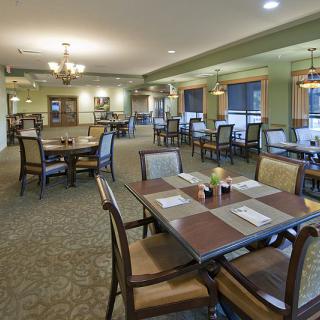
 Dining room
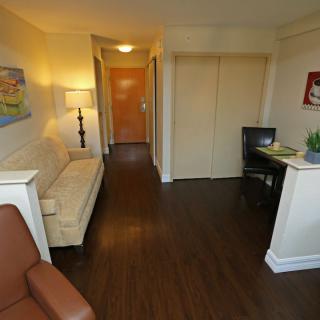
 Fully furnished
 Garden
 Ground floor units
 Housekeeping services
 Indoor common areas
 Kitchenette
 Move-in coordination
 Outdoor common areas
 Respite or short term stays offered
 Restaurant-style dining
 Small library
 Telephone
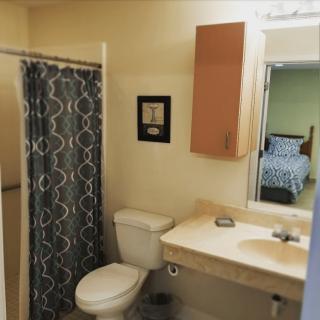
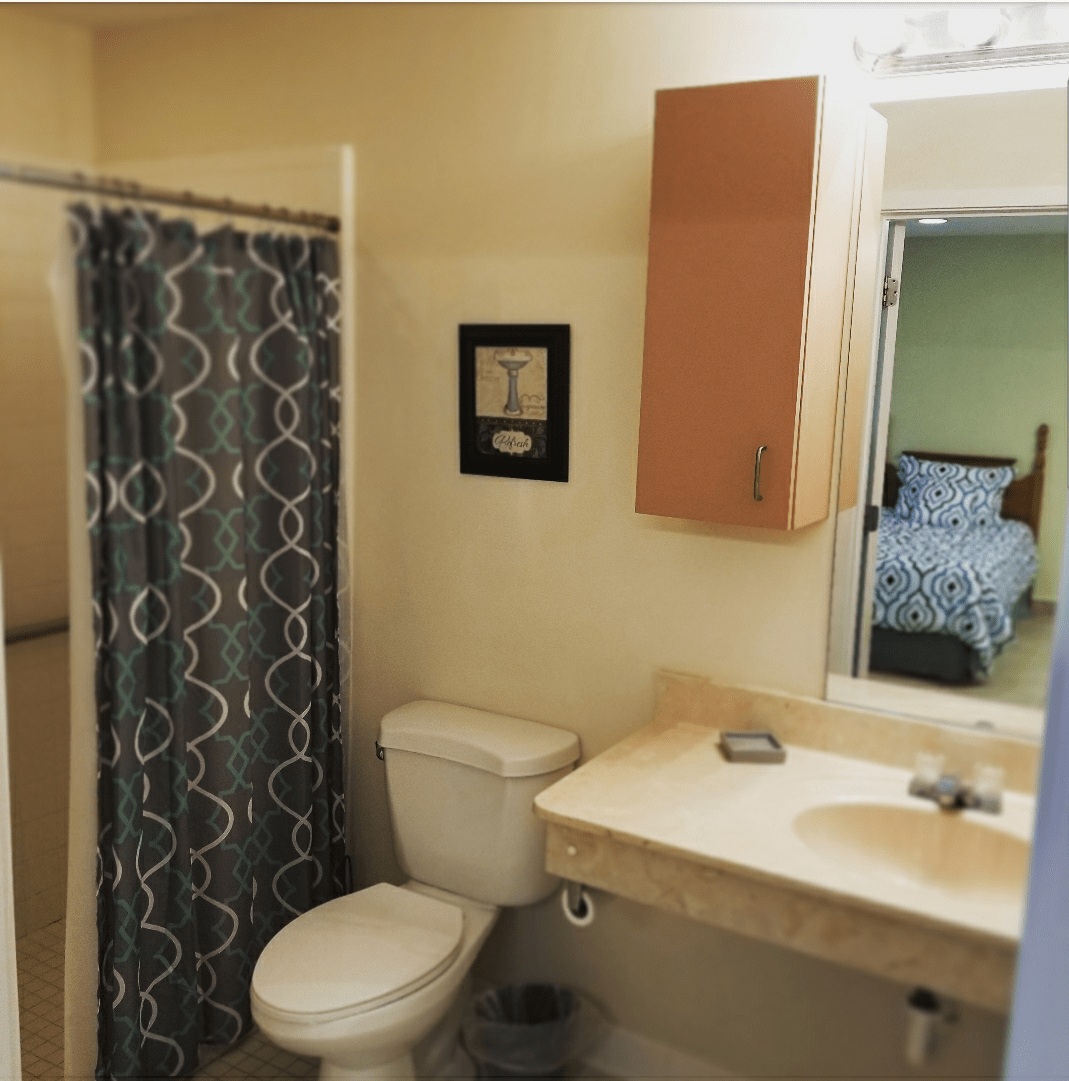
 Wheelchair accessible showers
 Wi-Fi/high-speed internet available
 24-hour call system
 Ambulatory care
 Assistance with bathing
 Assistance with dressing
 Assistance with transfers
 Diabetes diet
 Diabetic care
 Incontinence care
 Medication management
 Mental wellness program
 Special dietary restrictions
 Art classes
 Birthday parties
 Brain fitness
 Catholic services
 Karaoke
 Yoga / chair yoga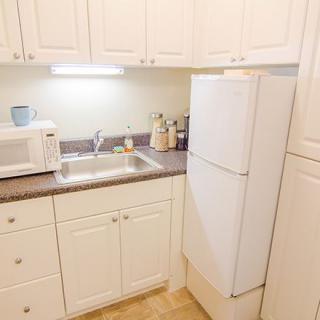



 Medicare Coverage for Assisted Living: An In-Depth Exploration
 Choosing the Right Senior Care: A Detailed Exploration of Assisted Living and Nursing Homes
 Understanding the True Cost of Assisted Living in 2025: A Comprehensive Guide