
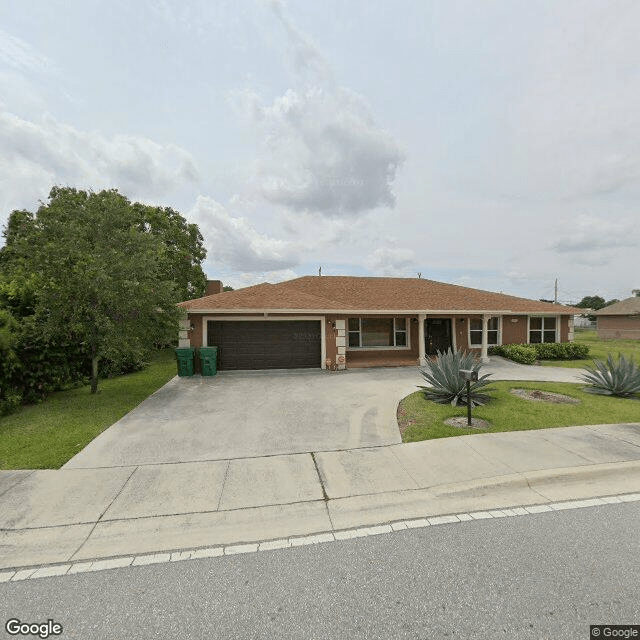
1397 W 35th St., West Palm Beach, FL 33404
To contact a resident: (561) 612-7265
For more information about senior living options: (866) 208-4318
Moore Care Assisted Living Facility #2 Costs & Pricing
At Moore Care Assisted Living Facility #2, the monthly cost for a studio room is $5,150. This rate is significantly higher than the average costs in Palm Beach County, which stands at $4,274, and even more so compared to the state average of $3,823. While these figures may suggest a premium pricing structure at Moore Care compared to its local and state counterparts, it's essential to consider the quality of care and range of services provided. The facility may offer exceptional amenities or personalized support that justifies its higher price point, making it an important option for families seeking superior assisted living experiences for their loved ones.
| Floor plans | Moore Care Assisted Living Facility #2 | Palm Beach County | Florida |
|---|---|---|---|
| Studio | $5,150 | $4,274 | $3,823 |
Memory care communities with a similar price nearby
-
from +$850 / mo
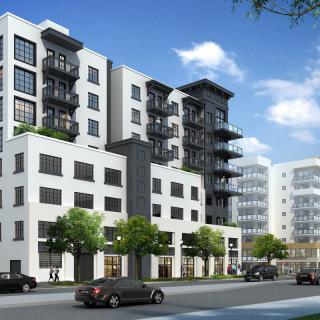
The Watermark at West Palm Beach
$6,000 to $7,600 / month5.9 miles away -
About the same

The Madyson at Palm Beach Gardens
$5,050 to $7,450 / month6.5 miles away -
from +$525 / mo
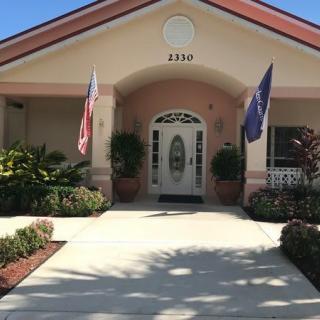
Arden Courts Of West Palm Beach
$5,675 to $6,375 / month4.2 miles away -
from -$850 / mo
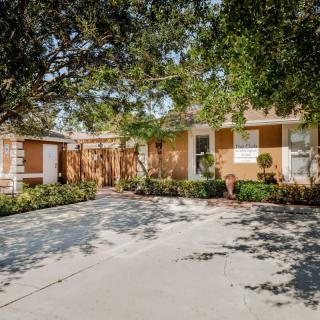
Wellington Elder Care 2
$4,300 to $4,700 / month14.8 miles away -
from -$650 / mo
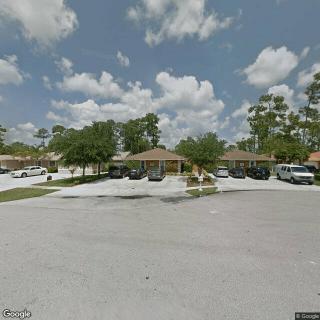
Wellington Elder Care I
$4,500 to $5,000 / month14.8 miles away
Overall Review of Moore Care Assisted Living Facility #2
Pros
 The facility was by far the cleanest among the options.
- Daily baths for residents set this facility apart.
- The owner is very accessible and strives to accommodate residents' needs.
- The owner remains professional, with disagreements resolved amicably.
- The staff are friendly and personable.
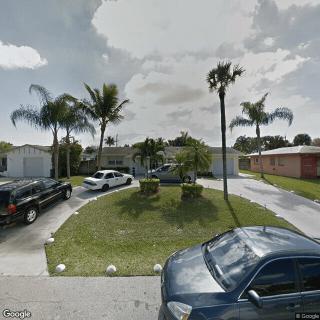
- The facility is a very attractive option and is well-maintained on a quiet street.
- The staff are attentive and do a wonderful job of taking care of residents.
- The owner is very knowledgeable, a registered nurse, and treats residents like family.
Cons
 They had a few disagreements with the owner, though these were resolved amicably.
- They acknowledged that no one wants to have to place their loved ones in a facility, even though life sometimes dictates it.
Review
Moore Care Assisted Living Facility #2 in West Palm Beach is best suited for families seeking a small, family-style memory care environment where cleanliness, daily personal care, and direct access to leadership are non-negotiables. It appeals to caregivers who want a residence that feels like home, with staff who know residents well, and management who shows up consistently. The RN-owner leads with visible pride, and families have reliable touchpoints for questions or concerns. The facility’s upkeep is a standout, always clean, orderly, and on a quiet street, which reduces agitation for residents and makes transitions easier for loved ones. For those who prioritize dignity, warm staffing, and hands-on oversight, this is a strong fit.
However, not every family will find this setting ideal. If a loved one requires a broader menu of clinical services, more expansive memory care programming, or a larger community with a busier activity calendar, alternative options may be warranted. Some families seek institutions with standardized protocols, multi-disciplinary care teams, or hospital-adjacent resources that can escalate care quickly. For those scenarios, it is prudent to compare Moore Care with facilities offering more formalized dementia programs or greater scale. The key is to match the care model to the resident’s current needs and the family’s comfort level with management strategies.
From the available feedback, the strongest positives center on cleanliness, daily personal care, and the leadership structure. Daily bathing is a concrete routine not always found elsewhere and signals attentive, consistent care. The owner’s accessibility and professional demeanor matter; families report issues being resolved amicably, and the RN background adds a layer of clinical reassurance that some smaller facilities lack. Staff are described as friendly and energetic, contributing to a home-like atmosphere where residents feel seen. In a setting where comfort and routine matter, these advantages create clear value and often translate into lower caregiver stress at home.
Location and atmosphere amplify the advantages. The facility is described as well-maintained and peaceful, which supports memory care needs by reducing overstimulation and disorientation. The quiet street contributes to predictable daily rhythms, while the overall cleanliness and comfort level provide a sense of security for families who cannot be present every hour. The owner’s pride in the establishment appears to permeate the operations, reinforcing consistent quality and a culture of respect for residents. For families prioritizing a calm, clean, and personally engaged environment, Moore Care offers a compelling match.
Practical steps help families validate these strengths against their specific situation. Schedule time to meet the owner and key staff, inquire about the daily schedule, and verify how memory-support activities are integrated into residents’ days. Ask about staffing ratios and how the leadership handles conflicts or care plan changes. Confirm that the level of medical oversight aligns with the loved one’s needs, including how quickly changes in condition are communicated and addressed. If the goal is a setting where leadership is directly involved, where cleanliness and routine are non-negotiable, and where staff treat residents like family, Moore Care stands up under scrutiny.
In the end, Moore Care Assisted Living Facility #2 is best regarded as a top-tier option for memory care when the priorities are a spotless environment, consistent daily hygiene, personalized attention, and a leadership team that can be reached easily. Its small-scale, family-oriented approach delivers what many families value most: trust, reassurance, and a sense that a loved one is living with dignity. Those who need more extensive clinical programming or a larger community should sensibly explore alternatives, but for families prioritizing hands-on care and a respectful, home-like setting, Moore Care is a decision you won’t regret.
 Board and Care Home
 Memory Care
 Cats allowed
 Dogs allowed
 Activities on-site
 Bath tubs
 Devotional services off-site
 Indoor common areas
 Respite or short term stays offered
 Wheelchair accessible showers
 Palm Beach International (8 miles away)
 Diabetic care
 Incontinence care
 Meals provided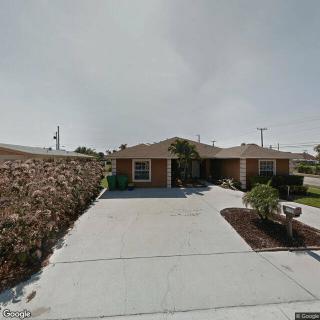


 When Dementia Sparks Anger and Aggression: Understanding the Connection and Ways to Cope
 Dementia Behaviors: In-Depth Understanding and Effective Coping Strategies
 5 Early Indicators of Dementia and What You Can Do