
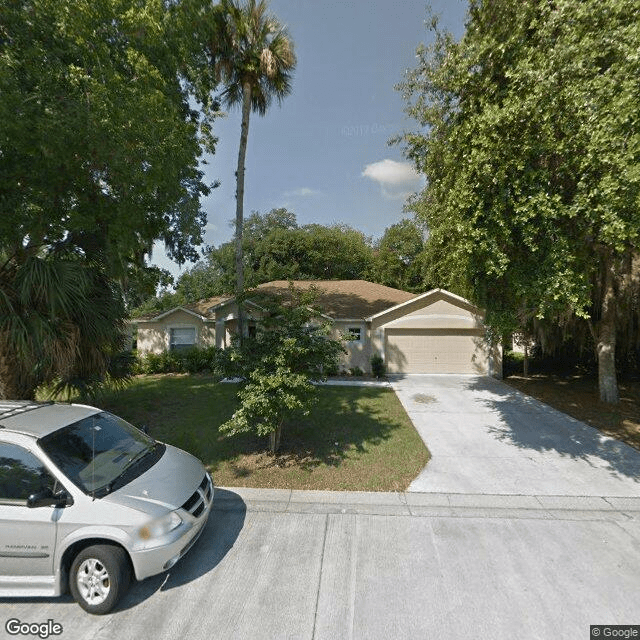
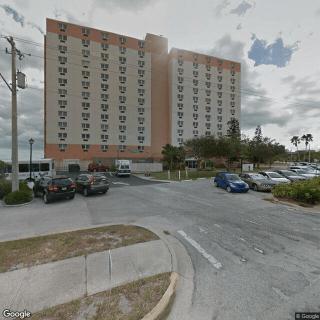
1346 Wilderness Lane, Titusville, FL 32796
To contact a resident: (321) 406-1577
For more information about senior living options: (866) 208-4318
Tranquility Haven LLC Costs & Pricing
At Tranquility Haven LLC, the monthly costs for care are thoughtfully positioned to provide exceptional value. For a semi-private room, residents can expect a fee of $3,000, which is slightly lower than the averages for both Brevard County at $3,027 and the broader state of Florida at $3,009. In contrast, our private rooms are offered at $3,500 - again demonstrating a competitive edge compared to Brevard County's average of $3,663 and the state's average of $3,699. These pricing structures reflect our commitment to delivering high-quality services while remaining accessible within the local and state markets.
| Floor plans | Tranquility Haven LLC | Brevard County | Florida |
|---|---|---|---|
| Semi-Private | $3,000 | $3,035 | $3,009 |
| Private | $3,500 | $3,672 | $3,699 |
Memory care communities with a similar price nearby
-
from -$500 / mo
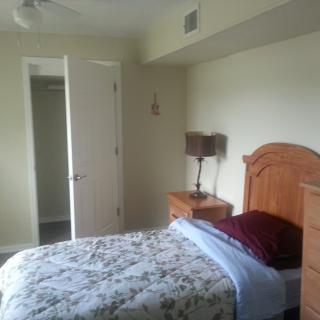
Living Southern Style Of Brevard
$2,500 to $3,500 / month20.6 miles away -
from +$200 / mo
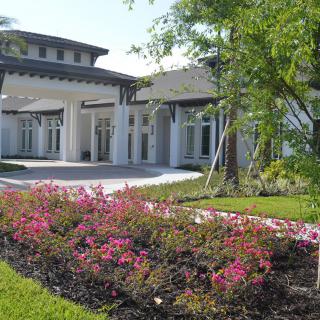
Alura Senior Living
$3,200 to $4,200 / month23.4 miles away -
from +$295 / mo

The Watermark At Vistawilla
$3,295 to $5,395 / month23.7 miles away -
from +$295 / mo
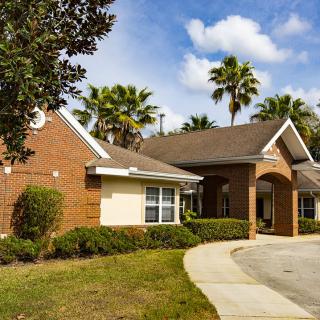
Savannah Court and Cottage Of Oviedo
$3,295 to $4,195 / month21.7 miles away -
from -$150 / mo
Solaris Rehab of Merritt Island
$2,850 to $4,350 / month18.8 miles away
Overall Review of Tranquility Haven LLC
Pros
 The staff at Tranquility Haven makes the mom’s transition as easy as possible for her and her family.
- They work closely with the mom, the therapy and home care teams, and the family to support recovery in an easy and rapid way.
- The reviewers wish the move had happened a year earlier, indicating strong satisfaction with the care.
- They have seen more improvement in six weeks than in the previous six months.
- The staff aren’t just there to do a job; they genuinely care about the mom and her family.
- Among the suggested venues, Tranquility Haven was the best choice.
- The home where the mom resides is clean and fresh, and the staff appear competent and friendly.
- A Place for Mom’s no-cost advisory services helped save time in selecting a pleasant location for someone no longer able to choose for herself.
Cons
 Some of the suggested venues were not places the reviewer would want to stay themselves.
- They wished they had moved her there a year ago.
Review
Tranquility Haven LLC in Titusville is best suited for families seeking rapid post-acute recovery with hands-on therapy coordination and caregiver support. This community excels when a senior’s discharge plan hinges on seamless collaboration among rehab therapists, home-care providers, and family, with an emphasis on making the transition as smooth as possible. It is especially compelling for families whose priority is measurable improvement within weeks, backed by a team that treats the resident and the family as a unit rather than a checklist. For seniors who recently left hospital care and require structured therapy, daily check-ins, and a clean, orderly living environment, Tranquility Haven offers a credible path to meaningful recovery.
That clarity of fit does not erase the need to consider alternatives. Cost-conscious families may find other venues with lower monthly rates, though those options often come with trade-offs in care quality or the consistency of staff engagement. Likewise, if long-term memory care, advanced medical oversight, or a broader spectrum of independent-living amenities is the goal, different facilities may better align with those needs. In short, the strongest case for Tranquility Haven rests on acute-care momentum and a highly involved care team; for families prioritizing affordability or memory-care specialization, alternatives deserve serious evaluation.
The core strengths translate into real, tangible benefits that can outsize potential drawbacks. Proactive staff engagement, especially in coordinating therapy and home care with family input, creates a cohesive care arc that accelerates recovery. Residents benefit from a clean, fresh living environment and from personnel who come across as competent and genuinely attentive rather than merely completing tasks. The most striking outcomes are not just clinical progress but the confidence that comes with a well-orchestrated plan and a team that communicates openly with family members. When the aim is a faster return to independence or a safer transition back home, these elements matter far more than glossy marketing.
Several reviewers underscore the human side of the operation. Linda and Debbie, highlighted repeatedly, embody a level of involvement where staff do more than “not drop the ball.” They actively align therapy with home care and keep families informed, reducing the stress that accompanies a senior’s transition. Reviews describe improvements in a six-week window that eclipsed months of effort elsewhere, and the sentiment that the facility is a place where care extends to the family as well as the resident. The home environment is described as clean and welcoming, with personnel who appear not only competent but thoughtfully engaged in the resident’s day-to-day well-being. Such experiences are not incidental; they are the product of a deliberate, people-first approach.
When evaluating a path forward, treat Tranquility Haven as a practical choice for recovery-focused care rather than a catch-all solution. Start by confirming the specific rehab services offered, the cadence of therapy, and how the transition plan is customized to the resident’s goals. Clarify what is included in the monthly rate versus what incurs extra charges, and ask how home-care coordination is managed if responsibilities shift after the initial weeks. Also inquire about the scope of medical oversight on site and whether memory-care or long-term accommodations can be layered in later if needed. Tap the “A Place for Mom” guidance with a grain of salt, it's a helpful starting point, but direct, in-person assessments will reveal true fit.
In the end, Tranquility Haven stands out for families prioritizing immediate impact, compassionate care, and a tightly knit care team that treats the transition as a shared project. It earns its five-star impression by delivering faster, cleaner, more coordinated rehab than many competing options and by making families feel supported rather than sidelined. For those whose calculus weighs affordability first or requires specialized memory-care pathways, alternatives should be explored in parallel. A disciplined tour, direct conversations with Linda and Debbie, and careful pricing clarity will reveal whether this community is the optimal choice for turning a difficult health transition into a clearly navigable, hopeful one.
 Board and Care Home
 Memory Care
 Activities off-site
 Devotional services off-site
 Indoor common areas
 Outdoor common areas
 Private
 Private bathrooms
 Respite or short term stays offered
 Swimming pool / hot tub
 Ambulatory care
 High acuity care
 Incontinence care
 Medication management
 Kosher

 Dementia, Paranoia, and Caregiver Guidance: Understanding the Connection
 Engaging Memory Care Activities That Enhance Quality of Life
 When to Transition from Assisted Living to Memory Care: Key Indicators, Steps, and Finding the Right Community