Caregivers Touch ALF offers competitive rates for its services, particularly when compared to the broader costs of assisted living in both Hillsborough County and the state of Florida. For a semi-private room, Caregivers Touch ALF charges $2,000 per month, which is significantly lower than the county average of $3,096 and the state average of $3,009. Similarly, their private rooms are priced at $3,000 per month, offering a cost-effective alternative to Hillsborough County's average of $3,384 and Florida's statewide average of $3,699. This pricing structure not only highlights Caregivers Touch ALF's commitment to affordability but also reflects their dedication to providing quality care while remaining accessible to families seeking assistance for their loved ones.
Floor plans
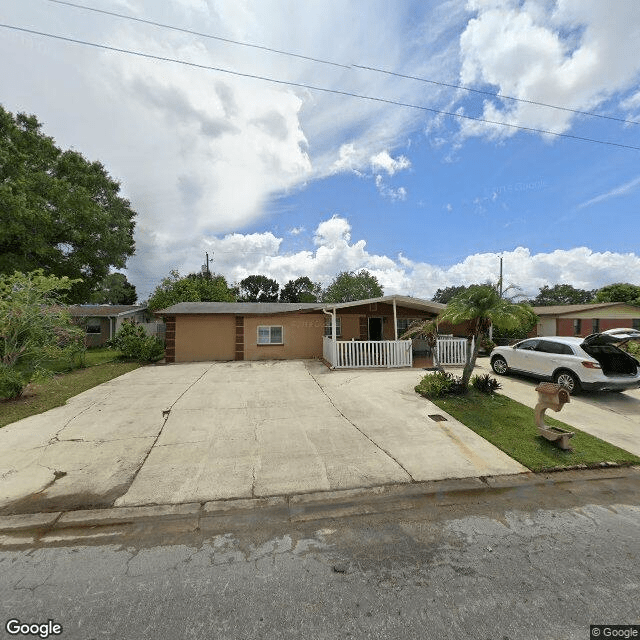
Caregivers Touch ALF
Hillsborough County
Florida
Semi-Private
$2,000
$3,096
$3,009
Private
$3,000
$3,384
$3,699
Memory care communities with a similar price nearby
Residents describe caregivers who are consistently compassionate and patient.
Across the reviews, families repeatedly describe the caregivers as kind, patient, and focused on comfort and dignity. People mention that their loved ones felt at ease with assigned caregivers, and several say the caregivers provided day-to-day support with attention to needs. Office staff are also described as supportive during the process, including when families needed help coordinating care.
differentiator3 reviews mention this
Memory support is a clear focus
Families seeking dementia support describe a strong fit for memory-related needs.
Multiple reviewers mention dementia in their loved one’s situation and describe that the agency helped them find a caregiver match. One family talks about pairing for a dementia diagnosis and ongoing changes to care needs, while others highlight the caregiver’s patience and sensitivity for memory-related support. This aligns with the community’s stated memory-care positioning.
common2 reviews mention this
Cleanliness and professionalism are noted
Reviews note a professional, clean approach from caregivers.
Two reviewers specifically call out cleanliness and professionalism in the care provided. They describe caregivers who were efficient and delivered tasks in a respectful, well-kept way. When combined with other mentions of attentive care, cleanliness appears as a supporting detail rather than the only highlight.
How we summarize
Counts show how many written reviews mention each theme; a review can touch several themes, and only frequently mentioned themes are displayed.
Features
Types of Care
Board and Care Home
Memory Care
Pets
Cats allowed
Dogs allowed
Amenities
Activities off-site
Activities on-site
Beautician on-site
Devotional services off-site
Indoor common areas
Outdoor common areas
Private
Respite or short term stays offered
Wheelchair accessible showers
Transportation
Tampa International (2 miles away)
St. Petersburg-Clearwater International (12 miles away)
Care Services
Ambulatory care
Diabetic care
Incontinence care
Dining
Meals provided
Vegetarian
Activities
Activities off-site
Activities on-site
Devotional activities offsite
Nearby Places of Interest
Located in Tampa, Florida, this area offers a range of amenities and conveniences that cater to seniors looking for a comfortable and convenient living environment. With multiple pharmacies nearby such as Walgreens and CVS Pharmacy, access to healthcare services is readily available. In addition, proximity to hospitals like Florida Hospital Carrollwood ensures easy access to medical care when needed. For recreation and leisure, residents can enjoy dining options at restaurants like Chick-Fil-A or The Cheesecake Factory, catch a movie at AMC Veterans 24 theater, or relax at nearby parks such as Rivercrest Park or Beach Park. Places of worship like Vishnu Mandir and St Paul Catholic Church provide spiritual opportunities for seniors seeking community connections. Overall, this neighborhood offers a well-rounded mix of services and activities that make it an attractive option for senior living in Tampa.
Pharmacies
Walgreens (0.7 miles)
CVS Pharmacy (1.2 miles)
CVS Pharmacy (2.4 miles)
Walgreens (2.4 miles)
CVS Pharmacy (2.4 miles)
Walgreens (2.9 miles)
Winn-Dixie (2.9 miles)
Transportation
Starbuck's Airside E (1.4 miles)
Main Terminal Tpa Tampa (1.7 miles)
American Airlines Ticket Counter (1.7 miles)
Tampa International Airport (TPA) (1.7 miles)
TSA Screening (1.8 miles)
Airside A (1.8 miles)
Airside F (1.9 miles)
Hospitals
Florida Hospital Carrollwood (1.4 miles)
Tampa Community Hospital (3.1 miles)
Restaurants
El Coqui Bakery (1.7 miles)
Village Inn (2.2 miles)
Chick-Fil-A (2.3 miles)
The Cheesecake Factory (2.4 miles)
Burger King (2.7 miles)
McDonald's (2.9 miles)
McDonald's (3.1 miles)
Cafes
Panera Bread (2 miles)
Starbucks (3.1 miles)
Starbucks (4.2 miles)
Caffeine Roasters (4.6 miles)
King State (4.7 miles)
Buddy Brew Coffee (4.7 miles)
Starbucks (4.9 miles)
Physicians
Tampa Bay Cardi Ovascular (2.2 miles)
Tower Radiology Centers - Habana (2.4 miles)
Moffitt Cancer Center at International Plaza (2.4 miles)
Caregivers Touch ALF offers competitive rates for its services, particularly when compared to the broader costs of assisted living in both Hillsborough County and the state of Florida. For a semi-private room, Caregivers Touch ALF charges $2,000 per month, which is significantly lower than the county average of $3,096 and the state average of $3,009. Similarly, their private rooms are priced at $3,000 per month, offering a cost-effective alternative to Hillsborough County's average of $3,384 and Florida's statewide average of $3,699. This pricing structure not only highlights Caregivers Touch ALF's commitment to affordability but also reflects their dedication to providing quality care while remaining accessible to families seeking assistance for their loved ones.
Incontinence care is a critical feature of caregiving for residents with dementia or Alzheimer's disease, as it addresses one of the common challenges associated with cognitive decline. Effective incontinence care not only promotes physical comfort and hygiene but also supports the emotional well-being of residents by reducing anxiety and embarrassment related to accidents. By providing personalized care that respects each individual's dignity and privacy, caregivers can help maintain a sense of normalcy and self-esteem among residents. Additionally, routine assessments ensure that appropriate products and interventions are employed, allowing for quick responsiveness to changing needs. This comprehensive approach enhances overall quality of life while fostering trust and rapport between caregivers and residents.
Assisted living provides moderate support for seniors seeking independence, while memory care offers specialized support for individuals with dementia or cognitive impairments through structured routines and trained staff. Key differences include care approaches, environment security measures, staff training levels, activity types, and cost considerations.
Choosing between assisted living and nursing homes involves evaluating emotional and financial factors, with assisted living offering independence and support for daily activities at a lower cost, while nursing homes provide intensive medical care for individuals with significant health needs. The decision is influenced by personal preferences, health status, cognitive function, and varying Medicaid coverage across states.
The article presents eight strategies for preserving cognitive health and memory in older adults, emphasizing a nutrient-rich diet, regular exercise, intellectually stimulating activities, adequate sleep, social connections, stress management techniques, limiting harmful substances, and regular medical checkups to mitigate age-related memory decline.
Get PricingAsk A QuestionSchedule A TourContact Senior Advisor
By clicking submit, you agree to our Partner's Terms of Use. You
also consent to receive calls and texts, which may be autodialed, from our Partner. Your consent is not a condition to
using our Partner's service. Please visit our Partner's Privacy Policy for information about their privacy practices.

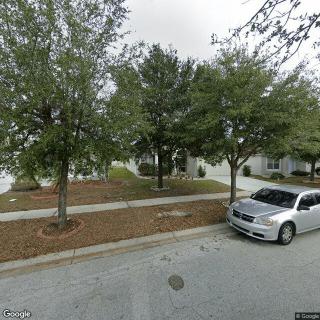
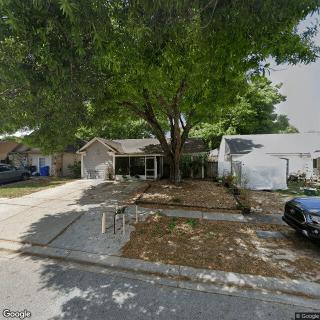
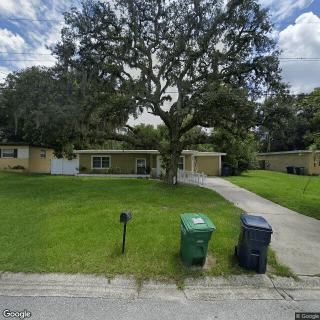
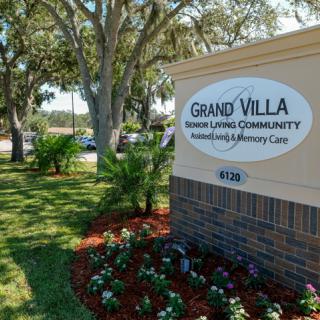
 Board and Care Home
 Memory Care
 Cats allowed
 Dogs allowed
 Activities off-site
 Beautician on-site
 Devotional services off-site
 Indoor common areas
 Outdoor common areas
 Private
 Respite or short term stays offered
 Wheelchair accessible showers
 Tampa International (2 miles away)
 Ambulatory care
 Diabetic care
 Incontinence care
 Meals provided
 Small, intimate setting with personalized care and meals.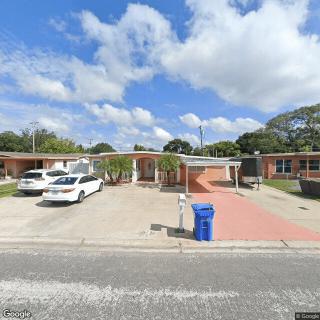
 Assisted Living and Memory Care: Understanding Their Core Differences
 Choosing the Right Senior Care: A Detailed Exploration of Assisted Living and Nursing Homes
 Safeguarding Your Memory Through the Golden Years: Eight Ways to Preserve Cognitive Health