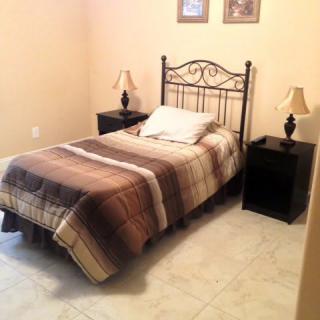
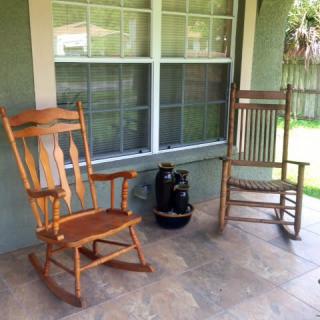
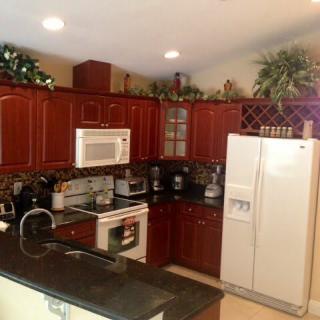

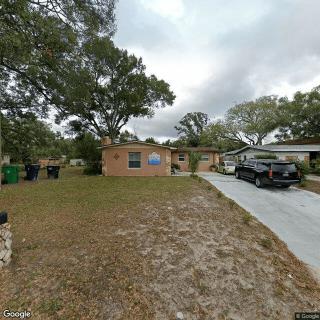
804 W. Yukon Street, Tampa, FL 33614
To contact a resident: (813) 644-4833
For more information about senior living options: (866) 208-4318
Bella Rose ALF Costs & Pricing
Bella Rose ALF offers competitive pricing for assisted living accommodations compared to the broader market in Hillsborough County and throughout Florida. For a semi-private room, residents will find that Bella Rose ALF charges $2,000 per month, significantly lower than the county average of $3,096 and the state average of $3,009. Similarly, both private rooms and one-bedroom units at Bella Rose are priced at $2,500 each - considerably more affordable than the county's average of $3,384 for private rooms and $3,786 for one-bedroom apartments. This pricing structure positions Bella Rose ALF as an attractive option for families seeking quality care without the financial burden typically associated with assisted living facilities in the region.
| Floor plans | Bella Rose ALF | Hillsborough County | Florida |
|---|---|---|---|
| Semi-Private | $2,000 | $3,096 | $3,009 |
| Private | $2,500 | $3,384 | $3,699 |
| 1 Bedroom | $2,500 | $3,786 | $3,864 |
Memory care communities with a similar price nearby
-
About the same
Caregivers Touch ALF
$2,000 to $3,000 / month3.9 miles away -
from +$200 / mo
Dorothy Cares Assisted Living Facility
$2,200 to $3,300 / month19.3 miles away -
About the same
Elderly Pride Assisted Living
$2,000 to $2,500 / month14.6 miles away -
About the same
Assisted Living Facility Morning Dew
$2,000 to $2,500 / month3.2 miles away -
from -$105 / mo
Grand Villa of New Port Richey
$1,895 to $3,595 / month21.0 miles away
Overall Review of Bella Rose ALF
Pros
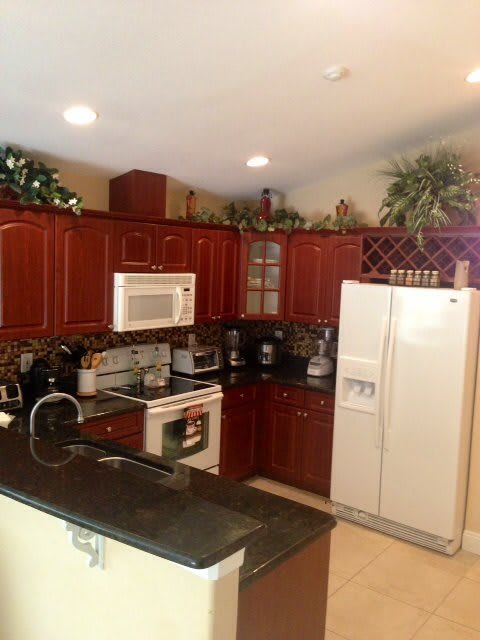
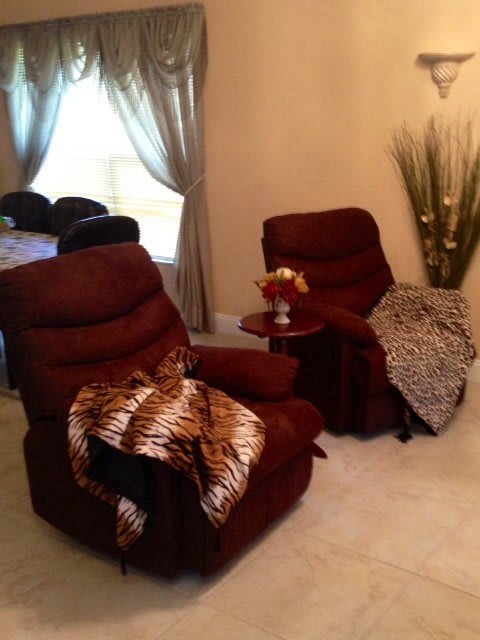
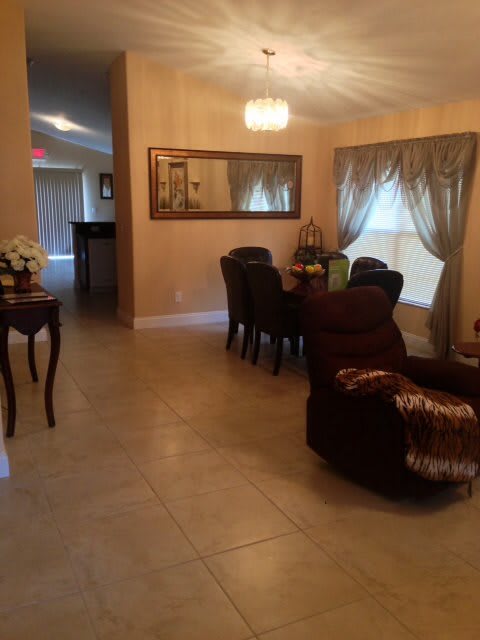
 The Bella Rose facility radiates warmth and genuine care, giving families peace of mind.
 - The staff are attentive and professional, treating residents as if they were family.
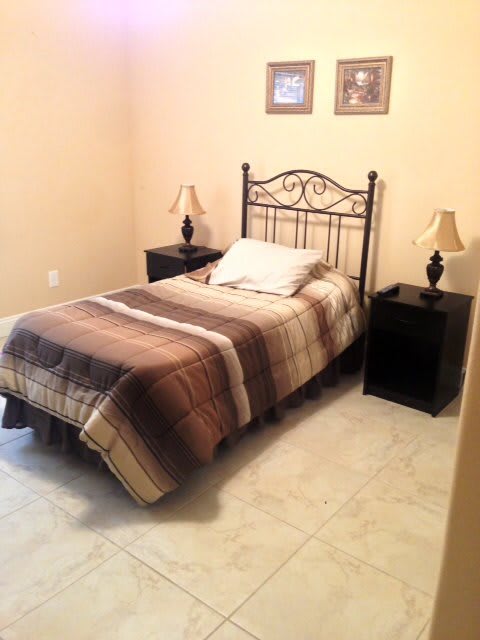
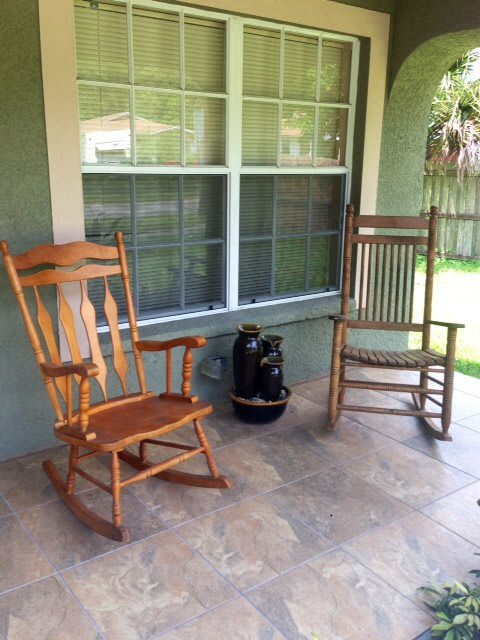
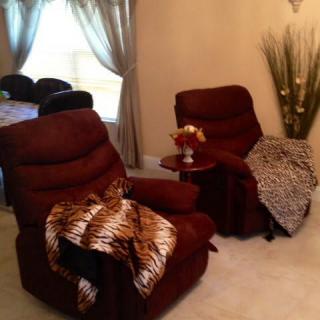
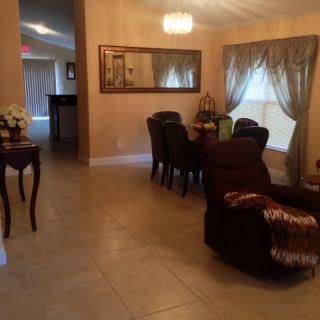
- The environment feels like a comfortable, safe, home-like place where seniors can truly feel at home.
- Residents receive personalized care, engaging activities, and quality meals every day.
- The team celebrates birthdays and holidays, making residents feel valued and special.
- Yasleidy and the care team treat residents with care, dedication, and love.
- The facility is a true blessing to families, with a clean and well-organized setting.
- The staff are kind, attentive, and go above and beyond to support residents’ well-being.
- The home is immaculate, cozy, and maintained by friendly, helpful people.
- Families would highly recommend Bella Rose Assisted Living for safe, caring, and loving home care.
Cons
 They would not recommend the facility.
- They felt misinformed about the level of care, and the resident was left in bed for 29 days.
- The resident developed bedsores (two stage one and one stage two) during the stay.
- They described shady medical practices that could have warranted a lawsuit.
- A staff member allegedly followed them on the interstate after exiting, indicating negligence.
- The owner allegedly changed the mother's insurance without knowledge or permission.
- The reviewer described the surrounding area as a no-go and not a good area.
Review
Bella Rose Assisted Living Facility in Tampa is best suited for families seeking a small, home-like environment where seniors are treated like family and daily life centers on warmth, attentiveness, and personal connection. The reviews consistently describe a setting that feels intimate rather than institutional, with staff who know residents by name, celebrate birthdays and holidays, and provide a sense of comfort and safety. The owner-led approach is highlighted by many families as a strength, with Yasleidy and her team cited as genuinely caring, hands-on, and deeply invested in each resident’s well-being. For many, this translates into real peace of mind and the comfort of knowing a loved one is valued and tended to with consistent, personalized attention.
That strength, however, invites a clear caveat: Bella Rose may not be the best fit for every situation. Families with high-acuity needs or those requiring robust, round-the-clock clinical oversight may want alternatives. Several reviews point to potential gaps in medical management and communication, including concerns about when and how care decisions are communicated, as well as incidents that suggest a risk of neglect in extreme cases. A small, owner-operated setting can be wonderful for individual attention, but it can also mean fewer on-site resources and less formalized governance than larger facilities. Additionally, a segment of reviewers flag area safety and neighborhood considerations, indicating that location preferences and perceived safety may influence satisfaction as much as care quality.
On the positive side, the core advantages of Bella Rose offset many real-world concerns for a broad audience. The staff’s warmth, professionalism, and genuine affection for residents create a tangible sense of being cherished. Residents commonly receive personalized attention, meaningful daily activities, and meals described as well-managed and consistent. Cleanliness and a welcoming, home-like atmosphere recur in the praise, reinforcing the sense that this is less a clinical setting and more a graceful, human-scale home. The narrative of care as family care, where staff “treat residents as if they were part of their own family”, is not just marketing jargon; it translates into observable daily experiences that many families value deeply.
Yet the most serious downsides cited involve safety and oversight concerns. A couple of negative experiences center on perceived neglect and miscommunication, instances where a resident’s medical or safety needs were not promptly addressed, or where changes in coverage and care decisions occurred without family input. Also noted are recurring themes of falls and the troubling assertion that medical-related decisions or insurance changes were made without consent. These serious experiences temper the otherwise glowing portrait and underscore the possibility that, in a smaller operation, problems can escalate quickly if not managed with meticulous discipline and transparent communication.
In weighing the pros against the cons, the decisive question becomes whether the intimate, family-centric model aligns with the family’s tolerance for risk and their ability to supervise care. The strength lies in the human touch: consistent, engaged staff, a welcoming home atmosphere, regular engagement, and visible pride from the ownership team. The risk lies in limited clinical infrastructure and the possibility of communication gaps or unilateral decisions in moments of crisis. Families inclined to oversee every element of care, demand formalized nursing oversight, or require strict adherence to medical protocols may prefer facilities with larger nursing staffs, more explicit governance, and stronger regulatory documentation.
For families who choose Bella Rose, a practical path to confidence is essential. Schedule multiple visits to observe interactions, request to meet the direct care team, and review a resident’s care plan in detail. Ask for concrete metrics: nurse-to-resident ratios, frequency of on-site medical rounds, and how emergencies are escalated. Request to see incident and response records, and insist on clear communication protocols for changes in care or billing. Before move-in, seek references from several current families and verify that the area’s safety and transport links meet specific needs. If warmth, personalized attention, and a home-like routine are non-negotiables, Bella Rose delivers exceptionally well; if medical rigor and exhaustive governance are paramount, exploring alternatives remains prudent.
 Board and Care Home
 Memory Care
 Activities off-site
 Indoor common areas
 Outdoor common areas
 Private
 Private bathrooms
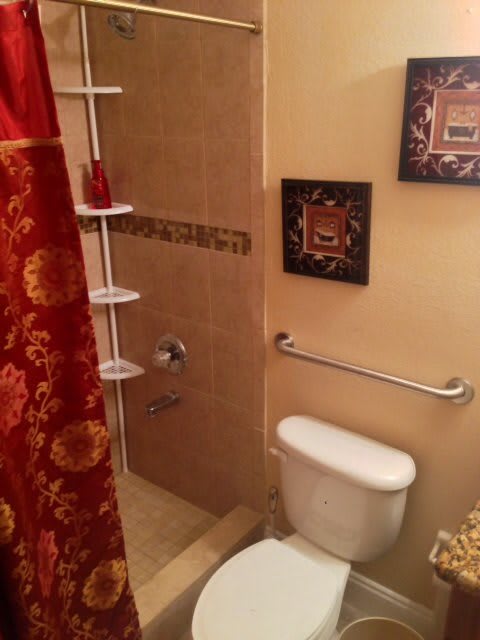
 Wheelchair accessible showers
 Tampa International (5 miles away)
 Ambulatory care
 High acuity care
 Incontinence care
 Medication management
 Meals provided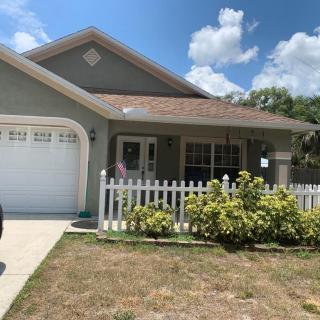
 22 Remarkable Caregiver Support Groups Available Online and In-Person
 Understanding Medicaid Coverage for Assisted Living: A Comprehensive Guide
 How and When Medicaid May Cover Assisted Living Costs