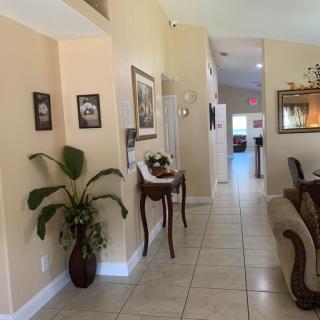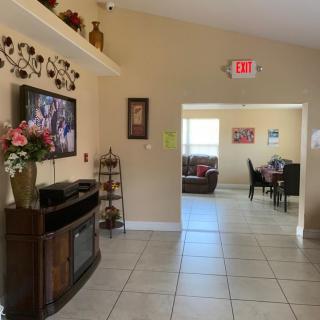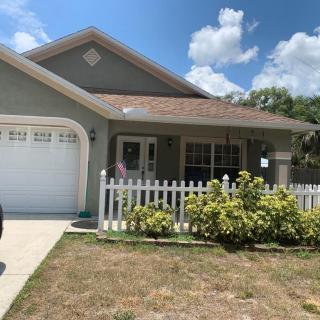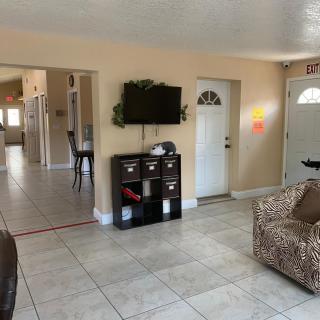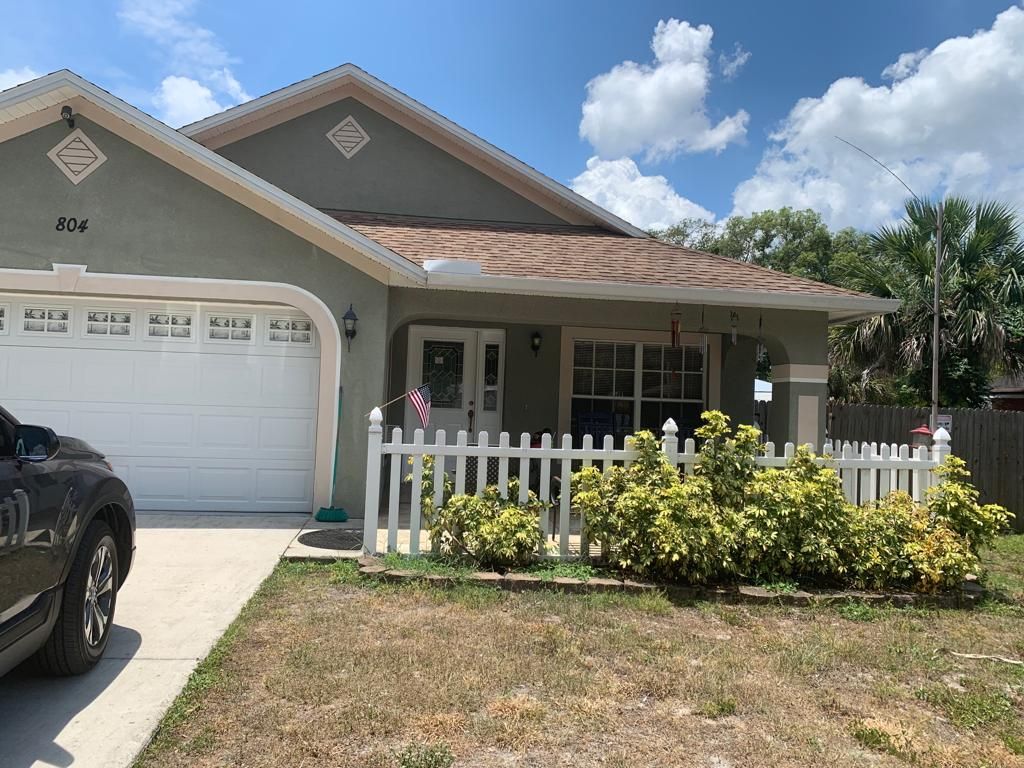
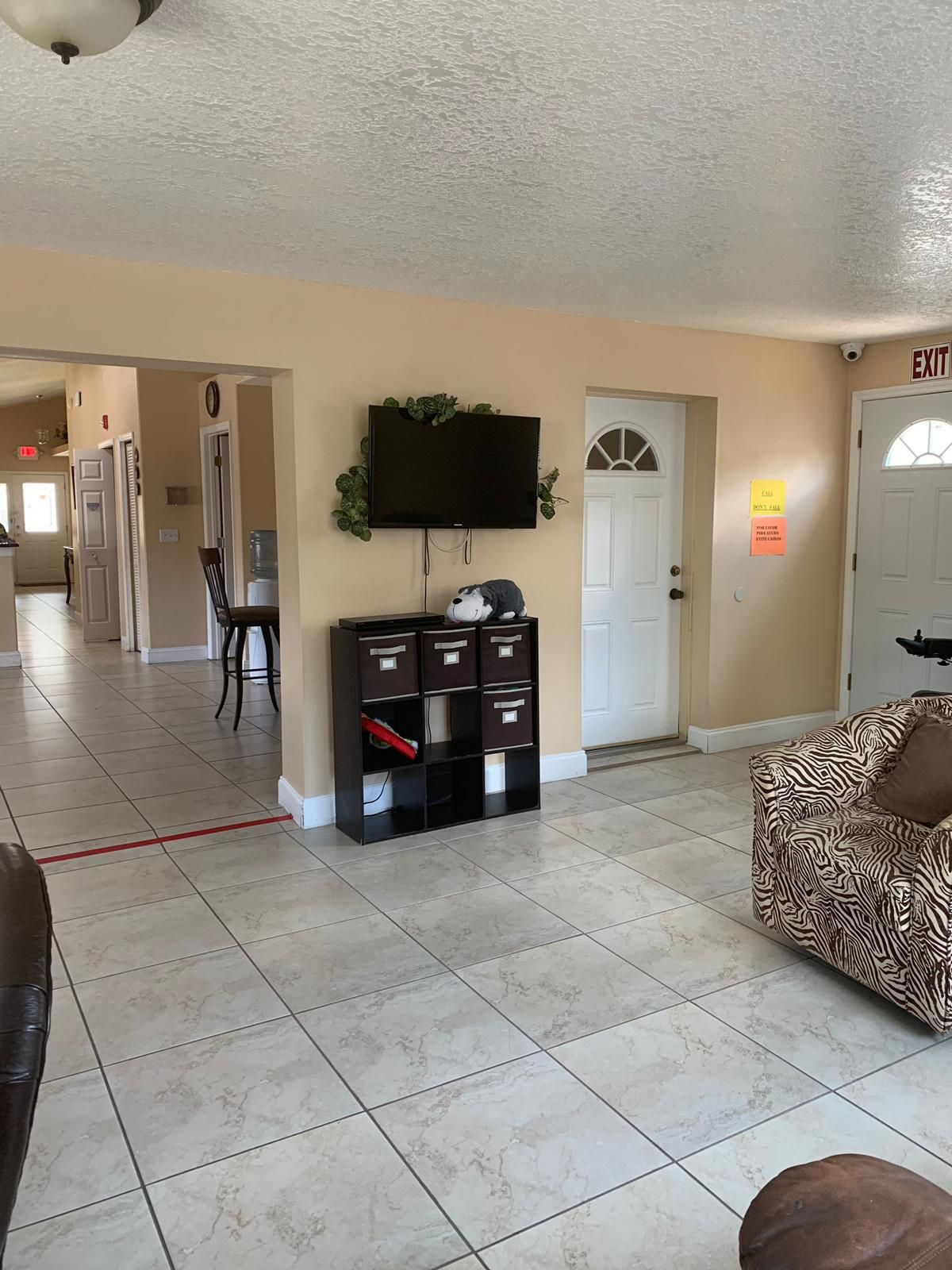
804 West Yukon Street, Tampa, FL 33604
For more information about senior living options: (866) 208-4318
Overall Review of Bella Rose Alf
Pros
 Bella Rose Assisted Living is described as warm and genuinely caring.
 - The staff are attentive and professional, treating residents like family.
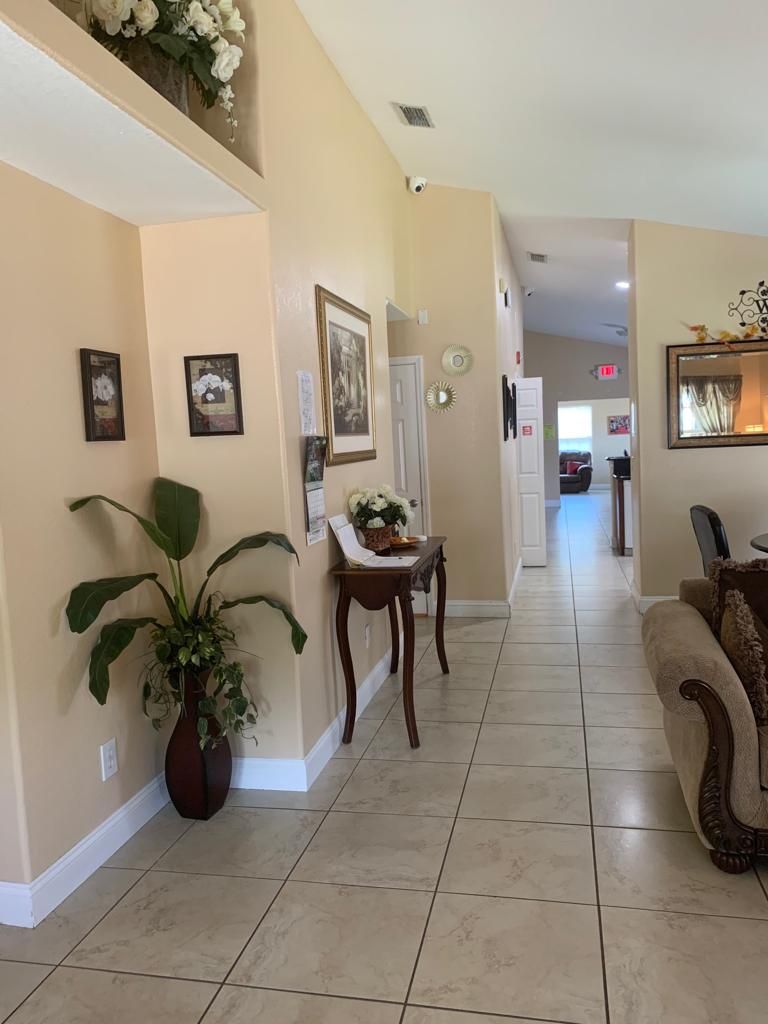
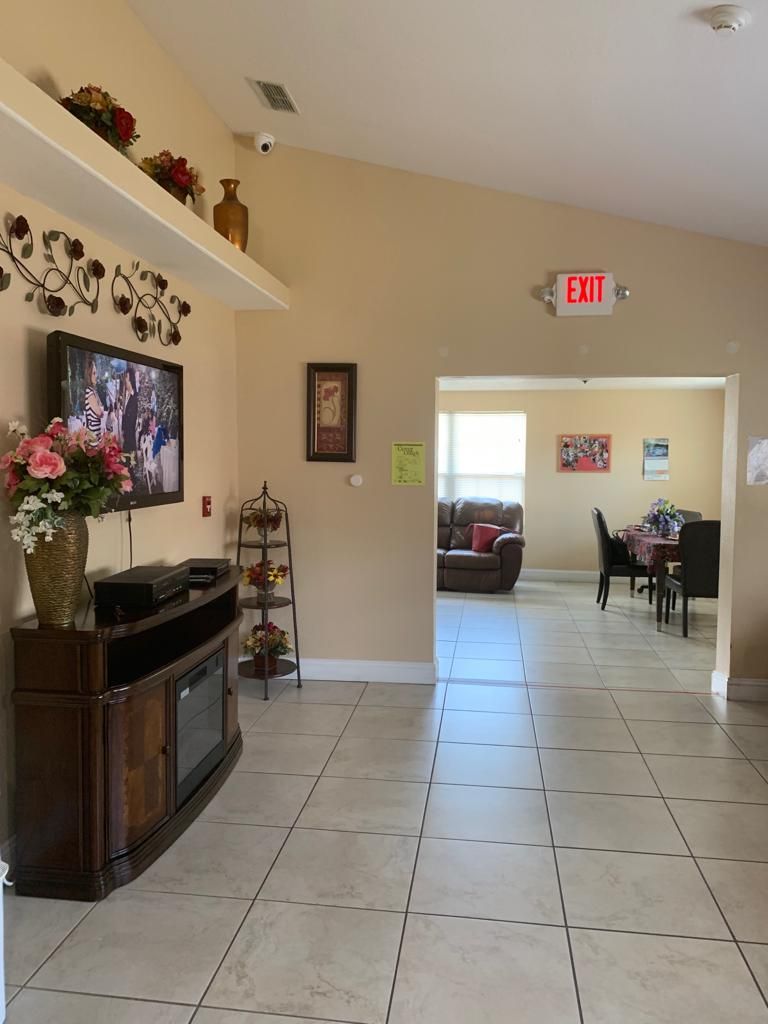
- The facility is comfortable, safe, clean, and has a home-like atmosphere that brings peace of mind.
- Residents are celebrated and made to feel valued and special, with holidays and birthdays acknowledged.
- The team is dedicated, caring, and goes above and beyond for residents.
- Personalized care, engaging activities, and quality meals are provided daily.
- Families express gratitude and would highly recommend the facility.
- The owner and staff are described as kind, caring, and supportive.
- The facility is considered a blessing and a wonderful home for loved ones.
Cons
 The reviewer would not recommend the facility, citing misinformation about full-care needs and that the resident was left in bed for the entire 29 days.
- They reported their father developed two stage one bedsores and one stage two while in care.
- They alleged negligence, including a staff member following them on the interstate after they left.
- They described shady medical practices that could have warranted a lawsuit.
- They accused the owner of changing their mother’s insurance without knowledge or permission.
- They called the place terrible and said they do not recommend it at all.
Review
Bella Rose Assisted Living in Tampa is best suited for families who want a warm, home-like setting where residents are treated as part of the family and where staff are visibly engaged, compassionate, and meticulously attentive. It excels for seniors who value daily companionship, personalized attention, home-cooked meals, and a close-knit community atmosphere. The model leans into celebrations, relationships, and a sense of comfort that comes from a smaller, owner-involved operation. For families prioritizing daily life fulfillment, peace of mind through visible care, and an environment that feels like a supportive extended home, this community delivers.
Those weighing alternatives should note a few red flags that emerge in the mix of feedback. Residents with demanding medical needs that require rigorous, ongoing clinical oversight may want to steer toward facilities with stronger, formalized nursing protocols. In particular, two reviews raise concerns about safety and communication gaps, including alleged neglect and unapproved administrative actions. If a loved one requires consistent, documented family notifications, strict treatment authorizations, or rapid response to health changes, other communities with transparent governance and standardized incident management may be a safer fit. Families that insist on complete alignment between care decisions and family consent will want to probe governance and decision-making processes before committing.
The strongest positives center on warmth, attentiveness, and a genuine sense of belonging. Staff are repeatedly described as caring, professional, and responsive, with residents treated like family rather than anonymous occupants. The facility feels clean, organized, and homey, with meals that are well-regarded and daily activities that foster engagement. These strengths translate into real emotional and social benefits for most residents, contributing to reduced anxiety and a richer daily life. When balanced with the concerns raised by a minority of reviewers, the overall picture suggests a care culture that can be deeply meaningful for many loved ones, provided governance remains transparent and safety practices stay robust.
Yet the cons cannot be dismissed. Reported issues touch on safety and communication: instances of neglect, delayed informants about problems, and actions that bypass family involvement. The risk of repeated falls and pressure ulcers, if corroborated, signals gaps in risk assessment and timely escalation, problems that can have serious consequences. Even when the larger sentiment is positive, these concerns highlight the need for rigorous oversight, precise care plans, and enforceable policies. The facility’s appeal lies in its people and its warmth, but the ultimate safeguard for a vulnerable senior rests on reliable safety protocols, clear incident reporting, and a culture of proactive family communication.
During a visit, prospective residents should conduct targeted inquiries and verification. Request to meet the leadership or executive in charge and review recent, concrete care plans, progress notes, and incident logs. Inquire about fall-prevention strategies, wound-care protocols, and staffing ratios across day and night shifts to gauge real-world safety and responsiveness. Inspect the dining area and kitchen to assess meal quality and dietary accommodations, and speak with current residents or families about response times and how celebrations are handled. Finally, demand clear references and a transparent description of any changes to insurance or care authorization processes, ensuring there is no room for surprise decisions or communications gaps.
Bottom line: Bella Rose Assisted Living offers a compelling, heart-led environment that can be a superb fit for seniors who prize warmth, community, and highly personalized attention. It is less ideal for residents who require rigorous medical governance, stringent safety reporting, and consistently proactive family communication. A candid, in-person evaluation focused on safety practices, incident handling, and governance transparency will reveal whether the benefits, genuine care, a home-like atmosphere, and daily meaningful engagement, outweigh the potential risks for a given loved one.
 6 resident community capacity
 Assisted Living
 Board and Care Home
 Respite Care
 Cable or satellite TV
 Dining room
 Fully furnished
 Garden
 Housekeeping services
 Move-in coordination
 Outdoor space
 Small library
 Telephone
 Tampa International (5 miles away)
 24-hour supervision
 Activities of daily living assistance
 Assistance with bathing
 Assistance with dressing
 Assistance with transfers
 Diabetes diet
 Meal preparation and service
 Medication management
 Special dietary restrictions







 Social Security Benefits and Assisted Living: Navigating Options Across the U.S.
 An Extensive Exploration of the VA Aid and Attendance Benefit
 Senior Transition Services: Understanding Their Role, Cost, and Importance