
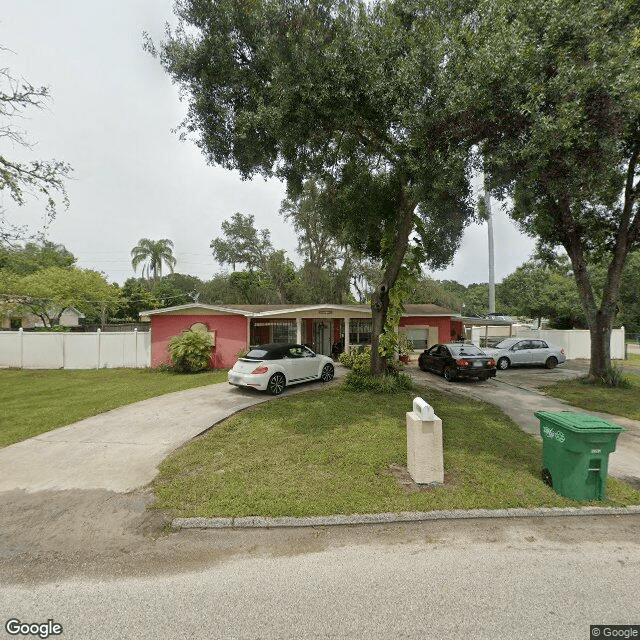
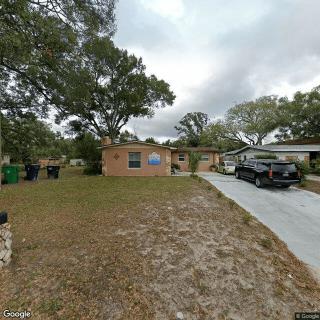
1901 West Okaloosa Avenue, Tampa, FL 33604
For more information about senior living options: (866) 208-4318
Nueva Vida - ALF Costs & Pricing
Nueva Vida - ALF offers competitive pricing for assisted living options, with semi-private rooms available at $2,500 per month, significantly lower than the average costs in Hillsborough County and across Florida, which are $3,096 and $3,009 respectively. For those seeking more privacy, Nueva Vida's private rooms are priced at $3,300 per month; while this is slightly below the county's average of $3,384 and the state average of $3,699, it still positions Nueva Vida as a cost-effective choice in a competitive market. Overall, residents can expect quality care and comfortable accommodations at prices that offer substantial savings compared to neighboring facilities.
| Floor plans | Nueva Vida - ALF | Hillsborough County | Florida |
|---|---|---|---|
| Semi-Private | $2,500 | $3,096 | $3,009 |
| Private | $3,300 | $3,384 | $3,699 |
Assisted Living communities with a similar price nearby
-
from -$300 / mo
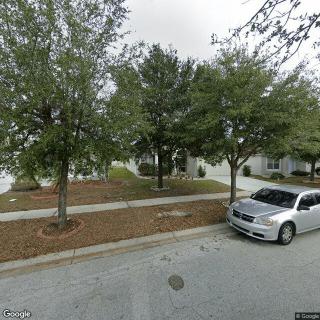
Dorothy Cares Assisted Living Facility
$2,200 to $3,300 / month19.9 miles away -
About the same
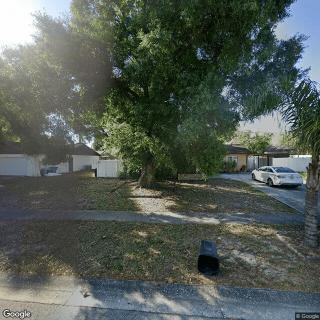
Garden Oasis Alf
$2,500 to $3,500 / month14.0 miles away -
from +$200 / mo
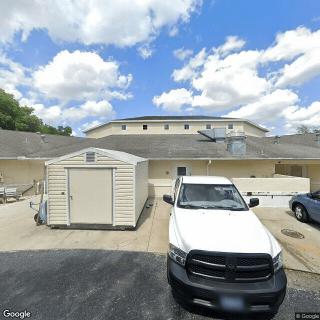
Alafia Village
$2,700 to $4,000 / month15.1 miles away -
About the same

Mi Bello Hogar Living Facility
$2,500 / month3.0 miles away -
from +$100 / mo
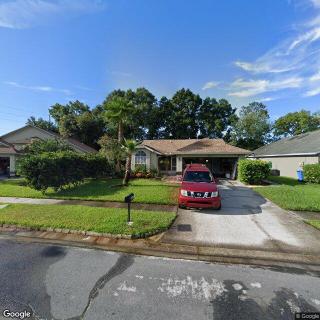
Hilda's Home Care Alf
$2,600 to $2,800 / month6.8 miles away
Overall Review of Nueva Vida - ALF
Pros
 Exceptional individuals are genuinely involved in ensuring families' well-being at a commendable value.
Cons
 The place is terrible.
- They leave patients unattended.
Review
Nueva Vida - ALF in Tampa is best suited for seniors who want a small, home-like assisted living experience where caregivers are genuinely involved and value is clear. The community appears to serve residents who thrive with close, predictable daily routines and staff who cultivate consistent, personal connections with both residents and their families. For families prioritizing warmth, direct caregiver contact, and a hands-on approach to daily living, this setting offers tangible peace of mind without the clinical feel of larger campuses. The emphasis on individualized attention over a long menu of amenities makes it a pragmatic choice for those who place a premium on reliable, compassionate care within a modest footprint.
Those who should consider alternatives are residents who require intensive medical oversight or continuous crisis management. The lone negative feedback hints at a potential shortfall in supervision or responsiveness, which can be a deal-breaker for individuals with high fall risk, advanced dementia, or multiple chronic conditions demanding constant monitoring. Families should explore options with higher staffing ratios, on-site nursing support, and more robust safety systems if medical complexity or urgent response needs are nonnegotiable. In short, this community excels in relationship-rich care but may not meet the standards expected by those who require round-the-clock, hospital-grade oversight.
On the positive side, the strongest pro is clearly the staff’s apparent commitment to residents’ well-being. Reviews highlight that exceptional individuals are genuinely involved in protecting and supporting families, delivering care that feels attentive and considerate. This kind of engagement translates into meaningful daily interactions, timely meals, and a sense of security that families often search for in an ALF setting. A commendable value proposition accompanies these strengths, meaning families get personalized attention and steady communication without paying the premium levied by larger, motel-like facilities. In practice, this combination can produce a higher quality of life for residents who do not require aggressive medical interventions.
Yet the main con, the risk of unattended moments, cannot be dismissed. A single critical report alleging that patients are left unattended raises legitimate questions about staffing consistency, supervision during peak hours, and the reliability of response times. While one review stands apart from the rest, it cannot be fully discounted in a decision framework. Prospective families should insist on probing the administrator about staffing schedules, caregiver turnover, and the processes that govern call-bell responsiveness, particularly for residents with mobility limitations or cognitive impairments. Observing a shift change, speaking with direct caregivers, and requesting to see an up-to-date care plan are essential steps.
The decision framework should balance the evident strengths with the safety caveat. If a resident thrives on routine, companionship, and deeply involved caregiving, and family members can accept the possibility of occasional delay in a response, Nueva Vida can be a strong choice. The combination of engaged staff and cost-conscious care often yields a higher perceived quality of life than expected in this market segment. However, for families prioritizing unwavering, 24/7 supervision and a facility-wide guarantee against lapses in attention, other options with larger teams, on-site medical personnel, and more formal risk-management practices are worth comparing.
Bottom line: Nueva Vida - ALF offers a practical, value-oriented pathway to compassionate, individualized assisted living in a small, family-friendly environment. It is well-suited for residents who benefit from steady staff involvement and a warm, home-like atmosphere. The potential downsides center on staffing reliability and safety oversight, which means alternatives should be considered for those with significant medical needs or a heightened risk profile. A careful site visit, direct conversations with caregivers, and a review of incident handling will determine whether this community aligns with the resident’s care goals and family expectations.
 6 resident community capacity
 Assisted Living
 Board and Care Home
 Activities off-site
 Cable or satellite TV
 Dining room
 Fully furnished
 Garden
 Housekeeping services
 Move-in coordination
 Outdoor space
 Private
 Telephone
 Wheelchair accessible showers
 Wi-Fi/high-speed internet available
 Tampa International (5 miles away)
 24-hour supervision
 Ambulatory care
 Assistance with bathing
 Assistance with dressing
 Assistance with transfers
 Diabetes diet
 Diabetic care
 Meal preparation and service
 Medication management
 Special dietary restrictions
 Transportation arrangement (medical)
 Transportation to doctors appointments
 Comprehensive Supportive Living Arrangements for Adults with Disabilities
 Funding and Affording Assisted Living: A Thorough Overview
 Assisted Living Expenses and Long-Term Care Insurance: A Comprehensive Exploration