
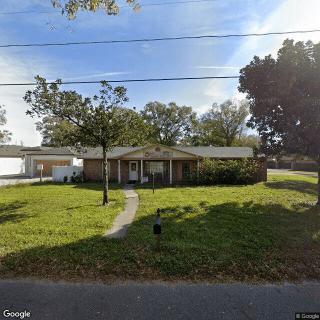
2210 West Skagway Avenue, Tampa, FL 33604
For more information about senior living options: (866) 208-4318
Overall Review of Skagway Living Facility
Pros
 Silver Lake ALF is absolutely wonderful with residents and their families.
- The environment is peaceful and the staff are loving.
- The quality of the food is excellent.
- The home is very clean, and residents are safe and well cared for.
- The care at Silver Lake ALF is a night-and-day difference from larger facilities.
- The move to Silver Lake ALF significantly improved residents' quality of care.
- The facility feels like home, with a welcoming, family-like atmosphere.
- Madeline and Mabel provide compassionate, personal care and excellent communication.
- The staff are energetic, professional, and treat residents with love, respect, and empathy.
Review
Skagway Living Facility in Tampa is best suited for families seeking a true home-like, small‑scale assisted living experience where residents are treated as part of a personal, caring family. The model shines when warmth, regular, attentive staffing, clean surroundings, and home-cooked meals are non‑negotiables. This is the kind of environment where daily routines, open communication with families, and a palpable sense of belonging become central to daily life. For seniors who value predictability, safety, and a calm, intimate setting, Skagway’s peers in the Tampa area demonstrate what to look for: a setting that prioritizes relationship-driven care over a large, impersonal campus.
That said, this kind of community may not be the best fit for everyone. Families weighing options should consider scenarios where residents require more robust medical oversight, advanced rehabilitation, or highly specialized programming. Larger facilities with on-site nurses, full-time therapists, and formal care teams can deliver more comprehensive clinical services and a broader activity schedule for those with complex medical needs or high rehabilitation demands. If immediate access to extensive medical resources and a bustling, program-rich environment is the priority, alternatives to a small, family-style ALF should be examined.
The strongest takeaways from the reviews point to four core positives that virtually always enhance daily life: a home-like atmosphere, scrupulous cleanliness, and a staff led by owners who stay personally engaged; consistently high-quality, daily meals; and proactive, transparent family communication. The sense of “home” comes through in the way residents are greeted, the familiar rhythms of meals, and the cheerful, respectful interactions that permeate the halls. Cleanliness and safety are not afterthoughts but evident in visible care routines, while owners’ hands-on involvement translates into dependable responsiveness and steady morale across the team. The nourishment, distinctive, well-prepared comfort foods, appears to be more than a perk; it anchors daily routine and pride in the living space.
There are no explicit, widely stated drawbacks in the reviews, which build a compelling case for the model. Nevertheless, a cautious decision-maker will recognize the inherent trade-off of a small, intimate setting: as the resident’s needs grow, the limited in-house medical infrastructure can become a constraint. The potential absence of a broad activity slate or on-call specialist teams could challenge residents who require frequent therapy sessions, complex wound care, or rapid escalation of medical supports. Skagway should be evaluated with those realities in mind, ensuring clear pathways to additional care when progressively more intensive services are needed.
The way the positives interact with those potential gaps is where the decision crystallizes. The same personal touch that makes families feel heard also supports smoother day-to-day management and quicker problem resolution. Strong family communication, including video updates and direct owner engagement, reduces anxiety and increases trust during transitions or health changes. When meals, cleanliness, and daily routines are reliably excellent, families can accept some limits in medical capacity, provided there are transparent protocols for escalating care or arranging outside services. In short, the intimate, caregiver-centric model works exceptionally well for people who do not require high-intensity clinical care on-site.
For families weighing Skagway against Silver Lake-type models or other Tampa ALFs, the practical decision hinges on resident needs and family expectations. If a loved one thrives on companionship, ritual, and a living space that feels like a well-turnished family home, with consistently delicious meals and responsive, caring staff, Skagway’s approach is a strong contender. If medical complexity, rehab intensity, or a broader social program are paramount, it will be prudent to compare availability of on-site nursing, arranged therapies, and partnerships with local healthcare providers. A thorough visit should probe not just warmth and cleanliness, but practical questions about care escalation, staffing patterns, and the ease of coordinating outside care when necessary. In this framework, Skagway presents a practical, well‑founded option for families prioritizing a homelike, attentive, and communicative environment.
 6 resident community capacity
 Assisted Living
 Cable or satellite TV
 Dining room
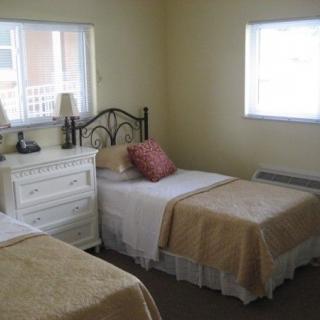
 Fully furnished
 Garden
 Housekeeping services
 Move-in coordination
 Outdoor space
 Telephone
 Wi-Fi/high-speed internet available
 Tampa International (5 miles away)
 24-hour supervision
 Activities of daily living assistance
 Assistance with bathing
 Assistance with dressing
 Assistance with transfers
 Diabetes diet
 Meal preparation and service
 Medication management
 Special dietary restrictions
 Transportation arrangement (medical)
 Transportation to doctors appointments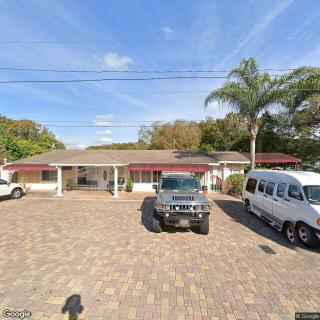

 Assisted Living Expenses and Long-Term Care Insurance: A Comprehensive Exploration
 Securing Financial Support for Assisted Living: A Comprehensive Overview
 Social Security Benefits and Assisted Living: Navigating Options Across the U.S.