
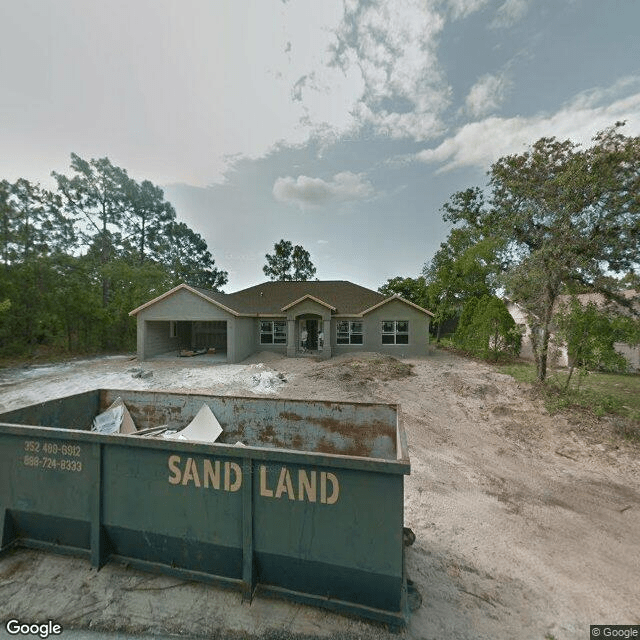
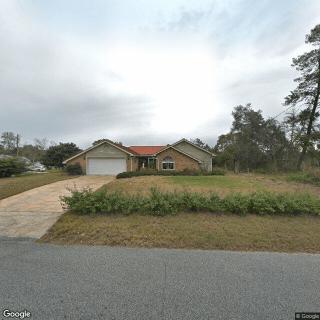
11386 Callaghan Avenue, Spring Hill, FL 34608
To contact a resident: (352) 556-3122
For more information about senior living options: (866) 208-4318
Diana's Home LLC Costs & Pricing
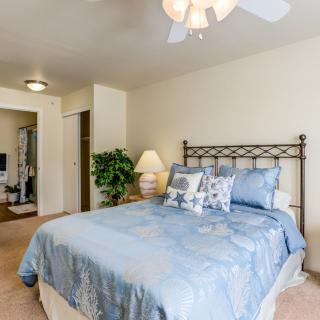
Diana's Home LLC offers competitive pricing for its residential care options, positioned favorably against both Hernando County and the broader state of Florida. For semi-private rooms, Diana's rates are set at $2,300 per month, significantly lower than the county average of $2,810 and the state average of $3,009. Similarly, private room accommodations at Diana's are priced at $2,800 - again undercutting both Hernando County's average of $3,568 and Florida's overall average of $3,699. Studio units follow this trend with a monthly fee of $2,800 as opposed to the county rate of $3,435 and the state rate of $3,823. This strategic pricing not only enhances affordability for residents but also underscores Diana's commitment to providing quality care within a cost-effective framework.
| Floor plans | Diana's Home LLC | Hernando County | Florida |
|---|---|---|---|
| Semi-Private | $2,300 | $2,810 | $3,009 |
| Studio | $2,800 | $3,435 | $3,823 |
| Private | $2,800 | $3,568 | $3,699 |
Memory care communities with a similar price nearby
-
from +$200 / mo
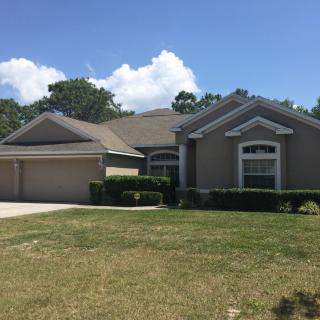
The Palms Assisted Living
$2,500 / month4.9 miles away -
from -$405 / mo
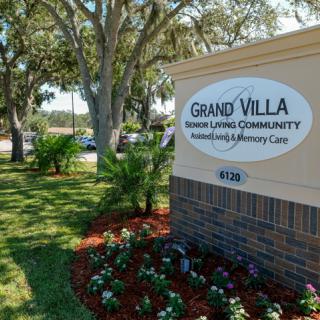
Grand Villa of New Port Richey
$1,895 to $3,595 / month20.5 miles away -
About the same
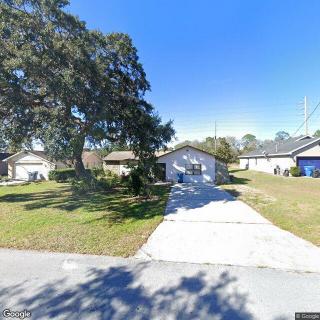
The Isidora Assisted Living Facility
$2,300 to $2,500 / month4.0 miles away -
About the same

Vitality Living Spring Hill
$2,305 to $4,305 / month2.1 miles away -
from +$200 / mo
Rainbow Gardens Assisted Living
$2,500 / month2.8 miles away
Overall Review of Diana's Home LLC
Pros
 Diana and her staff are caring and lovely people who respect their residents.
- They add a splash of good-feeling humor.
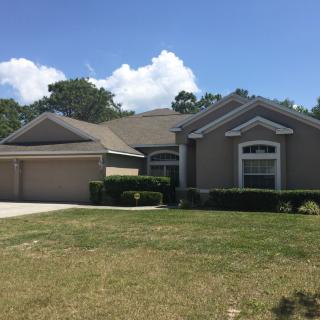
- The house is attractive and the atmosphere is warm.
- Diana gives the utmost attention to making residents feel at home.
- The meals are very yummy.
Cons
 None detected in the provided review.
Review
This community is best suited for families seeking an intimate, home-like living arrangement where residents are treated with genuine warmth, respect, and a touch of humor. In Spring Hill, Diana's Home LLC operates more like a private residence than a large campus, and that matters: the staff appear deeply invested in individual residents, meals feel comforting and satisfying, and the overall atmosphere exudes welcome and belonging. The core strengths lie in the personal connections, the attention to making residents feel truly “at home,” and the appealing, comfortable house where daily life unfolds with a sense of ease. For someone who prizes daily kindness, approachable staff, and a warm dining routine, this setting aligns with those priorities.
There are clear alternatives worth considering for families with different needs. Those who require robust medical oversight, ongoing skilled nursing, or dementia-specific memory care may find that larger communities with dedicated medical teams and more formal programming better fit their situation. Similarly, families seeking a highly active social calendar, frequent group outings, or expansive on-site services might prefer a campus that offers more extensive resources and scheduled activities. For residents with significant mobility challenges or complex care plans, the extent of on-site nursing support and specialized care should guide the choice between a small, home-like setting and a more traditional assisted living environment.
The strongest positives here, caring staff, respectful treatment, and a welcoming, homey atmosphere, play a decisive role in daily quality of life. When staff genuinely engage with residents and balance respect with light humor, loneliness and anxiety tend to recede, and a sense of normalcy and dignity rises. The house’s attractiveness and warmth contribute to a sense of safety and ease, reducing the cognitive load of navigating unfamiliar surroundings. Coupled with meals that feel satisfying and comforting, these factors collectively elevate mood, reinforce independence where possible, and bolster daily satisfaction. In short, the human touch in this setting often delivers more emotional return than a more impersonal, larger facility might.
Where the potential drawbacks typically associated with small, home-style residences come into play, the reviews provide no explicit negatives to that effect. Still, prudent consideration is warranted. A compact setting can imply fewer on-site clinicians, a leaner activities calendar, and less formalized care protocols than a larger community designed for intensive medical support. For families with residents needing frequent rehabilitation services, continuous nursing supervision, memory-care specialization, or rigorous safety monitoring, these trade-offs could be meaningful. The absence of stated drawbacks in the observed feedback does not erase the reality that service breadth in this model tends to be narrower than in bigger campuses.
To make an informed decision, prospective movers should prioritize a hands-on visit with attention to staff-resident interactions, the pace of daily life, and the availability of care that matches the resident’s current needs. Ask about caregiver ratios, how medications are managed, nursing or clinical support on-site, and accessibility features across the home. Sample the meals during a mealtime, observe the ambiance in common areas, and gauge whether transportation needs and housekeeping standards meet expectations. Confirm practical details such as emergency procedures, schedules for activities, and how guests or family members can participate in daily routines.
In conclusion, Diana's Home LLC represents a compelling option for seniors who value a serene, individualized, and personally attended living environment. For families prioritizing warmth, dignity, and a sense of “home,” the pros strongly offset the absence of the breadth and formalized care resources found in larger facilities. Those whose needs point toward intensive medical oversight, specialized dementia programs, or a bustling, highly structured activity lineup may wish to explore alternatives that offer deeper clinical support and broader service menus. The decision hinges on balancing the cherished human connection and home-like comfort against the extent of medical and programmatic services required.
 Board and Care Home
 Day Program
 Memory Care
 Bath tubs
 Beautician on-site
 Devotional services off-site
 Indoor common areas
 Outdoor common areas
 Private
 Respite or short term stays offered
 Ambulatory care
 Diabetic care
 High acuity care
 Incontinence care
 Medication management
 Meals provided


 Dementia-Related Hallucinations: Causes, Experiences, and Practical Approaches
 Illuminating Insights About Alzheimer's Disease: Ten Crucial Realities
 A Thorough Discussion of Medications Potentially Linked to Dementia Risk