The Residence At Timber Pines Senior Living Costs & Pricing
The Residence At Timber Pines Senior Living offers a diverse range of accommodation options that cater to varying needs and preferences, with costs that warrant consideration against regional and state averages. For semi-private rooms, the monthly fee is $3,180, which is notably higher than the Hernando County average of $2,810 but slightly below the Florida average of $3,009. Studio apartments are priced at $3,355 - nearly on par with the county's average of $3,435 but lower than the state average of $3,823. When it comes to larger living spaces, a one-bedroom unit is available for $4,395; this exceeds both Hernando County's figure of $3,019 and Florida's statewide average of $3,864. Lastly, two-bedroom accommodations are offered at a premium rate of $5,735 - significantly above Hernando County's average of $3,920 and also surpassing the Florida state average of $4,711. Overall, while timber pines presents competitive rates in some categories compared to local and state standards, its pricing reflects a commitment to quality and personalized care within senior living options.
Floor plans
The Residence At Timber Pines Senior Living
Hernando County
Florida
Semi-Private
$3,180
$2,810
$3,009
Studio
$3,355
$3,435
$3,823
1 Bedroom
$4,395
$3,019
$3,864
2 Bedrooms
$5,735
$3,920
$4,711
Assisted Living communities with a similar price nearby
Overall Review of The Residence At Timber Pines Senior Living
common80 reviews mention this
Caring, responsive staff stand out
Residents and families repeatedly describe consistently attentive care from staff.
Across many reviews, families and visitors describe staff members as friendly, kind, and genuinely attentive. Multiple people mention peace of mind and prompt help when care needs arise, including help with routines and follow-through on what staff say they will do. Some also note the staff communicates well with families, though a few comments raise concerns about how easy it is to reach medical staff for care planning or about notifications during an incident.
differentiator22 reviews mention this
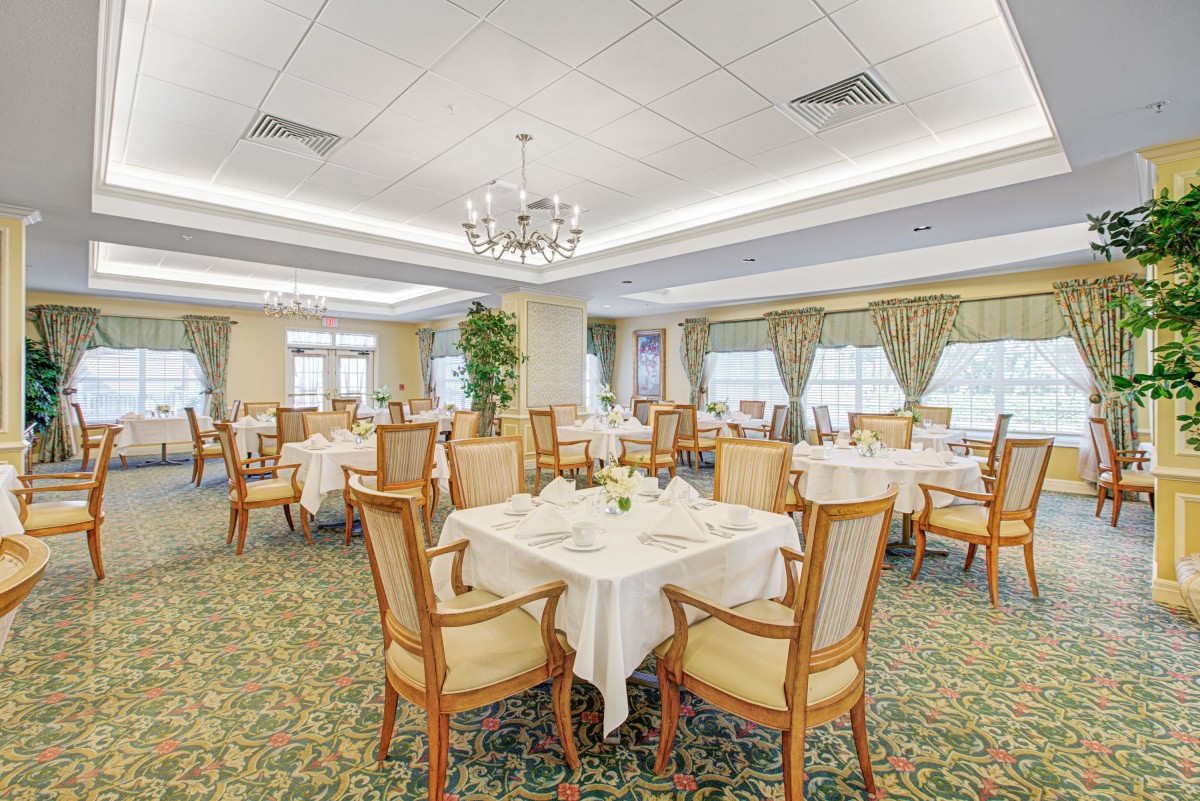
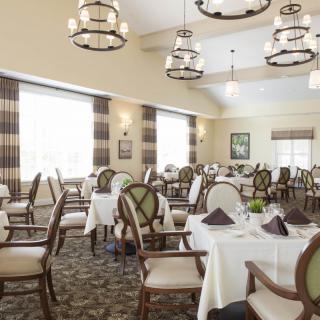
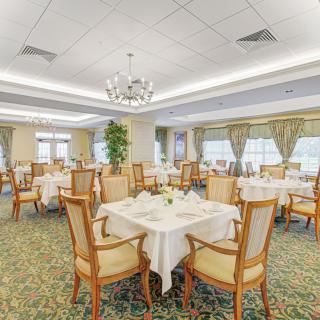
Dining feels restaurant-style
Restaurant-style dining is a frequent point of praise in reviews.
Reviews frequently mention positive meal experiences, including food quality and a dining room setup that feels more like dining out than a cafeteria. Several residents and visitors describe being served regularly and enjoying dining areas that look well prepared and inviting. The community also offers restaurant-style dining and room service, which aligns with how many people talk about choosing meals from a menu rather than receiving standard tray service.
common45 reviews mention this
Clean, well kept spaces matter
Many reviewers specifically call out cleanliness and upkeep across the community.
A recurring theme is that the building is clean and well maintained, with reviews pointing to spotless rooms, tidy common areas, and well kept grounds. Visitors and families also describe a maintained look that creates a comfortable, reassuring environment. A smaller number of reviews mention cleanliness concerns in specific areas or moments, which contrasts with the overall pattern of praise.
caveat18 reviews mention this
High cost comes with trade-offs
Several reviews say the pricing is high and not always worth it.
Cost is one of the clearest caveats in the reviews, with some families saying the community is very expensive compared with other options they considered. Some comments also describe feeling that certain add-ons or service access can be costly, and others question whether the pricing matches what they experienced. Where structured pricing comparisons are available, the community’s monthly range is shown to be above county and/or state benchmarks for multiple unit types.
common26 reviews mention this
Activities are a major focus
Reviews commonly mention busy activity calendars and outings.
Many reviews highlight regular activities throughout the day, including entertainment, games, and organized programs that help residents stay engaged. Families describe residents participating in social events and enjoying activities such as movies and group gatherings. The community also lists scheduled daily activities and day trips and outings, matching how often residents and visitors refer to “something to do” rather than idle time.
How we summarize
Counts show how many written reviews mention each theme; a review can touch several themes, and only frequently mentioned themes are displayed.
Features
Housing
255 resident community capacity
1-bedroom apartments
2-bedroom apartments
Studio apartments
Types of Care
Assisted Living
Independent Living
Memory Care
Respite Care
Skilled Nursing Facility
Pets
Cats allowed
Dogs allowed
Amenities
Activities off-site
Activities on-site
Air-conditioning
Beautician on-site
Beauty salon
Cable or satellite TV
Computer center
Devotional services off-site
Devotional services on-site
Dining room
Financing advice
Fitness room
Full kitchen
Fully furnished
Gaming room
Garden
Ground floor units
Handicap accessible
Housekeeping services
Indoor common areas
Kitchenette
Laundry
Move-in coordination
Outdoor common areas
Outdoor space
Party space
Private bathrooms
Respite or short term stays offered
Restaurant-style dining
Small library
Spa
Swimming pool
Swimming pool / hot tub
Telephone
VA Benefits Consultation
Wellness center
Wheelchair accessible showers
Wi-Fi/high-speed internet available
Transportation
Community operated transportation
Transportation & parking
Transportation arrangement
Transportation arrangement (non-medical)
Transportation to doctors appointments
Care Services
12-16 hour nursing
24-hour call system
24-hour supervision
Activities of daily living assistance
Ambulatory care
Assistance with bathing
Assistance with dressing
Assistance with transfers
Coordination with health care providers
Dementia waiver
Diabetes diet
Diabetic care
High acuity care
Hospice waiver
Incontinence care
Meal preparation and service
Medication management
Mental wellness program
Mild cognitive impairment
Special dietary restrictions
Specialized memory care programming
Transportation arrangement (medical)
Transportation to doctors appointments
Dining
Anytime dining
Diabetes diet
Guest meals
International cuisine
Low / no sodium
Meals provided
No Sugar
Professional chef
Restaurant style dining
Room service
Special dietary restrictions
Special dining programs
Vegetarian
Activities
Activities off-site
Art classes
Catholic services
Community-sponsored activities
Concierge services
Cooking classes
Day trips and outings
Devotional activities offsite
Devotional activities on-site
Fitness programs
Jewish services
Karaoke
Live well programs
Other religious services
Planned day trips
Protestant services
Religious services
Resident-run activities
Scheduled daily activities
Visiting Rabbi
Visiting chaplain or priest
Languages Spoken
English
Nearby Places of Interest
This section of Spring Hill, Florida offers a variety of amenities and services that cater to seniors looking for a comfortable and convenient lifestyle. The area features an array of dining options such as Greek City Cafe, Cody's Original Roadhouse, and IHOP, providing easy access to delicious meals. In terms of healthcare, there are reputable physicians like After Image EyeCare and Access Healthcare nearby for medical needs. Additionally, pharmacies like Winn-Dixie and Walgreens offer convenience for prescription refills. For leisure activities, residents can enjoy watching movies at the Spring Hill 8 theater or take a stroll in the nearby Rotary Centennial Dog Park. When it comes to religious practices, individuals have options like the Christian Church in the Wildwood and Temple Beth David Jewish Center within a reasonable distance. Overall, this part of Spring Hill provides a well-rounded living environment with essential amenities for seniors seeking a peaceful community setting.
Restaurants
Greek City Cafe (0.1 miles)
Cody's Original Roadhouse (0.1 miles)
Chili's Grill & Bar (0.2 miles)
Hooters (0.5 miles)
McDonald's (0.8 miles)
IHOP (0.9 miles)
Taco Bell (0.9 miles)
Physicians
After Image EyeCare (0.3 miles)
Family Podiatry Center (1.1 miles)
AccuHear (1.1 miles)
Access Healthcare (1.3 miles)
Kutty Mohan MD (1.5 miles)
Cordano Eye Care Center (1.5 miles)
Coastal Jaw Surgery at Spring Hill (1.5 miles)
Theaters
Spring Hill 8 - Sapphire Motion Pictures (0.4 miles)
The Residence At Timber Pines Senior Living offers a diverse range of accommodation options that cater to varying needs and preferences, with costs that warrant consideration against regional and state averages. For semi-private rooms, the monthly fee is $3,180, which is notably higher than the Hernando County average of $2,810 but slightly below the Florida average of $3,009. Studio apartments are priced at $3,355 - nearly on par with the county's average of $3,435 but lower than the state average of $3,823. When it comes to larger living spaces, a one-bedroom unit is available for $4,395; this exceeds both Hernando County's figure of $3,019 and Florida's statewide average of $3,864. Lastly, two-bedroom accommodations are offered at a premium rate of $5,735 - significantly above Hernando County's average of $3,920 and also surpassing the Florida state average of $4,711. Overall, while timber pines presents competitive rates in some categories compared to local and state standards, its pricing reflects a commitment to quality and personalized care within senior living options.
The Residence At Timber Pines Senior Living offers a comprehensive range of features designed to enhance the quality of life for residents with dementia or Alzheimer's disease. With 24-hour supervision, residents receive constant monitoring, ensuring safety and security at all times. Activities of daily living assistance, including help with bathing, dressing, and transfers, support individual dignity while promoting independence. Coordination with healthcare providers ensures residents receive tailored medical care that addresses their unique needs. The dementia waiver allows for specialized support for those at various stages of cognitive decline, while incontinence care and meal preparation services cater to both physical health and nutritional needs. Medication management helps maintain proper medication schedules, crucial for overall well-being. Additionally, engagement in a mental wellness program alongside specialized memory care programming fosters cognitive stimulation and social interaction, which are vital for maintaining mental acuity. Finally, transportation arrangements for medical appointments facilitate access to necessary healthcare services without stress or disruption to routine.
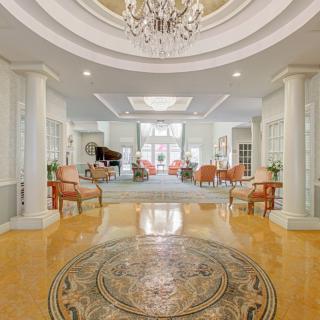
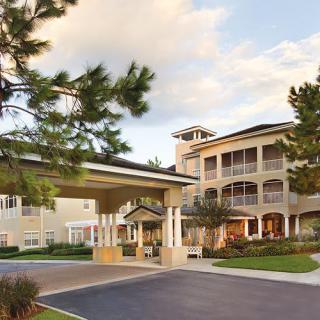
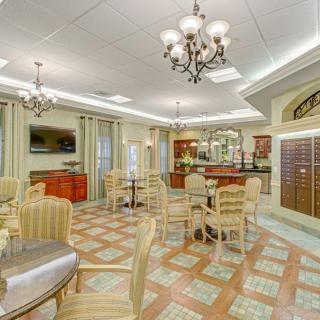
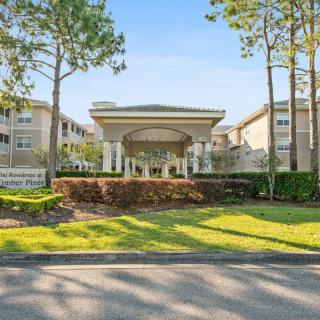
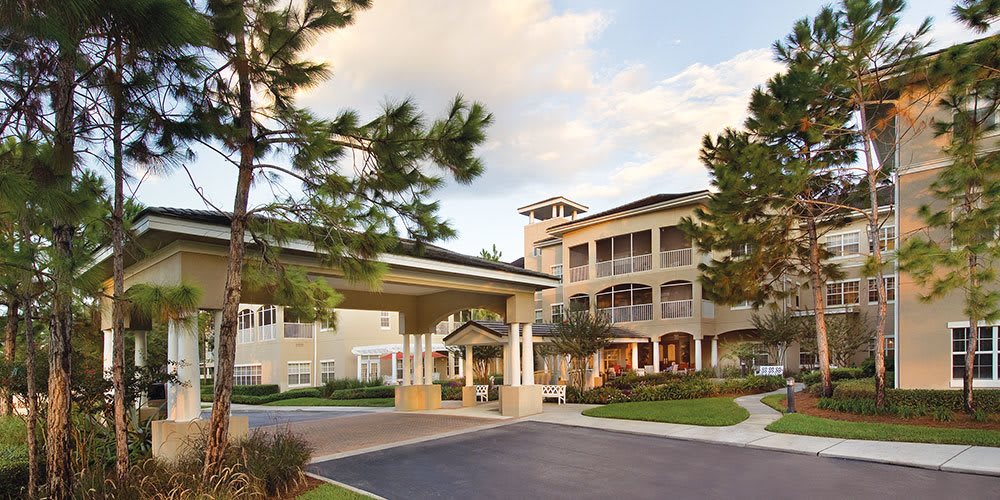
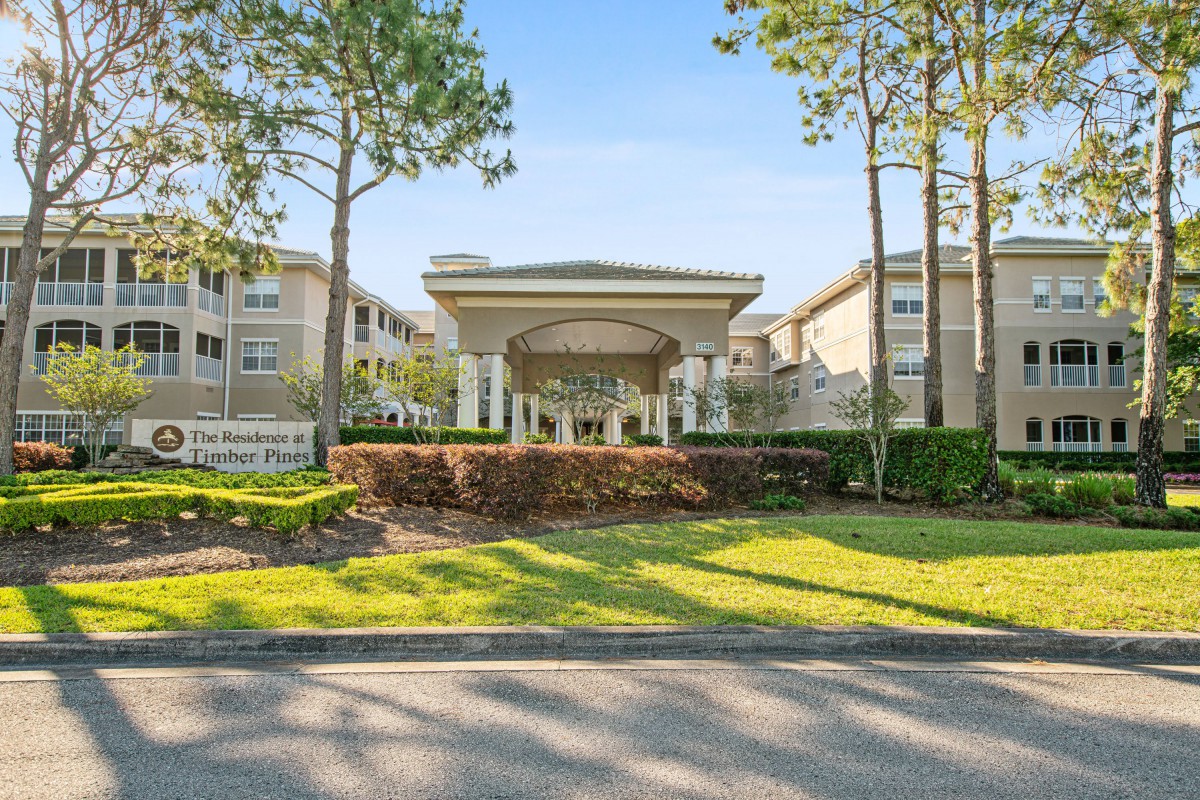
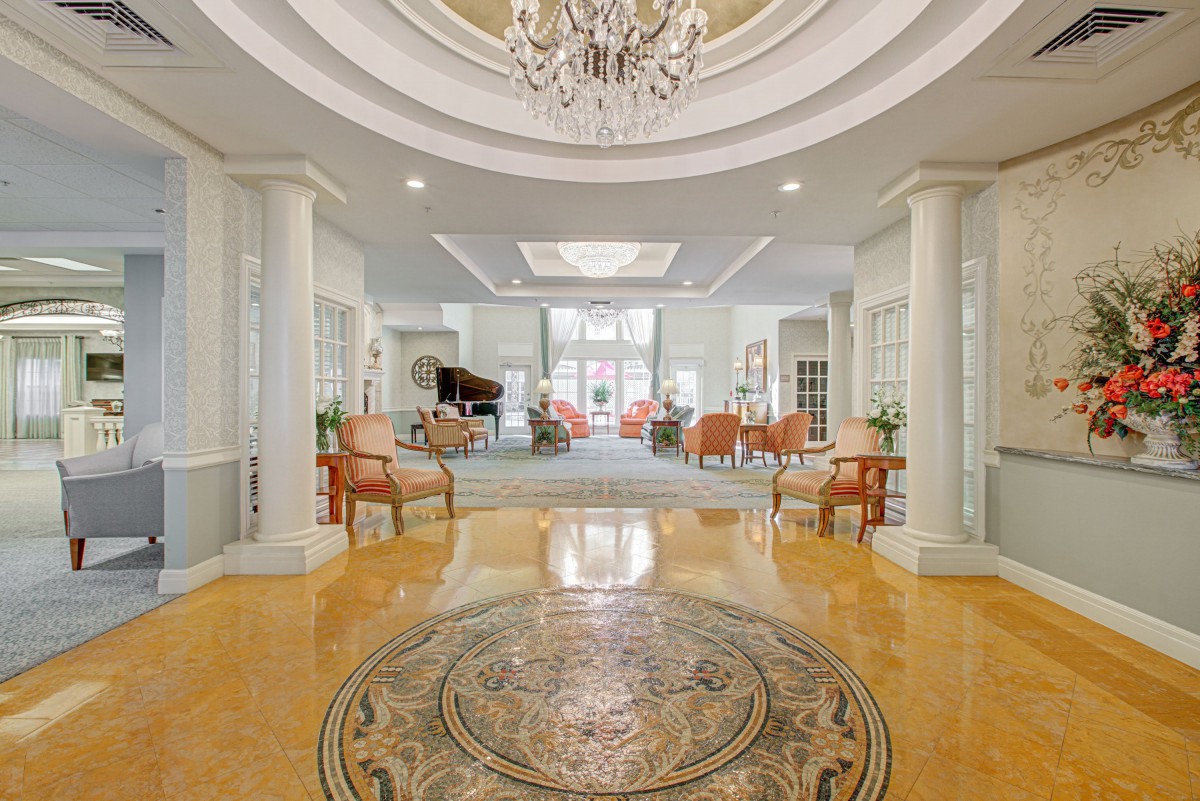
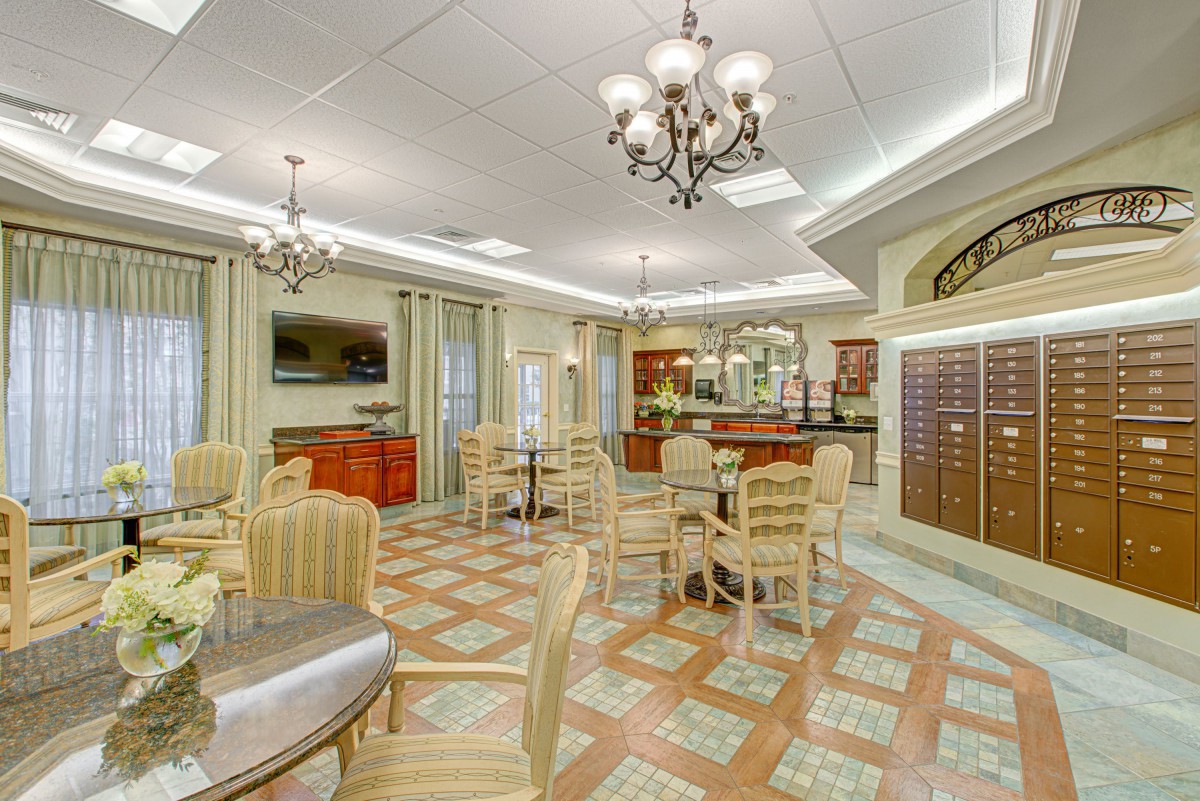
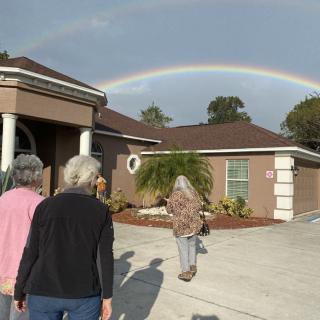
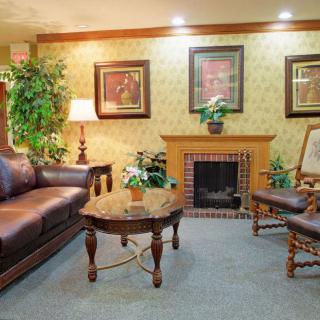
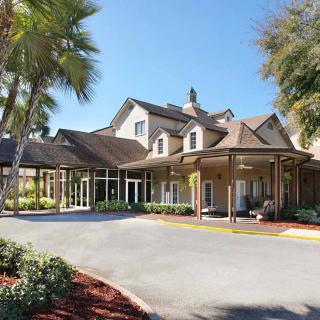
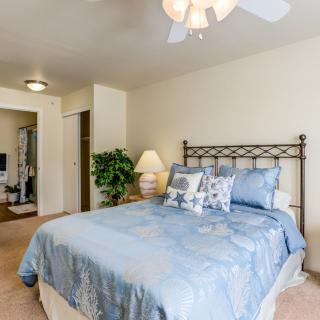
The Residence At Timber Pines Senior Living on seniors.fyi includes 45 photos including images showing interior, chandelier, decor, dining, building, architecture, entrance, landscaping, and more.
Nearby Communities
Timber Pines
Spring Hill, FL
Maxim Healthcare
Spring Hill, FL
Convenient access to nearby amenities (cafes, parks, pharmacies, physicians, restaurants, and theater).
BrightStar Care - Spring Hill, FL
Spring Hill, FL
4.8 from 24 reviews
Excellent nearby amenities: pharmacies, physicians, dining, parks, theaters, and hospitals.
Forest Oaks Villas
Spring Hill, FL
4.5 from 34 reviews
$835 to $1,240 / month
Friendly, responsive staff led by Jesse; clean, welcoming environment.
Home Instead - Spring Hill, FL
Spring Hill, FL
4.9 from 68 reviews
Compassionate, well-trained caregivers matched to individual needs with strong office support and a caring, family-like atmosphere.
The Palms Assisted Living
Spring Hill, FL
5 from 10 reviews
$2,500 / month
Small, personal setting with attentive staff and comprehensive care (meals, ADL support, medication management).
Vitality Living Spring Hill
Spring Hill, FL
4.5 from 259 reviews
$2,305 to $4,305 / month
Friendly staff, welcoming atmosphere, and engaging activities for residents.
Salishan Gracious Retirement Living
Spring Hill, FL
4.7 from 104 reviews
$1,895 / month
Beautiful, well-maintained independent living with attentive staff, fine-dining quality, and engaging amenities.
Vitality Living Hudson
Hudson, FL
4.5 from 143 reviews
$2,800 to $7,800 / month
Friendly, attentive staff in a welcoming, apartment-style community with a robust activities calendar.
Memory care activities are essential for improving the quality of life of seniors with cognitive impairments, as they stimulate cognitive function, promote well-being, and encourage social interaction through tailored strategies. These activities combine structured exercises with spontaneous tasks, sensory engagement, physical workouts, creative pursuits, and intergenerational interactions to enhance emotional connection and a sense of purpose.
Transitioning from assisted living to memory care is driven by an individual's cognitive decline and specific needs, requiring careful evaluation of indicators like increased confusion and wandering. The process involves consulting medical professionals, researching suitable communities, considering financial and legal aspects, and ensuring effective communication for personalized care plans.
The article differentiates between assisted living and memory care, explaining that assisted living supports seniors with daily activities while promoting independence, whereas memory care provides specialized services for individuals with dementia, focusing on secure environments and cognitive support. It also addresses staff training, safety considerations, costs, family involvement, and transition strategies for families navigating these care options.
The Residence At Timber Pines Senior Living photos
×
Interior
Outdoors
Decor
Building
Dining
Interior and Chandelier
Decor
Dining and Table Settings
Landscaping, Building, Architecture, Trees, and Entrance
Television and Lounge
Seating Area
Outdoors
Lobby and Piano
Get PricingAsk A QuestionSchedule A TourContact Senior Advisor
By clicking submit, you agree to our Partner's Terms of Use. You
also consent to receive calls and texts, which may be autodialed, from our Partner. Your consent is not a condition to
using our Partner's service. Please visit our Partner's Privacy Policy for information about their privacy practices.

 255 resident community capacity
 1-bedroom apartments
 Assisted Living
 Independent Living
 Memory Care
 Respite Care
 Skilled Nursing Facility
 Cats allowed
 Dogs allowed
 Activities off-site
 Air-conditioning
 Beautician on-site
 Cable or satellite TV
 Computer center
 Devotional services off-site
 Dining room
 Financing advice
 Fitness room
 Full kitchen
 Fully furnished
 Gaming room
 Garden
 Ground floor units
 Handicap accessible
 Housekeeping services
 Indoor common areas
 Laundry
 Move-in coordination
 Outdoor common areas
 Party space
 Private bathrooms
 Restaurant-style dining
 Small library
 Spa
Spa Swimming pool
 Telephone
 Wheelchair accessible showers
 Wi-Fi/high-speed internet available
 Community operated transportation
 12-16 hour nursing
 24-hour call system
 Ambulatory care
 Assistance with bathing
 Assistance with dressing
 Assistance with transfers
 Diabetes diet
 Diabetic care
 High acuity care
 Hospice waiver
 Incontinence care
 Medication management
 Mental wellness program
 Special dietary restrictions
 Transportation arrangement (medical)
 Art classes
 Catholic services
 Concierge services
 Cooking classes
 Day trips and outings
 Jewish services
 Karaoke
 English
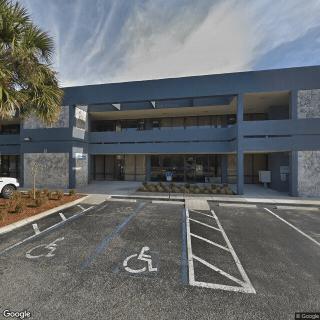
 Convenient access to nearby amenities (cafes, parks, pharmacies, physicians, restaurants, and theater).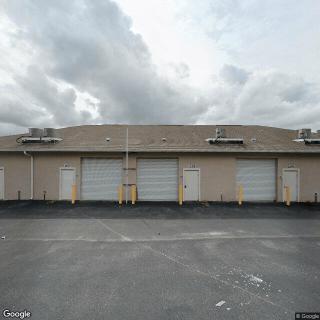
 Engaging Memory Care Activities That Enhance Quality of Life
 When to Transition from Assisted Living to Memory Care: Key Indicators, Steps, and Finding the Right Community
 Understanding the Distinctions: Assisted Living and Memory Care Explained