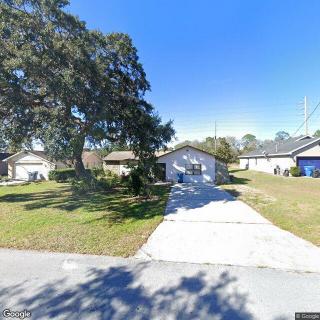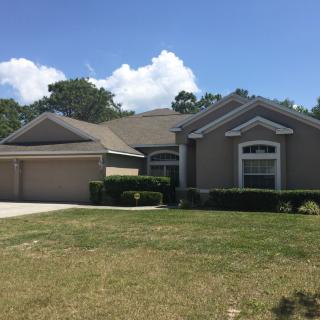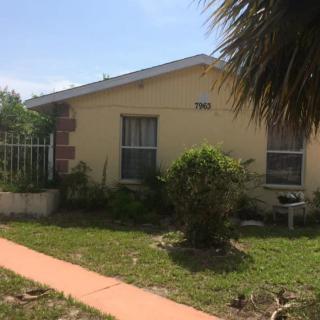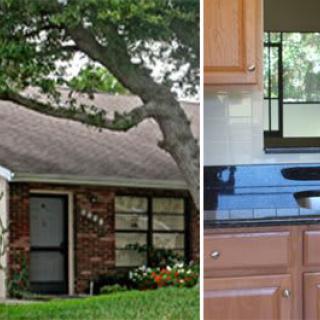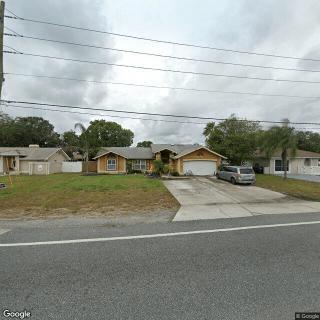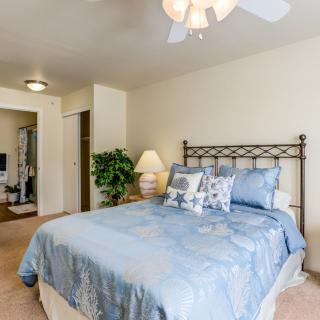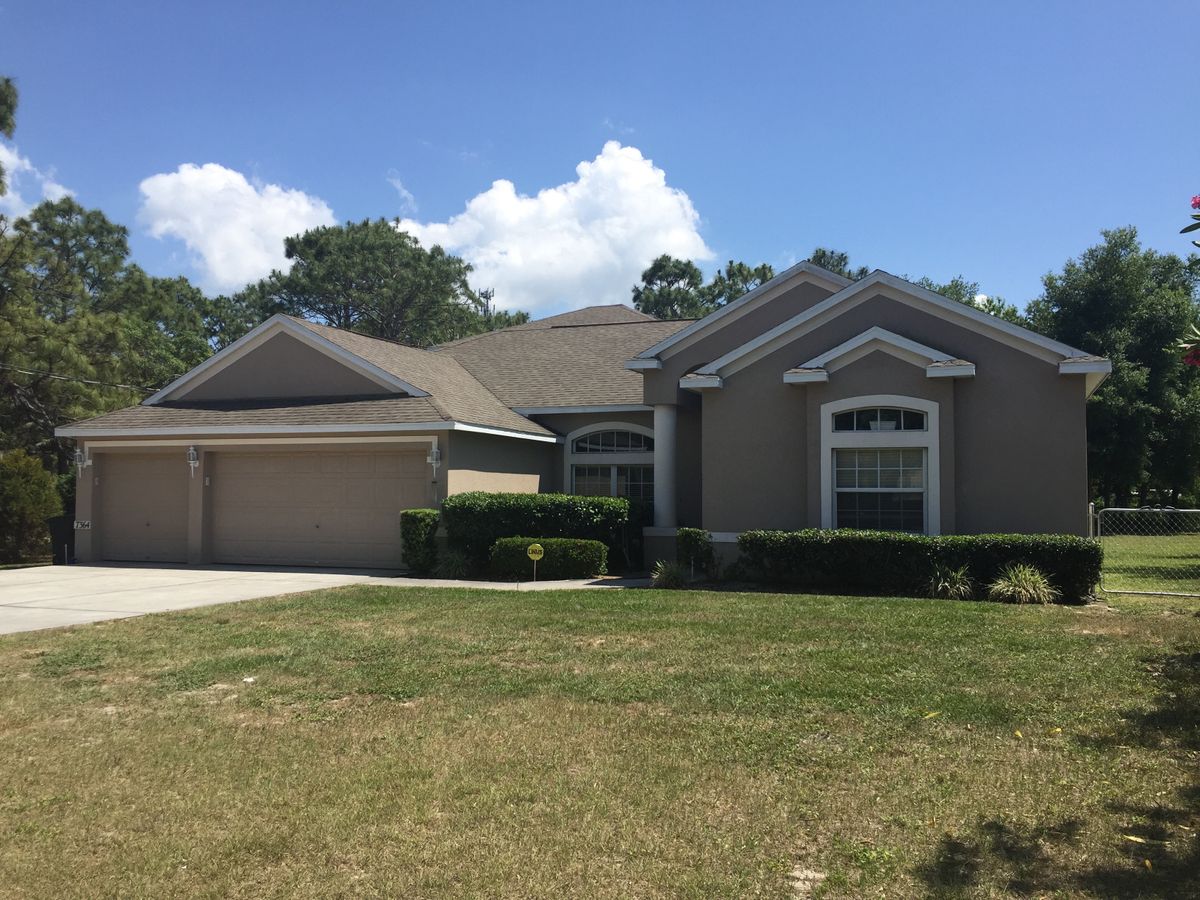
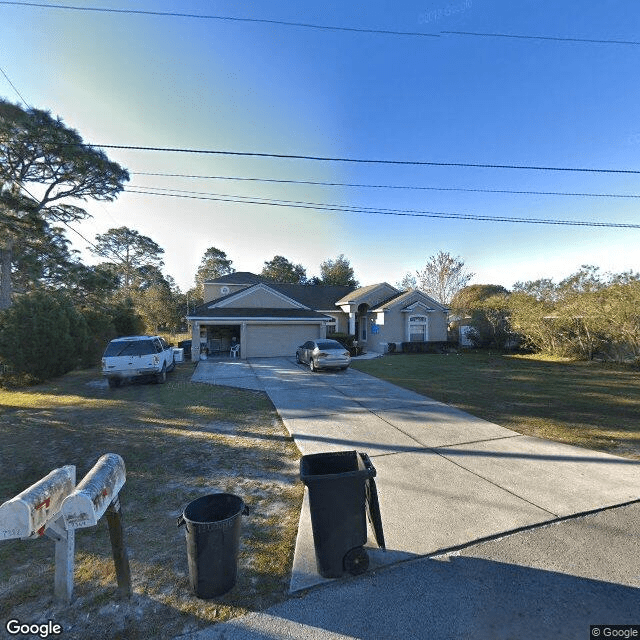
The Palms Assisted Living in Spring Hill, FL

Save
The Palms Assisted Living The Palms Assisted Living

The Palms Assisted Living in Spring Hill, FL

7364 Lagoon Road, Spring Hill, FL 34606

For more information about senior living options: (844) 490-3973

5 from 3 reviews
5 stars
3
4 stars
0
3 stars
0
2 stars
0
1 stars
0

Assisted Living Board and Care Home Day Program Memory Care Respite Care

The Palms Assisted Living Costs & Pricing

The Palms Assisted Living offers competitive pricing for its private and one-bedroom accommodations, with monthly costs set at $2,500. This rate is notably lower than the local average in Hernando County, which stands at $3,568 for private rooms and $3,019 for one-bedroom units. When compared to the statewide averages in Florida of $3,699 and $3,864 respectively, The Palms presents a compelling value proposition for those seeking quality assisted living services without the burden of excessive costs. This affordability makes it an attractive option for families looking to provide their loved ones with care in a comfortable environment while remaining mindful of their budget.

Floor plansThe Palms Assisted LivingHernando CountyFlorida
Private$2,500$3,568$3,699
1 Bedroom$2,500$3,019$3,864

Overall Review of The Palms Assisted Living

Pros

  • pro Green Leaf and Company-The Palms Assisted Living is a very good place.
  • pro The Palms is small, personal, and fully equipped.
  • pro The staff is friendly.
  • pro The facility provides three meals a day, plus snacks, and assists residents with showering, bathing, and medication.

Review

The Palms Assisted Living in Spring Hill is best suited for seniors who want a small, homelike setting where care feels personal and predictable. The community's intimate size translates into warm, rapid interactions with staff and a sense of belonging that larger campuses struggle to match. It works well for couples or individuals who prize steady routines, direct access to caregivers, and a setting where privacy and familiarity matter. Residents benefit from a fully equipped environment that supports daily living without entering a larger, more impersonal campus. With three meals a day plus snacks and hands-on help with showering, bathing, and medication, daily life stays manageable and stable, reducing family stress and enabling a sense of normalcy.

Those who need extensive memory care, high levels of skilled nursing, or a broad calendar of activities may want to consider alternatives. The Palms' compact footprint suggests fewer on-site programs, fewer specialized services, and less room for dramatic care escalations. Families seeking a resort-like atmosphere or a large, dynamic community with frequent outings and a wide array of therapies may find other options more aligned with expectations. If the care plan can be handled comfortably by a dedicated, hands-on staff in a small setting, then Palms fits; otherwise, look for campuses with more comprehensive medical staffing and bigger social networks.

On the upside, the positives here quickly justify the choice. The intimate setting means staff develop real relationships with residents, leading to faster responses, stronger safety checks, and a level of trust that bigger facilities may struggle to match. Being fully equipped means residents aren't forced to bring extra furniture or suspend independent activities for lack of resources. The three daily meals plus snacks, combined with consistent help with personal care and medication management, translate into reliable routines and safety nets that reduce caregiver burden at home and in the facility alike. Those elements collectively create a dependable daily rhythm that supports dignity and independence within a contained environment.

Even without a long list of bells and whistles, the care quality appears purposeful and steady. The friendly staff is repeatedly cited as a strength, which matters when mood and daily function hinge on dependable support. The small size can foster a close-knit community and easier family access, which offsets potential downsides like fewer group activities or specialized programming. The main trade-off is balancing autonomy with supervision; families should verify the facility's capacity to scale care if the resident's needs increase and ensure there is a clear plan for transitions within the same campus if a higher level of medical oversight becomes necessary.

When evaluating, focus on practical benchmarks rather than marketing language. Ask to tour one or more rooms to assess space and safety features; request a day-in-the-life schedule to gauge activity variety; confirm the availability of licensed nurses on site and the medication administration process. Probe how meals are planned and accommodating dietary needs, and whether snacks are offered between meals. Confirm care level options, such as assistance with mobility, bathing, and continence, and clarify how care plans are developed, reviewed, and updated. Finally, compare total monthly costs and what is included to avoid unexpected charges when care needs evolve.

The Palms Assisted Living represents a strong value proposition for families prioritizing warmth, proximity, and dependable daily care in a compact, well-run setting. It excels at delivering personalized attention, straightforward routines, and reliable support with meals, hygiene, and medications. It is not the choice for households seeking robust memory care, a bustling social calendar, or a wide array of on-site therapies. For those cases, alternatives offering larger communities with expanded clinical staffs are worth exploring. In the right circumstances, The Palms offers a practical, seasoned option that keeps life simple without compromising essential care.

Features

Housing

  • 6 resident community capacity 6 resident community capacity

Types of Care

  • Assisted Living Assisted LivingAssisted living facilities provide crucial support and care for seniors who may need help with daily tasks such as medication management, bathing, and meal preparation. These communities offer a safe and comfortable environment where seniors can maintain their independence while receiving the assistance they need to thrive in their golden years.
  • Board and Care Home Board and Care HomeBoard and care homes provide a smaller, more intimate setting for seniors who require assistance with daily tasks but do not need the level of care offered by a nursing home. They offer personalized care, meals, and social activities in a homelike environment, ensuring that seniors receive individualized attention and support in their golden years.
  • Day Program Day ProgramDay programs are important for seniors because they provide a safe and supportive environment where older adults can socialize, engage in activities, receive assistance with daily tasks, and access valuable resources and services. These programs help prevent isolation and loneliness, promote mental and physical well-being, and offer a sense of purpose and community for seniors.
  • Memory Care Memory CareMemory care is crucial for seniors as it provides specialized support and services for individuals with dementia or Alzheimer's disease. These programs offer a safe and secure environment where residents receive personalized care, cognitive stimulation, and help with daily activities. Memory care helps seniors maintain their independence, quality of life, and dignity while also providing peace of mind for their families.
  • Respite Care Respite CareRespite care provides temporary relief for caregivers, allowing them to recharge and attend to their own needs. It also gives seniors the opportunity to socialize, receive professional care, and experience a change of scenery, promoting overall well-being and reducing feelings of isolation.

Amenities

  • Cable or satellite TV Cable or satellite TVCable or satellite TV is important for seniors because it provides entertainment, news, and companionship, helping to combat loneliness and boredom. It also offers a wide range of programming options tailored to different interests and preferences.
  • Dining room Dining roomDining rooms are important for seniors as they provide a space for socialization, connection, and nutritious meals. They offer opportunities for residents to bond over shared meals, foster a sense of community, and promote healthy eating habits. Dining rooms also ensure that seniors have access to well-balanced meals tailored to their dietary needs and preferences.
  • Fully furnished Fully furnishedFully furnished senior living communities are important for seniors because they provide convenience, comfort, and a hassle-free moving experience. Seniors can easily settle into their new living space without the stress of having to buy and move furniture. This allows them to focus on enjoying their new home and community.
  • Garden GardenGardens are important for seniors as they provide a peaceful and therapeutic environment for relaxation, physical activity, and socialization. Being in nature has been shown to reduce stress, improve mood, and promote overall well-being. Gardens also offer opportunities for seniors to engage in gardening activities, which can improve mobility, flexibility, and cognitive function. Additionally, gardens create a sense of community and connection with others who share a passion for plants and outdoor spaces.
  • Housekeeping services Housekeeping servicesHousekeeping services are important for seniors because they help maintain a clean and safe living environment, promote independence, and reduce the risk of accidents or illnesses. Additionally, having assistance with household chores can alleviate physical strain and allow seniors to focus on other aspects of their well-being.
  • Move-in coordination Move-in coordinationMove-in coordination is important for seniors because it helps ease the transition into their new living environment. It ensures that all logistics, such as packing, organizing movers, and setting up utilities are taken care of, allowing seniors to focus on settling in and adjusting to their new home. Having a smooth move-in process can alleviate stress and anxiety, making the transition smoother and more enjoyable for seniors.
  • Outdoor space Outdoor spaceOutdoor spaces are important for seniors as they provide opportunities for physical activity, social interaction, exposure to natural light and fresh air, and a sense of connection to nature. Having access to outdoor spaces can improve overall well-being and quality of life for older adults living in senior communities.
  • Private PrivatePrivacy is important for seniors as it allows them to maintain their independence, dignity, and sense of control over their own lives. It also gives them the space and freedom to relax, reflect, and engage in activities that bring them joy and fulfillment. Creating private spaces within senior living facilities is crucial for promoting overall well-being and quality of life.
  • Small library Small librarySmall libraries are important for seniors as they provide access to a variety of reading materials, including books, newspapers, and magazines. This can help stimulate their minds, keep them engaged, and provide a sense of community through book clubs and other social activities. Additionally, reading has been shown to improve cognitive function and overall mental well-being in older adults.
  • Telephone TelephoneTelephones are important for seniors as they provide a lifeline for communication with loved ones, emergency services, and healthcare providers. They offer a sense of security and independence, enabling seniors to stay connected and access assistance when needed.

Care Services

  • 24-hour supervision 24-hour supervision24-hour supervision is important for seniors to ensure their safety, well-being, and access to immediate assistance in case of emergencies or health issues. This constant support provides peace of mind for both seniors and their loved ones, allowing them to age in place with dignity and security.
  • Activities of daily living assistance Activities of daily living assistanceActivities of daily living assistance are important for seniors because they provide essential support with tasks such as eating, bathing, dressing, and mobility. This assistance helps seniors maintain their independence, dignity, and overall quality of life as they age.
  • Ambulatory care Ambulatory care"Ambulatory care services provide essential medical support and treatment to seniors without requiring hospitalization, allowing them to maintain their independence and quality of life while managing chronic conditions or receiving routine medical care."
  • Assistance with bathing Assistance with bathingAssistance with bathing is crucial for seniors as it helps maintain personal hygiene, prevents infections, and ensures their overall well-being and comfort. It also provides a sense of dignity and independence for seniors who may struggle with this task on their own.
  • Assistance with dressing Assistance with dressingAssistance with dressing is important for seniors because it helps maintain their independence, promotes personal hygiene, prevents accidents and injuries, and improves overall quality of life. This service ensures that seniors can continue to dress comfortably and confidently, despite any physical limitations they may have.
  • Assistance with transfers Assistance with transfersAssistance with transfers is crucial for seniors as it helps prevent falls and injuries, maintains their independence, and ensures they can safely navigate their living environment. It also provides peace of mind for both seniors and their loved ones.
  • Diabetes diet Diabetes dietA diabetes diet is crucial for seniors as it helps manage blood sugar levels, reduce risks of complications, and improve overall health and well-being. By following a balanced and nutritious diet tailored to their specific needs, seniors can better control their diabetes and enhance their quality of life.
  • Diabetic care Diabetic careDiabetic care is crucial for seniors as they are more susceptible to developing diabetes due to aging and other health conditions. Proper management of diabetes can help prevent complications such as heart disease, vision loss, and nerve damage, improving the overall quality of life for seniors in senior living communities.
  • High acuity care High acuity careHigh acuity care is important for seniors because it provides specialized medical attention and support for individuals with complex medical needs. This level of care ensures that seniors receive the appropriate treatment and assistance to maintain their health and quality of life as they age.
  • Incontinence care Incontinence careIncontinence care is essential for seniors to maintain their dignity, hygiene, and overall quality of life. By addressing incontinence issues promptly and effectively, seniors can enjoy a sense of independence and comfort in their daily activities.
  • Meal preparation and service Meal preparation and serviceMeal preparation and service are crucial for seniors as they may have limited mobility or energy to cook nutritious meals. Having access to healthy and convenient food options can ensure they are getting the proper nutrition needed to maintain their overall health and well-being.
  • Medication management Medication managementMedication management is crucial for seniors to ensure they are taking the right medications at the correct dosages and times. This helps prevent adverse drug interactions, reduces the risk of medication errors, and promotes overall health and well-being. Proactive management also allows for adjustments as needed based on changing health conditions or new prescriptions.
  • Special dietary restrictions Special dietary restrictionsSpecial dietary restrictions are important for seniors because age-related changes in metabolism and health conditions can make it difficult for their bodies to process certain foods. By following a diet tailored to their specific needs, seniors can maintain their overall health and well-being, manage chronic conditions, and reduce the risk of complications such as malnutrition or food interactions with medications.

Dining

  • Diabetes diet Diabetes dietA diabetes diet is crucial for seniors as it helps manage blood sugar levels, reduce risks of complications, and improve overall health and well-being. By following a balanced and nutritious diet tailored to their specific needs, seniors can better control their diabetes and enhance their quality of life.
  • Special dietary restrictions Special dietary restrictionsSpecial dietary restrictions are important for seniors because age-related changes in metabolism and health conditions can make it difficult for their bodies to process certain foods. By following a diet tailored to their specific needs, seniors can maintain their overall health and well-being, manage chronic conditions, and reduce the risk of complications such as malnutrition or food interactions with medications.

Activities

  • Community-sponsored activities Community-sponsored activitiesCommunity-sponsored activities are important for seniors as they provide opportunities for social interaction, mental stimulation, and physical activity. These activities can help improve overall well-being, combat loneliness and isolation, and promote a sense of belonging and purpose among older adults.
  • Scheduled daily activities Scheduled daily activitiesScheduled daily activities are important for seniors because they provide structure, socialization, mental stimulation, and physical activity. Engaging in regular activities can improve overall well-being and quality of life for seniors living in a community setting.

Description

The Palms Assisted Living in Spring Hill, FL is a welcoming and comfortable community that provides a range of care options for seniors. Whether individuals need assistance with daily activities or specialized memory care, The Palms offers the support they need in a homelike environment.

Residents at The Palms can choose from various types of care, including board and care home, day program, memory care, and respite care. This flexibility allows individuals to receive the level of support that best suits their needs and preferences.

The community boasts numerous amenities to enrich residents' lives. A spacious dining room ensures that meals are enjoyed together in a social setting. Every apartment is fully furnished and private, providing a personal space for residents to relax in. Residents can also explore the beautifully maintained gardens or spend time outdoors in the outdoor spaces provided. For quiet leisure time, there is a small library available. Additionally, residents have access to telephone services to stay connected with loved ones.

The highly trained staff at The Palms provide exceptional care services tailored to each resident's individual needs. They assist with activities of daily living such as bathing and dressing, as well as transfers for those who require mobility assistance. Specialized dietary requirements are catered to, including diabetic diets. Medication management ensures that residents take their medications on time and in the correct dosage.

To enhance residents' quality of life, The Palms offers scheduled daily activities to keep them engaged and active. Nearby cafes, parks, pharmacies, physicians' offices, restaurants, theaters, and hospitals provide convenience and accessibility for both residents and their families.

Overall, The Palms Assisted Living community provides comprehensive care services within a warm and nurturing environment. With its range of amenities and dedicated staff members, it is an ideal choice for seniors looking for a supportive community where they can thrive while receiving the assistance they need.

Nearby Places of Interest

This part of Spring Hill, Florida, offers a variety of amenities and services that cater to seniors looking for healthcare, dining options, entertainment, and spiritual support. With several physicians' offices nearby such as Family Podiatry Center and Access Healthcare, residents can easily access medical care. There are also pharmacies like Walgreens and CVS Pharmacy in close proximity for convenience. In terms of dining options, there are popular chains like McDonald's, Chili's Grill & Bar, and IHOP nearby. For entertainment, the Spring Hill 8 theater is just a short drive away. Additionally, there are parks like Rotary Centennial Dog Park and Veterans Memorial Park for outdoor activities. Places of worship such as Temple Beth David Jewish Center and Christian Church in the Wildwood offer spiritual community support. Overall, this area provides a well-rounded environment suitable for senior living with convenient access to essential services in a peaceful suburban setting.

Physicians

  • Family Podiatry Center (0.5 miles)
  • After Image EyeCare (1.4 miles)
  • Kutty Mohan MD (1.7 miles)
  • AccuHear (2.1 miles)
  • Bay Dermatology & Cosmetic Surgery (2.2 miles)
  • Coastal Jaw Surgery at Spring Hill (2.4 miles)
  • Access Healthcare (2.4 miles)

Pharmacies

  • Walgreens (0.5 miles)
  • Winn-Dixie (1.5 miles)
  • CVS Pharmacy (1.9 miles)
  • Walmart Pharmacy (1.9 miles)
  • Walgreens (2.3 miles)
  • Pine Brook Pharmacy #3 (3.2 miles)
  • Walgreens (3.3 miles)

Restaurants

  • McDonald's (1.6 miles)
  • Chili's Grill & Bar (1.6 miles)
  • Taco Bell (1.6 miles)
  • Cody's Original Roadhouse (1.6 miles)
  • Greek City Cafe (1.6 miles)
  • Hooters (1.8 miles)
  • IHOP (2 miles)

Theaters

  • Spring Hill 8 - Sapphire Motion Pictures (1.7 miles)

Cafes

  • Panera Bread (2.1 miles)
  • Jam's Breakfast & Lunch Cafe (4.1 miles)

Hospitals

  • Spring Hill Regional Hospital (3.7 miles)
  • HCA Healthcare (6.4 miles)

Parks

  • Rotary Centennial Dog Park Spring Hill (3.7 miles)
  • Veterans Memorial Park (4.7 miles)

Places of Worship

  • Temple Beth David Jewish Center (5.4 miles)
  • Christian Church in the Wildwood (5.9 miles)
  • Crosspoint Church Future Main Campus (6.3 miles)

Frequently Asked Questions

How much does it cost to live at The Palms Assisted Living in Spring Hill, FL?
Where is The Palms Assisted Living?
Does The Palms Assisted Living provide care for residents with dementia or Alzheimer's disease?

Nearby Communities

  • Canterbury Arms Assisted Living

    Canterbury Arms Assisted Living

    Spring Hill, FL

    4.5 from 11 reviews
     

    pro Clean, safe environment with caring staff and quality meals.

  • Family Connect Life

    Family Connect Life

    Spring Hill, FL

     
    $2,500 to $3,500 / month

    pro Competitive pricing with strong amenities and care services (medication management, diabetic care, on-site beautician, devotional services).

  • BrightStar Care - Spring Hill,  FL

    BrightStar Care - Spring Hill, FL

    Spring Hill, FL

    4.8 from 21 reviews
     

    pro Excellent nearby amenities: pharmacies, physicians, dining, parks, theaters, and hospitals.

  • Forest Oaks Villas

    Forest Oaks Villas

    Spring Hill, FL

    4.5 from 32 reviews
    $835 to $1,240 / month

    pro Friendly, responsive staff led by Jesse; clean, welcoming environment.

  • Home Instead - Spring Hill,  FL

    Home Instead - Spring Hill, FL

    Spring Hill, FL

    4.9 from 68 reviews
     

    pro Compassionate, well-trained caregivers matched to individual needs with strong office support and a caring, family-like atmosphere.

  • Long,  Cheri

    Long, Cheri

    Spring Hill, FL


    pro Nearby dining, parks, healthcare, worship, theater, and a hospital provide convenient access.

  • The Residence At Timber Pines Senior Living

    The Residence At Timber Pines Senior Living

    Spring Hill, FL

    4.7 from 156 reviews
    $3,180 to $5,735 / month

    pro Modern, clean facilities with friendly staff and engaging activities.

  • Vitality Living Spring Hill

    Vitality Living Spring Hill

    Spring Hill, FL

    4.5 from 248 reviews
    $2,305 to $4,305 / month

    pro Friendly staff, welcoming atmosphere, and engaging activities for residents.

  • Salishan Gracious Retirement Living

    Salishan Gracious Retirement Living

    Spring Hill, FL

    4.6 from 91 reviews
    $1,895 / month

    pro Beautiful, well-maintained independent living with attentive staff, fine-dining quality, and engaging amenities.

Related Resources

  • when to move from assisted living to nursing home8 Key Indicators That Suggest It May Be Time to Transition from Assisted Living to Skilled Nursing Care

    The transition from assisted living to skilled nursing care is often prompted by complex medical needs that assisted living cannot meet, with key indicators including frequent health declines, increased falls, severe memory issues, and caregiver burnout. Families should recognize these signs early to discuss options with healthcare providers and prepare for the emotional and logistical aspects of moving to a facility that offers comprehensive medical support.

  • best foods for dementia patients to eatNourishing the Mind: Essential Dietary Approaches for Dementia

    Dementia is characterized by cognitive decline, with nutrition playing a vital role in brain health; while no specific diet can prevent or reverse it, a nutrient-dense diet rich in antioxidants and healthy fats may support cognitive function. The MIND diet, which emphasizes beneficial foods and limits processed items, along with proper hydration and individualized meal strategies, can enhance the well-being of dementia patients.

  • dementia behaviorsUnderstanding Dementia Behaviors: Practical Insights and Strategies for Caregivers

    Dementia affects memory and cognitive function in older adults, presenting challenges for caregivers due to behavioral changes such as confusion and mood swings. Compassionate, person-centered care that considers individual history and preferences, along with effective communication and environmental modifications, is essential for supporting both patients and their caregivers.