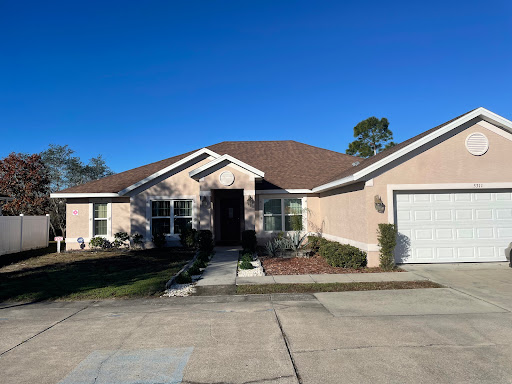
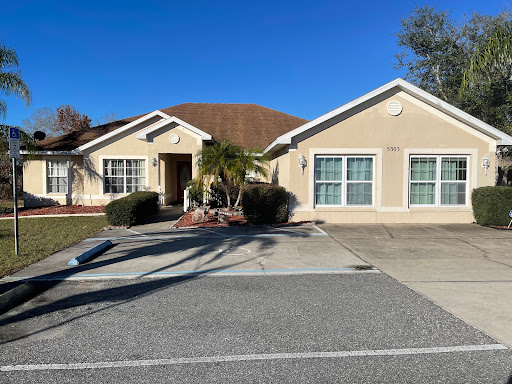
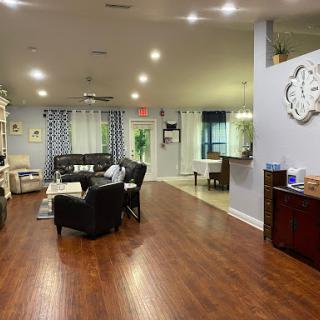
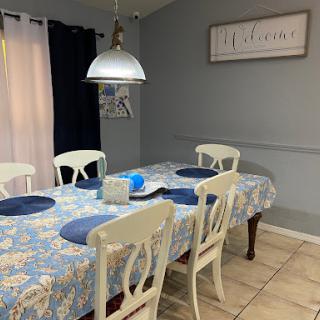
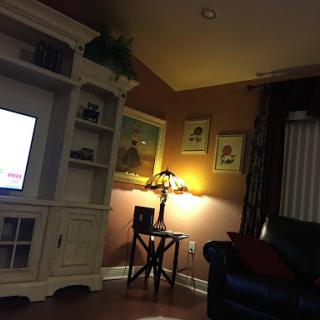
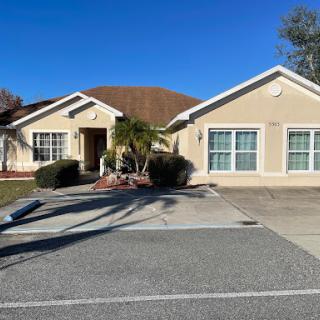
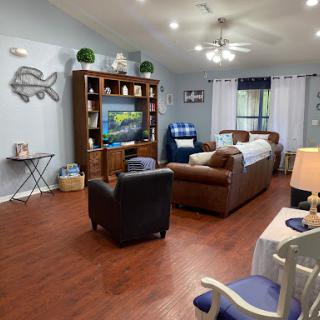
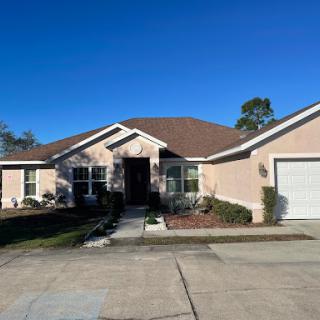
5303 Mariner Boulevard, Spring Hill, FL 34609
For more information about senior living options: (866) 208-4318
Mariner Palms Costs & Pricing
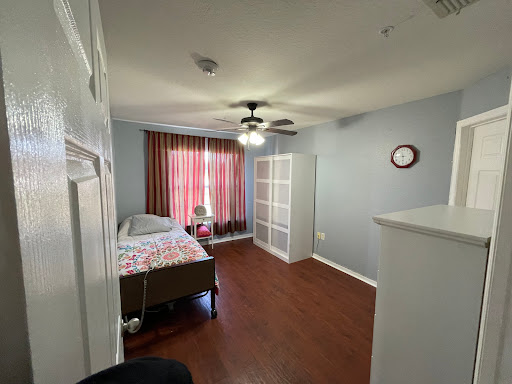
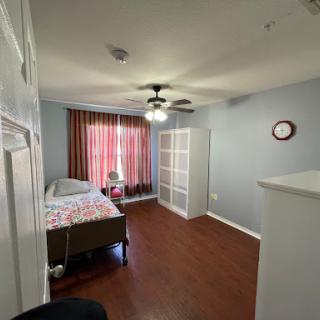
At Mariner Palms, the monthly costs for accommodations reflect a competitive yet tailored pricing strategy aimed at providing quality care. For semi-private rooms, the cost is set at $3,000 per month, which is notably lower than the Hernando County average of $2,810 and aligns closely with the state average of $3,009. For those opting for private accommodations, Mariner Palms charges $3,500 per month. This figure presents a more economical alternative compared to Hernando County's average of $3,568 and Florida's statewide average of $3,699. Overall, Mariner Palms offers residents an appealing combination of value and care within the context of local and state pricing trends.
| Floor plans | Mariner Palms | Hernando County | Florida |
|---|---|---|---|
| Semi-Private | $3,000 | $2,810 | $3,009 |
| Private | $3,500 | $3,568 | $3,699 |
Memory care communities with a similar price nearby
-
from -$500 / mo
The Palms Assisted Living
$2,500 / month5.6 miles away -
About the same
Cobblestone Manor
$3,000 to $4,850 / month6.9 miles away -
from +$180 / mo

The Residence At Timber Pines Senior Living
$3,180 to $5,735 / month5.8 miles away -
About the same
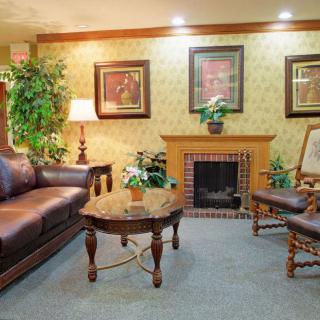
Forest Oaks of Spring Hill
$3,000 to $3,500 / month4.2 miles away -
from -$500 / mo
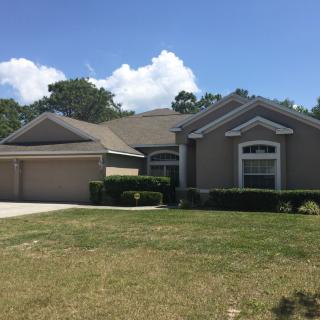
Rainbow Gardens Assisted Living
$2,500 / month2.8 miles away
Overall Review of Mariner Palms
Pros
 The new caregivers (Karen, Yazmine, and Billie) truly care about the residents.
- The facility is beautiful and provides great quality care for loved ones.
- The staff are great, welcoming, and very helpful and attentive.
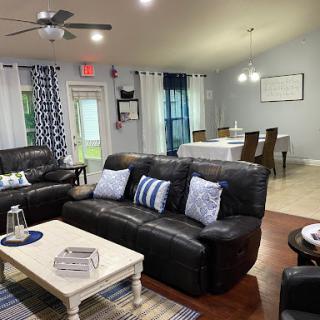
- The facility feels private and home-like, with staff who know each resident and genuinely care.
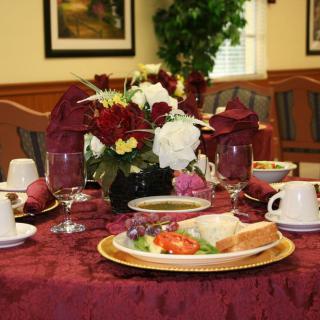
- Meals are freshly cooked, and clothing and bedding are provided daily.
- The caregiving team includes a 24-hour nurse and nursing assistants, ensuring individualized care.
- There are activities that engage residents and foster interaction, making it a lively place.
Cons
 No one answered the phone and the voicemail box was full.
- None of the promised activities, meals, or medication routines were being carried out.
- The staff had been fully replaced, undermining continuity of care.
- The family was saddened to leave after moving their father closer due to unsatisfactory care.
Review
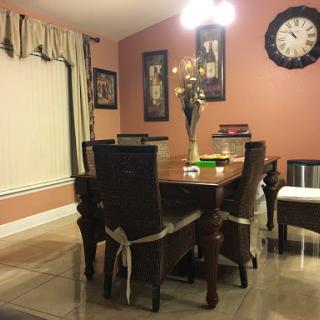
Mariner Palms in Spring Hill is best suited for families who want a small, home-like assisted living where residents are known by name, daily routines feel predictable, and meals are sociable focal points. The setting appeals to those who value a warm, campus feel with caregivers who are engaged in the small, practical details of daily life, help with dressing, meals at a shared table, and a steady stream of activities designed to keep residents connected. It works well for seniors who do not require hospital-level medical oversight every day but do need regular assistance with everyday tasks. Prospective buyers should recognize that the strongest appeal lies in personal attention and a community that feels intimate rather than clinical. Distance from family can complicate oversight, as one account notes a parent living two hours away, which matters when hands-on involvement is needed.
Those who may want to consider alternatives are clear: if reliable, immediate management contact and highly stable staffing from day one are paramount, this community may not fit. If the resident requires more intensive medical services, memory care with specialized supervision, or evergreen, readily available clinical oversight, families will want to compare options that offer deeper on-site medical programs. Prospective residents who anticipate frequent, direct communication with leadership, or who need a facility with a consistently predictable administrative presence, should assess whether Mariner Palms can meet that standard. For families prioritizing minimal travel or crisis responsiveness, a community with more centralized, consistent communication policies could be a better fit.
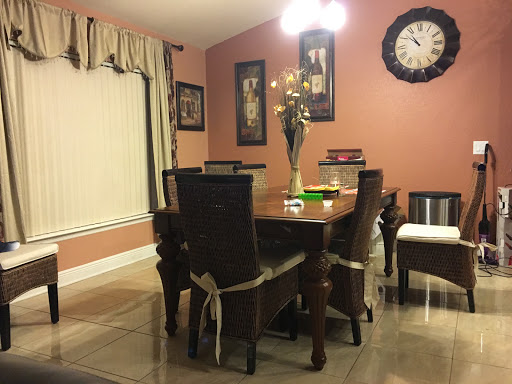
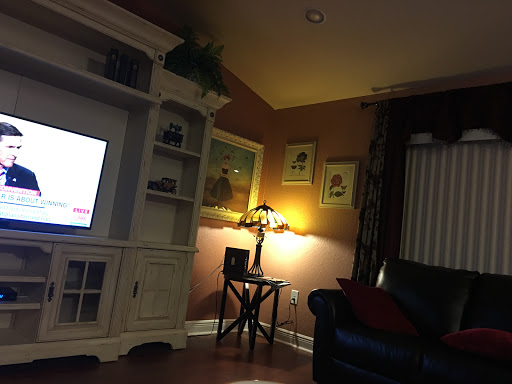
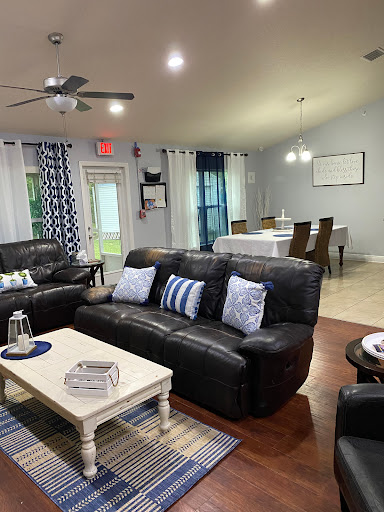
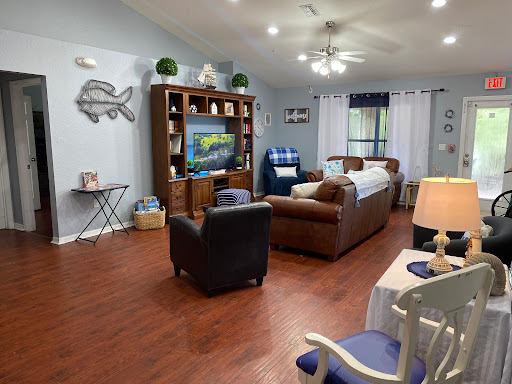
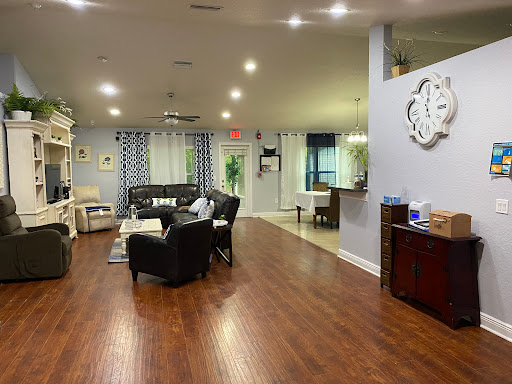
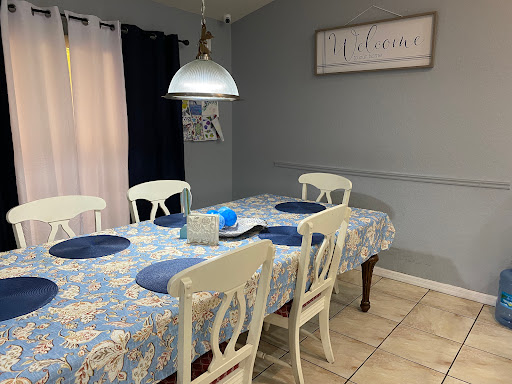
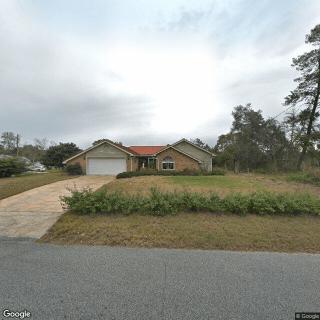
On the positive side, the facility’s obvious strengths center on care that feels individualized and relational. The property presents as a beautiful, welcoming environment, designed to support daily life rather than confinement. Residents reportedly benefit from a 24-hour nursing presence and a cadre of nursing assistants who help with routine tasks, coupled with fresh, cooked meals and a dining-room culture that emphasizes social meals around a common table. Daily clothing and bedding changes add to a sense of dignity and routine, while structured activities and visible staff warmth help residents stay engaged. When staff members like Jenny Figueroa and other caregivers give attentive, accessible answers to questions, the care philosophy comes through in a tangible way.
Yet the most salient drawbacks demand frank consideration. Communications gaps, such as difficulties reaching someone by phone or a voicemail system that feels perpetually full, undercut trust and timeliness in addressing family concerns. A broader concern points to turnover and ownership shifts, with mentions that new owners replaced most of the previous staff, which can destabilize routines and blur expectations between marketing promises and daily practice. The result can be a letdown when the reality does not immediately align with initial impressions. Additionally, the distance factor remains a practical barrier for families needing consistent, nearby oversight, and admission expectations, such as not allowing a resident to live independently after a hospital stay, may constrain who is a good fit.
Balancing the positives against the drawbacks yields a practical verdict: Mariner Palms delivers a compelling, person-centered care experience for residents who crave familiarity, social dining, and a caring staff that knows their preferences. Those benefits can outweigh the cons, so long as the family can tolerate less-than-perfect responsiveness and possible management instability during transitions. For families where reliability of communication and consistency of staffing are non-negotiable, or where specialized medical needs are anticipated, it is prudent to explore alternatives while maintaining the possibility of a measured trial at Mariner Palms to verify stability over time.
In the end, the advisor’s recommendation is clear. If the goal is a warm, home-like setting where residents are treated as individuals, with caregivers who genuinely invest in daily joy and routine, Mariner Palms stands out as a strong option. If instead the priority is seamless, always-on accessibility to leadership, unwavering staffing consistency, or enhanced memory-care capabilities, families should width their search and compare other nearby options before making a final commitment. Conduct in-person visits, ask to meet current frontline staff, verify care plans, and request a transparent update on ownership and staffing structures before deciding.
 8 resident community capacity
 Assisted Living
 Board and Care Home
 Memory Care
 Respite Care
 Cable or satellite TV
 Dining room
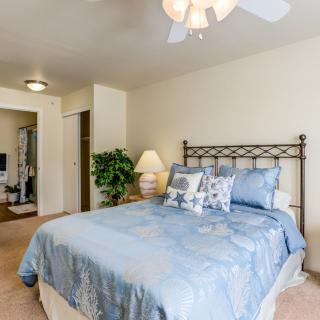
 Fully furnished
 Garden
 Housekeeping services
 Move-in coordination
 Outdoor space
 Private
 Telephone
 Wi-Fi/high-speed internet available
 24-hour supervision
 Activities of daily living assistance
 Ambulatory care
 Assistance with bathing
 Assistance with dressing
 Assistance with transfers
 Diabetes diet
 Diabetic care
 Meal preparation and service
 Medication management
 Special dietary restrictions
 Transportation arrangement (medical)
 Transportation to doctors appointments


 Dementia Behaviors: In-Depth Understanding and Effective Coping Strategies
 5 Early Indicators of Dementia and What You Can Do
 8 Important Indicators That Memory Care May Be Necessary